A kingmaker? Bennett waiting for right political moment as coalition talks snarl
While Liberman takes the heat, Bennett's opting to keep a low profile. Some of those close to him hope to bring Likud into a broad government, ignoring the danger that Netanyahu will simply play for time
On Wednesday, former prime minister Naftali Bennett announced his new party B’Yachad’s first proposed legislation: the servicemembers law. The substance of the bill, aimed at addressing the highly contentious issue of ultra-Orthodox military draft exemptions, should come as no surprise.
Talks are reportedly taking place behind closed doors between Bennett’s fellow bloc member, the fiercely secular Yisrael Beytenu chairman Avigdor Liberman, and United Torah Judaism (UTJ) chairman Yaakov Asher in an attempt to bridge the divide and form a coalition.
Nevertheless, the parties of the anti-Netanyahu bloc simply cannot afford to abandon their core campaign commitments to Israel’s heavily burdened conscripts, career soldiers, and reservists.
During the outgoing government’s term, Finance Minister Bezalel Smotrich, head of the far-right Religious Zionism party, issued numerous public statements touting increased benefits for IDF reservists. However, beholden to his ultra-Orthodox coalition partners, he made sure not to advance any direct financial sanctions against Haredi men who refuse to serve.
Bennett’s proposal, at least in its initial version, goes much further. It explicitly calls for “redirecting funds by changing eligibility criteria and halting payments currently made to households that do not participate in military service or employment,” striking directly at state subsidies for ultra-Orthodox yeshiva students.
Yet Bennett’s broader political intentions remain shrouded in uncertainty amid the frantic coalition negotiations that have been taking place over the past week.
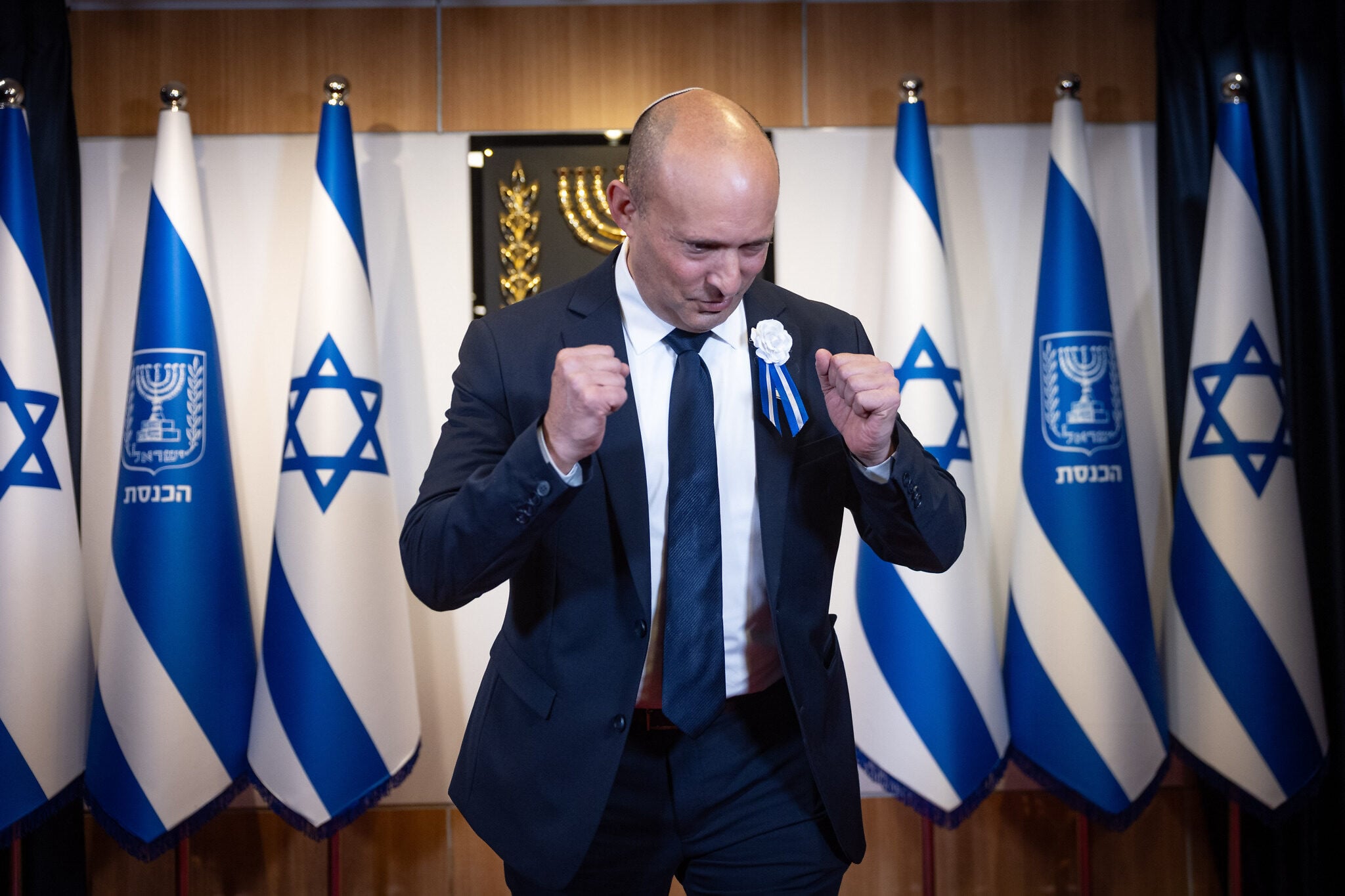
He has maintained relative silence, with one notable exception: On Tuesday, at a state event meant to be purely festive — a traditional toast to the incoming 26th Knesset and a group photograph of the newly elected party leaders — Bennett could not remain silent.
He openly clashed with Prime Minister Benjamin Netanyahu over the premier’s slurs, incitement, and racist remarks in a speech directed at representatives of Israel’s Arab society.
The prime minister’s wife, Sara Netanyahu — who wields notorious, outsized influence over her husband’s political affairs — was seated a few chairs away from Bennett and enthusiastically joined the exchange of insults, behaving as though she herself held the country’s highest political office.
Only Likud’s Knesset Speaker Amir Ohana, Yashar party chairman Gadi Eisenkot and his wife Hannah sat between Bennett and Sara Netanyahu. All three appeared stunned by her unprecedented decision to insert herself into the confrontation.
At that chaotic moment, Bennett was among the few who tried to defend the dignity of Israeli democracy. Yair Golan, chairman of the left-wing Democrats party, had already grasped the gravity and ugliness of the occasion; he stood up and walked out of the state event early in Netanyahu’s address.
Apart from that uncharacteristic outburst, the political silence emanating from Bennett is best explained by a strategic decision on his part to patiently wait for the right moment. He is content to let Liberman and his seven-seat faction absorb all the public criticism over the center-right’s ongoing retreat from its election promises regarding the ultra-Orthodox.
While Liberman’s taking the heat, Bennett is standing safely on the sidelines, avoiding political embarrassment. When the time is right, Bennett intends to emerge as the ultimate kingmaker — the responsible adult in the room who can bridge the nation’s bitter divides.
Those close to Bennett believe there is little point at this stage in filling the public agenda with empty media declarations. There are two primary reasons for this: Any premature statement could undermine fragile backchannel negotiations, and keeping things quiet gives Eisenkot — who on Sunday received the presidential mandate to form a government — the maneuverability to pursue a variety of coalition options simultaneously.
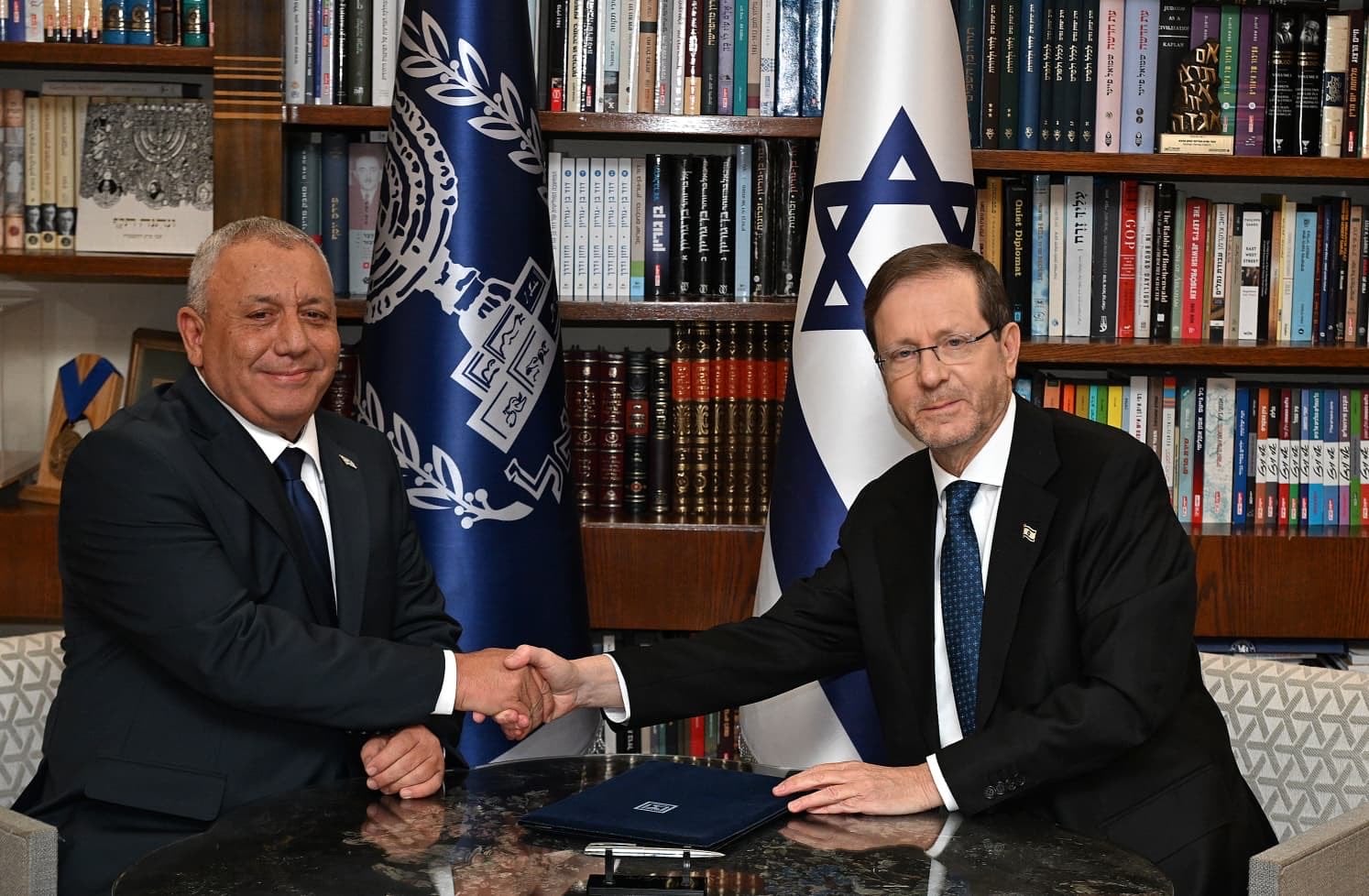
One idea under active consideration in Bennett’s camp is that Likud might eventually agree to join a broad national unity government in which the party would not control the Prime Minister’s Office, at least initially.
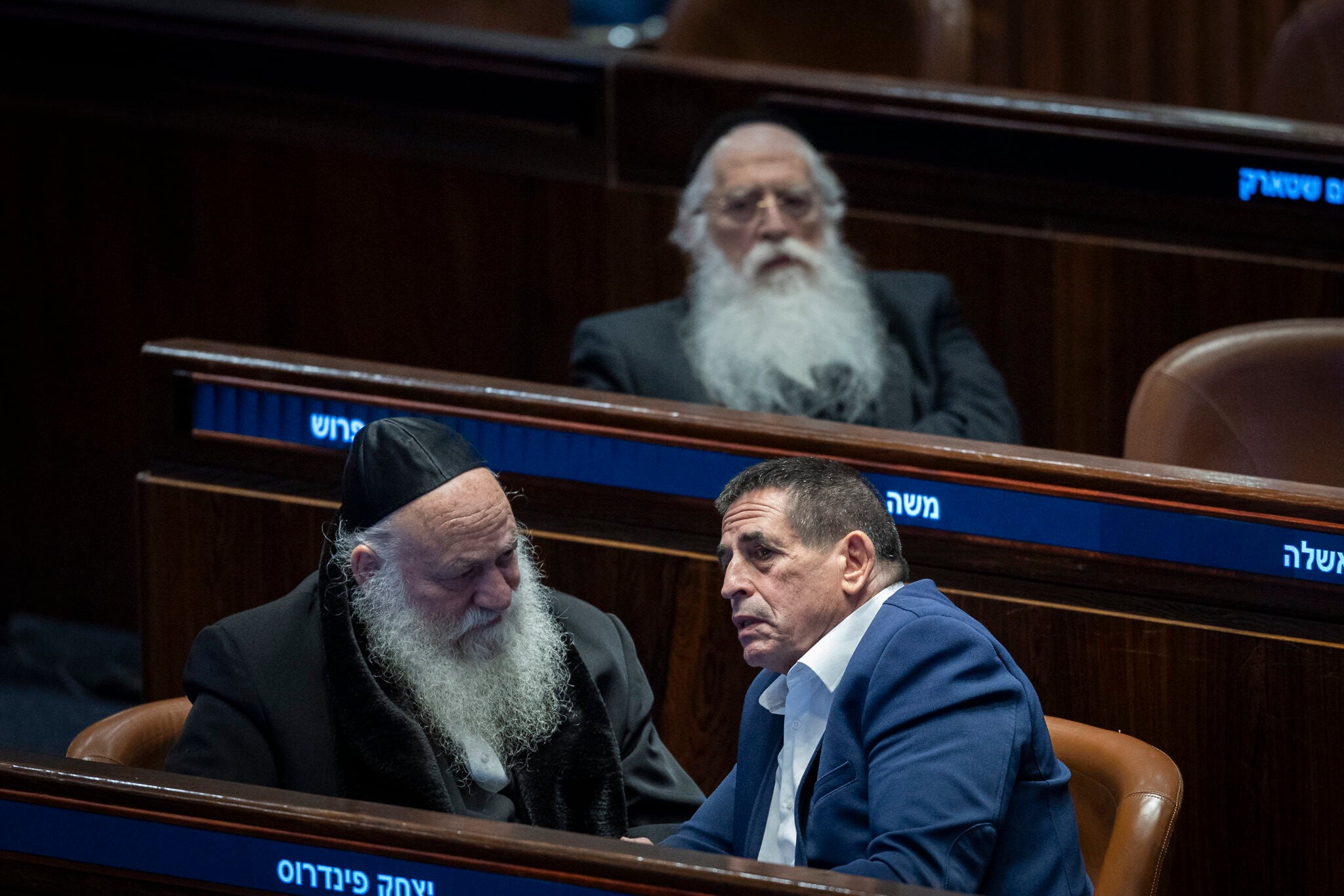
The parliamentary reasoning is based on Knesset math: Netanyahu comes to the negotiating table severely weakened, holding just 39 reliable seats out of the 120-member parliament — 27 from Likud, six from Smotrich’s Religious Zionism, and six from the Sephardic Haredi Shas party.
The seven-seat Ashkenazi Haredi UTJ faction is technically no longer part of Netanyahu’s bloc due to the explosive draft dispute. And the White House has reportedly imposed an absolute diplomatic veto on including National Security Minister Itamar Ben Gvir’s radical Otzma Yehudit party in any future government. That leaves Netanyahu with just 39 seats out of the 53 his right-religious bloc won in the election.
Facing the anti-Netanyahu bloc’s 48 seats, Likud could theoretically join as the secondary partner in a prime ministerial rotation arrangement, or as part of a broader national government.
This idea is deeply problematic. Eisenkot, for one, is convinced that Netanyahu must be removed from the Prime Minister’s Office urgently and must never return to it — not as an “alternate prime minister” and not even as defense minister under a rotation agreement.
For now, the political establishment is waiting to see what the coming days bring, and what Bennett may or may not manage to quietly put together behind the scenes. But the prevailing assumption is that Netanyahu wants to drag the country into yet another round of elections, either immediately or later next year, to improve his numbers.
Therefore, even if some form of unity negotiations are held with him, Netanyahu could deliberately prolong the talks until the very last moment, then blow up the entire effort and head into another election campaign, blaming the center-left for the failure.
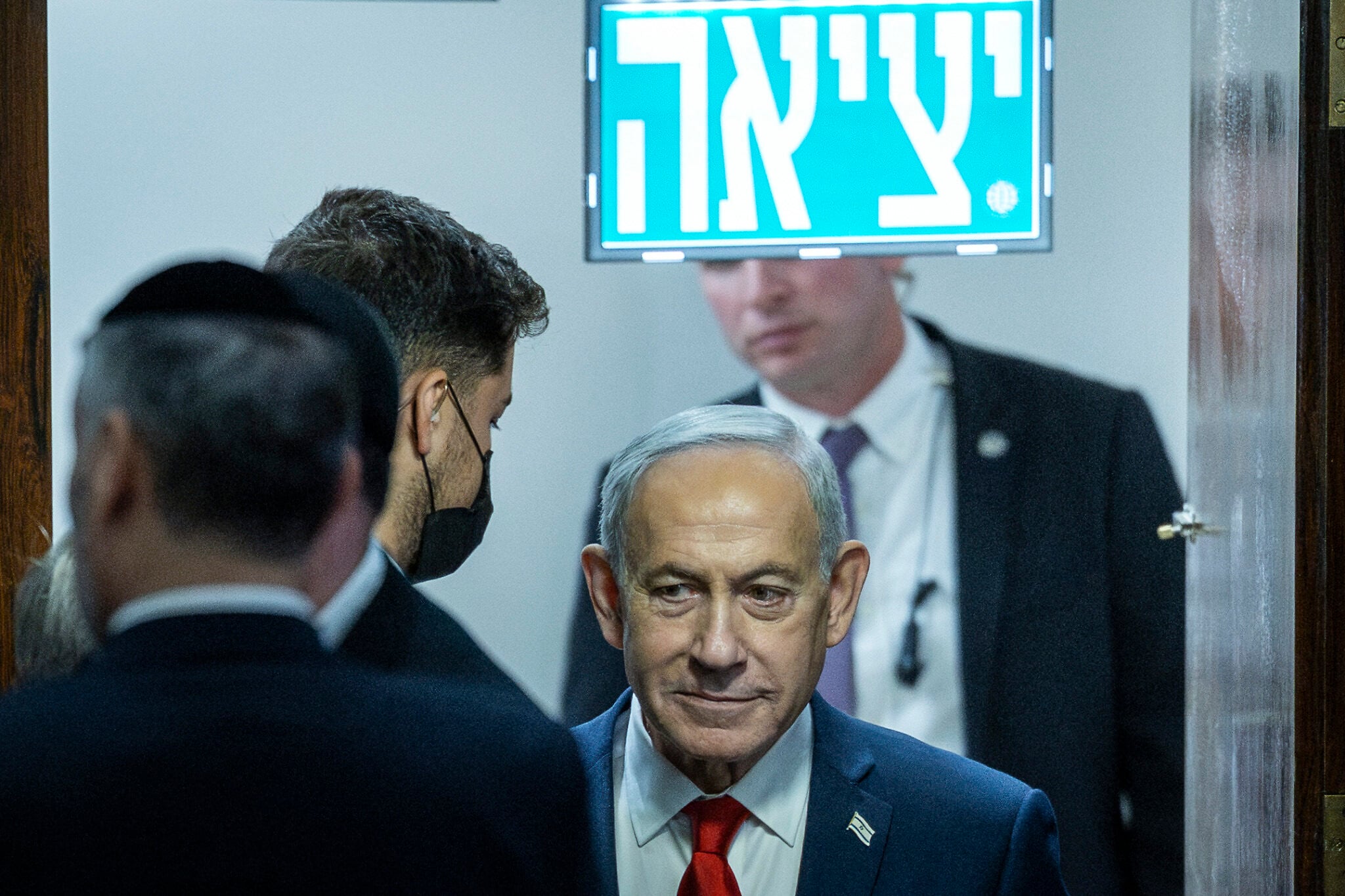
One cynical tactic, well known in the White House as well, is to launch a preemptive military operation that would instill in the anxious Israeli public a desire to see a broad political partnership during a time of security crisis.
Everyone knows who the leading actor in the unfolding political drama is, and the fear is that Netanyahu will not hesitate to use every means at his disposal, including the military, to ensure his political survival.