ADL project documents exclusion of Jews in museums, publishing, entertainment
'State of the Arts' platform ranks art museums, outlines experiences of authors and offers guidelines to cultural institutions to better accommodate Jews
The Anti-Defamation League announced a project on Thursday that documents the exclusion of Jews in US cultural spaces and offered guidance on how to remedy antisemitism in the arts.
The online platform, called “State of the Arts: Advancing Jewish Inclusion in Arts, Entertainment and Culture,” examined Jewish representation in museums, entertainment and publishing, graded museums on their treatment of Jews, and surveyed public attitudes about Jewish representation
The ADL evaluated 40 leading US art museums, ranking them from “critically deficient” to “gold standard.”
The only museum given the highest ranking was the Berkeley Art Museum & Pacific Film Archive, applauded for its antisemitism prohibitions, partnerships with Jewish institutions and representation for Jewish and Israeli artists.
The 12 “critically deficient” museums included the Contemporary Arts Museum Houston, the de Young Museum in San Francisco, the High Museum of Art in Atlanta, the Institute of Contemporary Art (ICA) Los Angeles, the Whitney Museum of American Art in New York City and the Philadelphia Museum of Art.
The report cited issues including a lack of anti-discrimination training and Jewish education programming, and insufficient prohibitions against antisemitism.
Only one of the 40 had recognized Jewish American Heritage Month this year, although 24 recognized heritage months for other groups.
The museum ranking was similar to the ADL’s “Campus Antisemitism Report Card” tracking discrimination at universities, launched in 2024. The ranking system prompted improvements from some of the universities listed.
For publishing, the ADL interviewed 30 authors and industry professionals about their experiences with Jewish identity. The authors said that they had been pressured to remove Hebrew words, Israeli settings and character names that sounded Jewish.
Authors were excluded from festivals and events and harassed online, told by literary agents that they were “too risky” to represent, and bombarded with negative reviews before their books had been released to the public.
The writers said publishers were more receptive to stories about the Holocaust, but hesitant to publish books about Israel, Zionism, contemporary antisemitism or the Jewish experience since the October 2023 Hamas-led invasion of Israel.
“I sent out two batches of queries of my latest novel. One didn’t mention Judaism at all. The second was pitched as a Jewish book. I got ten responses to the first one and zero responses to the second one,” said writer Liza Libes.
Author Meg Keene said a Jewish agent had advised her to “strip out every Jewish element that did not directly drive the plot. That meant cutting Hebrew endearments, scenes in Israel, Jewish practice, a Magen David worn proudly by the protagonist, and references to left-wing antisemitism.”

“She suggested changing the protagonist’s name from Yael to something like Sue. She believed an Israeli name would be a red flag for editors,” Keene said.
Jewish, Israeli and Zionist authors were blacklisted in online campaigns, petitions called to boycott Israeli publishers, and events with Jewish writers were canceled due to complaints about “Zionism.”
For entertainment, the researchers documented 65 cases of discrimination in 41 locations in live music, comedy, dance, film and campus programs.
Protests targeted performers like Matisyahu, Israel’s Batsheva Dance Company and the Israeli Philharmonic. In other cases, the threat of protests caused cancellations due to purported security concerns.
Protesters tend to target Israeli performers or Jews who have exhibited some affinity for Israel or refused to vilify the Jewish state.
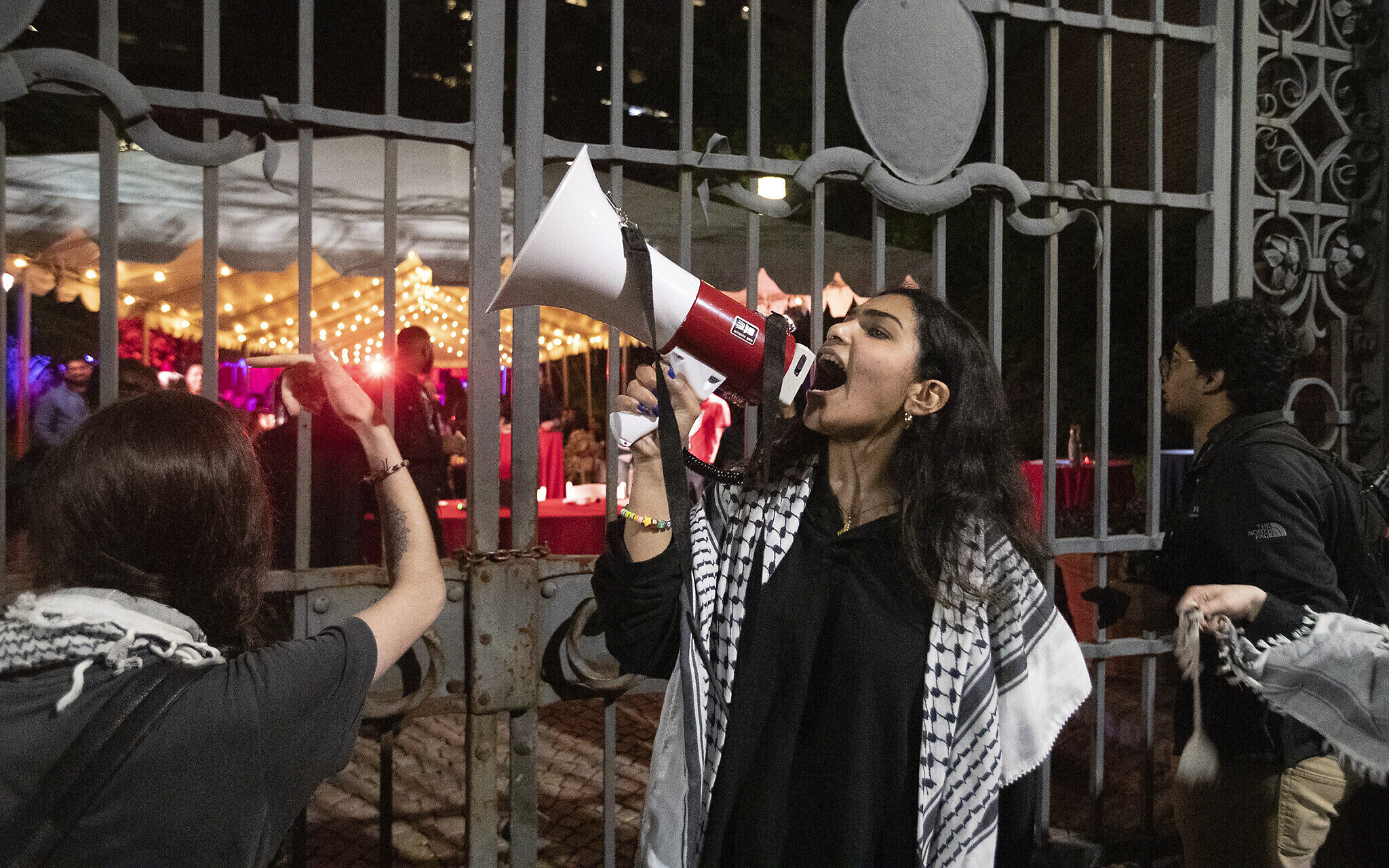
Other examples cited in the report included individuals yelling “Yahood,” Arabic for “Jew,” at a Chicago street performer, protests organized against comedian Jerry Seinfeld, and a protester in a keffiyeh performing a Nazi salute during a Jewish group’s performance at a Seattle festival.
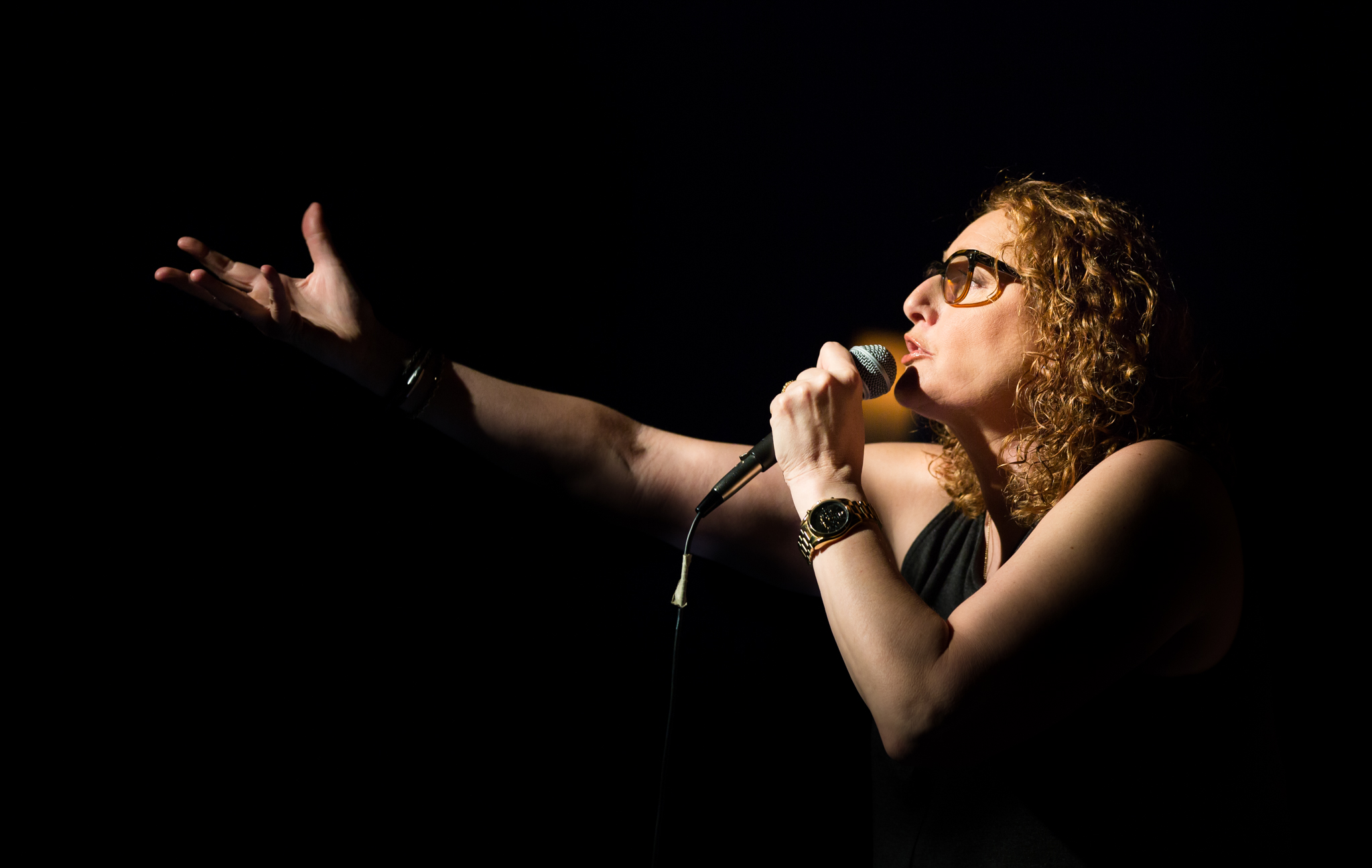
Israeli singer Noga Erez said she had lost international gigs because she is Israeli. Comedian Judy Gold and singer Regina Spektor were heckled during performances, with an attendee shouting, “You’re a Jew,” at Gold, the report said.
The ADL conducted a survey in July of 951 US adults, which found that the public was overwhelmingly accepting of Jews in the arts.
The poll found that 84% of respondents said they would buy a book that interested them even if it included Jewish topics or characters, while 74% said the same for Israeli topics or characters.
A large majority of 88% said they would visit an art gallery showing work by Jewish artists and 87% would attend an event featuring Jewish performers.
Eighty-five percent said excluding Jews from cultural venues “contributes to anti-Jewish hate,” while 72% said the same for Israelis.
Many respondents were also accepting of others’ boycotts, though — 32% said it was “understandable” to avoid art galleries with work by Jews, while 46% said the same for Israeli artists.
The platform offers a guide to best practices and resources for cultural institutions, with instructions for art museums, entertainment venues, literary agents and publishers, authors and readers.
Among the suggestions were that art museums include anti-discrimination training covering antisemitism for staff, that authors document in detail all instances of antisemitism, and that readers preorder upcoming Jewish books and provide positive reviews to Jewish authors.