After more than a week, Tel Aviv train stations reopen
The shutdown of three main stations for construction for the Jerusalem-Tel Aviv express line caused massive traffic delays in the area
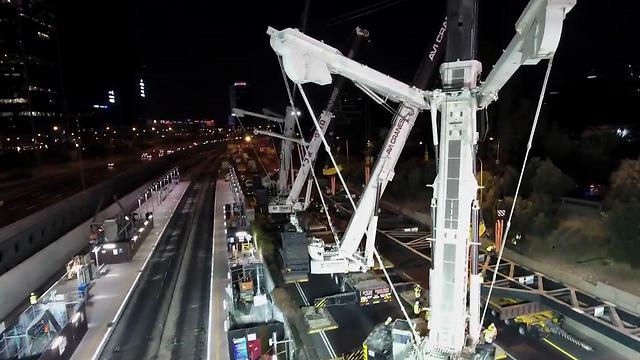
Three of Tel Aviv’s train stations reopened Sunday after being shut for 10 days for construction work for the Jerusalem-Tel Aviv express line
Tracks at the Herzliya, Savidor, and University stations reopened at 4 a.m. The closure had caused serious traffic problems in the area.
Workers dismantled and reassembled the tracks for the Jerusalem-Tel Aviv express train, solidifying the electricity infrastructure for the line’s much-anticipated April 2018 launch.
“Alongside work at the Herzliya station and connecting the infrastructure to operate the high-speed line to Jerusalem, we also inspected the tracks that had already been laid on the line, and for the first time, a freight train traveled on them,” said Israel Railways CEO Shahar Ayalon.
“We are also preparing to receive the first electric train, which will soon arrive in the port of Haifa,” he added.
Last Sunday, the train connecting the capital to Tel Aviv made its first test run, with the line’s journey time expected to take only 28 minutes.
The Tel Aviv-Jerusalem rail project, which is projected to cost an estimated NIS 7 billion ($1.8 billion) and has been in the works since 2001, will cut travel time down significantly from the 78-minute ride on the old line built during the days of the Ottoman Empire.
The trains will reach speeds of up to 160 kph (100 mph). When fully operational, they will depart every 15 minutes in each direction, carrying up to 1,000 passengers each.
The massive public works project has faced many hurdles since planning started 15 years ago. Originally slated to be completed in 2008, environmental activists stalled the plans after raising a number of concerns about potential damage to the protected hills and valleys surrounding the capital.
The high-speed rail line also crosses the Green Line twice, once near Latrun and once near Mevasseret Zion, inviting criticism from the Israeli left and pro-Palestinian groups. A German company advising the project withdrew in the face of pressure from activists.