After primary, Jewish Home head sets sights on premiership
Rival parties pan Naftali Bennett's roster as politically extremist and representing a 'medieval religious fundamentalism'
Buoyed by the results of primary elections that confirmed his position as Jewish Home party leader, Economy Minister Naftali Bennett said Thursday that he could see the day when his national religious party will be running the country.
“The day is coming on which the Jewish Home will lead Israel because there is no other option,” he said at a press conference.
Bennett celebrated the party’s increase in support as well as the success of secular female MK Ayelet Shaked, who came in at the top of the party list in a political faction that in the past was dominated by religious men.
“If you would have told me two years ago that a party that didn’t make it past the threshold will be the second largest I wouldn’t believe it,” he said. “If you would have said to me that a secular woman from Tel Aviv would be first on the party list I wouldn’t believe it.”
Jewish Home had some 77,000 party members eligible to vote in Wednesday’s primaries, making it second only to the Likud with 125,000 members.
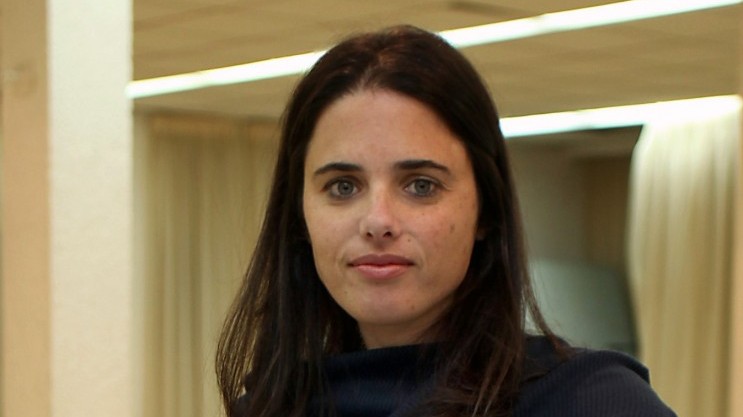
Shaked told the Walla website that her success showed the party’s voters were not basing their choices just on religious identity.
“The voting public of the party proved that it chose a varied list,” she said. “The fact that they placed their trust in me said that the voters judged people by who they are and not the size of their kippa. They chose excellent people and the list until the 20th place is very attractive.”
The non-religious Shaked, a freshman politician in the last elections who has led the party’s drive to present a more secular and modern image, was trailed by Deputy Religious Affairs Minister Eli Ben-Dahan, Knesset Finance Committee chief MK Nissan Slomiansky and Pensioners Affairs Minister Uri Orbach.
Rival parties poured scorn on the party list, which they accused of being a roll-call of extremist politicians.
The Yesh Atid party, which was a coalition partner with Jewish Home in the previous government, criticized Bennett’s party for its unwavering support of the settler movement.
“The Jewish Home chose an extreme list which will prefer to spend millions of shekels on a hill near Beit El or a road around an isolated settlement instead of on the Israeli middle class,” Yesh Atid said in a statement.
Leader of the hard-left Metez party MK Zahava Gal-on denounced Jewish Home as fundamentalist.
“There is nothing new in the Jewish Home,” she said. “The list that was chosen reflects the deadly mix of medieval religious fundamentalism and dangerous cynical nationalism. The revelation of the list tears away the mask that Bennett tried to put on his party.”
Gal-on called on parties in the center of Israel politics to not enter into a future coalition with Likud or Jewish Home.
The right-wing nationalist Jewish Home party is projected by most polls to get about 15 seats in the upcoming March 17 elections.
The party recently came under fire over a video in which members spoke out against equal marriage rights for same-sex couples.
However, Shaked defended the position during her interview with Walla.
“We love all of the Jewish people,” she said. “But you have to understand that as representatives of religious Zionism, we can’t agree to single-sex marriage and we did not hide that.”
The most up-to-date (but still tentative) Knesset slate for Jewish Home is as follows:
1. Economy Minister Naftali Bennett
2. Housing Minister Uri Ariel
3. Jewish Home faction chair MK Ayelet Shaked
4. Deputy Religious Affairs Minister Eli Ben-Dahan
5. MK Nissan Slomiansky
6. Pensioner Affairs Minister Uri Orbach
7. Yinon Magal
8. Shuli Moalem
9. Bezalel Smotrich
10. MK Moti Yogev
11. Deputy Education Minister Avi Wortzman
12. Nir Orbach
13. Avichai Rontzky
14. MK Orit Strock
15. slot reserved for a female candidate
16. Ronen Shoval
17. slot reserved for a female candidate
18. Zevulun Kalfa
19. Avichai Buaron
20. Moshe Solomon
21. Dani Dayan