AG: Fraud probes have turned up nothing that would ‘even remotely’ affect election results
'It is not a matter of Jew or Arab': Baharav-Miara and State Attorney Aisman stress that interrogations can only be initiated with supporting evidence
Attorney General Gali Bahrav-Miara said on Sunday that she had not seen anything in the investigations of possible election fraud that would “even remotely” influence the outcome of last month’s vote.
The attorney general’s comments came against the backdrop of two investigations into possible electoral misconduct, and her recent objection to a request by Shin Bet chief David Zini to question three leaders of Arab political parties without having provided the necessary evidence for such interrogations.
The investigations have roiled the country, with the Likud and other right-wing parties claiming, without supporting evidence having been released, that the elections were “stolen.” Yashar party leader Gadi Eisenkot has accused those parties of exploiting the situation to illegitimately undermine trust in the elections. Senior law enforcement officials have themselves reportedly accused Zini of political motivations over his conduct of the investigation.
“I am not aware of any basis that could, even remotely, influence the election results or substantiate a claim of influence capable of altering the outcome,” Baharav-Miara said at a Justice Ministry seminar in Eilat on Sunday night, and added that any new information would be properly examined.
“When an evidentiary basis exists, those who need to be questioned will be questioned. This is not a matter of right or left. It is not a matter of Jew or Arab. The decision whether to investigate an individual is a professional, objective, and equitable one. That is how it has been, and that is how it will continue to be,” she continued.
Baharav-Miara said that the Central Elections Committee’s chairman, Deputy Supreme Court President Noam Sohlberg, was monitoring the situation “professionally, impartially, and responsibly, and out of a deep understanding of the importance of electoral integrity and public trust in the process,” and would be kept updated by her office.
Speaking at the same event, State Attorney Amit Aisman made similar comments, insisting that no citizen can be questioned by law enforcement agencies without an evidentiary foundation.
“In a democratic state, a decision to initiate an investigation requires an evidentiary foundation that justifies it — all the more so when the decision involves questioning an individual, anyone at all, under caution,’” said Aisman.
The Shin Bet and other agencies are currently probing allegations that one or more foreign states funneled money to the Joint List of Arab parties through disguised donations, while the police are investigating separate allegations of vote-buying in the Negev.
Channel 12 news reported on Saturday night that the two electoral fraud investigations were falling apart, and that the vote-buying case will soon be closed.
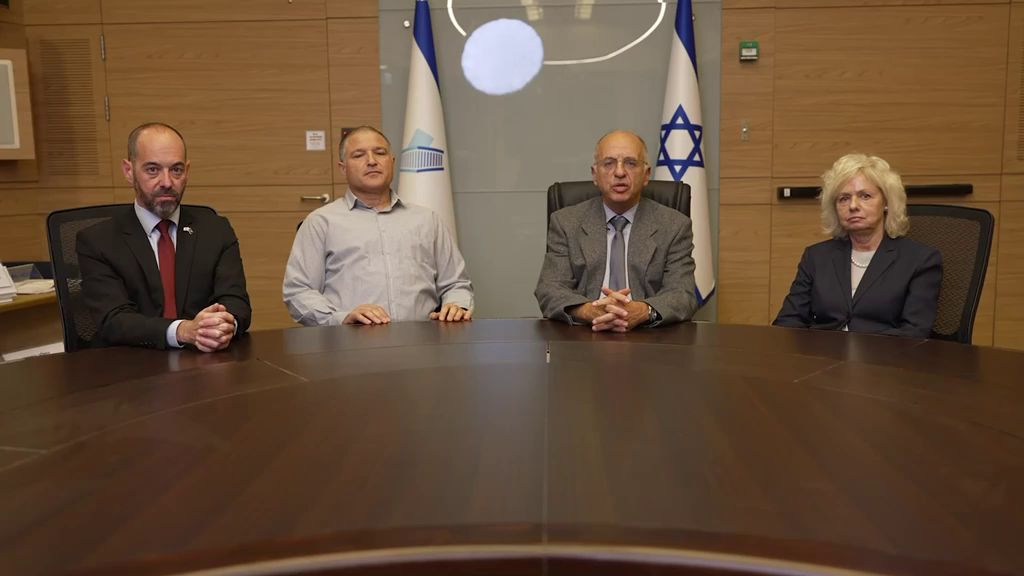
Sohlberg, the Central Elections Committee chairman, has said on several occasions that even if proved to be true, the extent of the alleged electoral fraud would not be great enough to influence the election results.
Despite this, Prime Minister Benjamin Netanyahu and his allies have cast aspersions on the validity of the vote and claimed that the election was “stolen.” Likud is preparing to appeal the results of the recent election — either in part or in whole — based on allegations that Arab political parties used electronic means of tracking voters to boost turnout in a manner banned by the High Court of Justice, the party’s lawyer told The Times of Israel on Saturday.