All that glitters is gold in new Tower of David exhibit
Contemporary art and archaeology are brought together in 'GOLD,' with works by 16 Israeli artists
Jerusalem of gold — the color, the metal, and its different meanings — is the focus of a new exhibit at the Tower of David Museum in the capital.
“GOLD” brings together 16 Israeli artists and works, ranging from 2,000-year-old pieces to contemporary works, and will be on display through March 2027.
“‘Jerusalem of Gold’ didn’t only belong to Naomi Shemer,” said museum director Eilat Lieber, referring to the classic 1967 song of that name written by the iconic singer-songwriter three weeks before the outbreak of the Six-Day War, which led to Israel’s capture of East Jerusalem and subsequent reunification of the city.
“It’s such a complicated time when we’ve experienced so many crises: pandemic and judicial reform and war, and people look for light,” said Lieber. “That’s the point of this exhibit; the works in this exhibition search for light within darkness, and it is in the tension between shadow and beauty that they lift us from the everyday toward the sublime.”
Housed in the renovated museum’s new entrance gallery, the exhibit includes well-known names in the Israeli art world. They include three generations of the Gershuni family, with Moshe Gershuni, his son Aram Gershuni and granddaughter Alma Gershuni participating, as well as Nelly Agassi, Dafna Shalom, Yoav Brenner, Lilac Sasson, Joshua Borkovsky, Gabriel Klasmer, Mosh Kashi and others.
The artists in the exhibit, from veteran creators to younger makers, are united around a single material: gold. They each use gold differently — in paint, in gold leaf and gold powder, and in textiles, too.
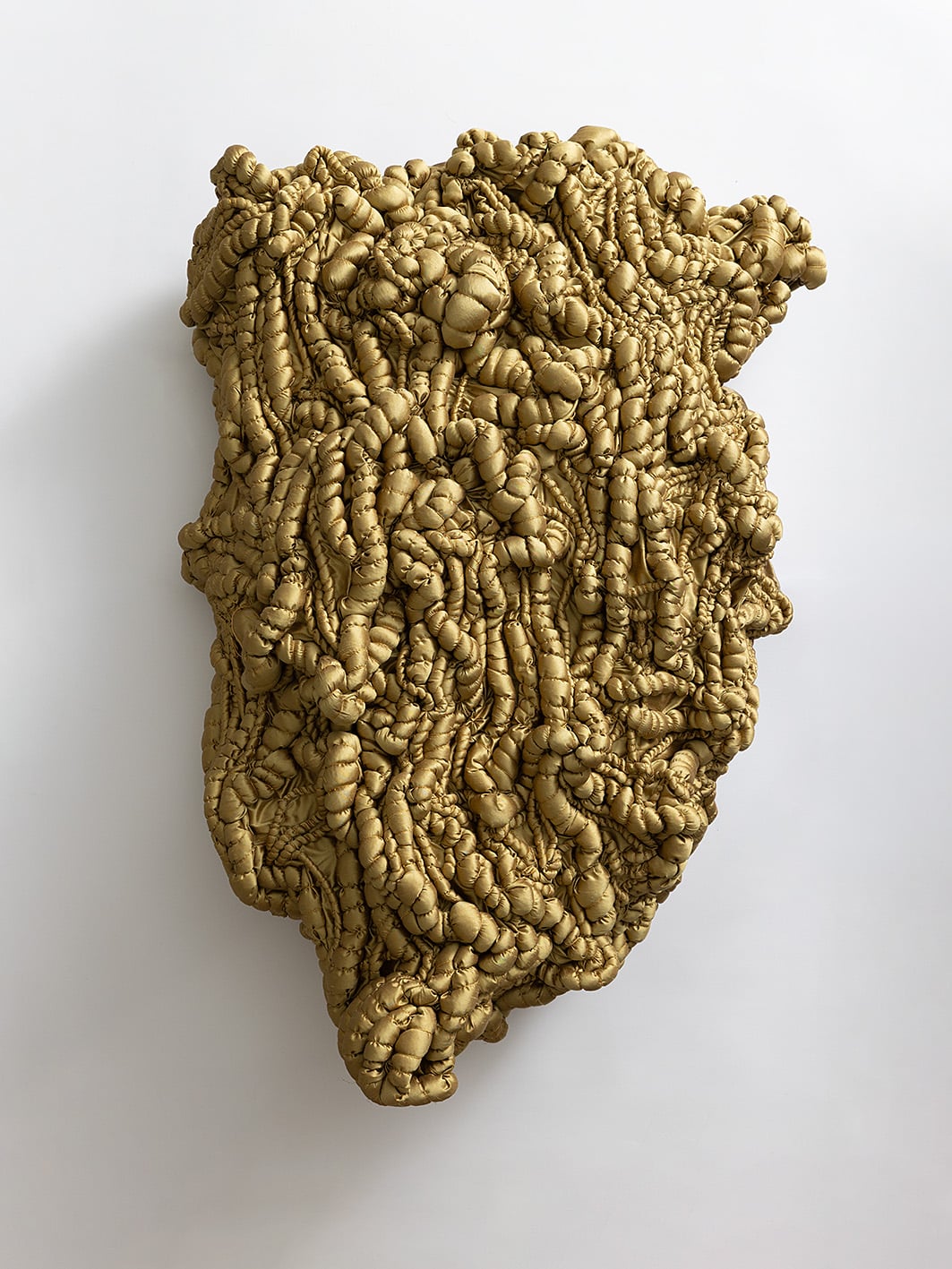
Nelly Agassi’s twisted golden coils resembling the human heart offer a sculptural entry, near Mosh Kashi’s porcelain ball, covered in 24-karat gold.
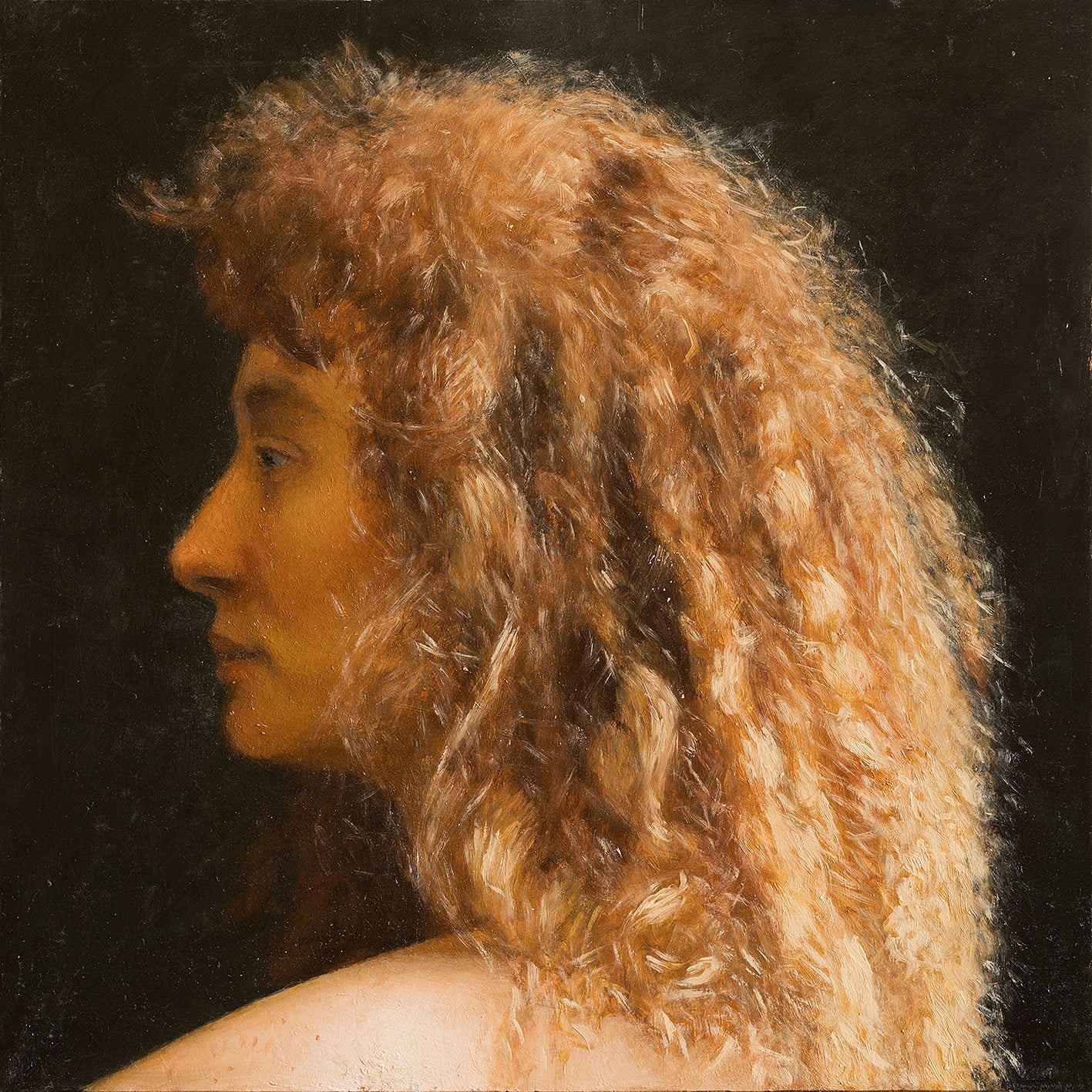
There are paintings as well, including Aram Gershuni’s 2024 oil portrait of a golden-haired redhead, and his daughter’s clay relief of a man wearing a golden helmet.
All that is gold is not necessarily auspicious, noted curator Marie Shek during a tour through the exhibit.
A Moshe Gershuni painting, “Here is the Boy,” was painted the day after the 1995 assassination of prime minister Yitzhak Rabin, in dark oils with golden tones, perhaps to show glimmers of light.
Gold is a symbol of holiness and spirituality for some of the artists, and a way of showing power for others, said Shek.
At the back of the gallery is Lilach Sasson’s “The Iranian Series,” a row of book-sized metal boxes, inset with photographs decorated with gold leaf, creating a sense of mystery around what is shown and what is hidden.
In the midst of the contemporary works are two vitrines holding ancient golden jewels, a collection of coins and rings from the Hellenistic, Roman and Byzantine periods.
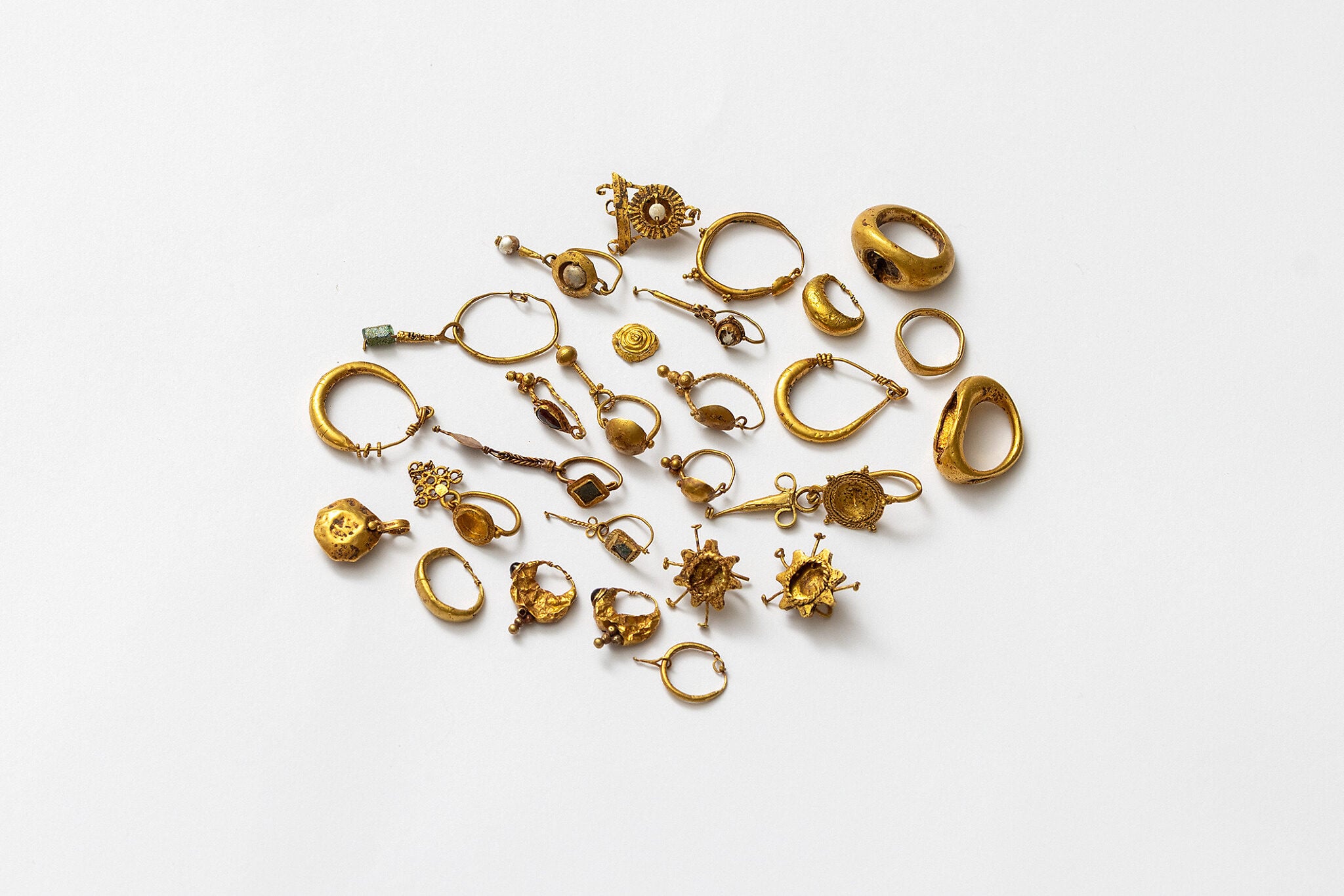
Some of the Byzantine-era coins in the exhibit were found in a gold hoard discovered in an archaeological excavation in the Tower of David during the 1980s, said Ravit Nenner-Soriano, the museum’s curator of archaeological artifacts.
For Shek, “GOLD” is her last exhibit as a curator, and she aimed to show gold as a healing material and a symbol of eternal beauty in this final project before her retirement.
“Even within a complex reality, there is room for beauty — and for hope that the world can be more beautiful,” she said.