Amid war failures, Iranian passes bill allowing non-clerics to be intelligence minister
Push to shake up intelligence system comes after major gaps exposed; previous intel minister Esmail Khatib killed in recent war and no permanent replacement has been named
Iran’s Supreme Leader Ayatollah Mojtaba Khamenei has ordered a shake-up of the country’s intelligence system, said parliamentary speaker Mohammad Bagher Ghalibaf, after incidents in recent years exposed major gaps in Tehran’s security and intelligence apparatus.
The government should not delay appointing a permanent minister once legislation to overhaul the institution has passed a review by the constitutional watchdog body, the Guardian Council, Ghalibaf said on Sunday in a video shared on Telegram.
The new legislation, which still needs final approval, eases a requirement in place for more than four decades that candidates have advanced qualifications in Islamic law.
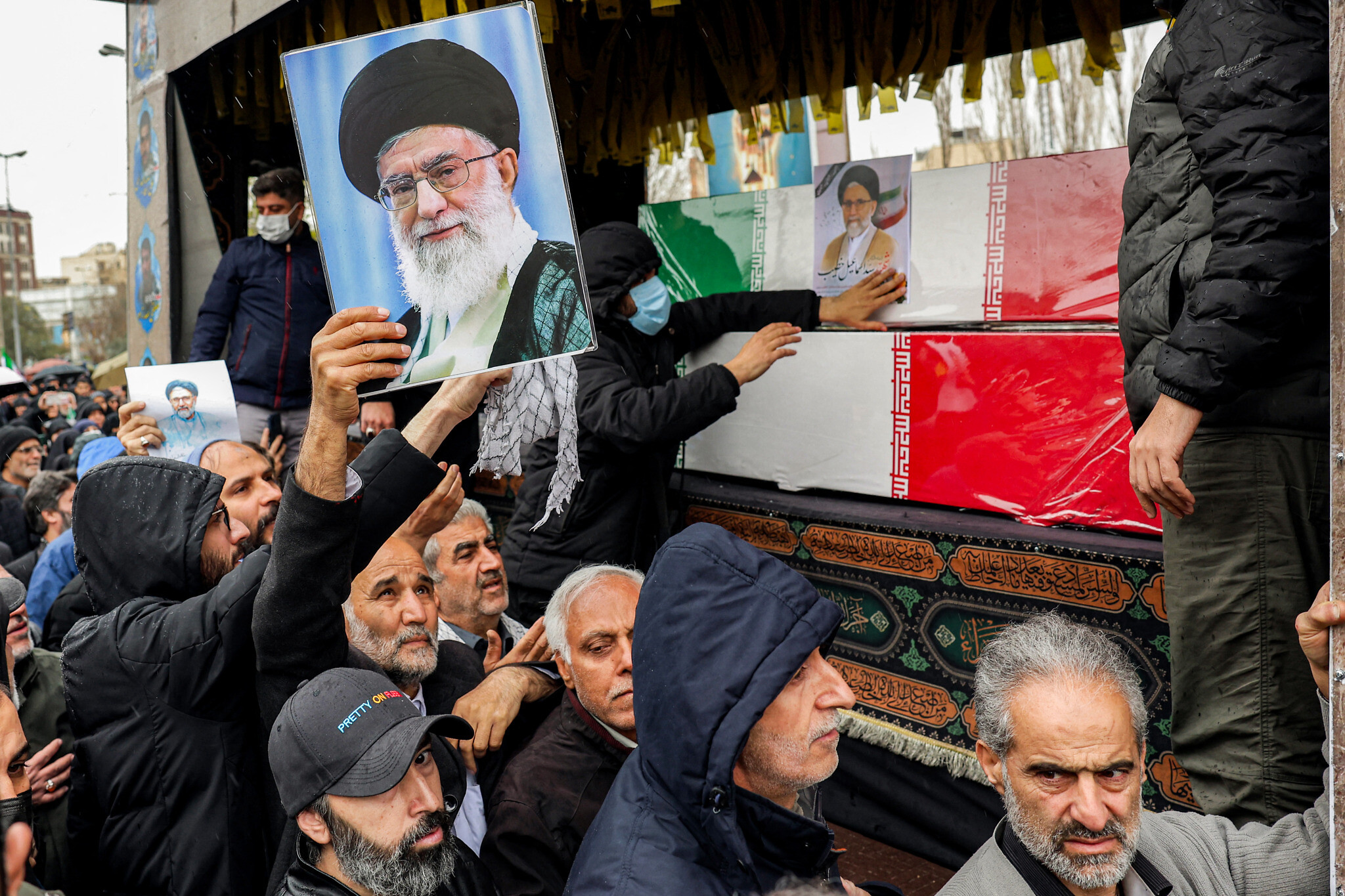
Esmail Khatib, Iran’s last intelligence minister, was killed in an Israeli strike on March 18 this year.
On March 22, days after his death, an Iranian presidential spokesman announced the appointment of an acting intelligence minister without disclosing his identity.
No permanent successor has been named. The hardline cleric and politician worked in the office of former supreme leader Ayatollah Ali Khamenei before heading the civilian intelligence apparatus from August 2021.
Khamenei, who was killed during US-Israeli strikes at the start of the Iran war, was Mojtaba Khamenei’s father.
Israeli intelligence penetration inside Iran was demonstrated by operations including the 2020 assassination of nuclear scientist Mohsen Fakhrizadeh and the 2024 killing of Hamas leader Ismail Haniyeh in Tehran.
It was further exposed during the 12-day war in June 2025, when Israeli operatives inside Iran helped target air defenses, missile launchers and senior military commanders.
Ghalibaf said the Iranian parliament had initially asked the government to submit a bill on the restructuring of the intelligence ministry but took up the issue itself after delays.
Lawmakers approved the bill’s general outline on Sunday and began to consider provisions that include broadening eligibility for the intelligence minister’s post.
The amended eligibility requirements now allow the appointment of non-clerical candidates with a master’s degree, expertise and experience in intelligence affairs and at least 10 years of middle- or senior-management experience, alongside candidates qualified in ijtihad, or independent Islamic legal reasoning, Iranian state media reported.
The previous law, in place since 1983, required the minister to have religious education at the level of ijtihad, without giving an alternative.
In Shia Islam, ijtihad is an advanced level of expertise in Islamic jurisprudence that enables a scholar to independently derive religious legal rulings.
It was not immediately clear how many lawmakers voted in favor of the legislation.