Ancient tunnels that helped Jewish rebels evade the Romans now open for tourists
Horbat Burgin, in the Judean foothills, features underground passageways used to evade Roman forces, colorful church mosaics and remains spanning more than 2,000 years
The story of Horbat Burgin begins during the Second Temple period, when the site was home to a large village that some researchers have suggested may be Caphar Bish, a settlement mentioned by the first-century Jewish historian Flavius Josephus.
In the Early Roman period, extensive networks of rooms and tunnels were hewn into the bedrock as the inhabitants prepared for conflict with the Romans.
“The stone is very soft here in the Shphela [lowlands] region, so every house had underground rooms and shelters,” said Amir Ganor, one of the IAA researchers who led the excavations. “During the time of Bar Kochba’s rebellion, they connected all of these with tunnels so they could easily hide and flee from the Roman army.”
Now, the archaeological complex — featuring underground hiding tunnels used by Jewish rebels during the Roman period and a Byzantine-era church decorated with colorful mosaics — has been opened to the public for the first time. Some of these tunnels are preserved for visitors to climb through today, with about 200 meters accessible underground, Ganor noted.
Horbat Burgin, located within Adullam–France Park south of Beit Shemesh, is one of the largest archaeological sites in the area of the Judean foothills, with numerous periods of settlement between the second century BCE, during the Second Temple period, and the Ottoman Empire of the 19th century CE, said Ganor.
Ganor, along with Alon Klein and Peter Gendelman, began excavating the site in 1995 in response to looters who were constantly digging through the ruins and selling artifacts they discovered on the black market, Ganor said.
“Once we started to dig here, the looting stopped,” Ganor said. “This is what we need to do at all archaeology sites that suffer from looting.”
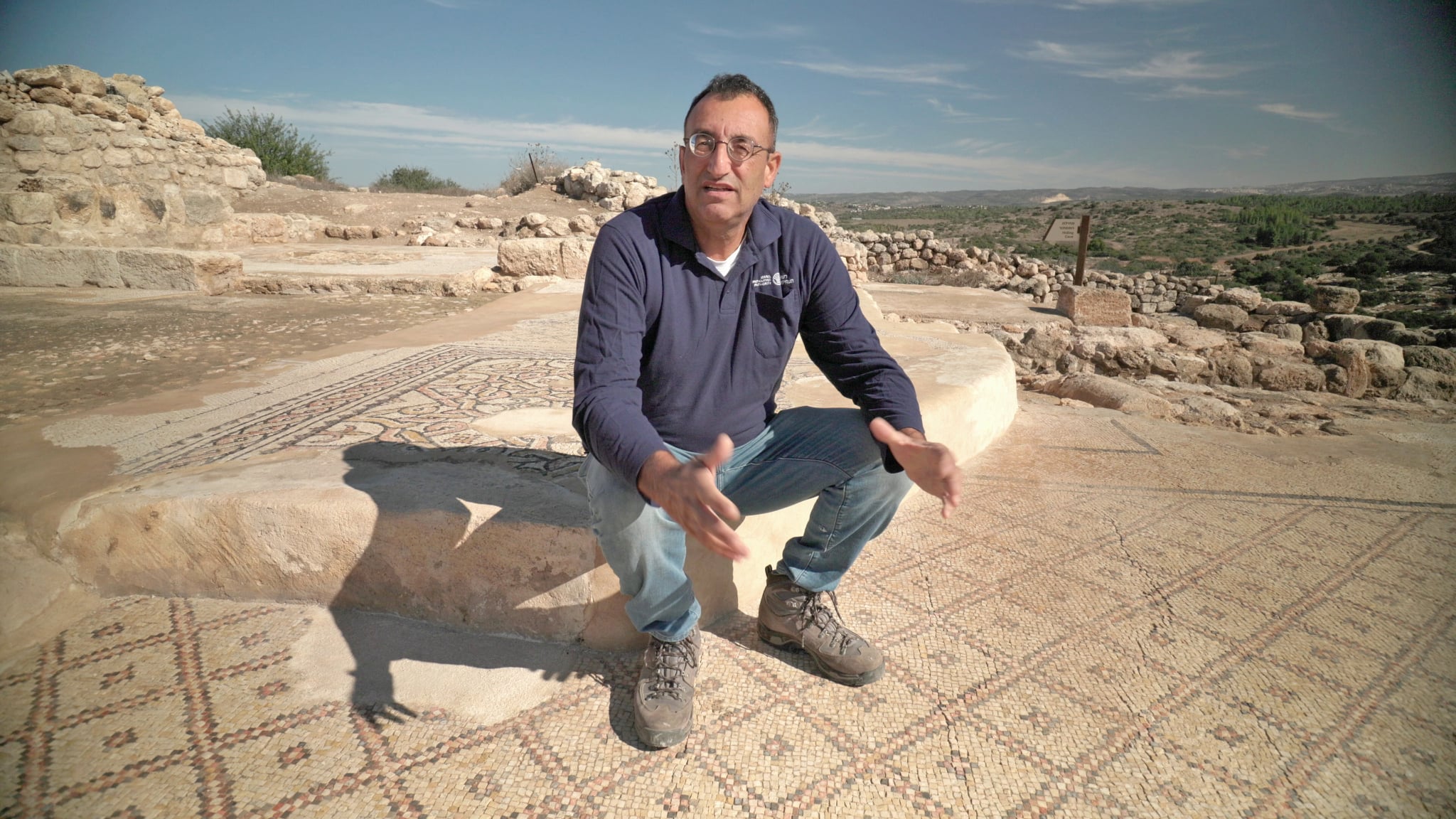
The site was excavated, conserved and developed as a public site by KKL-JNF, the Israel Antiquities Authority and the Mateh Yehuda Regional Council, according to an announcement by the IAA.
From Jews to pagans to Christians to Muslims…
After the Jewish revolt was quashed by the Romans, a pagan population settled among the town’s ruins, constructing new buildings above ground and hewing elaborate burial complexes beneath it.
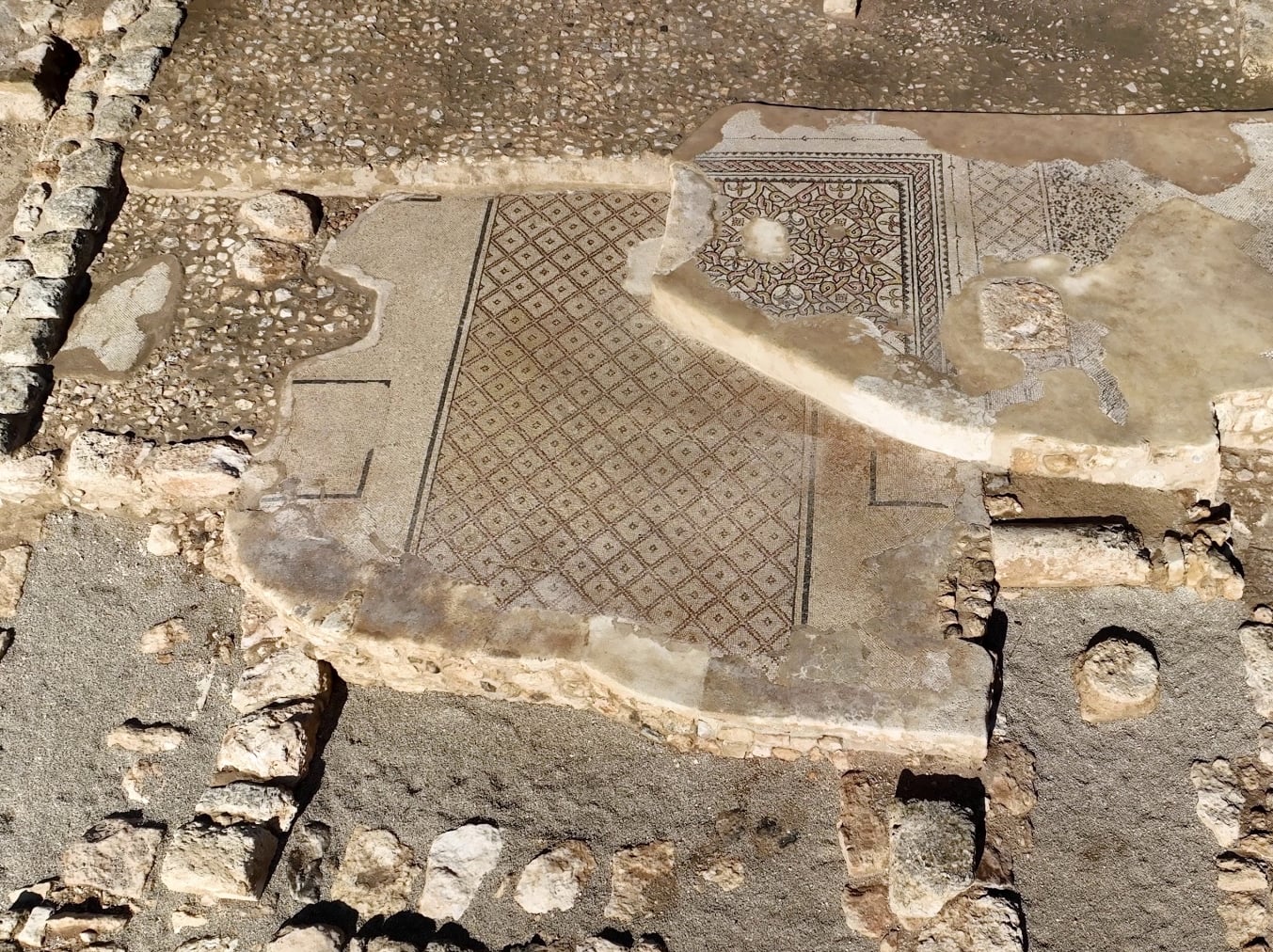
During the Byzantine period, a large church was built at the site, featuring colorful mosaic floors, alongside a monastic complex. Numerous columbaria, structures used for raising pigeons, and winepresses discovered in the area point to an economy based on pigeon breeding, agriculture and wine production.
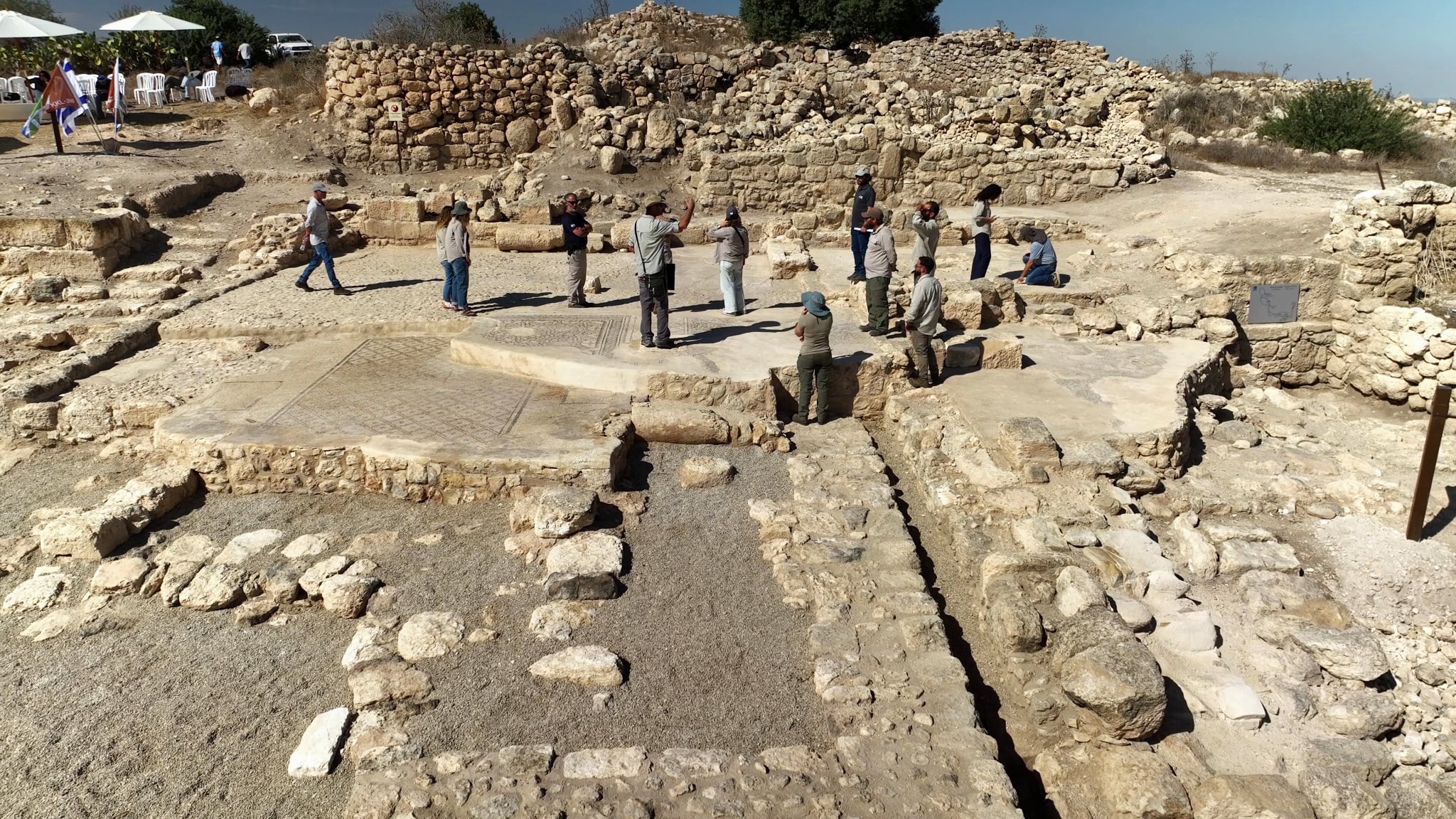
The area was still inhabited during the beginning of the Islamic period, and, as its Christian population became Muslim, figures on the Church’s mosaic floor were destroyed due to the nascent movement’s prohibition against such images, Ganor said.
The settlement became Christian again during the Crusader period, and was inhabited by locals under Mamluk and Ottoman rule until it was abandoned and destroyed in the 18th century, Ganor said.
For years, the site suffered extensive antiquities looting, with thieves breaking into burial caves and underground hiding systems and damaging ancient structures, he said.
It was only through intensive efforts by the IAA and KKL-JNF — including the establishment of the Adullam Caves Park and archaeological excavations there —that further damage was halted, Ganor said.
“Now, following conservation work, it can be enjoyed by the public.”