Anti-Israel activists accused of ‘hijacking’ UK’s Remembrance Day with ‘Palestine Poppy’
Various public figures slam pro-Palestinian version of national remembrance symbol, saying the initiative is disrespectful to war victims and 'designed to divide rather than unite'
A pro-Palestinian, anti-Israel initiative to sell a Palestinian-themed version of Britain’s national remembrance symbol has drawn outrage in the United Kingdom and accusations of politicizing next month’s Remembrance Day.
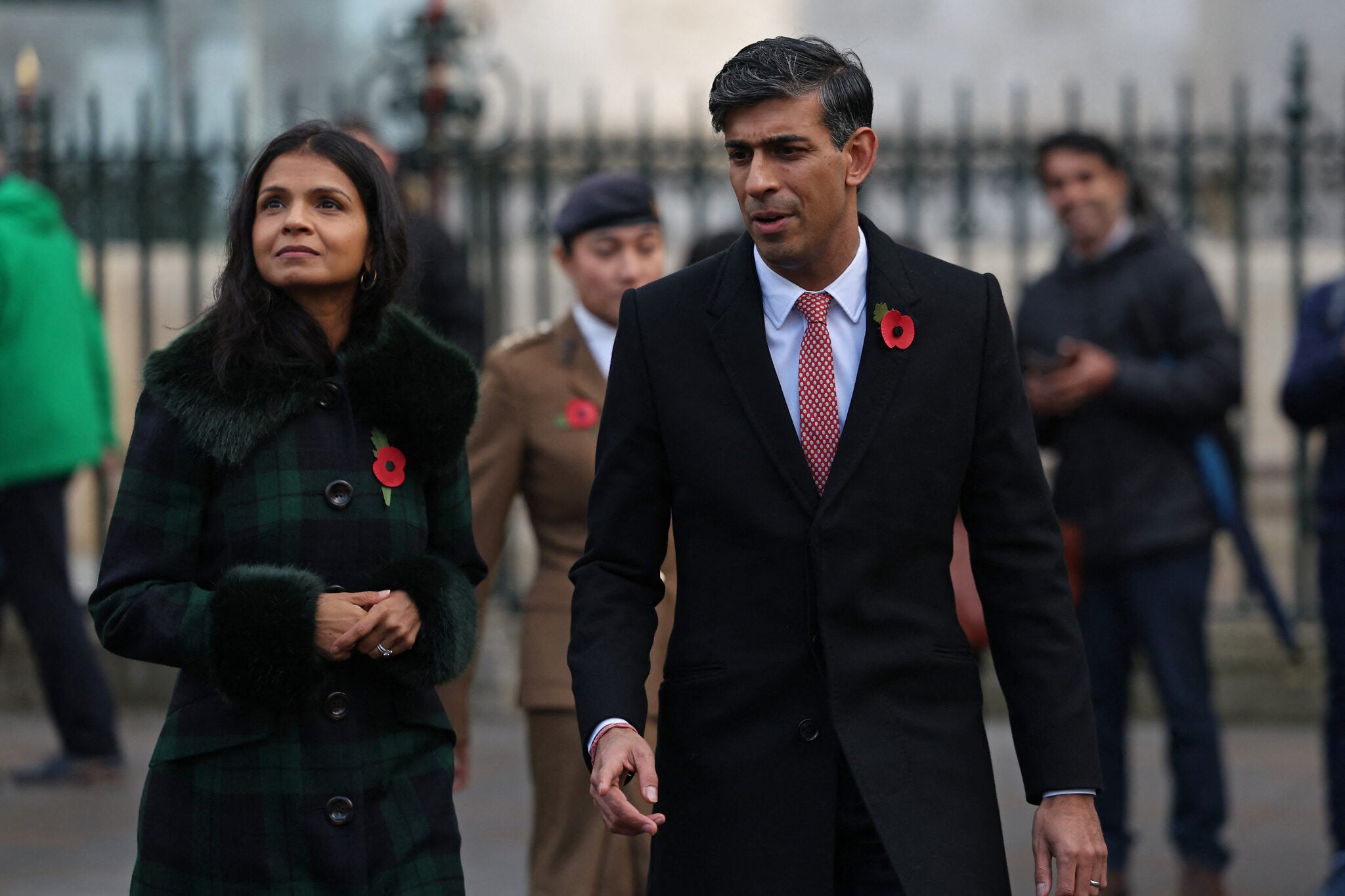
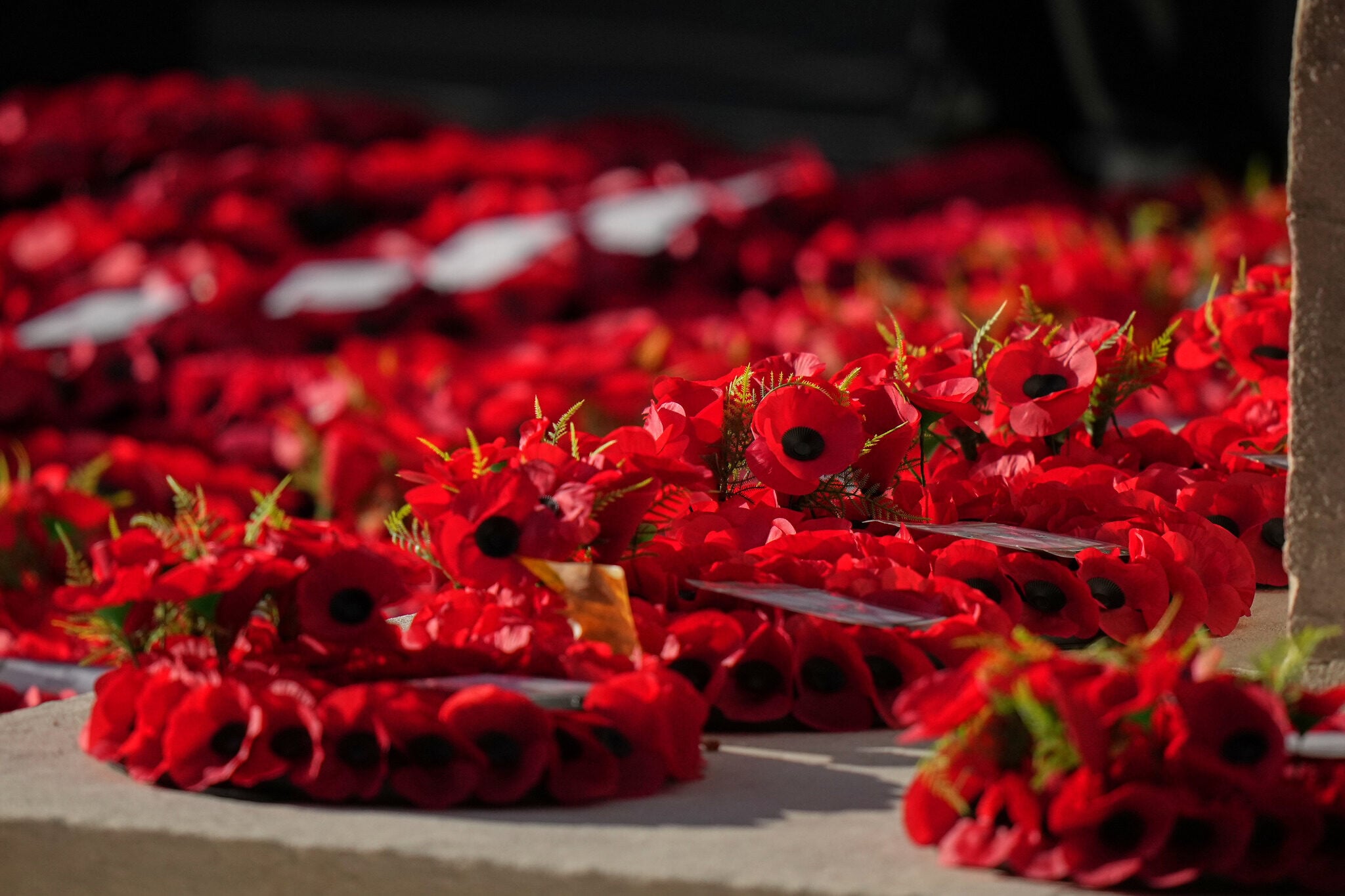
Remembrance Day, marked on November 11, and November 8’s Remembrance Sunday commemorate the British Commonwealth’s fallen soldiers and veterans. Observed on Armistice Day — the anniversary of the end of World War I — the day is traditionally marked in Commonwealth countries by the remembrance poppy symbol — shaped like a red poppy flower — as a sign of remembrance and hope, inspired by the poppies that grew over the mired battlefields in Flanders after World War I.
Pro-Palestinian activists have now designed an alternative “Palestine Poppy” wearable pin, resembling the traditional remembrance poppy but featuring the colors of the Palestinian flag.
They are being sold for £1.74 ($2.32) each, and promoted via a website that presents them as “a symbol of solidarity and remembrance for the ongoing struggle of the Palestinian people and their fight for justice.”
The website adds that the badge is “in commemoration of the hundreds of thousands of innocent Palestinian men, women and children killed, and the millions displaced during the Gazan Genocide of 2023-2025,” and envisions it becoming “an anti-apartheid symbol.” Israel vehemently rejects both the “apartheid” and the “genocide” charges in the war against Hamas launched after the October 7 massacre.
The website includes a video featuring the slogan “From the river to the sea, Palestine will be free,” widely criticized as a call to eliminate the State of Israel.
The profits from the “Palestine Poppy” sales are meant to go toward pro-Palestinian groups such as Friends of Al-Aqsa, a controversial nonprofit that has been accused by Britain’s Home Office as “far-Left and Islamist,” with its founder having defended Hamas as “no terrorist organization,” met its then-leader Ismail Haniyeh, and praised him as a “martyr” after he was killed in an Israeli strike. The group was banned last month from a Labour Party conference due to backlash.
British media quoted various public figures condemning the initiative.
“In effect it’s trying to hijack [or] ride on the coat-tails of the familiar red poppy,” army veteran, defense analyst and political commentator Lt. Gen. Stuart Crawford told GB News.
“The Remembrance poppy is avowedly apolitical… and commemorates our war dead by bringing people together in the act of remembrance,” he said. “The so-called ‘Palestine Poppy’ is about as far away from remembrance as it’s possible to be. It is unashamedly political, designed to divide rather than unite.”
Former Royal Navy officer Stuart Fawcett told the People’s Channel: “Now, we see them hijacking our national symbol of remembrance. Nothing is sacred to this mob that makes a pursuit of distorting the truth.”
Shadow Defence Minister David Reed said: “The greatest disrespect we can show to those who sacrificed their lives for us is to turn their remembrance into a political battleground. The fallen deserve our gratitude, not our agendas. This must not go unchallenged. I will be making sure to tell anyone I see wearing this badge exactly what I think, and I implore others to do the same.”
Reform UK party leader Nigel Farage said on X: “These people have no respect for our country.”
The Royal British Legion, the organization that sells around 35 million paper poppies and badges every year, says the traditional red poppy is a “peace inclusive of all and importantly the red poppy raises funds to support our Armed Forces, veterans, and their families in their time of need.”
A spokesperson for the charity told GB News: “People are free to choose to wear different poppies.”