Antiquities looters caught in ancient Judean cistern, IAA says
Six suspects allegedly dug 9 meters underground at an archaeological site near Mevo Beitar, causing irreversible damage
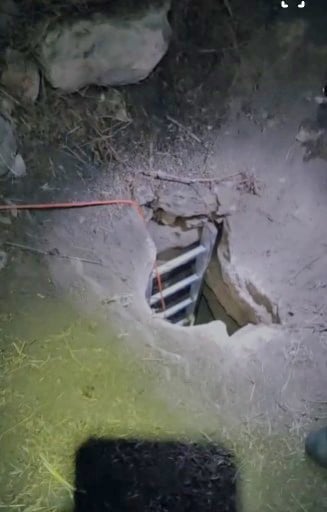
Six suspected antiquities thieves were caught last weekend as they dug nine meters (30 feet) underground inside an ancient cistern in the Judean Hills, the Israel Antiquities Authority (IAA) said Wednesday.
They were arrested during an operation by the authority’s Theft Prevention Unit at Horbat Adash, an archaeological site near Mevo Beitar, in Begin Park.
The suspects were found working with a generator, electric jackhammer, augers, digging tools, a long ladder and lighting equipment, the IAA said. Other members of the group allegedly sat beside a lit campfire above ground to make their activities look like an innocent picnic, it added.
Horbat Adash is a declared archaeological site on the remains of a settlement that existed for nearly 1,000 years, from the Second Temple period in the first century BCE through the Early Muslim period. Previous discoveries at the site include a public ritual bath, water systems, industrial installations and an Early Muslim-era building that served as a mosque.
Inside the cistern, inspectors discovered hundreds of pottery fragments, several stone vessels and part of an animal-shaped vessel dating to the Early Muslim period (seventh to eighth centuries CE). The variety of finds suggests the cistern eventually ceased to function as a water source and was used as a refuse pit.
The illegal excavation caused irreversible damage, destroying sections of the cistern’s walls and floor and breaking ancient plaster layers that had remained intact for centuries, the IAA said.
The suspects were arrested on suspicion of damaging an antiquities site, an offense punishable by up to five years in prison. Following police questioning, the case will be transferred to prosecutors to consider filing indictments.
“Unfortunately, legends about ancient treasures hidden in archaeological sites have recently become widespread on social media,” said Amir Ganor, director of the authority’s Theft Prevention Unit.
“These stories encourage people to go out and dig without a permit at archaeological sites, hoping to get rich quickly. However, the reality is completely different: Illegal excavations cause irreversible damage to archaeological sites and findings.”