Arkia joins Israir in halting Marrakech ticket sales as new Israeli security rules loom
Move follows request from Israeli authorities, in wake of last month’s flydubai attack; direct flights on Israel-Morocco route only resumed in August after nearly 3 years
Israeli charter airline Arkia has suspended ticket sales from Tel Aviv’s Ben Gurion Airport to Marrakech, Morocco, until further notice, following a similar move by rival Israir earlier this month.
The freeze comes as new security directives are expected to apply to flights operated by Arkia and Israir using leased foreign aircraft and crews, in the wake of last month’s terror attack on a flydubai airliner traveling from Dubai to Tel Aviv.
Arkia said the suspension was made at the request of Israeli security authorities. The airline, which currently operates two nonstop weekly flights to Marrakech, is expected to keep flying the route until the end of October. Passengers booked for November onward are still waiting for details on potential cancellations and alternative travel arrangements.
Meanwhile, Arkia said that it is in contact with “the relevant authorities and security officials to discuss the potential continuation of the route, as well as the implications for flights that have already been booked.”
“Should Israeli authorities decide to halt flights by Israeli carriers to Marrakech, Arkia is exploring alternative options to maintain the route, including the possibility of operating the flights through its commercial partners,” the airline said.
Last week, Israir said it was temporarily halting ticket sales on the route to Marrakech pending clarification of new security directives for flights by Israeli airlines operating leased foreign aircraft and crews. The Israeli carrier has also frozen plans to expand the route with three weekly flights that were slated to start in November. As part of the preparations to increase the route’s frequency, Israir was set to add another aircraft via a so-called wet lease.

A wet lease is an arrangement, usually short-term, in which airlines rent planes, complete with pilots, crew, fuel and maintenance support, to bolster capacity and overcome shortages, especially during peak travel periods.
Israeli airlines, led by carriers Israir and Arkia, heavily rely on wet leasing from foreign carriers such as Bulgaria’s GullivAir and Electra Airways, Romania’s Fly Lili and Portugal’s charter airline Hi Fly. Leased foreign aircraft, along with their crews and operations, are not subject to all of the stringent Israeli security requirements and protections.
Israeli authorities are poised to introduce new security guidelines, which have yet to be clarified, after a stream of gaping flaws emerged in security arrangements since last month’s near-disaster incident aboard the flydubai aircraft.
The incident, which had an Omani flydubai copilot attempt to crash a plane full of Israelis as it flew to Tel Aviv, has raised serious concerns over security checks on foreign jets and their crews flying into Israel. Since the attack, flydubai has suspended all direct flights between Dubai and Tel Aviv until further notice, and Israeli airlines are currently not permitted to fly to the UAE over security issues.
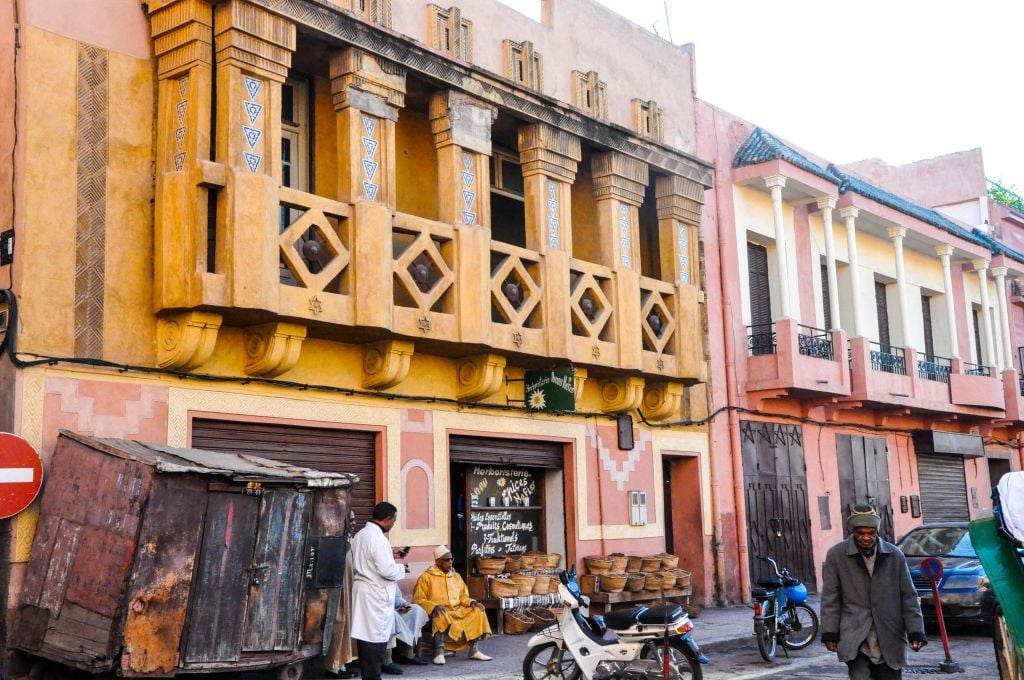
The suspension of ticket sales on the direct route to Marrakech is a setback for Israeli travelers who had begun to return to Morocco, after flights between the two countries resumed in August for the first time in almost three years.
“Morocco has long been a popular destination for Israelis, whether they’re visiting to reconnect with their roots, joining organized tours or simply enjoying the country’s culture and food,” Eshet Tours CEO Gil Hahn told The Times of Israel. “Even without direct flights, we’re still seeing Israelis travel there via connecting flights, and interest remains strong.”
“We believe that bringing back direct flights would encourage even more Israelis to visit,” Hahn added.
In August, Arkia relaunched the first nonstop service since Israeli carriers stopped flying to Morocco after the October 7, 2023, Hamas terror attack. As many as 200,000 Israelis visited in the year before the attack, according to Moroccan Tourism Ministry estimates.
Times of Israel staff contributed to this report.