As war with Iran heats up, Knesset scales back activities
No 'nonessential' discussions to be held in Knesset committees; plenum to only consider legislation seen as urgent or important to war
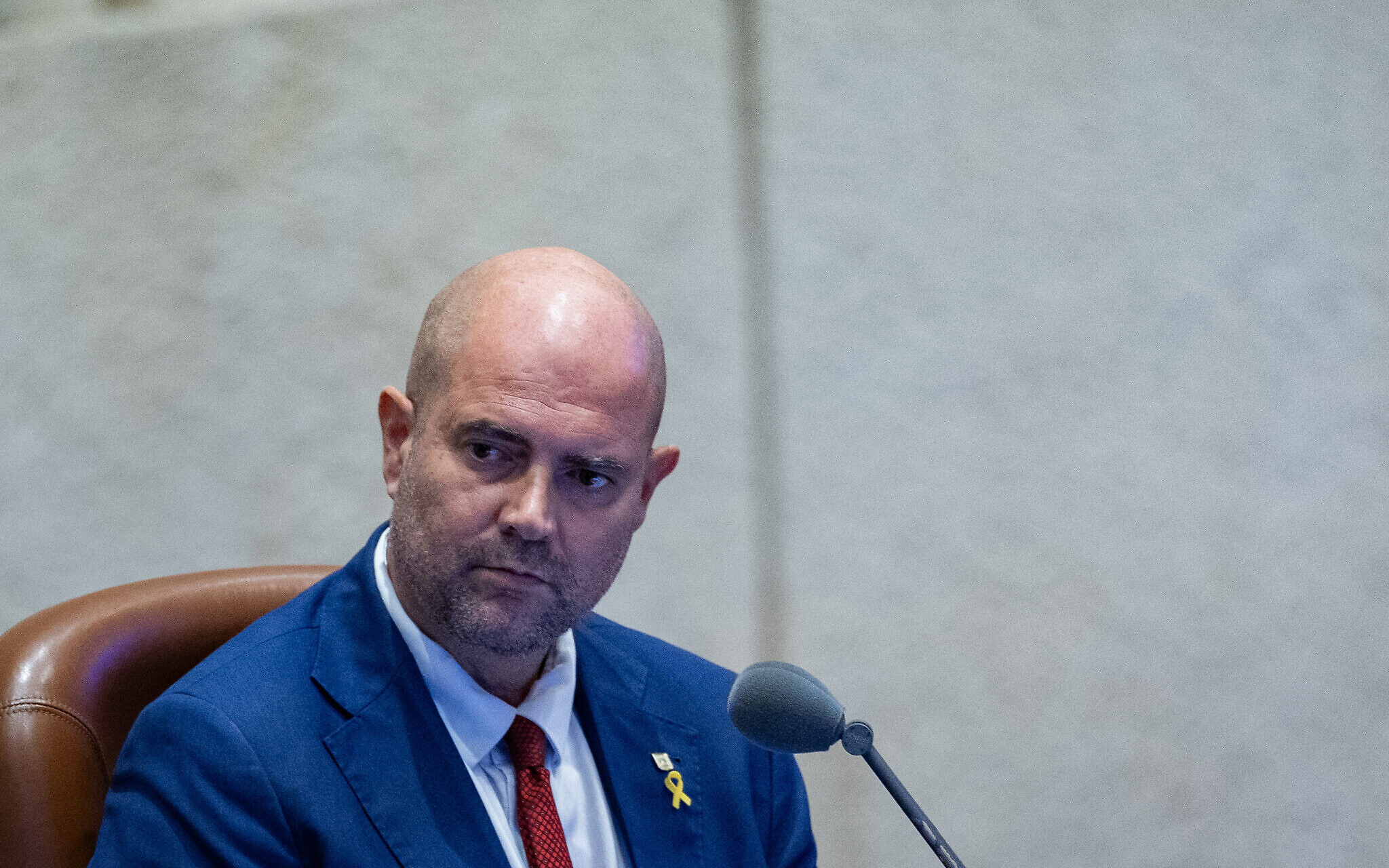
Following consultation with security officials and Opposition Coordinator Meirav Ben Ari, Knesset Speaker Amir Ohana announced on Sunday that the Knesset will convene on Monday at noon, but its agenda will remain limited to legislation considered urgent or important to the war with Iran. Such bills will be brought “by consensus only.”
The centrist National Unity party announced on Saturday evening that it had removed a regular motion of no-confidence in the government from Monday’s Knesset agenda, stating that Israel had entered a “critical” period and that “it is appropriate to act responsibly.”
According to a Knesset spokesman, parliament will not hold a plenum session on Tuesday, while on Wednesday, “urgent” parliamentary queries and motions will be considered — but not private member bills in their preliminary readings.
Bills set aside include legislation to dilute the powers of the attorney general and strip the Supreme Court president of the authority to appoint judges to specific cases. Both bills were postponed for weeks due to an ongoing partial legislative boycott organized by the coalition’s ultra-Orthodox factions, and when they finally made it onto the Knesset agenda last week, they did not ultimately go up for a vote.
Also, apparently on the back burner for now is an ultra-Orthodox enlistment bill — touted by the Haredi factions as “the law preserving the status of yeshiva students” — based on a compromise led by Shas, Degel Hatorah and Knesset Foreign Affairs and Defense Committee chairman, Yuli Edelstein, last week.
“I don’t think anyone is concerned with that during wartime,” a Likud MK who has been involved in the issue told The Times of Israel on Sunday.
According to Channel 12, Edelstein and Shas chairman Aryeh Deri were informed of Friday morning’s Iran strike ahead of time, which helped facilitate their last-minute agreement, thus heading off a preliminary vote on a bill to dissolve the Knesset.
A spokesman for Edelstein confirmed the report.
In addition to scaling back plenum sessions, no “nonessential” discussions were to be held in Knesset committees, Knesset spokesman Shmulik Dahan said in a statement, adding that daily situational assessments were to be held to determine changes to the parliamentary agenda.
Democrats party MK Naama Lazimi reached out to Ohana to protest the decision, complaining that the Knesset Finance Committee must be convened, as it “deals with, among other things, property taxes, compensation for businesses, war costs, and more.
“We received a notice that the Finance Committee’s discussions are canceled for the coming week,” she wrote in a letter signed by other opposition members of the panel as well. “We’ve never had a coalition so disconnected from the people.”
On Monday, the Foreign Affairs and Defense Committee will vote to approve the nationwide state of emergency declared by Defense Minister Israel Katz and extended until the end of the month by the cabinet on Sunday.
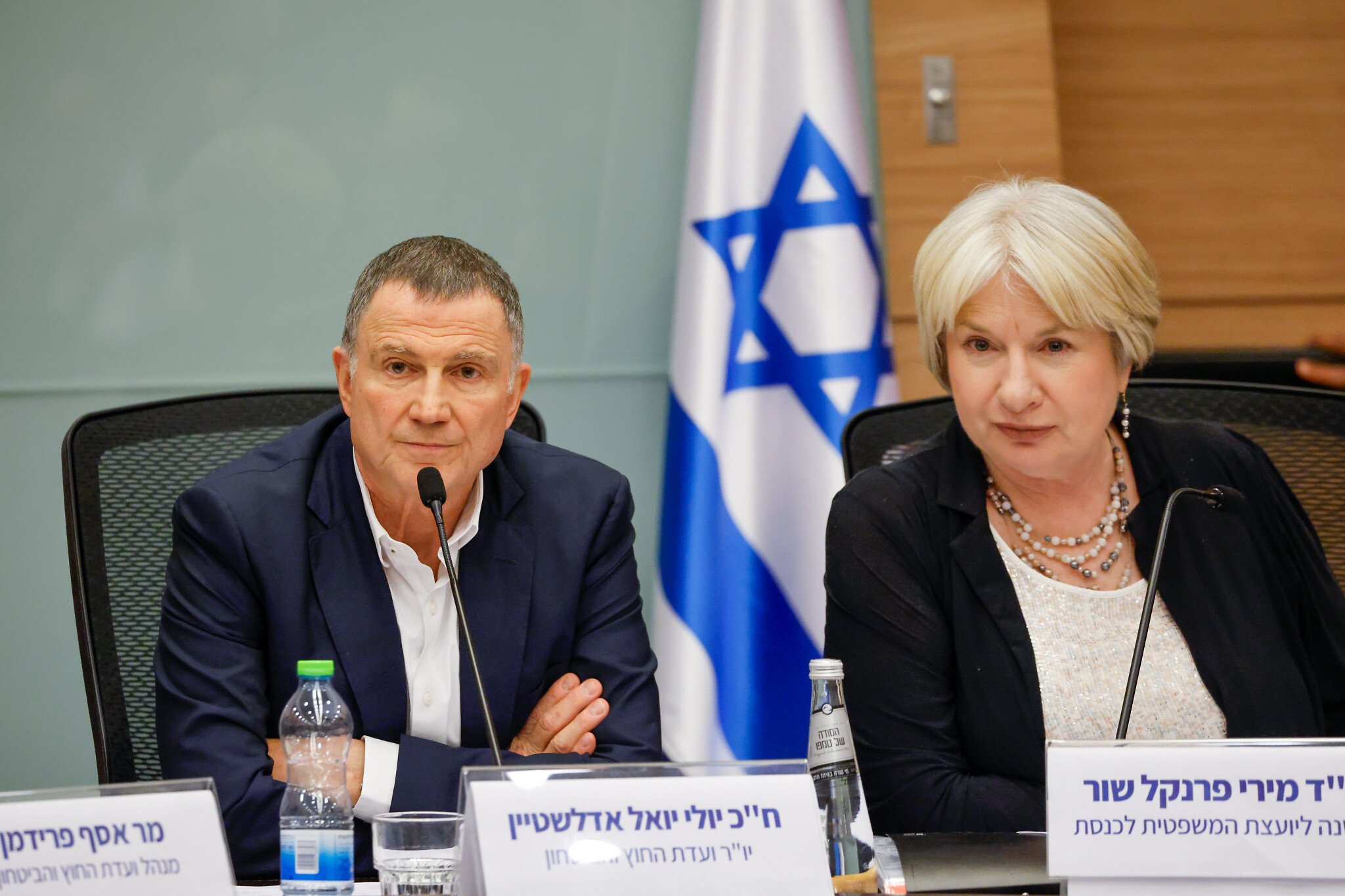
During a meeting of the panel’s Subcommittee on Intelligence, Secret Services, Captives and Missing Persons on Sunday, lawmakers engaged in “a comprehensive discussion on the subject of the war with Iran and future courses of action.”
The Knesset has taken steps to minimize the number of people present, switching non-essential employees to remote work, canceling tours, and calling on lawmakers not to bring their full staff. The number of reporters per news outlet permitted to enter is capped at two.