As weekly Haredi protests take a toll, Jerusalem cafe says it may close on Saturdays
Spokesperson for Cafe Basimta says business will make decision in coming days as some fear ultra-Orthodox rallies hounding the coffeehouse may escalate out of control
Cafe Basimta, a coffeehouse in central Jerusalem that has been repeatedly targeted by ultra-Orthodox protesters for being open on Shabbat, is considering closing on Saturdays in response to the growing pressure, its spokesperson said on Wednesday.
The protests have been increasingly intense in recent weeks, and some worry that the situation may escalate out of control.
The cafe will make a final decision on the matter in the coming days, the spokesperson said.
The protests against Basimta began on July 4, when dozens of ultra-Orthodox demonstrators, many of them minors, gathered outside the cafe in several waves, banging on its windows and, according to staff, overturning tables.
On another occasion, dozens of Haredi men burst through barricades and tried to force their way inside.
Last month, a woman glued the cafe’s lock, causing a brief delay in its opening.
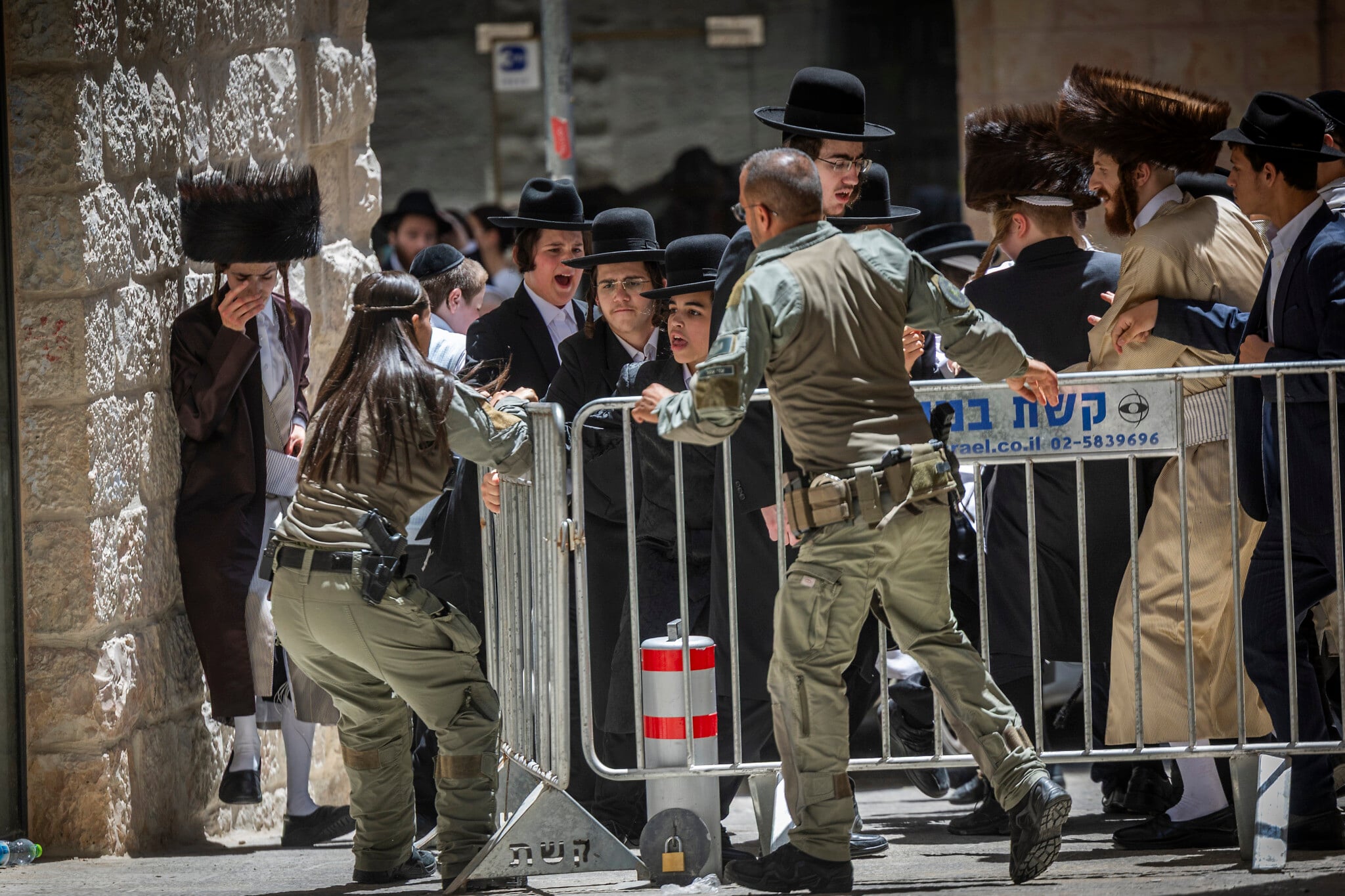
Secular customers have flocked to the cafe in response to the protests to support the business. Counterprotests in favor of the cafe remaining open on Shabbat have also been held, with police on the scene to minimize confrontation between the groups.
The dispute is complicated by the fact that the cafe is an official project of Jews for Jesus, a Christian missionary organization that seeks to convert Jews to believe in Jesus. Yoel Ben David, the cafe’s operator, is the group’s top official in Jerusalem.
The connection has caused unease among some secular supporters who rallied in support of the cafe. The Hapoel Jerusalem soccer team withdrew an offer of free advertising for the business after learning of its affiliation, while maintaining its support for the cafe’s freedom to operate.
Enforcement of laws regarding work on Shabbat is an ongoing issue of contention in Israel, against the backdrop of broader disagreement over the relationship between religion and state.
Municipal and national laws often differ, sometimes leading to conflict between city authorities and the national government, as well as local discord.

Businesses across the country are occasionally vandalized by Haredi extremists who oppose their operating on Shabbat.
Jerusalem has become increasingly Orthodox over the years, driving out large segments of its secular population.
The clashes come amid broader tensions between the ultra-Orthodox community and the secular public over the issue of Haredi military service. Recent months have seen repeated demonstrations against the enlistment and arrest of ultra-Orthodox draft dodgers, including violent protests in Jerusalem.
Times of Israel staff contributed to this report.