As with Oct. 7, so too with Sept. 30’s flydubai attack: A failure to prevent obvious deadly threats, and a refusal to take responsibility
The gaping holes in security for passengers on foreign airlines serving Israel truly boggle the mind. Until they are clearly addressed, travelers should be very careful in their choices. And so, too, should Israeli voters
It’s October 7. The third anniversary of the worst single-day catastrophe in the history of the State of Israel, when thousands of Hamas-led terrorists burst through the almost unprotected Gaza border and slaughtered some 1,200 people in southern Israel, and abducted 251 more, in an invasion that had been planned for years in plain sight and that Israel’s defense and political leadership had refused to believe was actually going to happen.
Three years later, the vital state commission of inquiry into the disaster, far from having completed its essential work on what went wrong, who was to blame, and how to prevent anything like this happening again, has yet to be appointed. Benjamin Netanyahu, the prime minister that day, for 13 of the 14.5 years before that day, and for the three years since, refuses to have the cataclysm properly investigated because he knows he would be found centrally culpable.
Running for election in less than three weeks, he has instead deflected blame, increasingly crudely, everywhere he can, including by falsely claiming that the IDF and Shin Bet chiefs deliberately failed to wake him in the hours before the massacre to tell him that Hamas was about to invade, even though “all the signs were there.” His wife has insinuated that some in the military senior ranks knew that Gaza’s ruling terrorists were going to invade that morning. And multiple pro-Netanyahu conspiracy theorists have posted false allegations (Hebrew link) of betrayal from within, including claims that various serving and former defense officials chose to allow what they imagined would be a limited Hamas invasion with the goal of discrediting and consequently ousting Netanyahu.
At the same time, Netanyahu is insistently denying that his encouragement of the flow of hundreds of millions of dollars of Qatari money into Gaza helped finance the Hamas war machine, that he shared the terrible misassessment that Hamas was deterred from attacking Israel, and that he received specific warnings in the weeks and days before the slaughter, from Egypt and the United Arab Emirates, that Hamas was mobilizing for a major attack.
You know most of this. I’m recapping it because just a week ago, Israel faced what might superficially be considered an unrelated attack, of far smaller scale, and one that, unlike October 7, was thwarted.
In fact, however, the terror attack last Wednesday on flydubai flight FZ1073 was enabled by mind-blowingly vast Israeli security failures, which persisted even though numerous people in relevant positions of authority knew of the risks, and which potentially endangered anybody who has flown into Israel on either a foreign airline or a so-called “wet” lease flight subcontracted to a foreign airline. And nobody in authority is taking responsibility or properly investigating.
***
Perpetually threatened by enemy states and terror groups, Israel has for decades prided itself on maintaining the most potent protective and security measures on flights in and out of Ben Gurion International Airport.
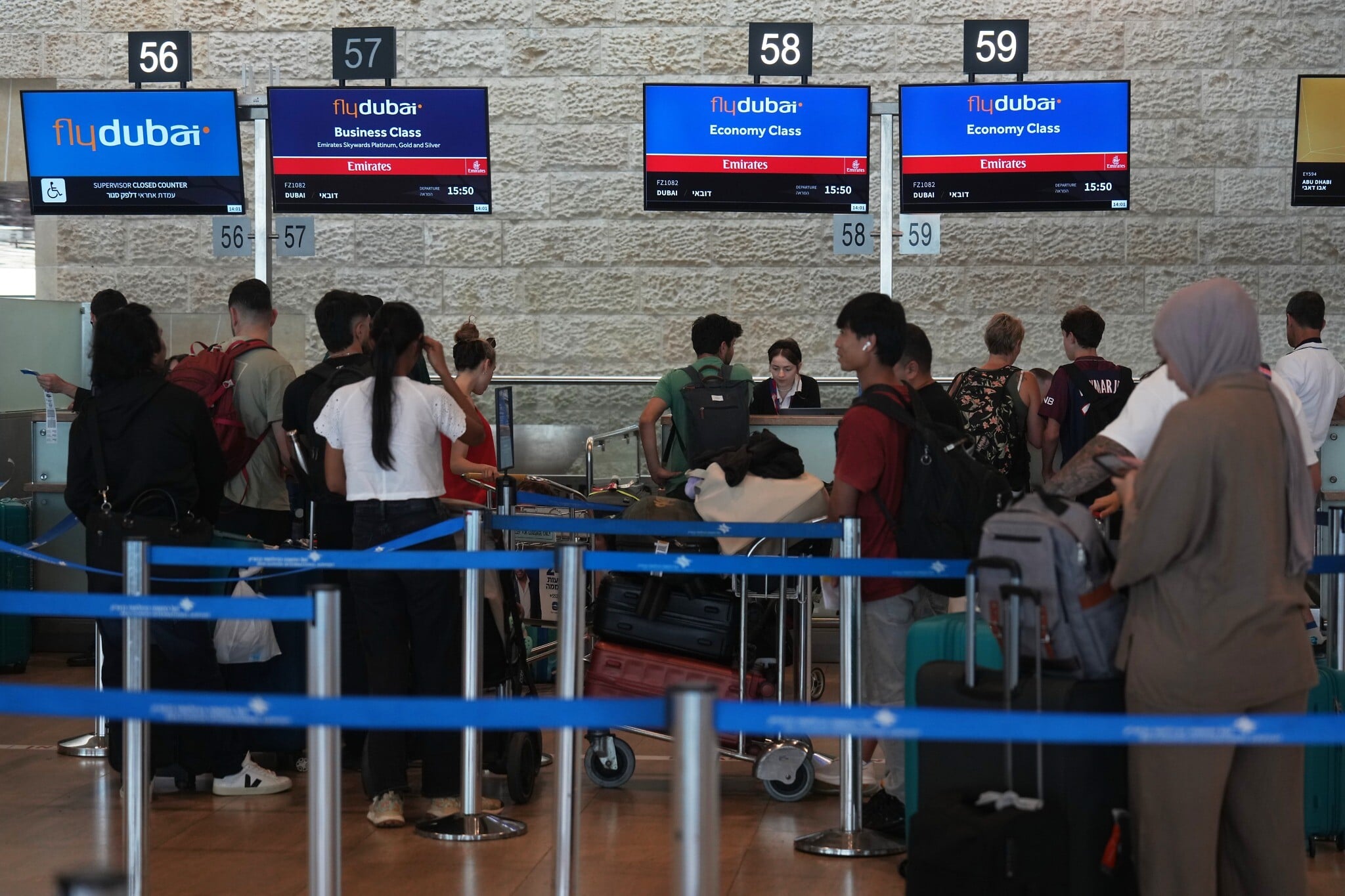
Passengers on planes truly operated by Israel’s El Al, Arkia, Israir and Sun d’Or are questioned by airport security officers under Shin Bet authority in the main terminal, and their bags are checked. At overseas airports, the passenger questioning generally takes place in a separate area of the terminal, and there is another round when entering the departure gate area, which is usually situated in a remote part of the terminal.
There’s also been passenger profiling behind the scenes. There are further bag check precautions. The aircraft itself is secured.
The Shin Bet maintains oversight of the flight crews, many of whom are understood to be air force veterans.
As my colleague Sharon Wrobel has reported, armed sky marshals are present on the planes, at least some of which also feature anti-missile defense systems.
And boy, has all this saved lives. Just one example: El Al Flight 016, from London, April 17, 1986, when Jordanian terrorist Nezar Hindawi planted a bomb in the hand luggage of his unwitting girlfriend, intending to send the pregnant Anne-Marie Murphy and almost 400 other passengers and crew to their deaths. Murphy was traveling alone, and while she was calm when questioned by Israeli security, since she had nothing to hide, there were inconsistencies in her answers; her bag, carefully checked, proved to have a false bottom with a Semtex bomb secreted inside. Murphy and all aboard were saved; Hindawi was arrested, jailed, and eventually paroled and deported to Jordan in 2013.
Many but not all of the security procedures and protections also apply to foreign airlines flying out of Israel, and to outgoing wet lease flights — where the plane and its crew have in fact been hired from a foreign airline. The Ben Gurion questioning and bag checking, in the so-called Shin Bet “envelope,” is the same, but the pilots are generally not Israeli, there are no armed Israeli marshals aboard, and likely no missile-defense protections.
The great, big, staggering lacuna exposed by the flydubai thwarted terror attack relates to foreign airlines, and wet-leased airlines, flying into Israel from, well actually, anywhere.
On those flights, it turns out, passengers have been traveling at the mercy of the foreign operators and the security procedures at the airports from which they take off. In some countries, those procedures may be highly professional and effective. In others, they most certainly are not.
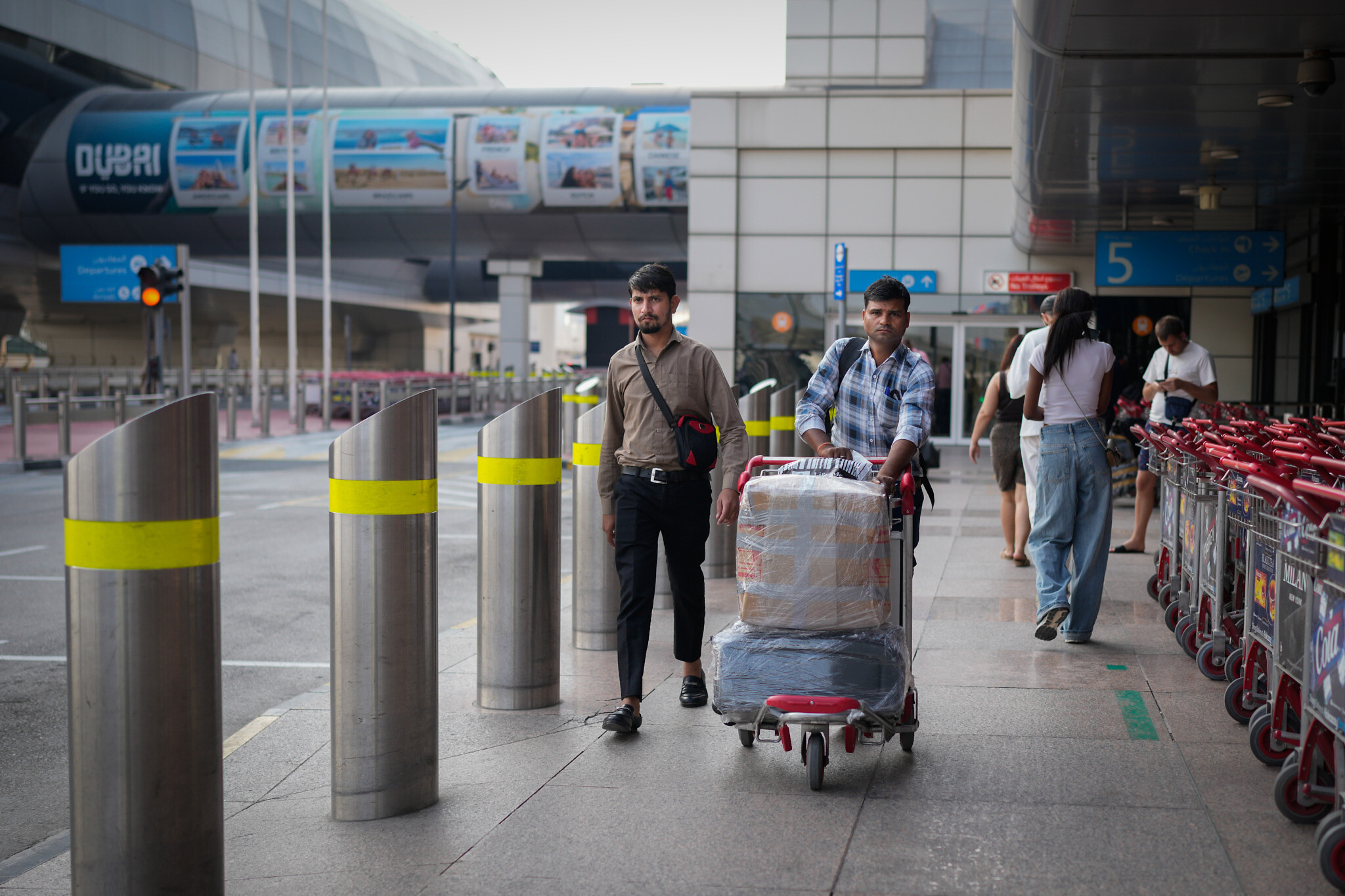
How can that be, you may ask? Surely, you cannot be saying that the State of Israel plays no direct role in checking the passengers and their baggage on all those foreign planes heading to Israel? You cannot possibly be suggesting that Israel, similarly, plays no direct role in ensuring the relevant areas of overseas terminals are secure, that the cleaners, the food suppliers, the baggage loaders and anybody else with potential direct access to the Israel-bound plane are carefully screened and supervised? And, surely, you cannot be claiming that Israel, with its immensely skilled and resourced Mossad and Shin Bet intelligence services, does not directly vet the pilots and flight crew on all these planes, to ensure that they are not nationals of Iran, Iraq, Lebanon, Syria, Oman or any other enemy state, and that there is nothing in their background to suggest they might possibly pose a terrorist threat?
Well, all of that is precisely what the flydubai near-disaster has made plain.
Furthermore — and this is where echoes of October 7-style insistent indifference to overt, massively fatal potential danger, become unmistakable — at least some of these vast security holes were exposed in a report by the state comptroller two years ago, based on a 14-month audit covering “aspects of the security of international aviation departing from Ben Gurion Airport; the security of Israeli aviation abroad; and the security of foreign and private civilian aircraft entering the airspace of the State of Israel.”
Much of that report, issued in May 2024, remains classified, but after examining Israel’s air security protocols, some of which dated from the 1970s, the comptroller determined that the National Security Council, the Transportation Ministry, the Finance Ministry, the Airports Authority, the Shin Bet and the police needed to conduct a thorough examination of aviation security “in all its aspects — including incoming foreign aviation.”
Once that examination was done, the report recommended (Hebrew link) that the National Security Council “advise the prime minister and the security cabinet how responsibility for the matter should be allocated and how resources should be assigned, in a manner ensuring an integrated overview” (my italics). Then, it said, the prime minister, transportation minister and finance minister needed to “formulate a comprehensive policy on aviation security.”
A team was indeed set up to look into the matter, and, when its work was done, Netanyahu in 2025 formally assigned security responsibility for foreign flights to the Transportation Ministry, run by his ultra-loyalist Miri Regev.
Multiple reports indicate that the ministry already had considerable responsibility for foreign airline security from 2021, and possibly even from 2003. What has now become all too clear, however, is that the ministry was and is incapable of itself carrying out all the vital security checks that the Shin Bet and security services provide for flights leaving Israel.
Also, that it didn’t even try.
And that it did not seek assistance. According to an internal NSC document reported by Army Radio on Sunday, the ministry, since Netanyahu formally gave it responsibility last year, did not even once reach out to the Shin Bet or Mossad for help in vetting passengers or crew on a foreign airline.
In the case of flydubai FZ1073, the consequences were dire. A radicalized Omani national, Hamam al-Hammami, who had been barred from flying by Oman Air after it was discovered he was in possession of extremist materials, was hired by flydubai, and intermittently worked the Dubai-Tel Aviv route.
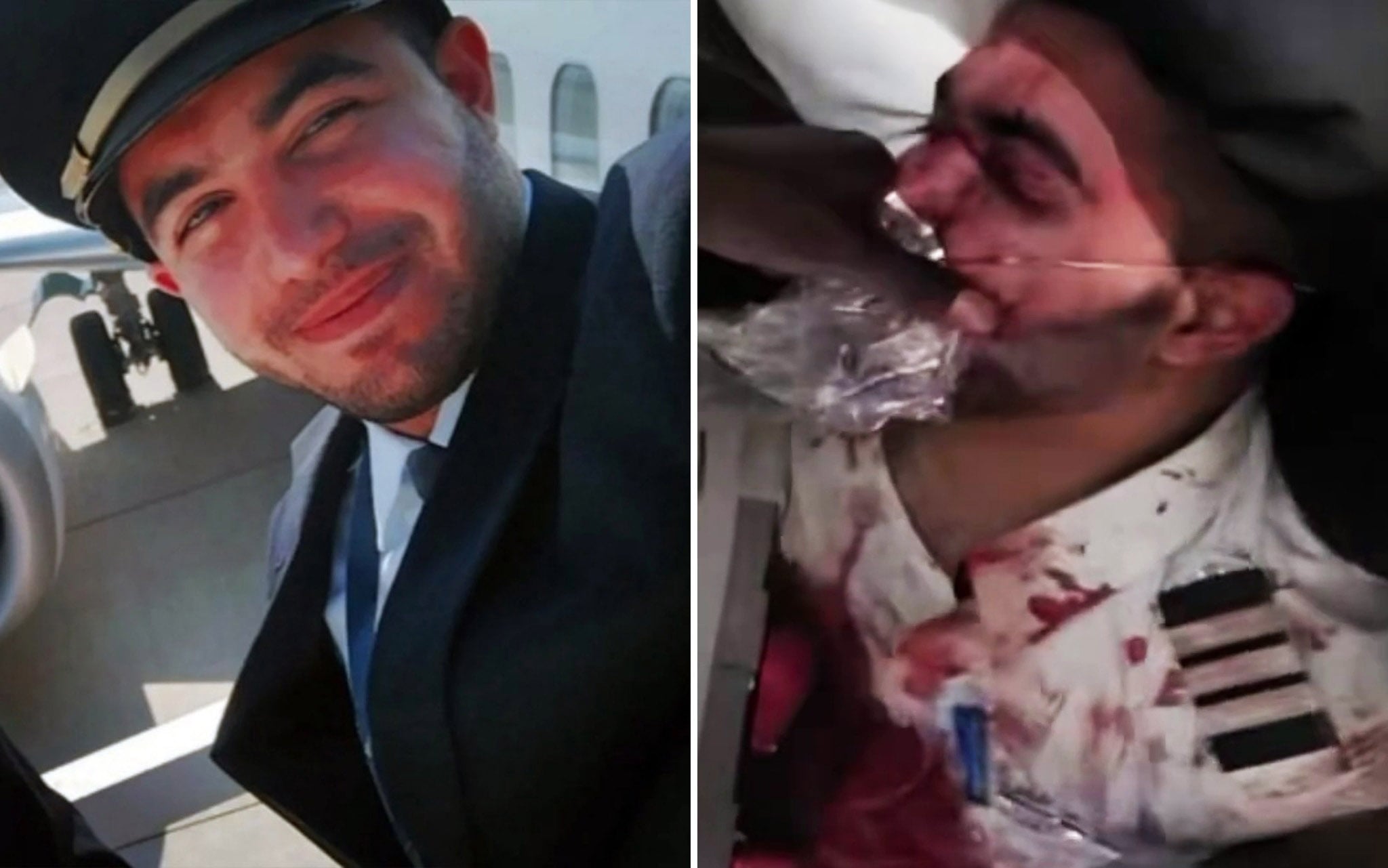
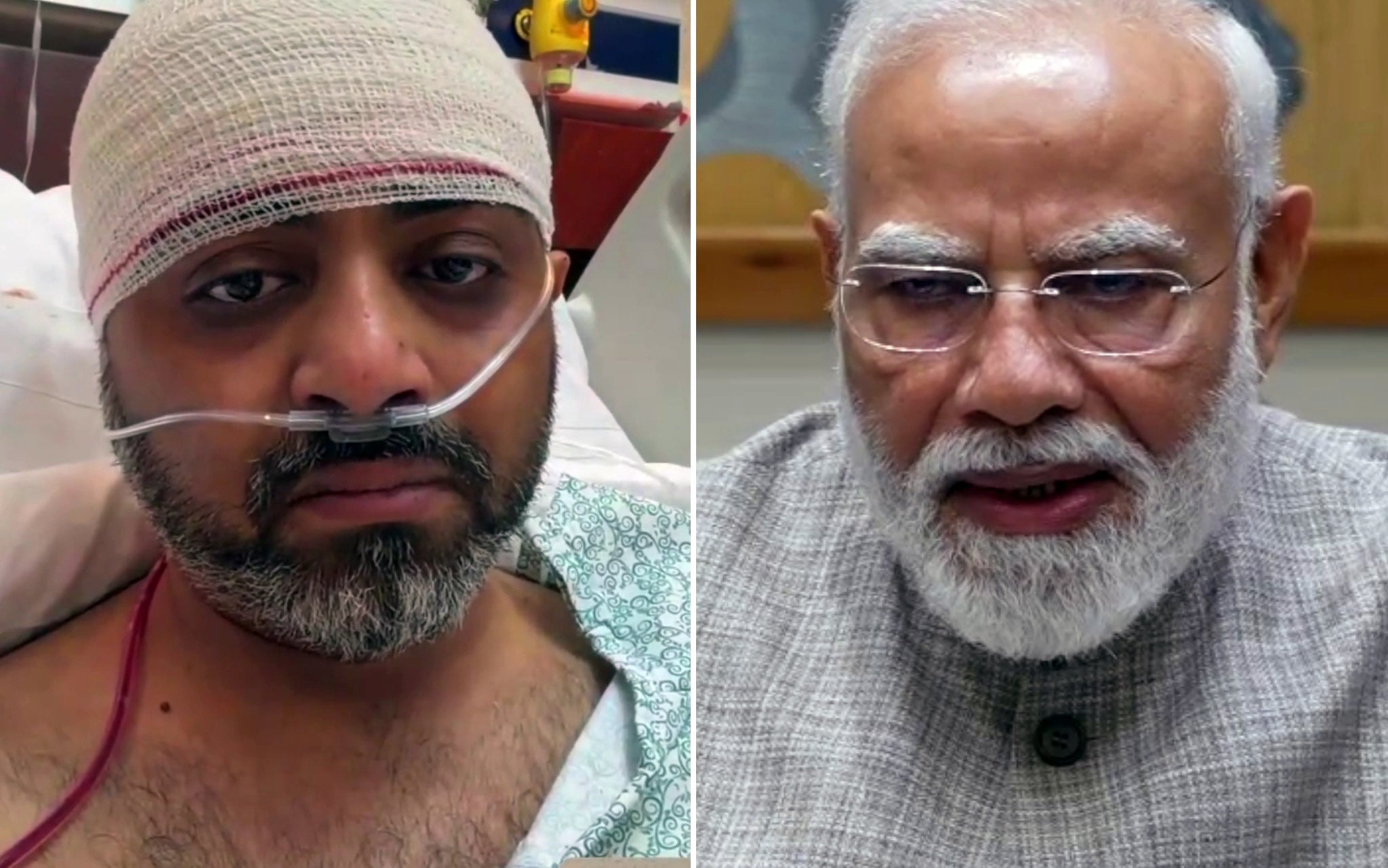
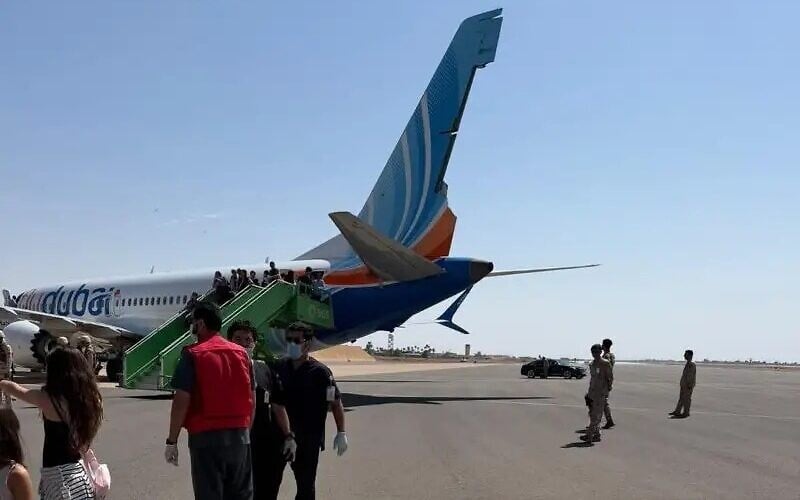
Copilot on that flight a week ago, he attacked the Indian captain with the emergency ax in the cockpit, allegedly intending to take control of the plane and crash it in Israel, reportedly into Ben Gurion — where nobody would have known he was doing anything other than making a routine landing until it was too late — killing all the passengers and anybody in the area on the ground.
He was stopped only by Captain Smit Machchhar’s astonishing resilience in managing to click open the cockpit door even as he was being stabbed and the plane was plummeting; Tali Manes, escorting her daughter from the bathroom, hearing the noises of the attack, and her husband Tzvika and a small group of other Israeli passengers getting into the cockpit, immobilizing the terrorist-copilot, treating the bleeding captain and stabilizing the plane, before two off-duty flydubai pilots on board effected an emergency landing in Saudi Arabia. Without all that extraordinary heroism and ingenuity, and had the attack continued for just a little longer, the flight and all on board were doomed.
Tacitly conceding a dereliction of duty that could have cost hundreds of lives, the Transportation Ministry on the day after the thwarted attack sent a letter to security managers at multiple foreign airlines, entitled, “Security Directive 2026: Security Measures for Foreign Flights Entering the Israeli FIR,” (Flight Information Region), which states explicitly that “the Security Division of the Israeli Ministry of Transport bears the responsibility for the security of inbound flights to Israel.” It also warns that it will conduct “on-site audits” to ensure the correct procedures are in place.
The letter stresses that these carriers are responsible for implementing the necessary programs, measures, and procedures to address the threats and risks associated with flights to Israel. It also states that the operators are responsible for ensuring that no pilots or cockpit crew members on flights that enter Israel’s FIR, or even on board the aircraft, are citizens or dual nationals of a country that does not have diplomatic relations with Israel, and instructs airline operators to refer to a separate list of what have been reported to be 27 such countries.
In fact, all evidence underlines that the ministry did not carry out effective checks on foreign carriers’ security compliance. Obviously, rudimentary vetting of flight crews would have exposed al-Hammami as a colossal potential threat. Flydubai clearly did not conduct such vetting, and the ministry did not demand it. The ministry apparently did not even give itself the chance to do so, since the flydubai crew and passenger lists, as is apparently routine, were reportedly only received in Israel close to or even after the plane had taken off.
Al-Hammami apart, some 1,240 aircrew members from countries that do not have diplomatic relations with Israel have entered the country over the past year, according to unconfirmed reports from a closed-door meeting on Tuesday of a subcommittee of the Knesset Foreign Affairs and Defense Committee — an indefensible breach of the most basic security procedures.
The burden on the ministry indeed seems heavy, and unbearable without adequate staffing and close cooperation and assistance from the Shin Bet and Mossad. But at least two key officials in the ministry’s security hierarchy, including the signatory on the letter cited above, Avri Cohen, “Senior Head of Security Division,” reportedly have had enough time on their hands to do additional freelance work outside the ministry.
The second official, Dvir Rubinstein, has done paid private consulting and training work for the very carriers whose security he is meant to oversee, including flydubai and Emirates. He gave a webinar noting the lessons that the US authorities learned after 9/11, including the imperative to vet foreign airline flight crews well in advance of their planes departing, even as he and his ministry were failing to do so on behalf of Israel.
Both men are now reportedly facing criminal investigation.
Furthermore, as The Times of Israel reported on Tuesday, the ministry turned down a proposal last year for a Shin Bet official to be reassigned to it as lead intelligence officer, tasked with helping assess risks on foreign and charter flights into Israel. Cohen reportedly resisted such outside interference in the ministry’s work. The Shin Bet then offered to host the ministry’s security division for a multi-day seminar on threat assessment, airport and aviation security, and to discuss intelligence tools for ensuring flight security, but that never happened.
The National Security Council pushed the ministry to seek additional funding to upgrade its security operations, but the ministry reportedly made no such request. Even so, the Finance Ministry reportedly allocated an additional NIS 10 million (some $3.3 million) and 10 staff positions for the ministry’s Security Division in the 2026 budget. Army Radio reported that the ministry received the money, but has not filled any of the positions. The ministry denies the funding was received.
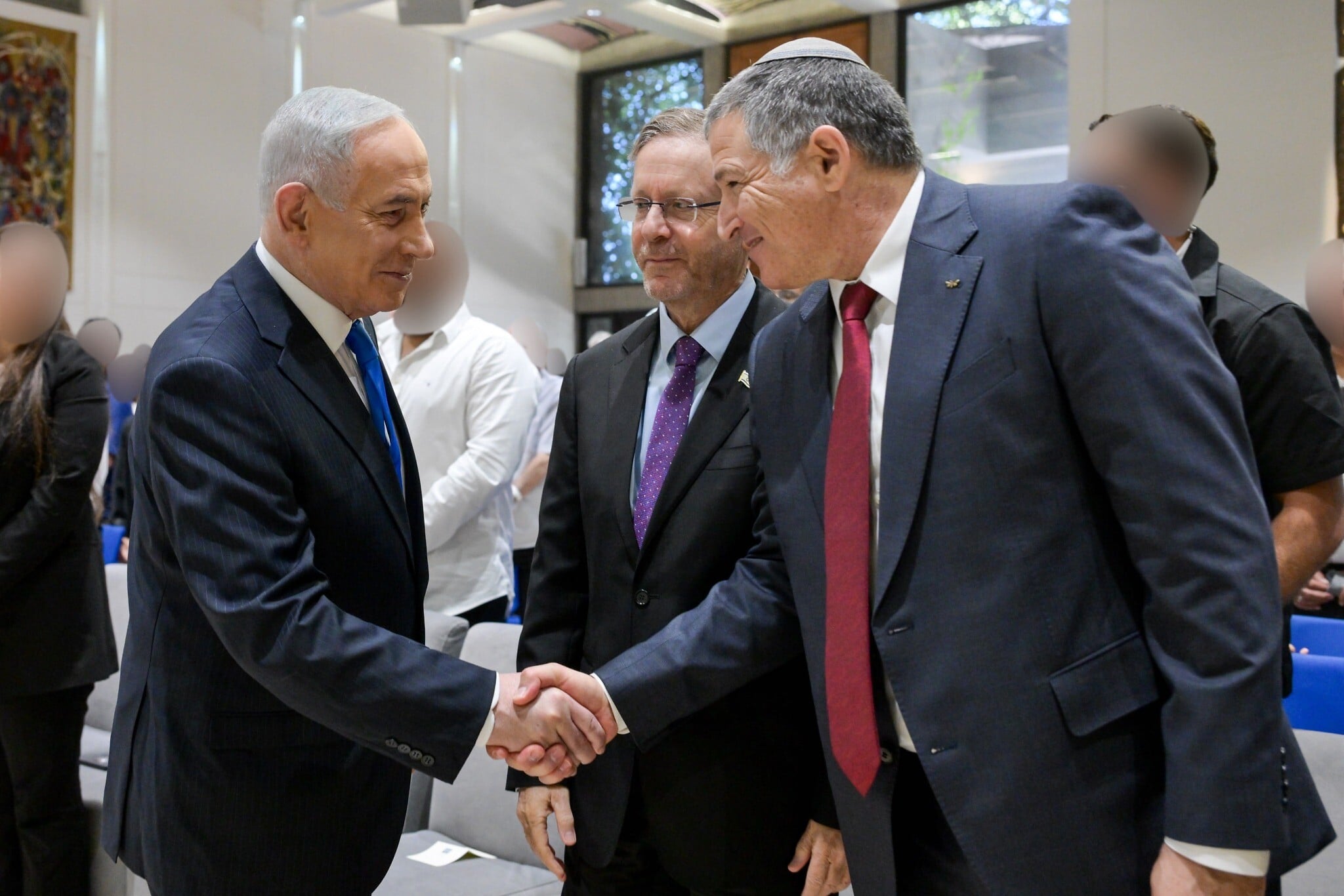
The list of astounding failures and abdications of responsibility goes on, and extends into the Shin Bet. The security agency’s director, David Zini, warned repeatedly that the so-called “security envelope” protecting flights departing for Israel from the UAE was flawed. In February, he issued an outright ban on Israeli airlines flying the route, for whose security his agency is directly responsible, reportedly citing deficient baggage check procedures.
But he apparently did nothing to protect passengers flying with foreign airlines including flydubai on that route from the self-same dangerously inadequate security procedures — failing, that is, to ensure that the ministry responsible did what it was supposed to, with the Shin Bet helping as needed.
There are reports that Zini sent three letters, including to the ministry, warning of the dangers, but self-evidently, more than words were required. Passengers on foreign flights into Israel were already bereft of the Shin Bet protections afforded to Israeli planes, and now Zini, banning Israeli airlines, left them with no choice but to fly on the foreign flights from a Dubai terminal he knew was not being properly secured.
The failures clearly extend to the National Security Council as well, since its responsibilities include coordinating between the various ministries and defense and intelligence agencies on all aspects of national security precisely to ensure that responsibilities are fulfilled, cooperation is seamless, and nothing falls between the cracks. With regard to security on foreign airlines, everything that was crucial fell between the cracks.
It’s worth taking a moment, too, to underline the degree to which those ostensibly Israeli wet lease flights have been operating with compromised and inadequate security. When heading into Israel, for all intents and purposes, they face the same security vulnerabilities as described above for foreign flights. Except that many of the passengers on board will have purchased their tickets in the conviction that they would be traveling on a fully Israeli, fully Israeli-protected flight, with an Israeli crew, and Israeli vetting procedures. And they will be mistaken.
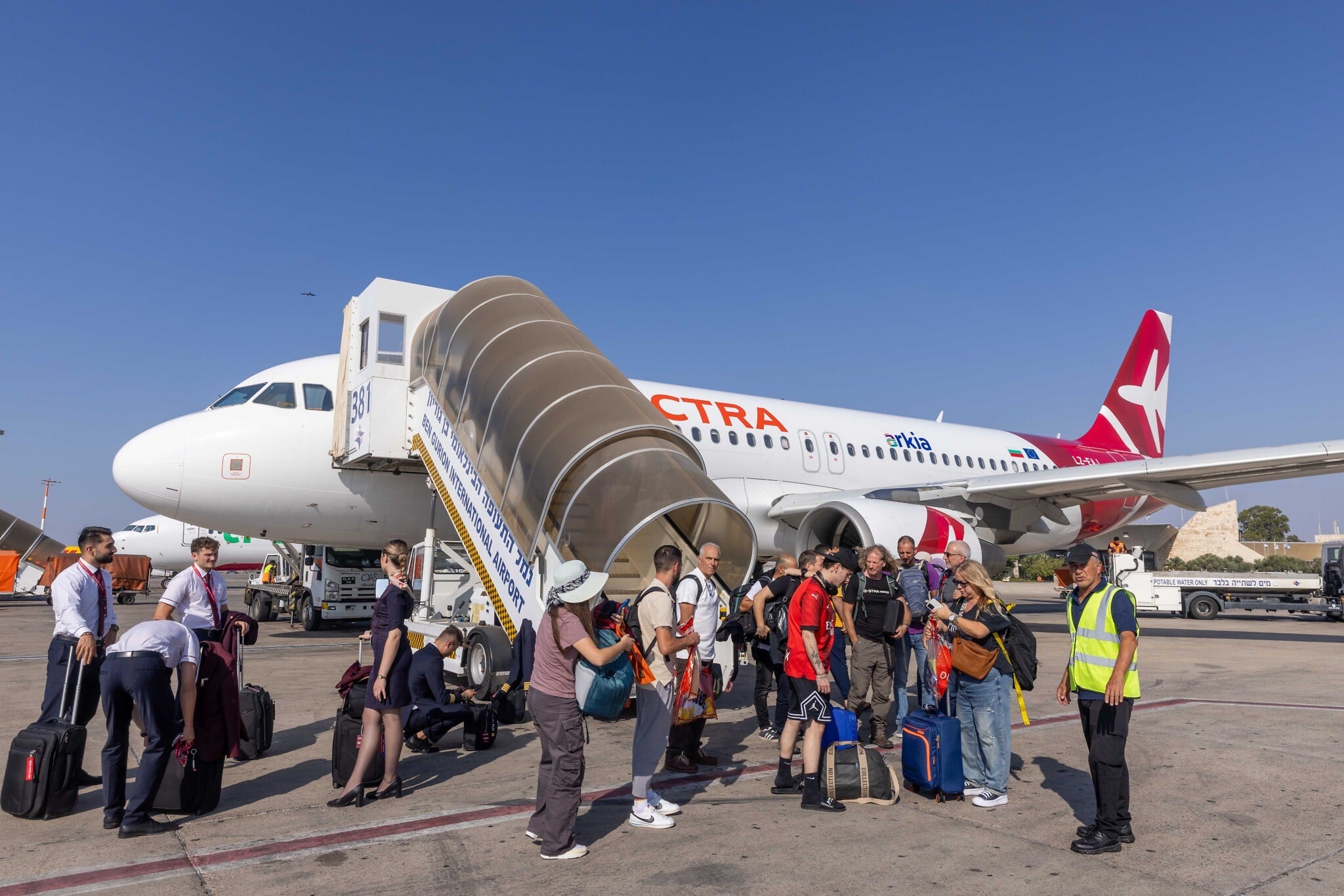
To give you an idea of the significance and scale of these misdescribed “Israeli” flights, in July of this year, 70 percent of Arkia’s flights and 56% of Israir flights were reportedly wet-leased, while flagship national carrier El Al has said 5% to 8% of its flights are operated by foreign aircraft.
“For wet-leased flights [originating abroad], we do not get the Shin Bet security envelope,” Arkia CEO Oz Berlowitz said on Monday, citing official Israeli policy. “Instead, we use the security envelope at the overseas airport.”
Israir said much the same, making clear that it operates aircraft on the wet lease arrangement in full accordance with all Israeli regulations and security requirements. Operating planes in this way “is part of a risk management policy in the aviation sector, which was presented to Prime Minister Benjamin Netanyahu and approved by him,” it said this week.
***
Yaniv Hayun, the plumber from Nes Ziona who helped tackle the flydubai terrorist and then stabilized the pilotless plane, acting on the basis of scenes he’d watched on “Air Disasters” TV footage, is a charming and likable hero. US President Donald Trump marveled at his life-saving antics. Netanyahu, rushing to Ben Gurion when the saved passengers flew in late Wednesday — on, would you believe, another flydubai plane — sat enthralled as Hayun described how the drama had played out.
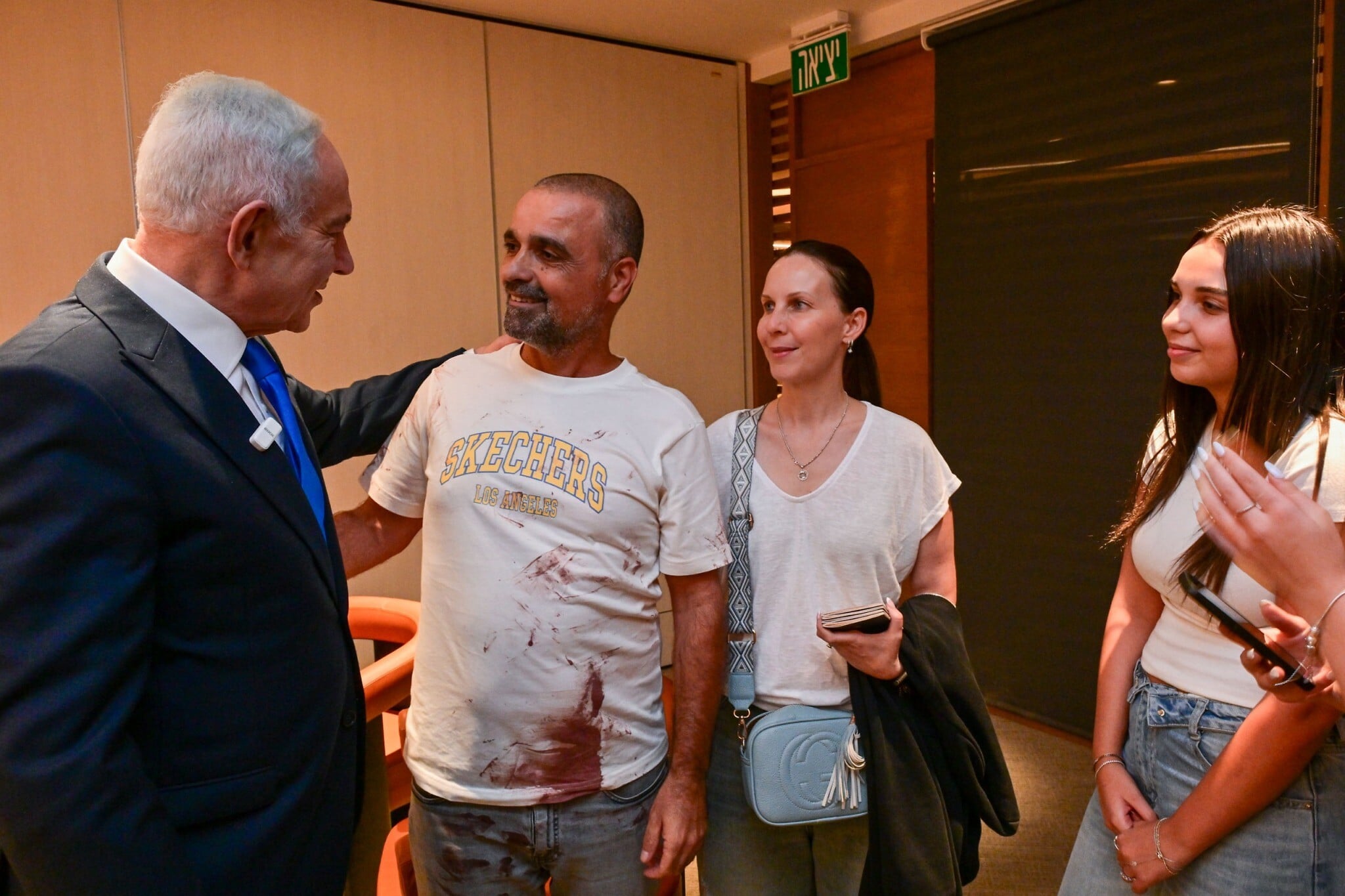
In a television interview on Saturday, Hayun made clear, while purporting to be offended, that he is not an ordinary plumber, but, rather, “a high-grade plumber” — the rarer breed who runs a sewage truck.
He also stressed, self-effacingly, that he had only stabilized the plane “for a few seconds” before one of the off-duty flydubai pilots took over the controls.
It was put to him that the astonishing, instinctive, save-the-day derring-do on that flight might be connected to Israelis’ military experience, and the combat-zone requirement to rush into danger. But asked about his military experience, Hayun said cryptically: “I was always the closest to the fire” and then added quickly: “In the kitchen.”
“You were an army cook?” his Channel 12 interviewers marveled.
Not even, Hayun demurred: “I would distribute the food.”
So the high-grade plumber with no combat background, and his handful of fellow heroes — from the pilot, to the mother who sounded the alarm, to the group who got into the cockpit — somehow managed to save the day.
In theory, they saved more than a flight with some 180 people, almost all of them Israelis, on board. More than the unknowable further casualties the terrorist copilot aimed to cause when he crashed Flight 1073 into his intended Israeli target.
In theory, they saved innumerable future fatalities on innumerable future flights heading into Israel without the most basic security protection — vulnerable to any gaps in foreign airports’ security procedures, to lax baggage-checking, unvetted passenger lists, and unvetted flight crews potentially staffed with citizens of enemy countries, terror-group recruits and lone-wolf Israel-haters.
In theory.
The problem is, and again we return, today of all days, to failures surrounding Israel’s inability to prevent the deadliest single assault in its history, and to the recognition that, as with October 7, so too with September 30, 2026, prime culprits are desperately dodging responsibility and deflecting blame. And the rot starts at the top.
Unlike with October 7, Netanyahu, in the case of flydubai, moved quickly to establish a probe… and asked the current head of the National Security Council to choose who would head it.
But the NSC, which operates out of the Prime Minister’s Office, is one of the authorities at fault: the body that recognized some of the problems regarding foreign airline security, warned about them in 2024 and 2025, but failed to fulfill one of its key reasons for existence — ensuring that the bodies responsible stepped up and fixed the flaws.
Two former NSC heads, Eyal Hulata and Giora Eiland, have publicly condemned the probe mechanism as destined for failure, with Hulata charging that it will be nothing but a cover-up for what he called “multi-system dysfunction.”
“There is [an empty] ritual here,” asserted Hulata in an Army Radio interview on Monday. “The prime minister tells the National Security Council chairman to appoint a review panel, and basically sidesteps the issue of his own decision-making process as the head of the pyramid.”
“The NSC is one of the bodies that needs to be investigated here,” Hulata elaborated. “There is something crooked in the way this whole thing is being dealt with.”
In contrast to October 7, disaster was averted last Wednesday, when ordinary Israelis, with an Indian captain’s assistance, managed to protect themselves and their fellows where the Israeli government had left them vulnerable.
What is appallingly consistent, however, is the incompetence of the political leadership, officialdom and key security figures in the face of evident danger, and the refusal to take responsibility and ensure no recurrence after the event.

Leaks from Tuesday’s Knesset subcommittee meeting indicated that foreign airlines will henceforth be required to send passenger and crew lists to the Transportation Ministry’s security division 48 hours before a plane departs, and for the Mossad or Shin Bet to review them before takeoff. The leaks (Hebrew link) also suggest a role for the Population Authority in identifying potential threats. But definitive information on practical steps being taken has yet to be formally issued.
Unless or until there is clear evidence that the abysmal gaps in flight security procedures are plugged, passengers flying into Israel would be advised to be extremely careful in their choices.
With less than three weeks before elections, I’d say the same to Israeli voters.
—
This Editor’s Note was sent out earlier on Wednesday in ToI’s weekly update email to members of the Times of Israel Community. To receive these Editor’s Notes as they’re released, join the ToI Community here.