Australian politician has both legs amputated after being hit in car ramming attack
Federal lawmaker Helen Haines 'alive and stable,' husband says; suspect makes first appearance in court; police yet to announce motive, believe it was a targeted attack
Doctors have amputated both of Australian federal lawmaker Helen Haines’s legs as she remains in critical condition after being repeatedly hit by a car in an apparent act of political violence, her husband said Wednesday.
The 65-year-old independent politician is receiving treatment in a Melbourne hospital where she was flown by helicopter, 236 kilometers (147 miles) from where the attack tool place.
Phil Haines, her husband, gave the family’s first public comments on her condition since she was hit by a Toyota Land Cruiser SUV in her hometown of Wangaratta on Monday, speaking hours after a man accused of running her over made an initial appearance in court.
Haines’s husband said her left leg was amputated on Monday and her right leg was amputated on Wednesday after doctors abandoned hope of saving it.
“The good news in all this is that Helen is alive and she’s stable. That is the most important thing for our family,” the husband told reporters in Melbourne.
“We are grateful and thankful that at this stage, both her heart and her mind are in good shape,” he said.
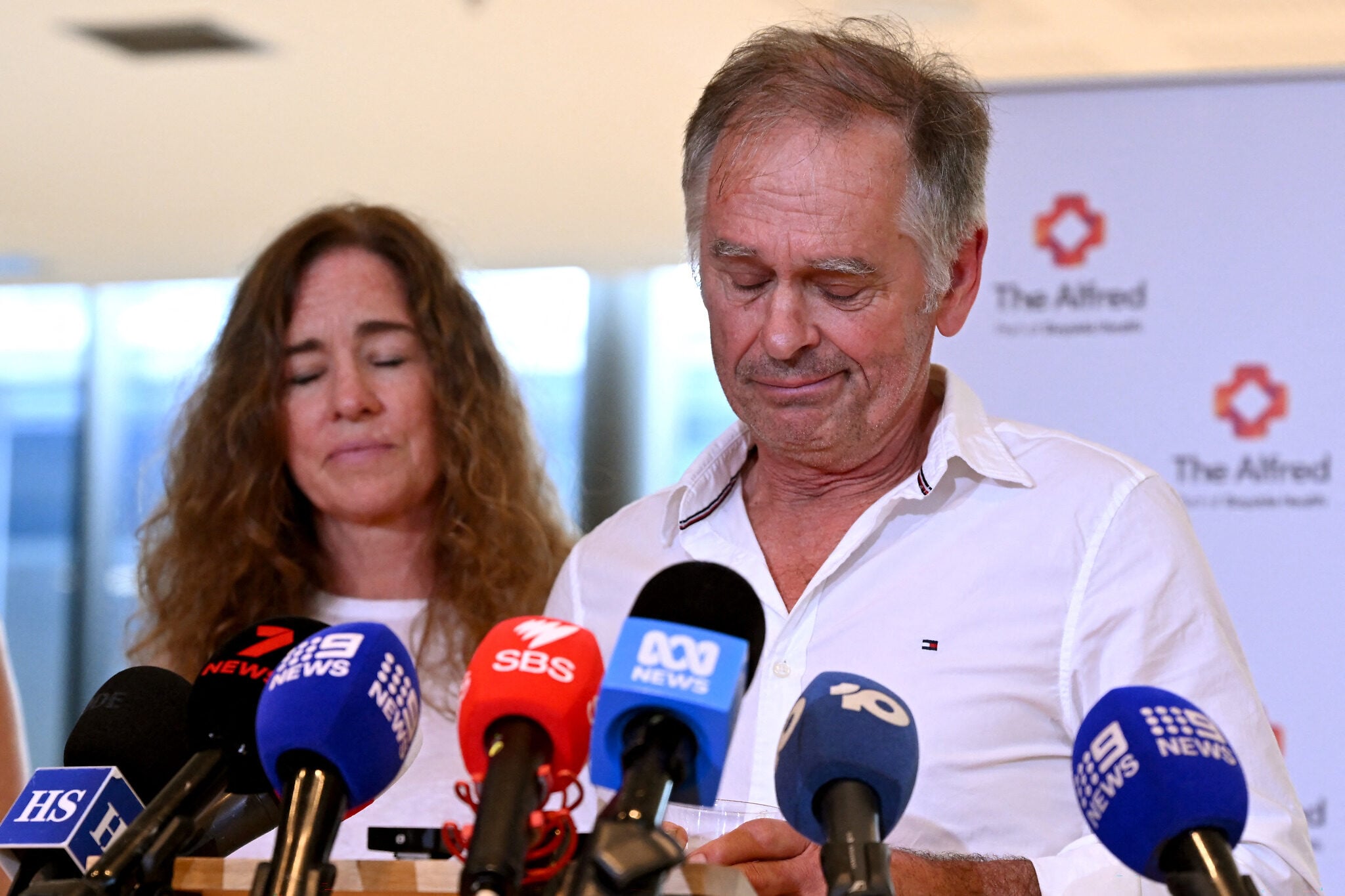
He added that their 40th wedding anniversary will be in November.
Suspect makes first appearance in court, motive still unclear
Earlier Wednesday, Brendan Nugent, a 43-year-old man from nearby Tarrawingee, appeared in the Wangaratta Magistrates’ Court charged with intentionally causing serious injury, dangerous driving causing serious injury and causing harm to a federal official.
Nugent didn’t apply for bail or enter a plea. He will remain in custody until his next court appearance in February.
Police believe the attack was targeted, though they have yet to determine a motive.
Investigators haven’t ruled out “further serious charges,” Victoria Police Chief Commissioner Mike Bush told reporters in Melbourne on Wednesday. Bush wouldn’t elaborate on the suspect’s believed motivations but said the question would form the “centerpiece” of the police inquiry.
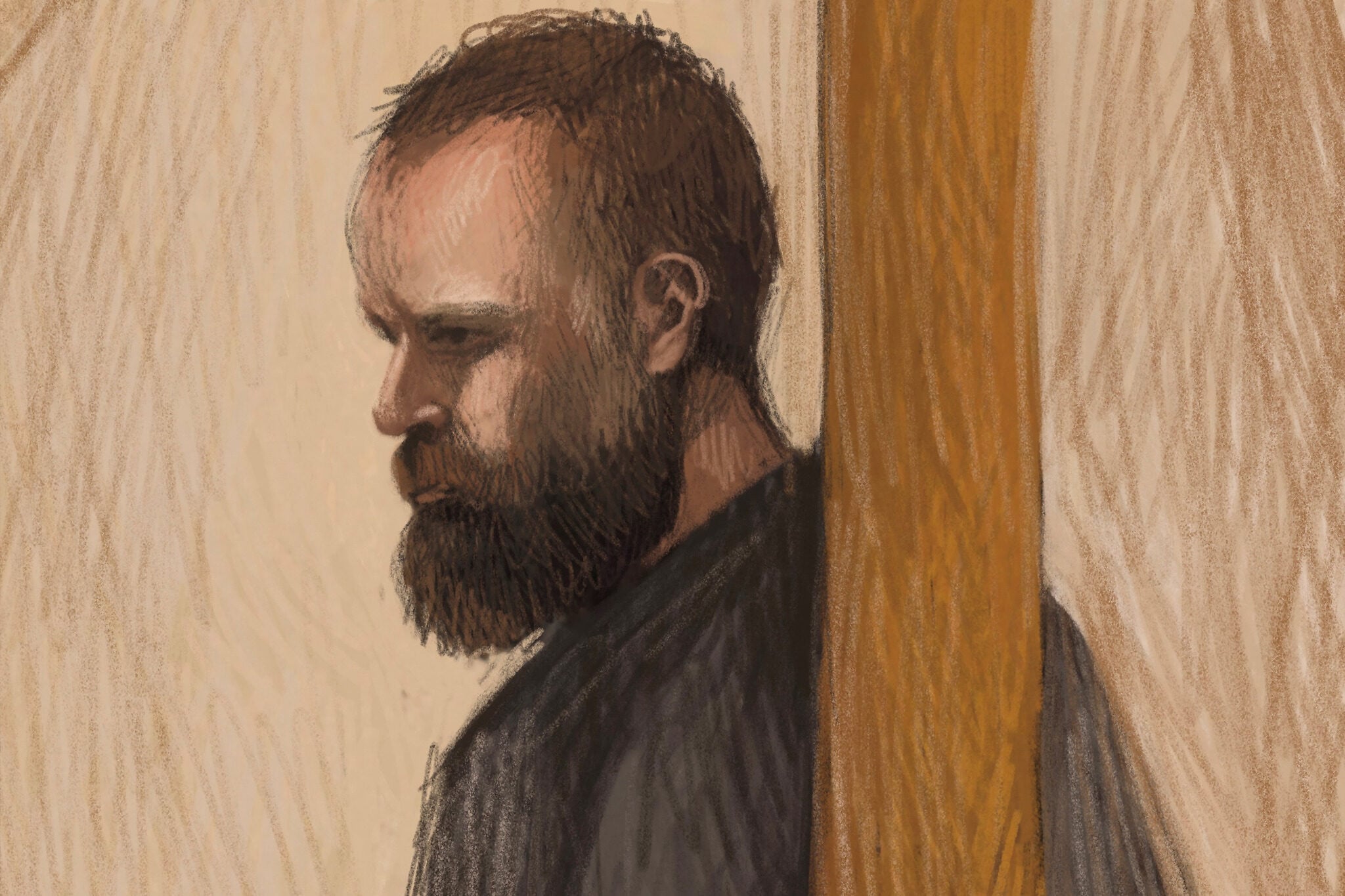
“There was nothing known to us that would have arisen or piqued our interest or given any indication that he was an immediate threat,” Bush said.
While Nugent’s social media presence showed no outward signs of hostility toward Haines, he appeared to have frequently criticized the Australian government over various issues, including the environment, disability support, and its response to Israel’s war in Gaza. There was no immediately apparent link between Nugent’s views on Gaza and the attack against Haines.
Nugent’s lawyer Chirag Patel told Magistrate Allison Vaughan that his client was suffering from potential mental health issues and a concussion. The lawyer did not explain how Nugent had been concussed.
Patel said Nugent suffered from a neurological condition, idiopathic transverse myelitis, but had not been diagnosed with any mental health problems.
The rare condition damages the spinal cord’s protective myelin sheath and disrupts nerve signals between the brain and body. This leads to rapid muscle weakness, sensory loss, pain, and bladder and bowel dysfunction, according to the Cleveland Clinic medical center.
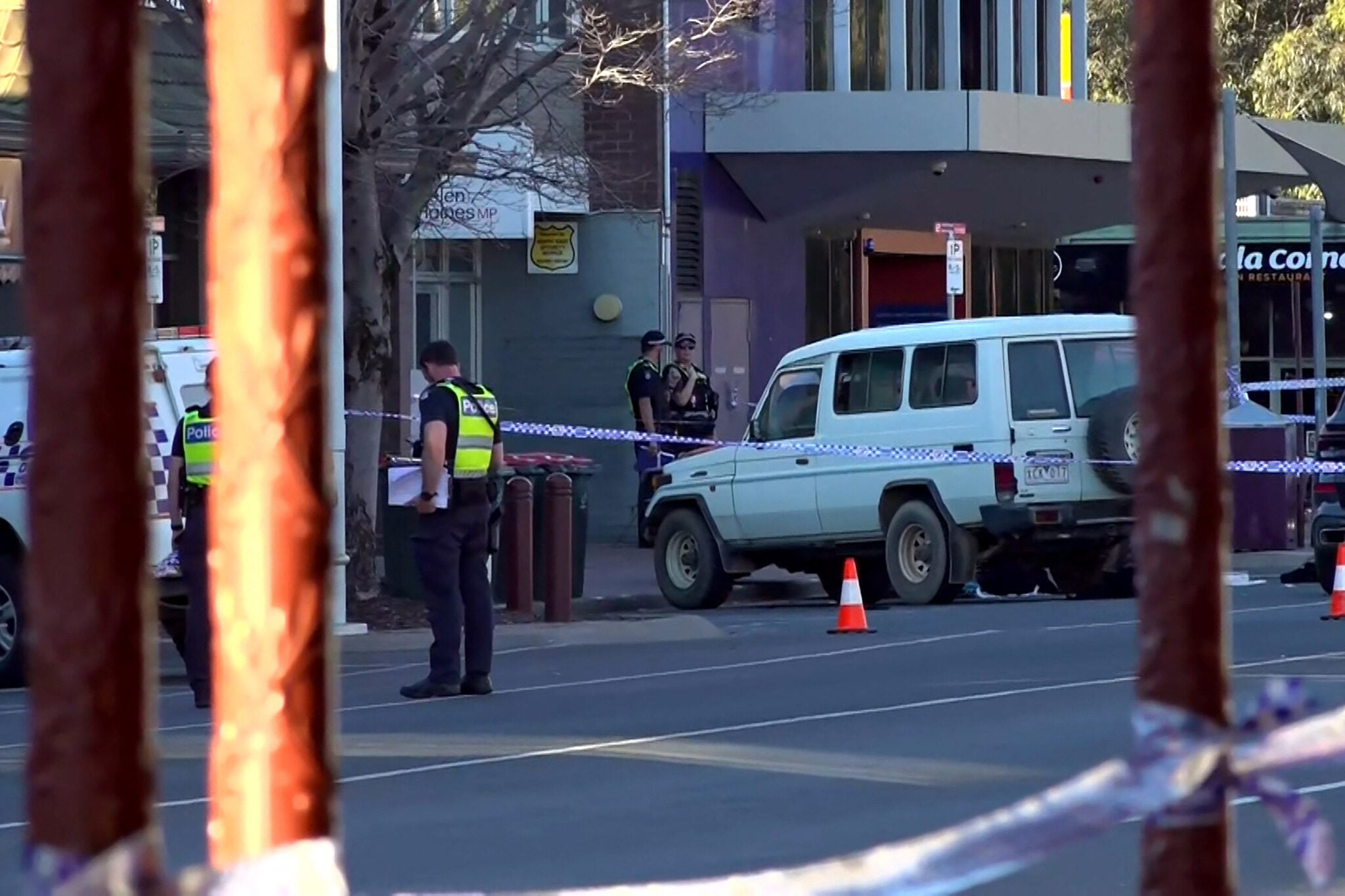
Witnesses say the driver rammed his victim, pinning her against her own car before reversing and ramming her a second time.
The suspect’s father, Rod Nugent, released a statement Tuesday describing Haines as a “deeply respected, valued and much-loved member of our local community.”
“Helen has been our friend for more than 20 years and what happened to her yesterday is devastating and unfathomable,” the father said, adding that he would cooperate with police.
Balance between accessibility and safety for politicians
The well-regarded lawmaker’s plight has shocked Australians, as political violence is uncommon in the country and politicians are highly accessible to the public. Most lawmakers are not accompanied by security details and go about their work and personal lives on their own.
Senior opposition lawmaker James Paterson on Wednesday called for a review of lawmakers’ personal security in response to the alleged crime.
“The reality is that Australian parliamentarians by global standards are uniquely accessible to the public and that’s a good thing,” Paterson told Australian Broadcasting Corp.
“But we… can’t have a situation where shocking attacks like this take place because that will fundamentally change our democracy forever if it becomes a serious risk to your life to be a member of parliament,” Paterson added.

But Prime Minister Anthony Albanese urged lawmakers to continue to engage openly with the public despite worsening animosity within the community.
“We want to make sure that people can feel as much comfort as possible that everything’s being done to maximize security,” Albanese told News24.
“I think parliamentarians across the board are determined to make sure that we can continue to engage as we need to in this great democracy of ours,” Albanese added. “That interaction is really important in our democracy.”