Australia’s Royal Commission on Antisemitism ends with Bondi rabbi’s plea for action
Set up after December's Bondi Beach massacre to probe antisemitism in Australia, make recommendations on security, law enforcement and social cohesion, hearings end after more than 60 days, 340 witnesses; findings due in December
Australia’s Royal Commission on Antisemitism and Social Cohesion has come to a close, wrapping up more than 60 days of public hearings aimed at exploring the surge in antisemitism in the country in the wake of the deadly Bondi Beach massacre.
The commission was established in January following the attack on a Hanukkah celebration at Bondi on December 14, 2025, in which 15 people were killed.
The commission on Wednesday finished its work after hearing 340 witnesses and receiving more than 20,000 submissions, with Rabbi Yehoram Ulman, Chabad Director of Bondi, who lost his son-in-law Rabbi Eli Schlanger in the attack, the last to testify. Schlanger’s then-two-month-old son was injured in the attack.
“My prayer is that when my grandson is old enough to understand what happened to his father, he will also be able to understand what Australia chose to do about it and that he would be proud of the choice we made,” Ulman said.
The Bondi Beach mass shooting was the first fatal attack against Jews in Australia and the country’s deadliest mass shooting since 1996.
Gunman Sajid Akram, 50, was shot and killed by police during the assault. His 24-year-old son Naveed, an Australian-born citizen who remains in prison, has been charged with terrorism and 15 counts of murder.
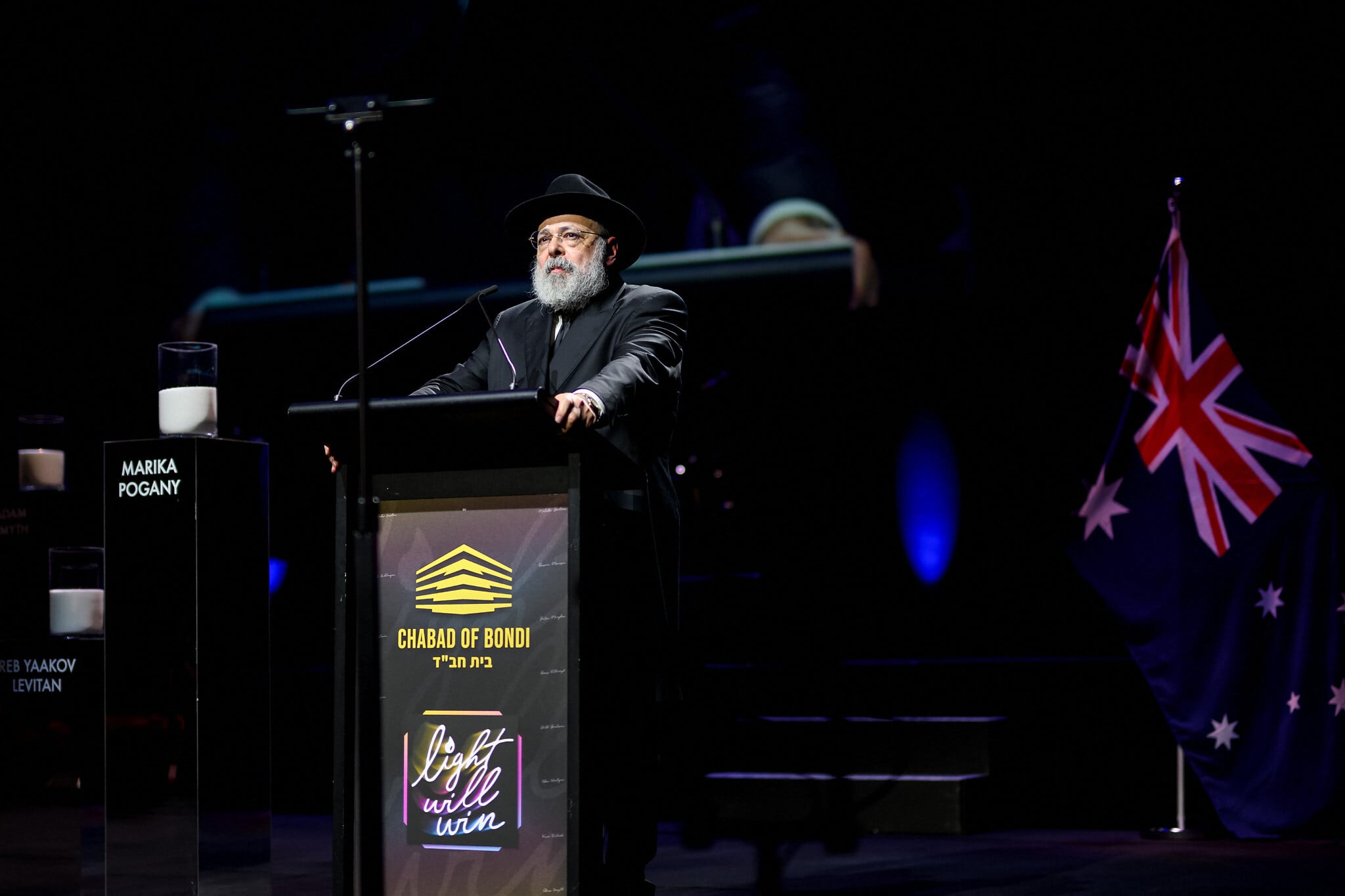
Ulman said he was grateful for the work of the royal antisemitism inquiry.
“Over these past months you have carried a solemn burden, listening to the pain of the community, examining the health of our society, and helping chart a path forward,” Ulman said.
Related: Full Text: At closing of commission, rabbi urges an Australia where Jews can be safe
“The events that brought us before this royal commission are for us not simply a statistic or headline,” he added, saying that, “For us, it is an empty seat at a Shabbat table; it is a child asking a parent whether it is safe to wear something identifying them as Jewish.”
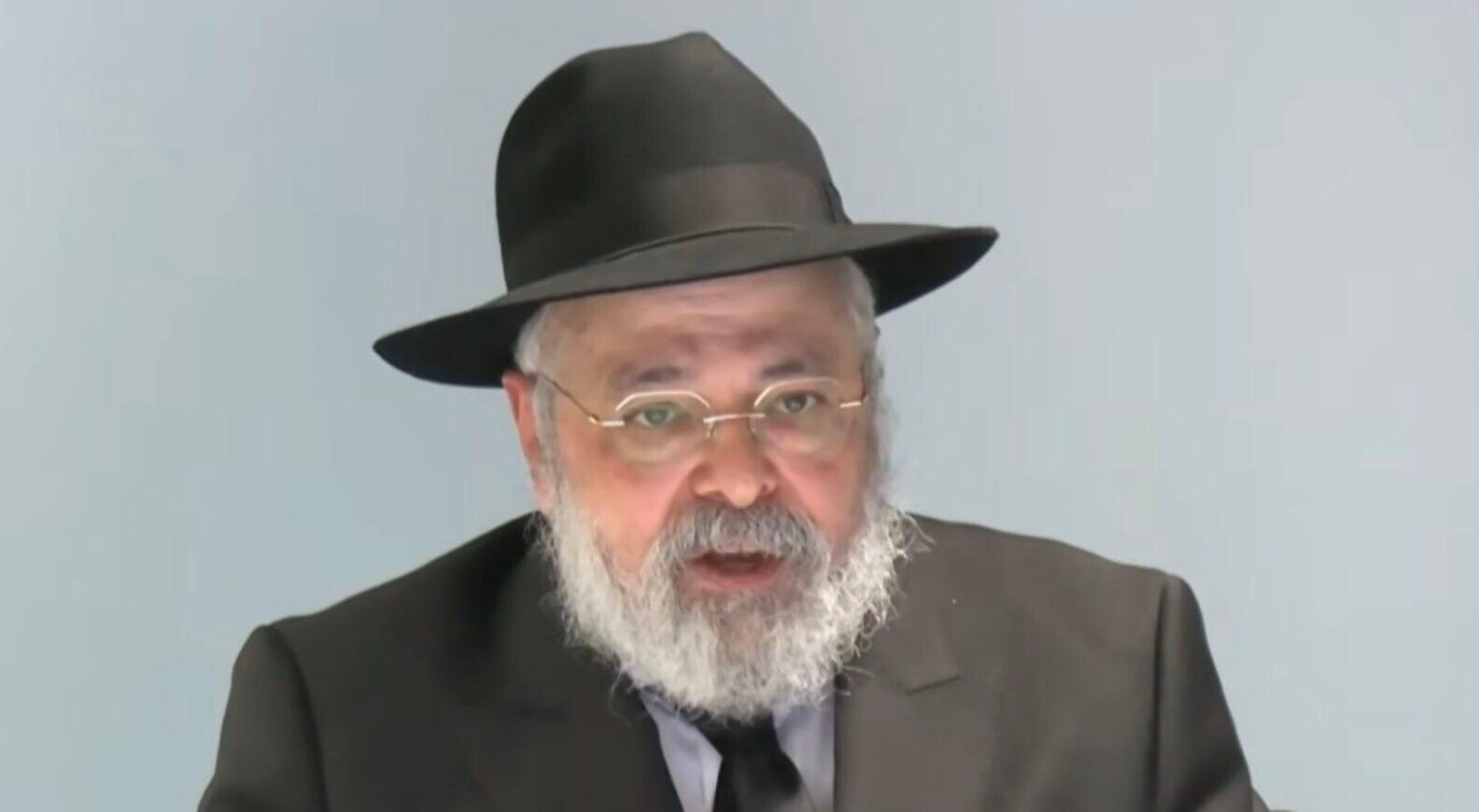
Since February, the commission has heard from Australian Jews, including students, academics, teachers, healthcare workers, artists and many others, who have described their experiences of antisemitism.
University leaders, politicians, community and religious organizations, police, intelligence officials and experts on extremism and social cohesion have also given evidence.
The commission was tasked with examining the extent and causes of antisemitism in Australia. This includes extremism and radicalization, and how antisemitism affects Australian Jews. It also examined what governments and institutions can do about it, how institutions have responded to antisemitism, whether the Bondi attack could have been prevented and how Australia can better protect social cohesion.
Some evidence about Bondi has been heard privately because it could affect national security or the criminal case against the surviving alleged attacker.
The commission is expected to present its findings in December.
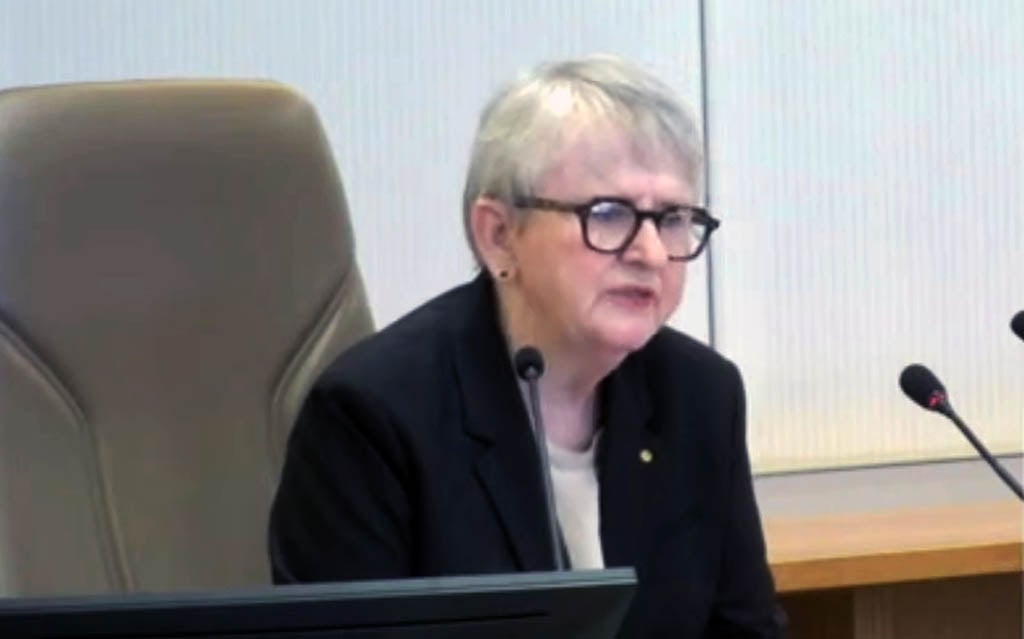
However, Commissioner Virginia Bell said she would delay handing in her final report so as not to take away attention from the anniversary of the Bondi terror shooting, The Guardian reported. The initial date for turning in the report was no later than December 14, 2026, the day of the Bondi attack.
“I fully understand that concern and to avoid that distraction I have asked for a short extension of the term with a view to the submission of my final report on Friday the 18th of December,” she said, according to The Guardian.
The Guardian also reported that there was public pressure, including from Jewish Liberal MP Julian Leeser, to extend the commission’s hearings in order to hear from more key witnesses.
“Many significant Australian voices will have been left unheard and critical players not put on the stand,” Leeser said.
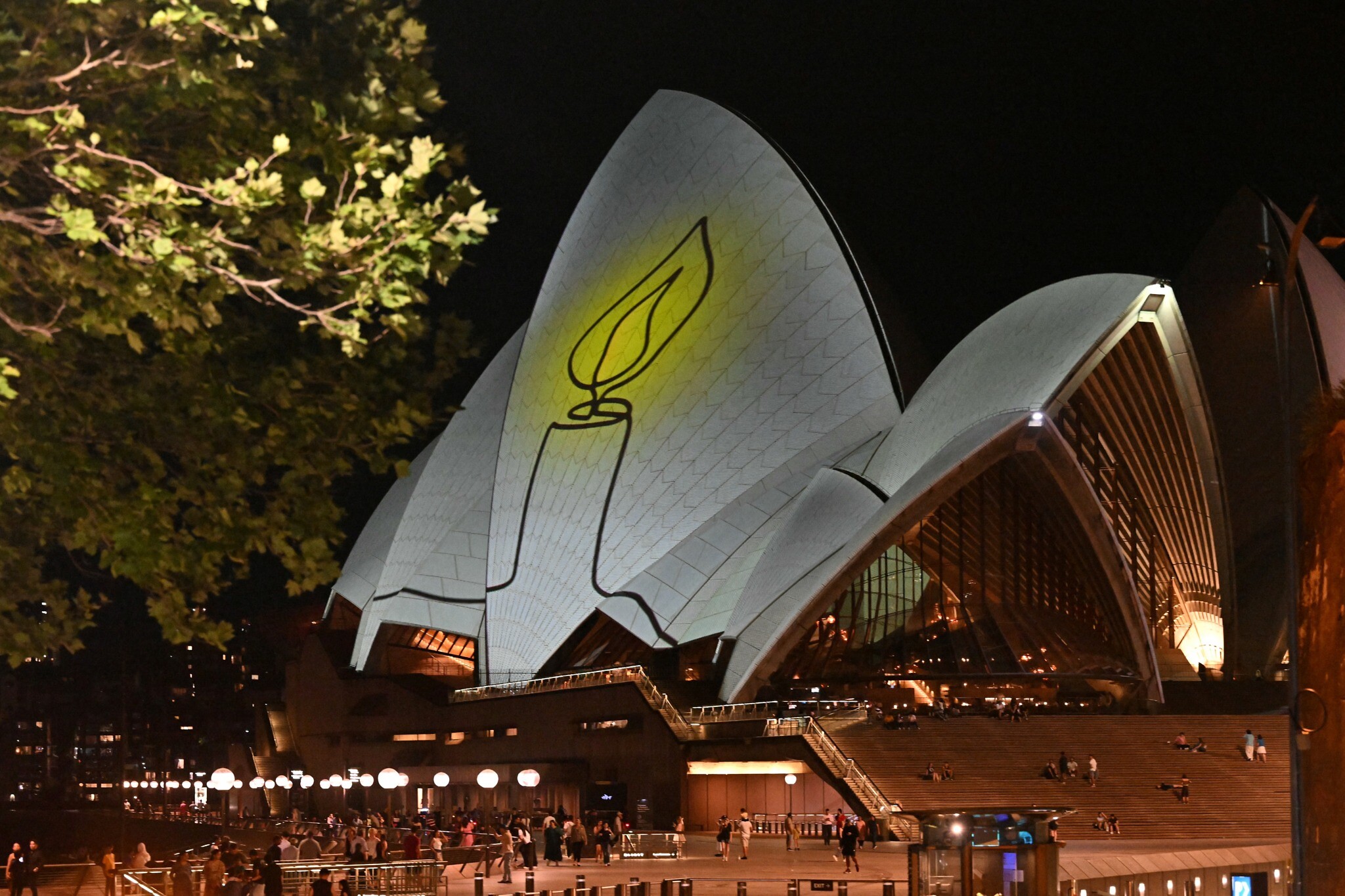
Senior security leaders in Australia also signed an open letter on Wednesday to extend the commission’s reporting date. Those who signed included a former governor-general, retired military heads and the former heads of the secret intelligence service.
“The speed with which the royal commission has been forced to conduct its hearings has not allowed detailed review of the rise of antisemitism, Islamist and other forms of extremism in Australia,” the letter said.
Ulman noted that Australia is at a “crossroads” and must choose what it will tolerate, defend, and stand for.