Under fire for urging ‘compromise,’ Liberman says he still wants Haredim to serve
Yisrael Beytenu leader denies trying to become PM, again rejects forming government with Arab support; Ra'am said ready to back opposition coalition even before signing a deal
Facing accusations that he has flip-flopped on a longstanding position, Avigdor Liberman said on Sunday that his call for compromise on ultra-Orthodox military service “doesn’t mean giving up values and principles,” and that he still hoped to achieve the goal of universal enlistment.
Liberman, chair of the hawkish Yisrael Beytenu party, made waves on Friday when he called for his opposition bloc to reach “painful” understandings with the Haredi factions in order to unseat Prime Minister Benjamin Netanyahu. The statement from Liberman — who broke with Netanyahu in 2019 over the issue of Haredi draft exemptions, and who has long been a fierce advocate for universal military conscription — sparked charges of hypocrisy.
In a Sunday statement on X, Liberman pushed back against those criticisms, which he said came from a “series of analysts, mouthpieces, bots and bigots.”
Liberman’s post came as the Jewish-led opposition bloc’s leader, Gadi Eisenkot, was set to receive the mandate to form a government. Because Eisenkot’s bloc controls only 48 seats in the Knesset, well short of a 61-seat majority, it would need to partner either with the Arab-led parties or with the ultra-Orthodox in order to unseat Netanyahu.
Liberman has consistently rejected establishing a government with support from the Arab parties, despite their stated willingness to do so. He reiterated that position on Sunday, accusing some Arab lawmakers of “publicly identifying with Hamas.”
Therefore, he said, the opposition’s only alternative is to turn to the Haredim.
“In order to prevent more elections and end the Netanyahu era, there is no choice but to make difficult decisions on matters when flexibility can be displayed to reach understandings,” Liberman wrote.
“Understandings don’t mean giving up on principles, and discussions don’t mean red lines are erased,” he continued. “I still believe the correct model is enlistment for everyone. At the same time, in light of the election results, we must examine the possibility of reaching understandings, including based on outlines devised in the past.”
He referenced an enlistment law he proposed in 2018, arguing that while it must be adapted to the new reality following the Hamas-led October 7, 2023, onslaught, it still is a reasonable starting point.
“I haven’t given up the principle of conscription, nor on my commitment to expanding benefits and improving the status of reservists and career soldiers,” he said.
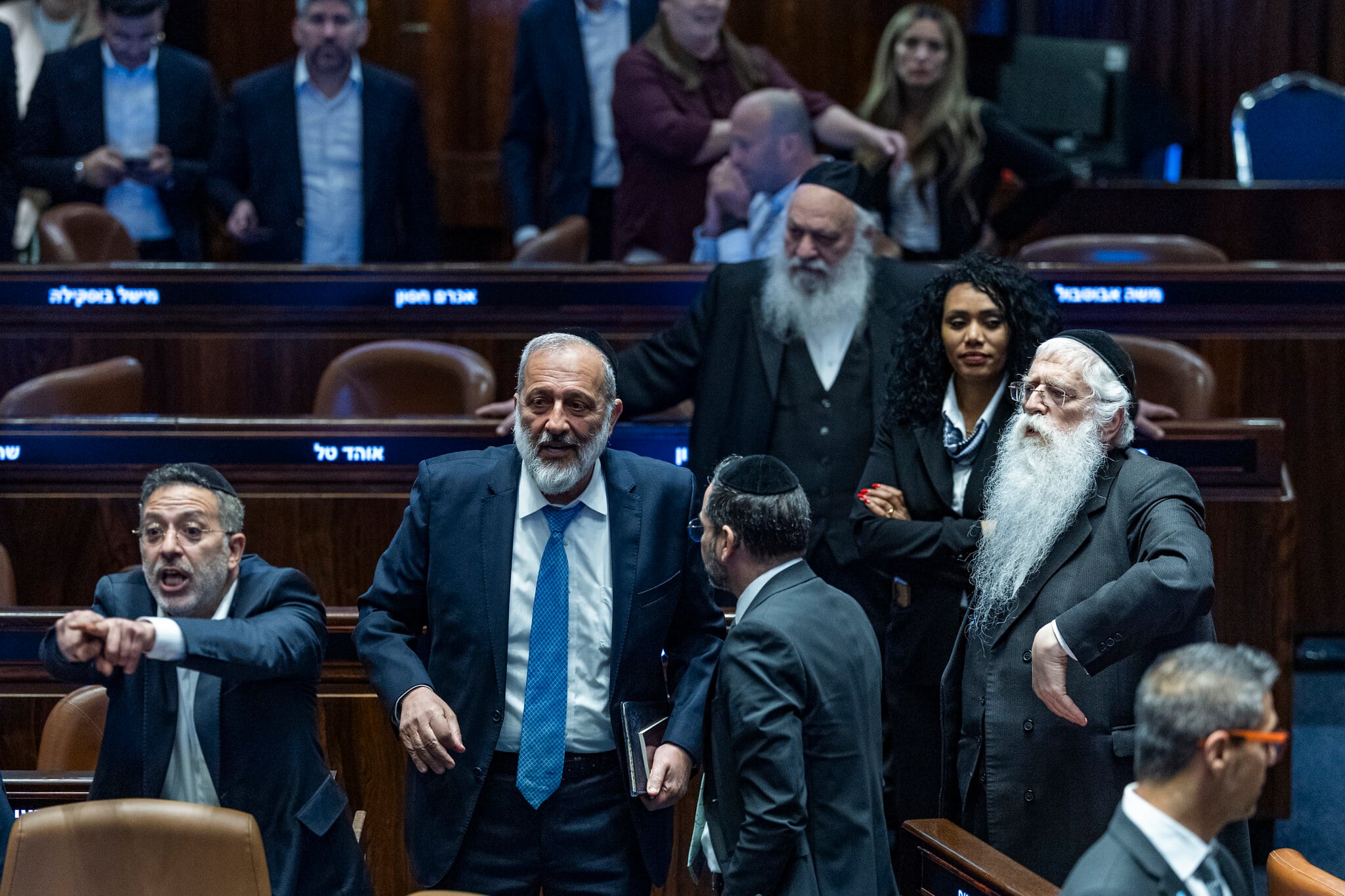
A partnership between the opposition and the ultra-Orthodox would amount to a political sea change in Israel. The Haredi parties, Shas and United Torah Judaism, have long been staunch allies of Netanyahu, while Eisenkot’s bloc campaigned on the promise of requiring the ultra-Orthodox to serve.
But UTJ broke with Netanyahu last week out of frustration over the draft issue, and declined to recommend that he serve another term, positioning itself as a free agent. Shas has stood by the incumbent prime minister, but is weakened, having lost nearly half of its seats in the election.
Eisenkot, however, has continued to demand that all parties in his future coalition commit to universal conscription. He reiterated that principle in a statement on Friday, shortly after Liberman’s post.
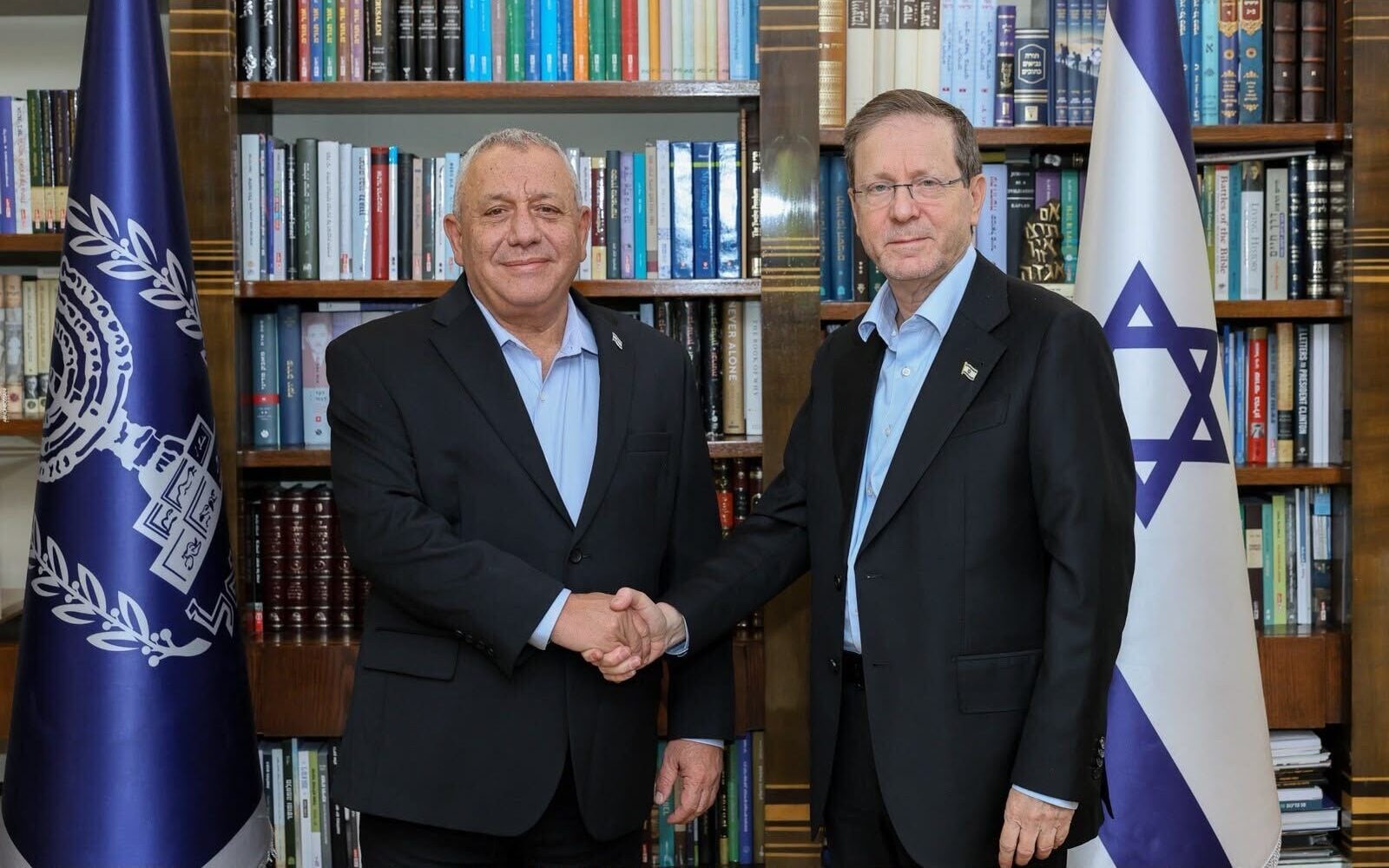
On Sunday evening, Eisenkot is due to officially receive from President Isaac Herzog the mandate to form a government, and will reportedly meet with Liberman on Monday. He will have up to six weeks to form a government.
Liberman has made no secret of his own desire to be prime minister. But in his post on Sunday, he denied accusations that he is “obsessed” with getting the job, and said he is not sabotaging Eisenkot’s efforts to form a government.
“I’m not acting out of a personal ambition to be prime minister at any price. I have always emphasized that for me, it’s an option, not an obsession,” he wrote. “I’m not engaged in political tricks and not trying to undermine anyone.”
Ra’am to vote in favor of Eisenkot coalition even without an agreement to join — report
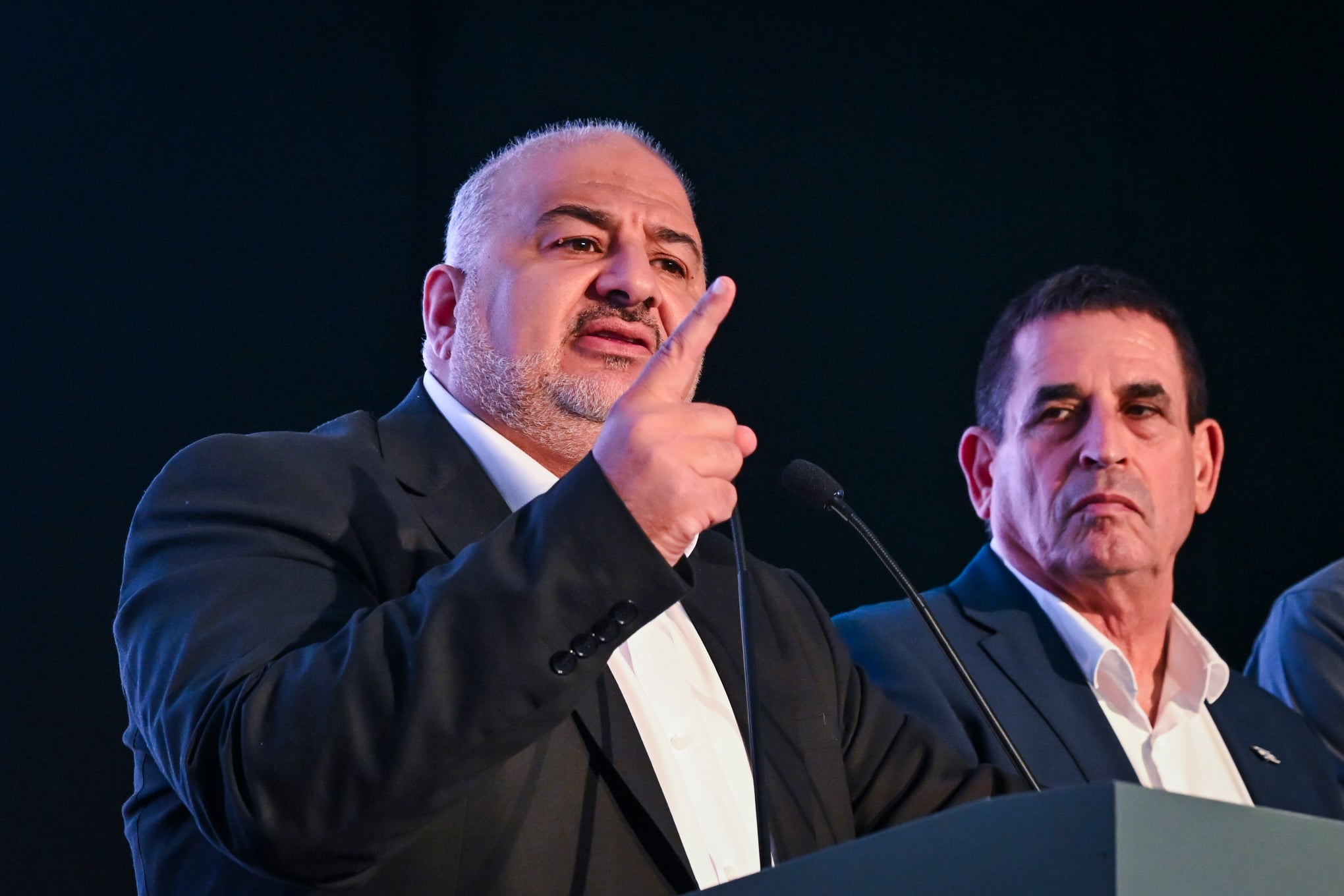
Meanwhile, the Haaretz daily reported on Sunday that the Arab-led Ra’am party intends to support an Eisenkot-led minority government, even if it hasn’t signed an agreement to join the coalition, in part to prevent the scenario Liberman is advocating.
The report, which cited an unnamed senior member of the party, said Ra’am wants to avoid Eisenkot’s bloc depending on support from UTJ. Ra’am previously joined a governing coalition from 2021 to 2022.
The other Arab party, the Joint List, will not vote in favor of such a government, but also won’t act to topple it, the report said.
That configuration would give Eisenkot 56 votes in favor of his government, versus a maximum of 53 votes against it, allowing him to unseat Netanyahu even without controlling a 61-seat majority in the Knesset.
However, Liberman’s party has repeatedly rejected establishing such a government.
Even before a government is sworn in, according to the report, both Arab-led parties intend to cooperate with Eisenkot’s bloc on replacing the Knesset speaker, Likud’s Amir Ohana, as early as possible and on setting up Knesset committees. Both would like to see policy changes toward the Arab community.
Ra’am chairman Mansour Abbas told Haaretz that the high turnout among Arab voters in the October 27 election stemmed from a desire to see a change of government, and that his party will act accordingly. He confirmed that the party is in talks with Eisnekot and representatives of the bloc he leads.
If Eisenkot is able to replace Ohana with an opposition candidate, it will enable him to control the timing of the vote to swear in the new government.