Ben Gurion Airport and workers agree to ease post-strike backlog, but next crisis looms
Airports Authority and staff to relieve airport congestion, while union still warns of shortage of hundreds of workers ahead of the busy Jewish holidays starting next month
After the fiasco at Israel’s main international airport last week that led to widespread delays in flights and baggage handling for thousands of travelers during the peak summer season, the Israel Airports Authority announced on Sunday that it had agreed with labor representatives on steps to stabilize operations and ease congestion.
However, it was unclear whether the measures would resolve any of the fundamental issues in the dispute, and thereby avert the next crisis at Tel Aviv’s Ben Gurion Airport, ahead of the busy Jewish holiday travel season starting next month.
After the two-hour wildcat strike Thursday, which sparked extensive delays and flight cancellations at the airport, the management of the Israel Airports Authority and the workers’ union agreed to refrain from labor action as the airport attempts to regain full operational services, including baggage handling, security, and ground services.
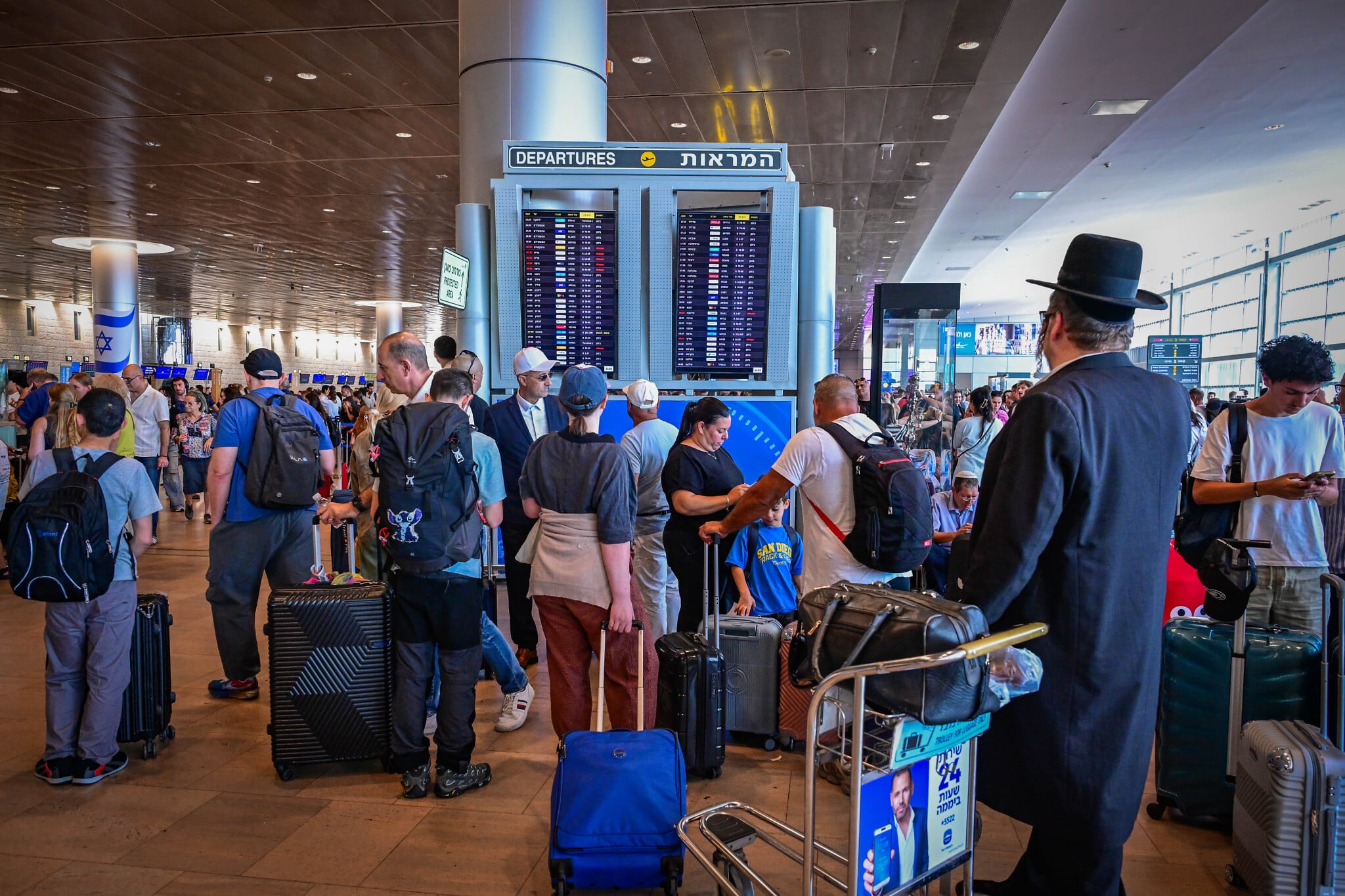
After employees returned to work mid-afternoon Thursday, a surge of arriving and departing flights within a brief time window quickly created bottlenecks — not just on the runways, but at the gates, baggage claim, and passenger traffic.
The impromptu labor action caused damage estimated at NIS 25-30 million ($8-10 million). On Friday morning, Ben Gurion Airport was the most disrupted airport in the world for departures, with delays averaging between 70 and 90 minutes. Disruption continued through Friday, with the Israeli airport topping the list of the world’s most disrupted overall later that day.
The work stoppage, which the Israel Airports Authority labor union denied having called, evolved as check-in counters and baggage handling were left unmanned, after staff walked off at the end of their scheduled shift around noon Thursday, rather than continuing for overtime hours.
The labor disruption came after weeks of workers’ complaints about a personnel shortage to handle the large influx of passengers passing through the airport during the summer vacation rush, the busiest time of the year.
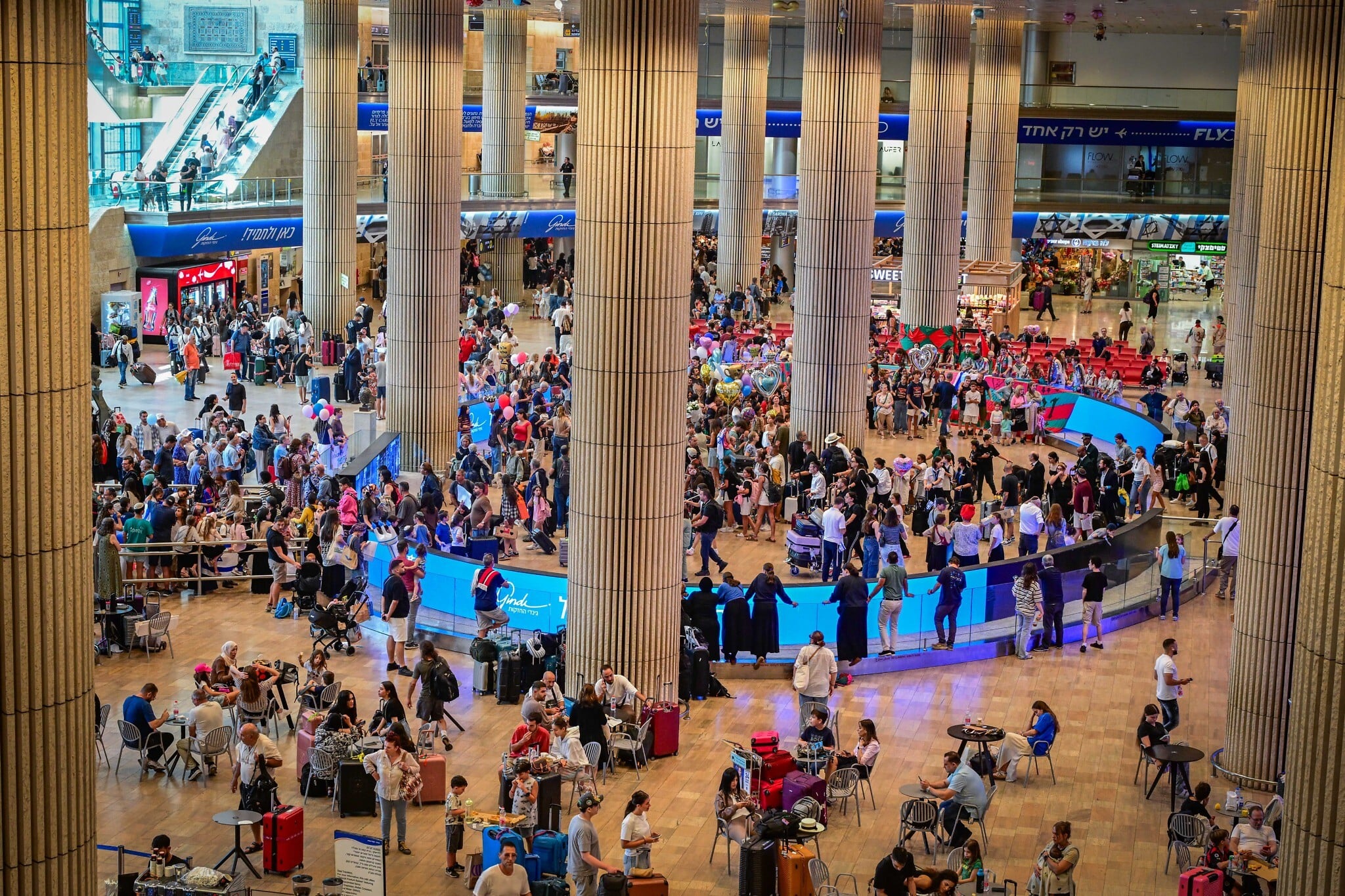
To deal with staffing shortages, the Israel Airports Authority said Sunday that managerial staff will join ground services shifts, focusing on baggage handling and queue management, to relieve congestion and tackle backlogged operations.
In addition, the sides agreed that no changes will be made to existing plans to recruit new employees in preparation for the Jewish Holidays next month, another busy travel period, the Israel Airports Authority said. It did not disclose details about planned hiring numbers.
After the chaos at the airport, and prior to the latest agreement, the IAA workers’ union said it had issued multiple warnings before the August holiday rush, cautioning that an acute shortage of 400 to 500 employees would hinder the ability to meet operational demands and passenger services. In addition to the severe shortage, over 100 employees are currently on reserve military duty, and dozens more are absent due to prolonged illness, injuries, or workplace accidents.
The understaffed airport divisions are affecting operations, including ground handling, firefighting, security, baggage claim, and transportation, according to the workers’ union.
The union said service staff at the IAA, responsible for the airport’s smooth and orderly operation, are working 220 to 260 hours a month, often in the intense heat and without breaks, as shifts are extended from eight to 12 hours during the peak summer season because of staffing shortages.
The union blamed the staff shortage largely on management problems and difficulties recruiting employees. The IAA denied the shortage figures, alleging that union chief Pinchas Idan had exploited the airport’s peak summer days to put pressure on management for additional manpower and permanent positions.
The IAA contended that it had been working intensively in recent months to recruit new staff across all units. Dozens of additional employees have already been hired, and recruitment efforts are ongoing, the authority stated.
Former Transportation Ministry director-general Keren Turner, now a member of the B’Yachad political party, argued that the public was being harmed by poor public services and harshly criticized the current government’s handling of a crisis she said had been predictable. The public was “paying the price for a ministry on the verge of collapse from excessive political appointments and failed management,” said Turner.
IAA chair Yiftah Ron-Tal is seeking to oust Idan, Channel 12 reported Saturday, claiming that numerous relatives of the workers’ union head were employed at the airport without actually working. Idan, 70, is already facing the wrath of Prime Minister Benjamin Netanyahu, who on Friday said he had submitted an official request to expel him from his Likud party. Idan is a member of the Likud Central Committee who has reportedly signed up thousands as Likud members.
The Transportation Ministry and the IAA on Sunday separately announced inquiries into who was to blame for Thursday’s work disruptions and airport bedlam.
Transportation Minister Miri Regev’s office said she had ordered an inquiry into the circumstances that led to the airport chaos. The ministry described the probe as external, but did not provide details about who would undertake the inquiry or what its goals or timeline are. Regev is on holiday in Morocco, having left the day before the shutdown and praised Idan’s union before leaving.
Separately, the IAA announced it had formed an internal review committee to examine the sequence of events that led to the crisis. The internal committee will be headed by the IAA’s internal auditor, assisted by an independent professional. The committee has been instructed to reach preliminary findings by the end of this week.
Times of Israel staff contributed to this report.