Bill blocking police from recommending charges advances
Proposal to abolish investigators' summaries of wrongdoing at the end of investigations clears Knesset preliminary reading
Lawmakers on Wednesday advanced a bill that would ban police from giving state prosecutors their opinion on lodging criminal charges against suspects at the conclusion of an investigation.
The contentious proposal by Likud MK David Amsalem — opposed by police, the state attorney, and the attorney general — cleared its preliminary reading in the Knesset plenum with 52 lawmakers in favor, 42 opposed.
MK Rachel Azaria (Kulanu) was the only coalition member to vote against the bill, which comes as Prime Minister Benjamin Netanyahu is being investigated in two corruption probes.
Although police don’t recommend outright whether to file indictments, they do provide prosecutors with a summary that notes whether there is sufficient evidence a crime was committed. The proposed bill is widely understood as an attempt to prevent officers from influencing the prosecution’s decisions on indictments.
The proposed legislation, which is expected to undergo significant revisions before it becomes law, would impose a one-year jail term on police investigators who violate this directive.
In its future revisions, the bill was expected to ban police summaries in investigations where there is an accompanying state prosecutor — as is the procedure for probes involving public officials.
“The role of the police is to investigate facts while a recommendation is a subjective interpretation that encroaches on the territory of the prosecution, which is authorized to decide whether to place someone on trial, not the police,” the bill said.
In its explanatory text, the authors of the bill argued that police assessments of the evidence placed undue pressure on prosecutors to press charges.
“In many cases where the police decision to recommend an indictment is publicized, the suspect automatically becomes a defendant, and this is even before a final decision is made,” the bill said.
During the stormy plenum session that preceded Wednesday’s vote, Yesh Atid leader Yair Lapid accused Amsalem of pushing the bill at Netanyahu’s behest to shield the prime minister from prosecution.
“MK Amsalem, answer one question: Why now? How is it that the law is coming a minute before the investigations into the prime minister reach the recommendation stage?” said Lapid. “MK Amsalem, you are a messenger… the truth is that you are trying to save the prime minister.”
Presenting the bill to the plenary, Amsalem said that of the some 40,000 criminal cases brought before the State Prosecution per year, around one-third are not taken to trial despite police recommending charges.
“Those people’s lives are frozen for years until their cases are closed. The police ruin the lives of 15,000 people a year,” Amsalem said.
“I care for the people of Israel. The people of Israel are important to me. And yes, the prime minister is one of them,” Amsalem added.
Jewish Home Minister Uri Ariel said the bill, in its current formulation, “raised some difficulties,” and would drag out legal proceedings significantly.
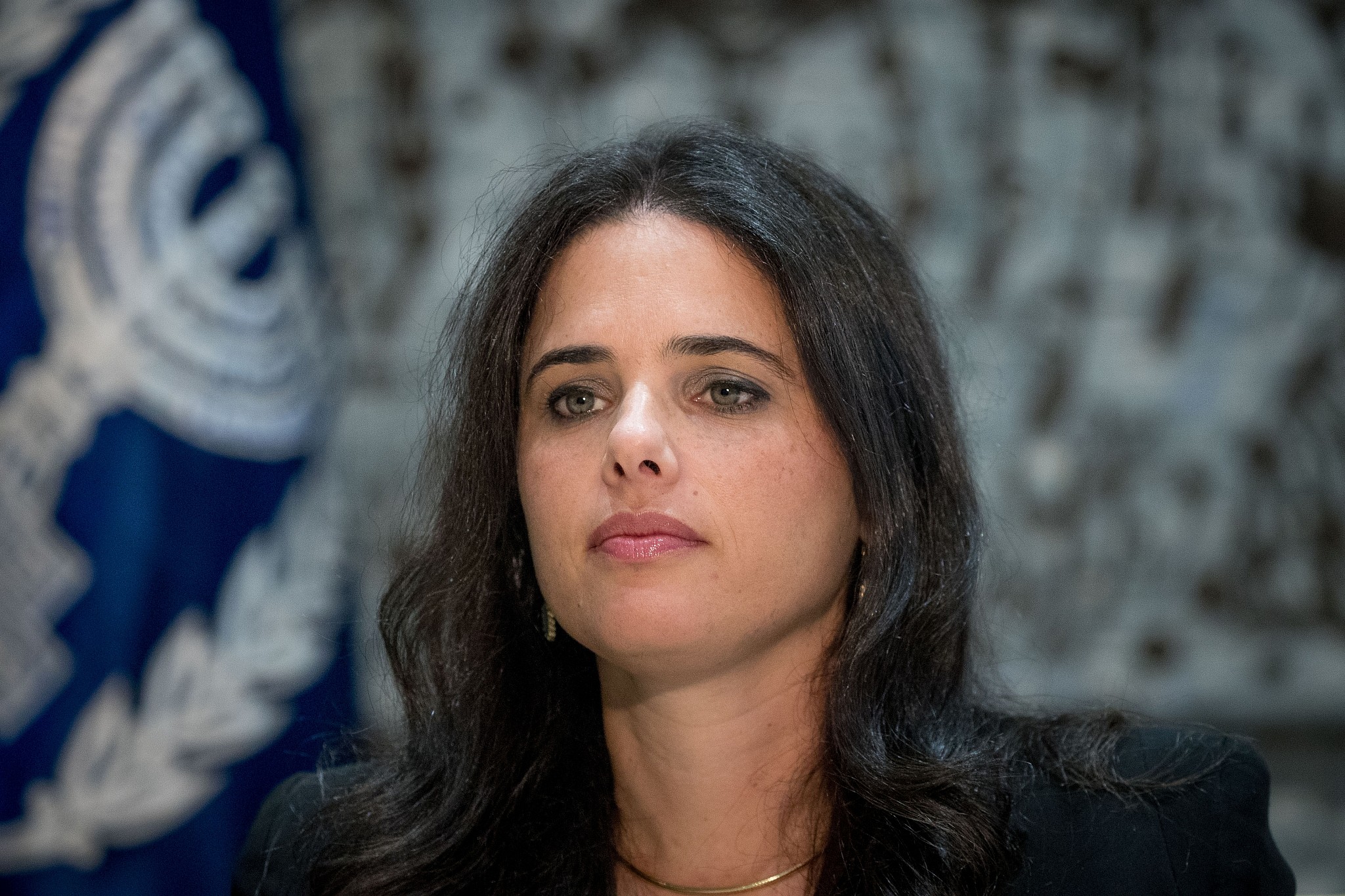
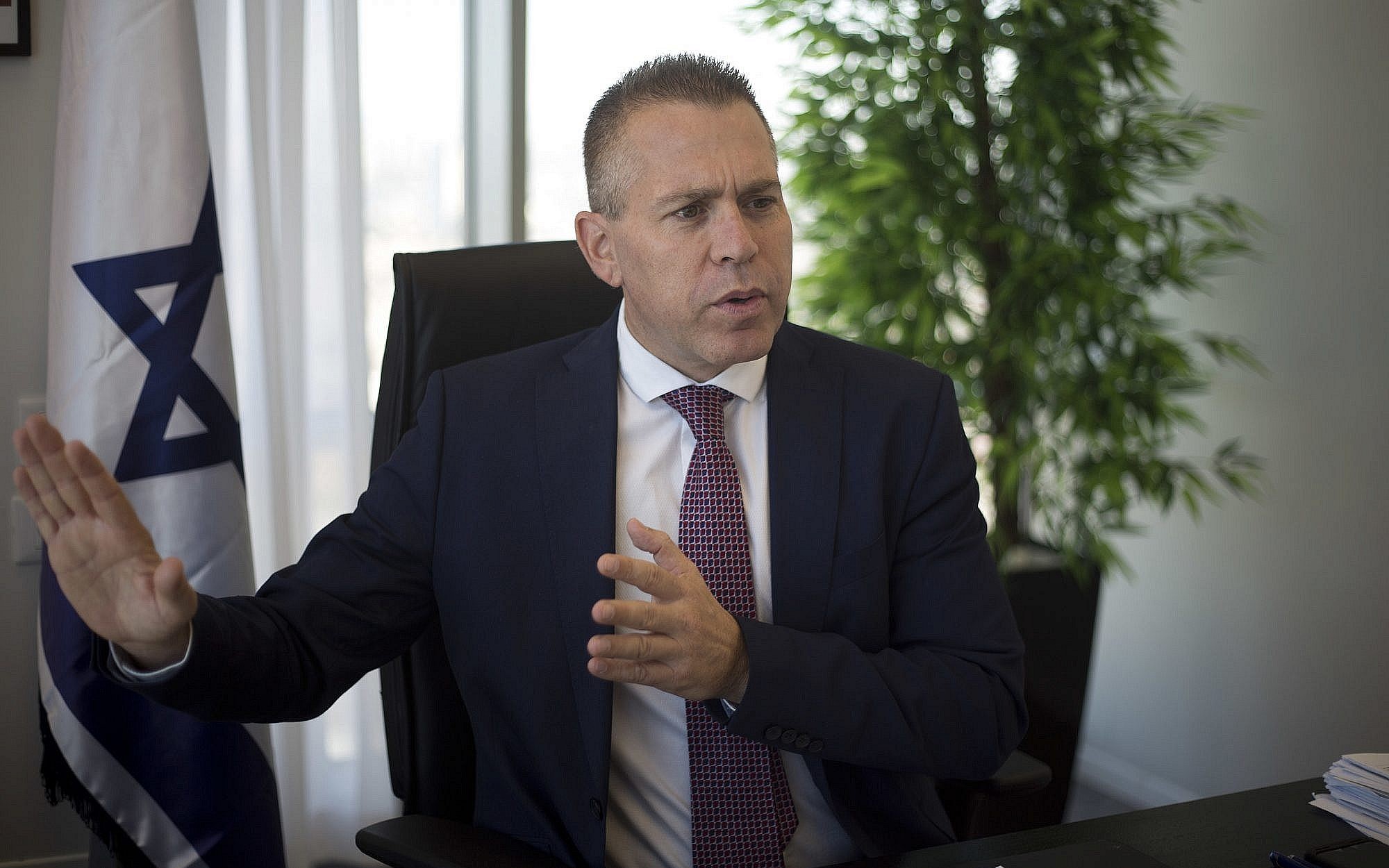
Justice Minister Ayelet Shaked (Jewish Home) and Public Security Minister Gilad Erdan (Likud) have reportedly expressed reservations about the bill and have conditioned its advancement on the approval of their respective ministries.
Ariel confirmed this condition in the plenum on Wednesday and said ministers would again vote on a revised bill before it was brought to the plenum for its first reading.
Having passed the preliminary vote, the bill is now set to go to committee where lawmakers will prepare it for further plenary votes.
The proposal may however be held up over a new brewing coalition fight on which committee will revise the bill. Likud wants it go to Amsalem’s Internal Affairs Committee but Jewish Home are calling for it to be dealt with by the Justice and Law committee, headed by their own MK Nissan Slomiansky.
On Sunday, State Prosecutor Shai Nitzan attended the ministerial meeting debating the bill.
Nitzan clarified that under the existing procedures police don’t recommend whether or not to file an indictment but rather inform prosecutors of the scope of evidence. Without that advice, prosecutors would have to read in detail the material from each case in order to formulate an opinion, work that would require hiring many more attorneys, he warned.
“The bottom line is I will need another 100 employees,” Nitzan said. “I also don’t see the point of the proposed bill,” he continued. “It will cause a tortuous legal process for the suspects and the plaintiffs… [and] The public has the right to know if police believe there is a body of evidence.”
In investigations of public officials, the State Prosecution is tasked with deciding whether to press charges or not, based on the investigation carried out by the police.
Although the current police summaries are internal documents shared only with state prosecutors, in high-profile cases involving public officials, conclusions have been leaked to the media.
The bill is seen as part of a spate of recent legislative efforts by coalition politicians to make it harder for prosecutors to charge public officials.
The proposed legislation comes as Netanyahu is being investigated in two corruption cases, known to police by their codenames “1000” and “2000.”
Case 1000 relates to allegations that Netanyahu and his wife, Sara, received illicit gifts from billionaire benefactors, most notably hundreds of thousands of shekels’ worth of cigars and champagne from the Israeli-born Hollywood producer Arnon Milchan.
Case 2000 involves a suspected illicit quid-pro-quo deal between Netanyahu and Yedioth Ahronoth newspaper publisher Arnon Mozes that would have seen the prime minister hobble a rival daily, the Sheldon Adelson-backed Israel Hayom, in return for more favorable coverage from Yedioth.
The prime minister denies any wrongdoing in both cases.
Investigators are also expected to set a date for Netanyahu to provide testimony as a witness in Case 3000, which involves suspected corruption by several associates of the prime minister in the sale of German submarines to Israel.
In an apparent attempt to block police from making Netanyahu a suspect in Case 3000, and potentially also put an end to Cases 1000 and 2000, Amsalem had also proposed a bill granting serving prime ministers immunity from corruption investigations.
Despite threats from Likud lawmakers to bring down the government if that bill was not advanced, the proposal has now been temporarily shelved amid coalition disagreements.
Stuart Winer and other Times of Israel staff contributed to this report.