Channel 13 suspends anchor Eyal Berkovic over anti-Arab remarks
TV host and ex-soccer star questioned medical credentials of US politician Abdul El-Sayed and MK Ahmad Tibi; Kan embroiled in dispute with anchor over anti-Bedouin remarks
Television commentator and former international soccer star Eyal Berkovic was suspended indefinitely by Channel 13 on Sunday over comments he made on air the day before, in which he questioned and mocked the legitimacy of the academic credentials of US senator-elect Abdul El-Sayed and Joint List MK Ahmad Tibi, both of whom are medical doctors.
Berkovic’s suspension came amid an uptick in anti-Arab commentary on Israeli television in the wake of last month’s Knesset elections, in which Arab-led parties won a record 19 seats as a result of unprecedented voter turnout in Israel’s minority community. That turnout triggered allegations of fraud and foreign interference from Prime Minister Benjamin Netanyahu, who has contested the results and called the election “stolen by Arab parties,” which he has cast as “supporters of terror.”
While outwardly anti-Arab commentary on Israeli TV has generally been confined to Channel 14, a right-wing channel staunchly loyal to Netanyahu, several of Israel’s more mainstream channels have been forced to take action for comments widely perceived as racist, such as Channel 13, in the case of Berkovic.
It has also affected the Kan public broadcaster, which recently clashed with its host, Ayala Hasson, over similar anti-Arab remarks, as well as Channel 12, whose inclusion of anti-Arab commentary in its post-election coverage sparked sharp criticism from its own journalist Barak Ravid live on air as “racist” and “simply disgusting.”
In the latest instance, during a Channel 13 news program on Saturday, Berkovic and his co-host, Moriah Asraf, asked reporter Suleiman Maswadeh to profile Michigan’s new anti-Israel senator-elect Abdul El-Sayed.
When Maswadeh pointed out that El-Sayed holds an MD from Columbia University, Berkovic interjected.
מופע מחליא של גזענות מבית היוצר אסרף&ברקוביץ.
מוריה אסרף ואייל ברקוביץ לא מאמינים שמוסלמי/ערבי יכול להיות דוקטור. כדי לתת תוקף למשנת עליונות הגזע שלהם, הם רומזים שגם חבר הכנסת אחמד טיבי הוא לא באמת דוקטור. אז יש לי בשורה לשני המטומטמים האלה באולפן של 13, אחמד הוא לא רק דוקטור… pic.twitter.com/2962xutwgS
— Danny Gallant דני גלנט (@RedRevDanny) November 7, 2026
“Everyone is now given the ‘doctor’ honorific; did you check if he’s a doctor?” he said.
As Maswadeh started to explain that El-Sayed is indeed a certified doctor, Berkovic continued: “They also say about Ahmad Tibi that he’s a doctor. So what if they say? He should show the certificate. Now everyone’s a doctor.”
At that point, Maswadeh pointed out that the longtime Arab Israeli lawmaker, too, is an MD and a trained gynecologist who graduated from the Hebrew University of Jerusalem.
Berkovic then mockingly addressed his co-host, Asraf, and said: “Moriah is also a doctor. What kind of a doctor are you?”
Asraf herself went along with Berkovic’s jokes throughout the segment.
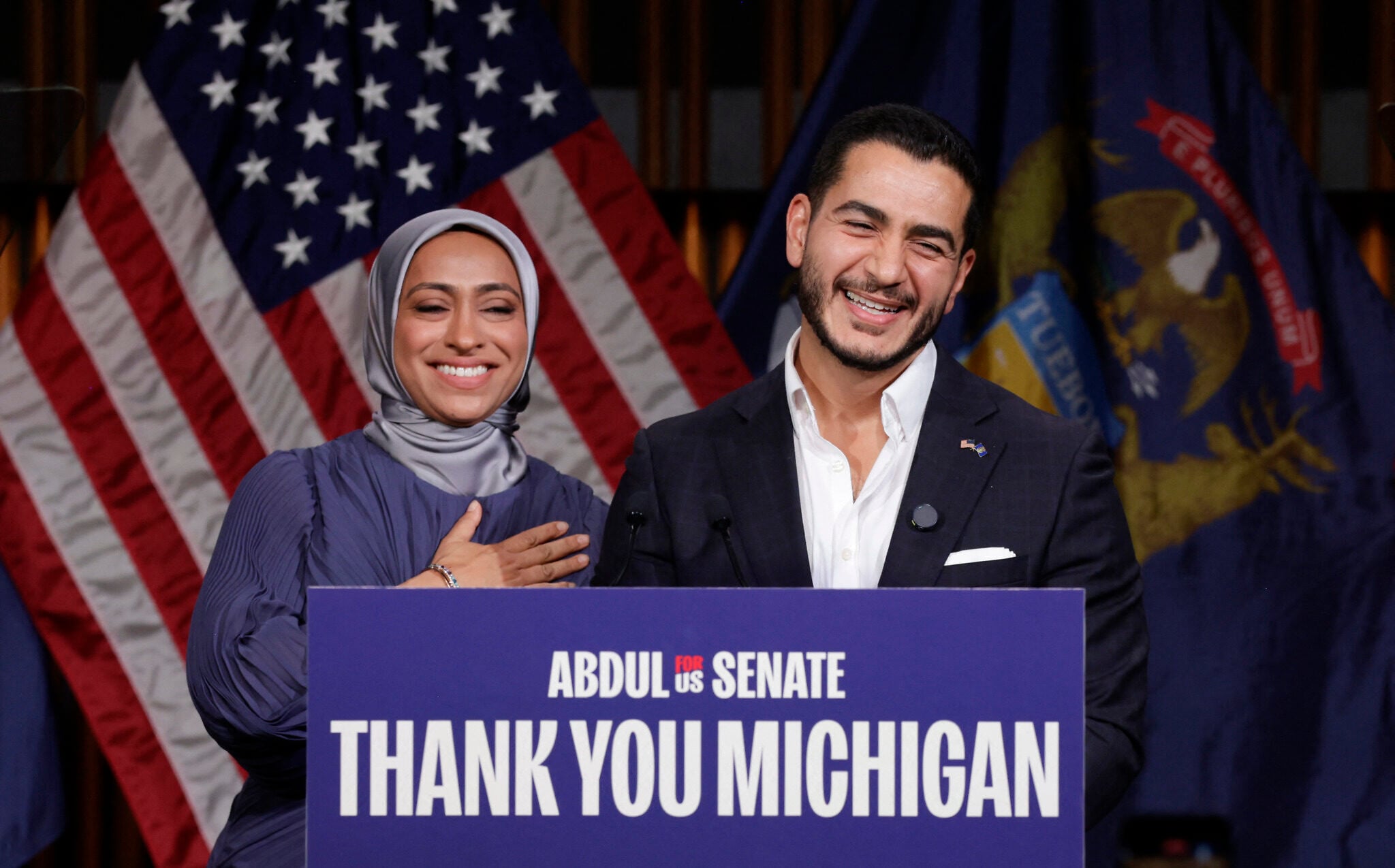
In a statement, Channel 13 said: “Freedom of expression and diversity of opinion are among the foundations of a free press, but don’t legitimize racist remarks. The words uttered yesterday on the program ‘Moriah and Berko’ are unacceptable and don’t align with the company’s values.
“As a result, a clarification meeting has been held with Eyal Berkovic, at the end of which it was decided that he will be suspended from broadcasting with immediate effect,” the outlet added.
Channel 13 did not specify the duration of Berkovic’s suspension.
It also did not mention if it was suspending, or otherwise reprimanding, Asraf for her participation in the segment.
The controversy came just days after Berkovic was widely criticized for comments he made on air to fellow anchor Lucy Aharish, herself an Arab Israeli, during which he told her: “Calm down, you’re not in the village here.”
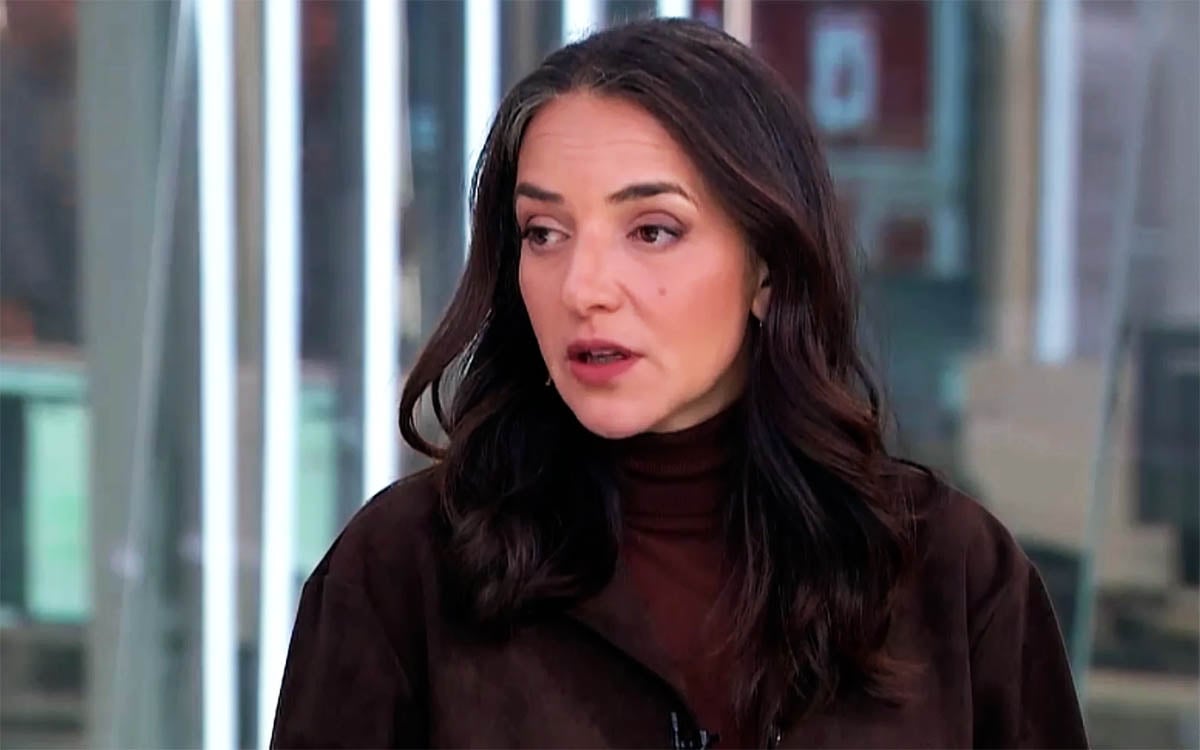
Aharish, who was the target of a lengthy harassment campaign by right-wing activists earlier this year, demanded that Berkovic apologize for his remark, and has since refused to appear on Channel 13.
Berkovic acknowledged that his comment was “incorrect,” but denied that it was racist, saying people have “gone too far” in accusing him of prejudice against Arabs.
Channel 13 did not reference that exchange or Ararish in its announcement of Berkovic’s suspension.
Kan broadcaster clashes with anchor
Meanwhile, Israel’s public broadcaster, Kan, has been embroiled in its own controversy over remarks made last week by longtime anchor Ayala Hasson on a podcast, which were widely criticized as racist and derogatory toward Israel’s Bedouin community.
In the comments, Hasson ridiculed the so-called “change bloc” of anti-Netanyahu political parties for the possibility of joining forces in government with Arab-led parties, asking, “With who is the ‘change’? With the Bedouin women in the Negev, with veils, whose husbands have several other wives like them, and most of whom are battered women?”
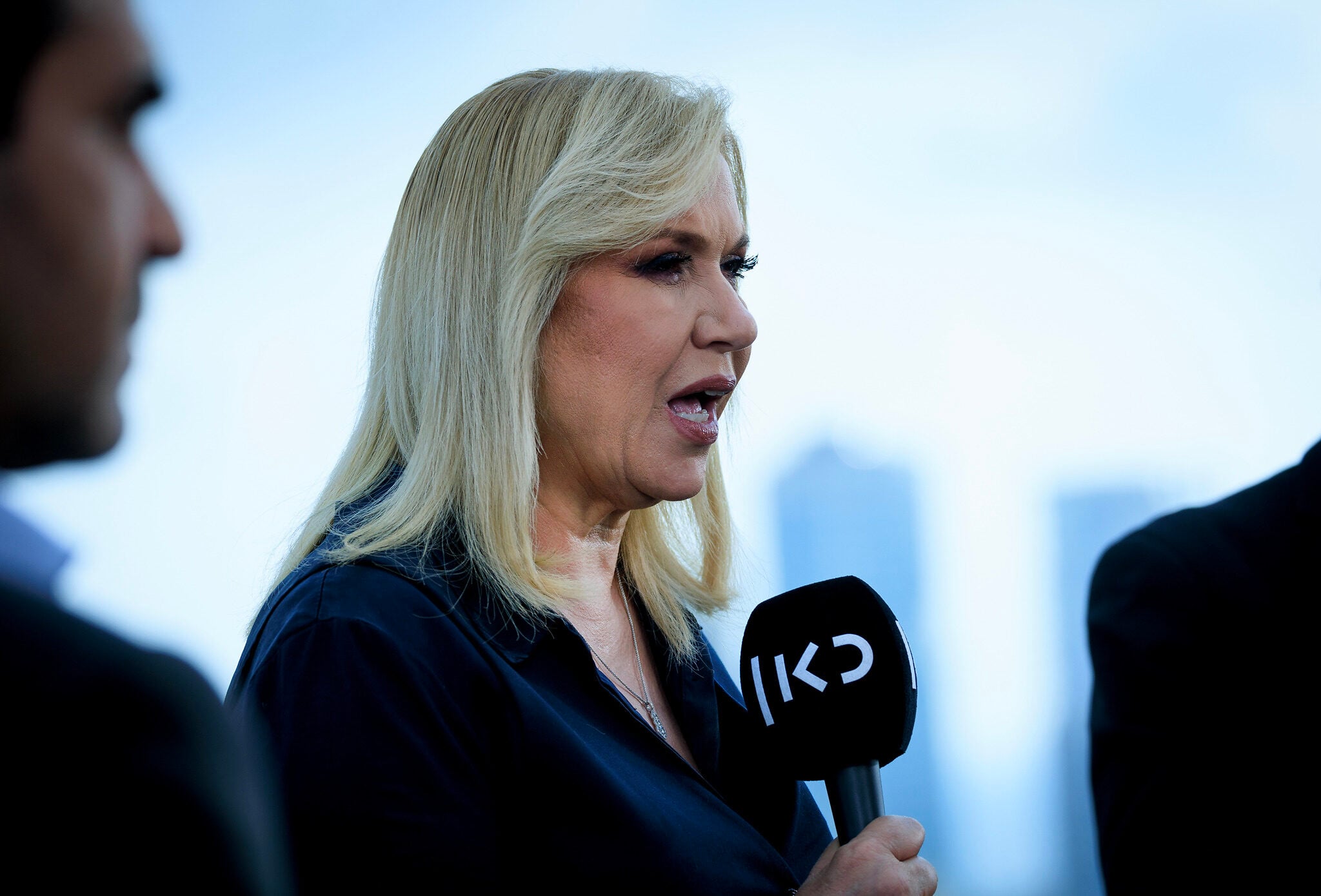
Hasson later apologized on social media, saying: “I would like to clarify that I had no intention whatsoever of offending any women, and to anyone who was offended by my words, I apologize to her from the depths of my heart.”
But after Kan asked her to also apologize on air, Hasson said on X that she was presented with “an ultimatum,” saying that Kan’s news director, Lior Landenberg, had personally messaged her with the text of an apology she was to read on air.
Hasson said the apology text “was designed to humiliate me,” claiming that Landenberg “threatened that if I did not read it, I would not be allowed to present my program.”
She further decried what she described as a “political incitement campaign being waged against me,” which she said she “highly doubts” is being done for the “welfare of disadvantaged women in Bedouin society.”
Hasson later published screengrabs of her WhatsApp exchange with Landenberg, which she called “an illegal and unethical ultimatum,” and said she would not be returning to broadcasting for the time being.
תגובת תאגיד השידור הישראלי שהופצה היום לתקשורת היא שקרית, והדברים מגובים בהתכתבויות מפורשות.
בניגוד להכחשת התאגיד כי “איש לא הכתיב לה את נוסח תגובתה”, מנהל החדשות ליאור לנדנברג הכתיב לי נוסח התנצלות המסלף את דבריי ומייחס להם משמעויות שלא היו בהם, ודרש שאקריא אותו בשידור כתנאי… pic.twitter.com/ZCkJU3i54f
— Ayala Hasson. (@AyalaHasson) November 7, 2026
In a statement it issued before Hasson publicized the text exchange, Kan said that the broadcasting corporation had “exchanged written drafts” for the apology, and that Hasson “announced on her own initiative on social media” that she would no longer appear on the channel.
Kan added that it stands by Landenberg’s decisions, saying that he has been the subject of threats since Hasson went public with her dispute.
It has not issued any other comments on Hasson.
Barak Ravid slams ‘disgusting racism’ on Channel 12 after election
On Israel’s other main news channel, Channel 12, prominent journalist and commentator Barak Ravid made headlines last week over a sharp rebuke of what he described as “disgusting” comments made on air by a Likud spokesman just beforehand, in which he characterized voters of Arab parties as “Nukhba supporters,” referring to Hamas’s elite terror force.
“I really think it’s time that we simply do not allow this kind of racism and this kind of lies in our studio,” Ravid said, unprompted, after the anchor asked him about developments between the US and Iran.
“Enough. Really enough,” he continued. “The Arab public went out to vote and exercised its democratic right, voted and received 19 seats for two parties that it voted for.”
"Enough is enough." On Israel's Channel @N12News, Barak Ravid calls out the racism and the lies about Arab voters in the Israeli media space. Exercising your democratic right to vote doesn't equate to being terror supporters.
His message to his own network: stop letting these… https://t.co/4NyYIzuTT7 pic.twitter.com/x41gEVgYAm
— UnXeptable (@UnxeptableD) November 2, 2026
“People came out and expressed their opinions,” he said. “We cannot continue to allow disgusting, repulsive, and false generalizations in our studio, which essentially say that all these voters are supporters of terrorism.”
“It is simply disgusting and it is a lie. It is a lie, and I think that people should not be allowed to continue lying like that on our broadcast,” he added.
“Twenty percent of Israeli citizens are Arabs. They have the right to influence Israeli politics, and not all of these 20% are Nukhba supporters,” he said. “I don’t know if even some of them are. But it’s certain that you can’t come here on our broadcast and say ‘Nukhba supporters.'”
After a brief exchange with fellow commentator Almog Boker, who pushed back against his characterization of the comments as racist, the segment was quickly ended.
Channel 12 has not issued a comment on the exchange.