China, France, Britain said to oppose UAE candidate for UN chief in secret vote
3 of 5 veto-wielding Security Council members are reportedly against Lana Nusseibeh's candidacy for secretary-general, raising prospect role will be unfilled after Dec. 31 deadline
Three of the UN Security Council’s five permanent members voted against United Arab Emirates diplomat Lana Nusseibeh for next UN secretary-general in an informal secret poll on Friday, according to global advocacy group 1 for 8 Billion.
Media reports indicate Nusseibeh, who has family roots in Jerusalem’s Old City and has defended Emirati normalization with Israel, enjoys the support of Russia and the US, suggesting the votes against her came from China, France and Britain, the council’s other veto-wielding members.
Nusseibeh, who also has a master’s degree in Israeli and Jewish Diaspora Studies, would be the first woman to lead the world body throughout its 80 years of existence.
A late entry in the race to replace Antonio Guterres, Nusseibeh has faced scrutiny over the UAE’s alleged support for the paramilitary Rapid Support Forces, accused of atrocities and mass killings in Sudan’s civil war. Last year, Sudan filed a case at the top UN court accusing the United Arab Emirates of breaching the genocide convention by arming and funding the RSF. The UAE asserted the case was “nothing more than a cynical publicity stunt.”
The Gulf nation has denied the claims that it supports the RSF.
Friday’s Security Council straw poll was the first one since Nusseibeh threw her hat in the ring last month to disclose how many “encourage” or “discourage” votes each candidate got from permanent members.
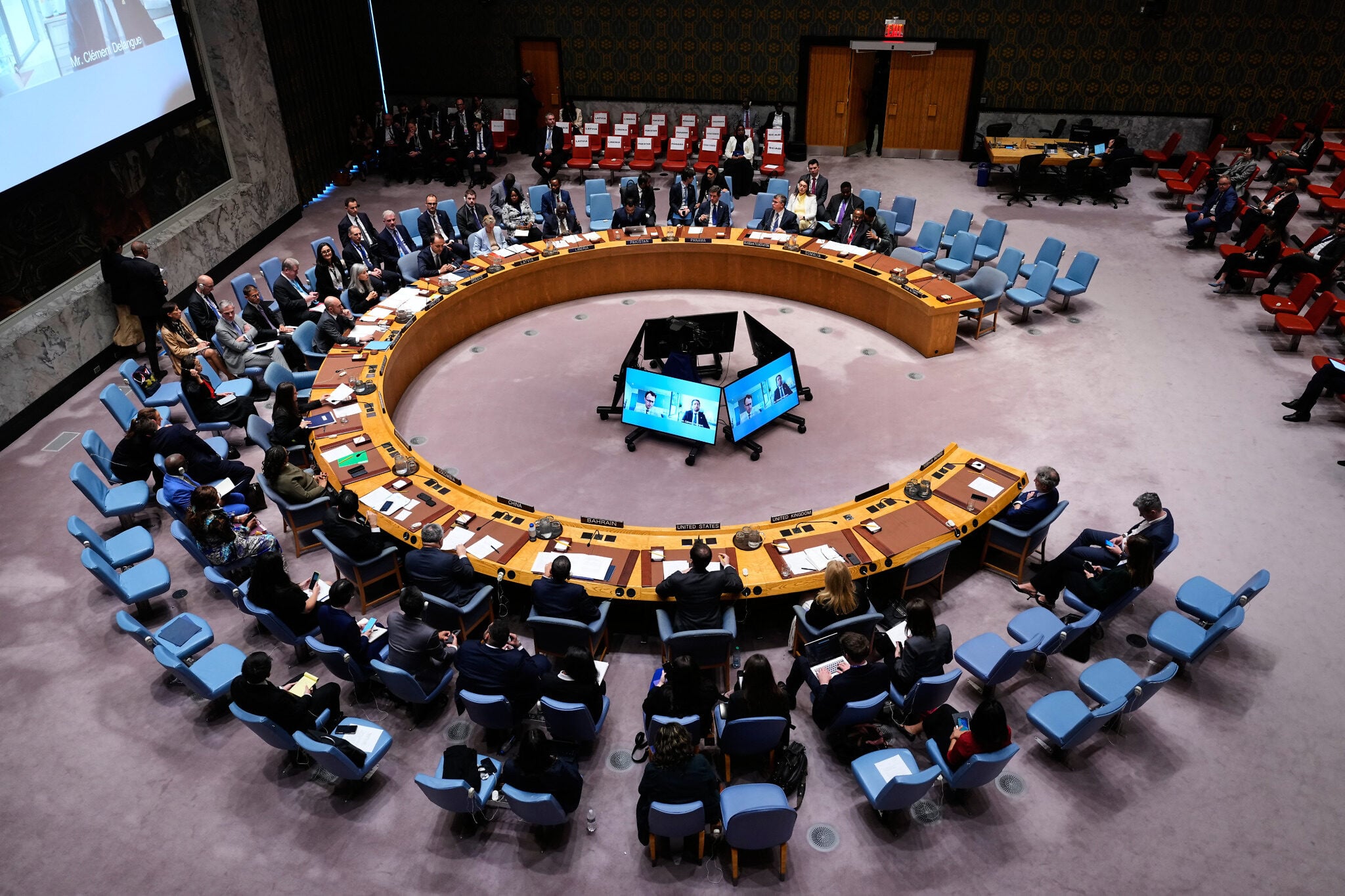
Securing the 15-member council’s recommendation requires a formal vote, expected once one candidate shows a strong chance of prevailing, with at least nine positive votes and no “discourage” votes from permanent members.
The figures from 1 for 8 Billion, which campaigns for transparency in the selection process and for a woman to lead the UN, showed Nusseibeh getting a total of seven “encourage” votes, two “no opinion” votes and six “discourage,” including the three permanent members’ votes against her.
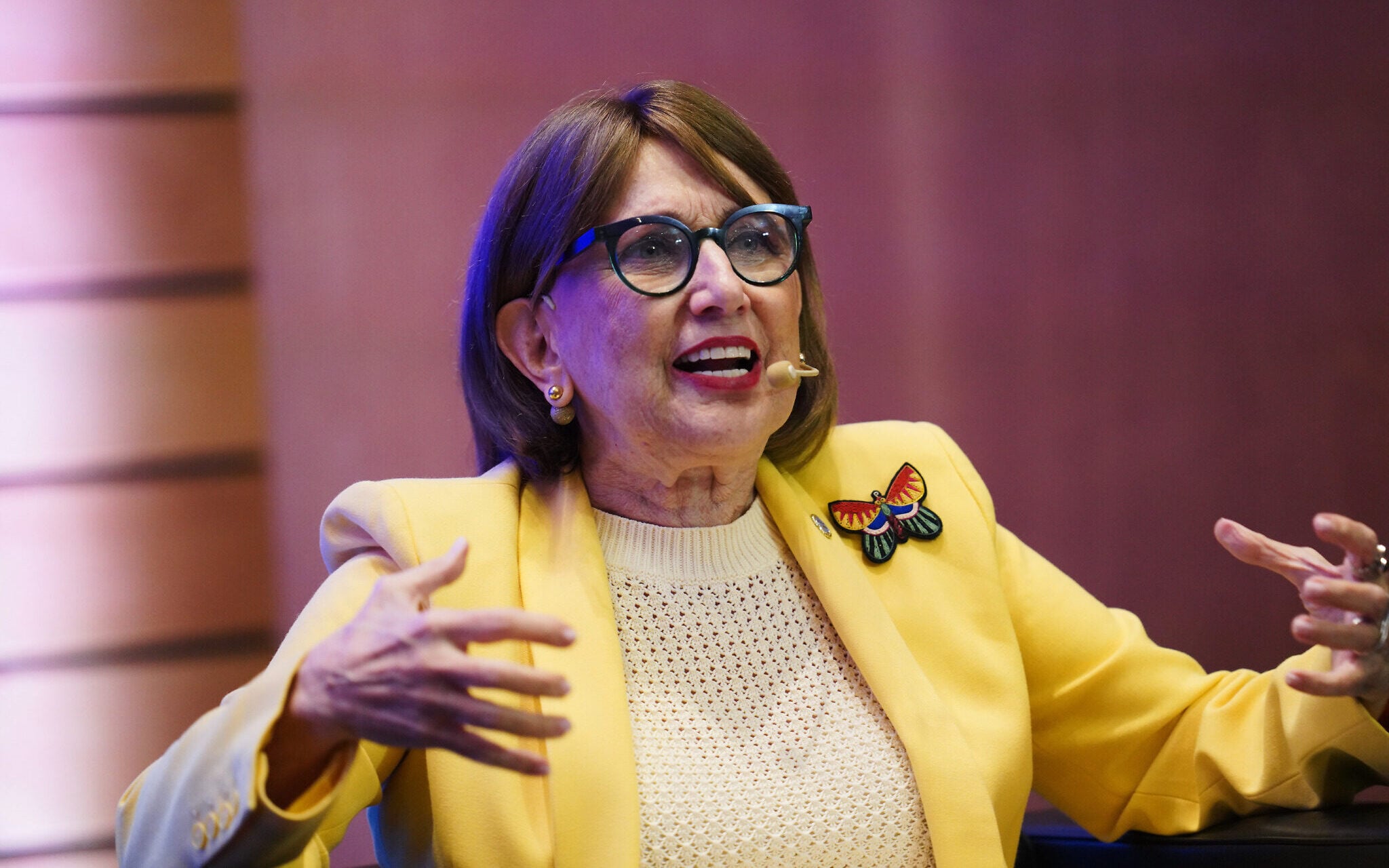
The results put her third among eight candidates, while Costa Rica’s Rebeca Grynspan stayed at the top with 10 “encourage” votes, one “no opinion” and four “discourage,” two of which came from permanent members. The Guardian reported that Russia and the US are believed to oppose her.
Grynspan, the daughter of European refugees who fled the Second World War, would also be the first woman and the first Jew to lead the UN. Seven of the eight previous straw polls showed the UN insider, a former vice president of Costa Rica, in the lead.
The results for Grynspan were confirmed to Reuters by three diplomatic sources, who also said Argentina’s Rafael Grossi got three “discourage” votes from permanent members while Guyana’s UN ambassador Carolyn Rodrigues-Birkett got two.
The 1 for 8 Billion figures showed Grossi, head of the UN’s International Atomic Energy Agency, second overall, with eight votes in favor, one “no opinion” and six votes against, including the three against him from permanent members.
Rodrigues-Birkett, who led the second straw poll in August, came in fourth on Friday — behind Nusseibeh — with six “encourage” votes, three “no opinion” and six “discourage,” including the two against her from permanent members, according to the advocacy group.
UN could be left leaderless
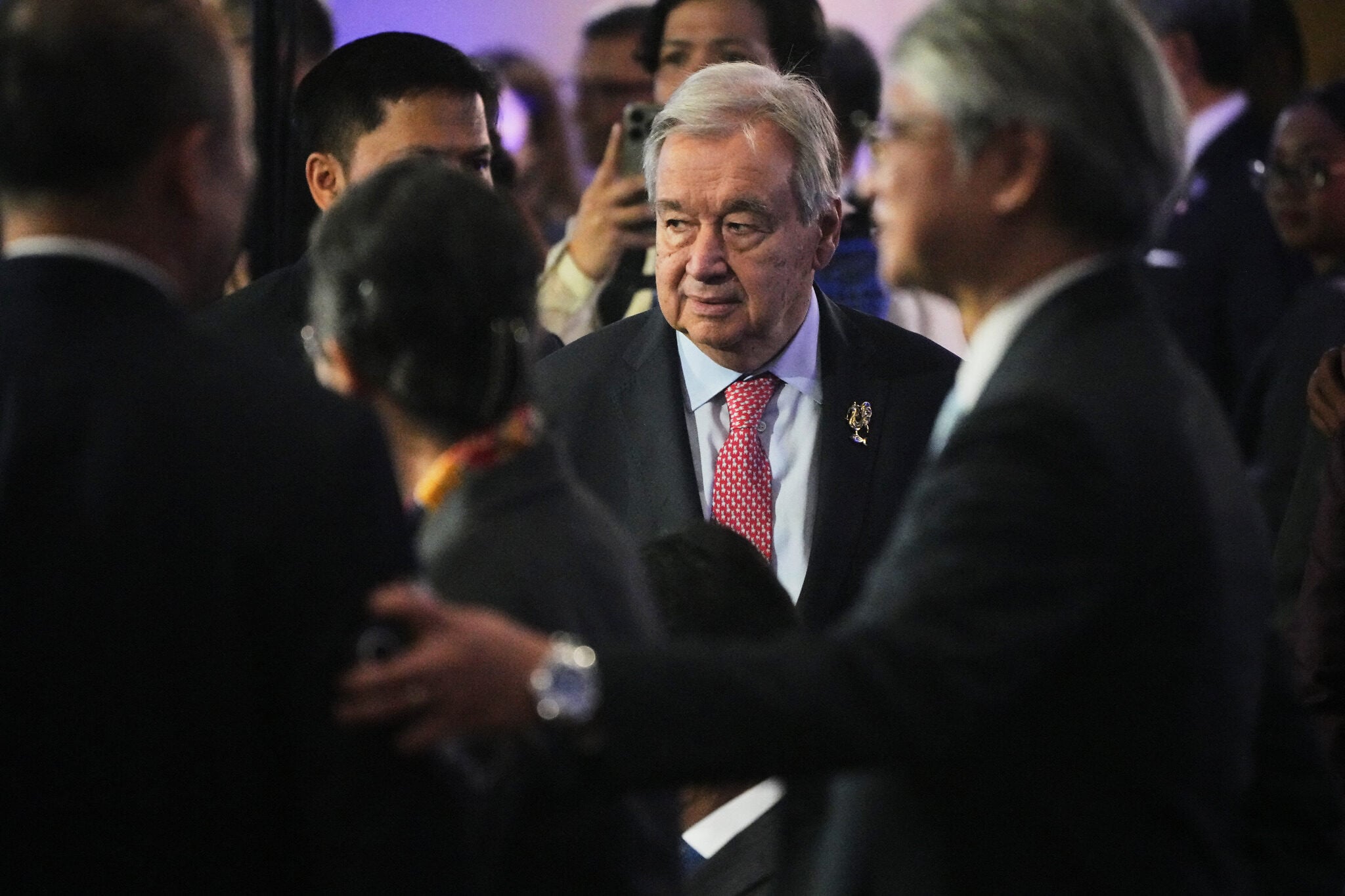
The outcome of Friday’s straw poll raised the prospect of the United Nations being left leaderless once Guterres’s term ends on December 31, diplomats told Reuters.
Whoever succeeds Guterres will have to tackle multiple crises, including several wars, cutbacks in US contributions to the UN, and the 193-member body’s declining political relevance as Washington has pulled out of dozens of its agencies.
The failure to pick a successor, analysts say, is partly the result of a long, opaque selection process built on secret ballots that exemplifies the slowness and gridlock the next secretary-general will be expected to cure. The council required six rounds to select Guterres in 2016.
More fundamentally, observers say, the stalemate exposes a decline in the veto-wielding powers’ willingness to compromise, exacerbated by a US administration that increasingly sidelines the UN and is distracted by its own foreign entanglements.
“What is worrying is how late in the year this is and what it means for pulling together a team,” said Shamala Kandiah Thompson, executive director of Security Council Report, a think tank that monitors the council. “Given how early all this started, we shouldn’t be here.”
Russia is one of the few members to address the deadline publicly. “It is also unclear what will happen after December 31,” Kirill Logvinov, a senior Russian Foreign Ministry official, told TASS last week.
The options under consideration include temporarily extending Guterres’s term or naming another official, he said.
“As far as I can tell, on January 1, if there’s no secretary-general, no one is in charge,” said Daniel Safran-Hon, a former UN official. The lights would stay on, he said, and the Security Council and General Assembly could keep meeting, at least for a while.
“But it’s a bit like a supertanker where the captain dies: the first officer can do lots of things, but there are certain things you can’t do. You can’t do senior appointments. You can’t do the budget,” he said.