Commemorating Supernova victims, electronic music scene attempts a low-key comeback
One of the country's first major rave parties after the October 7 massacre features no commercial activity and plenty of symbolism
Flanked by two Israeli flags, the DJ stage at Modiin Forest looked more like a speaker’s podium than a musician’s workstation.
But no speeches were delivered at Saturday’s Dragonfly trance rave party, which drew hundreds of revelers to one of the first major gatherings of its kind since the October 7 massacre and the war it triggered.
Still, the patriotic accoutrements, unusual in the universalistic trance music scene, was one of several signs indicating that Dragonfly was no ordinary party.
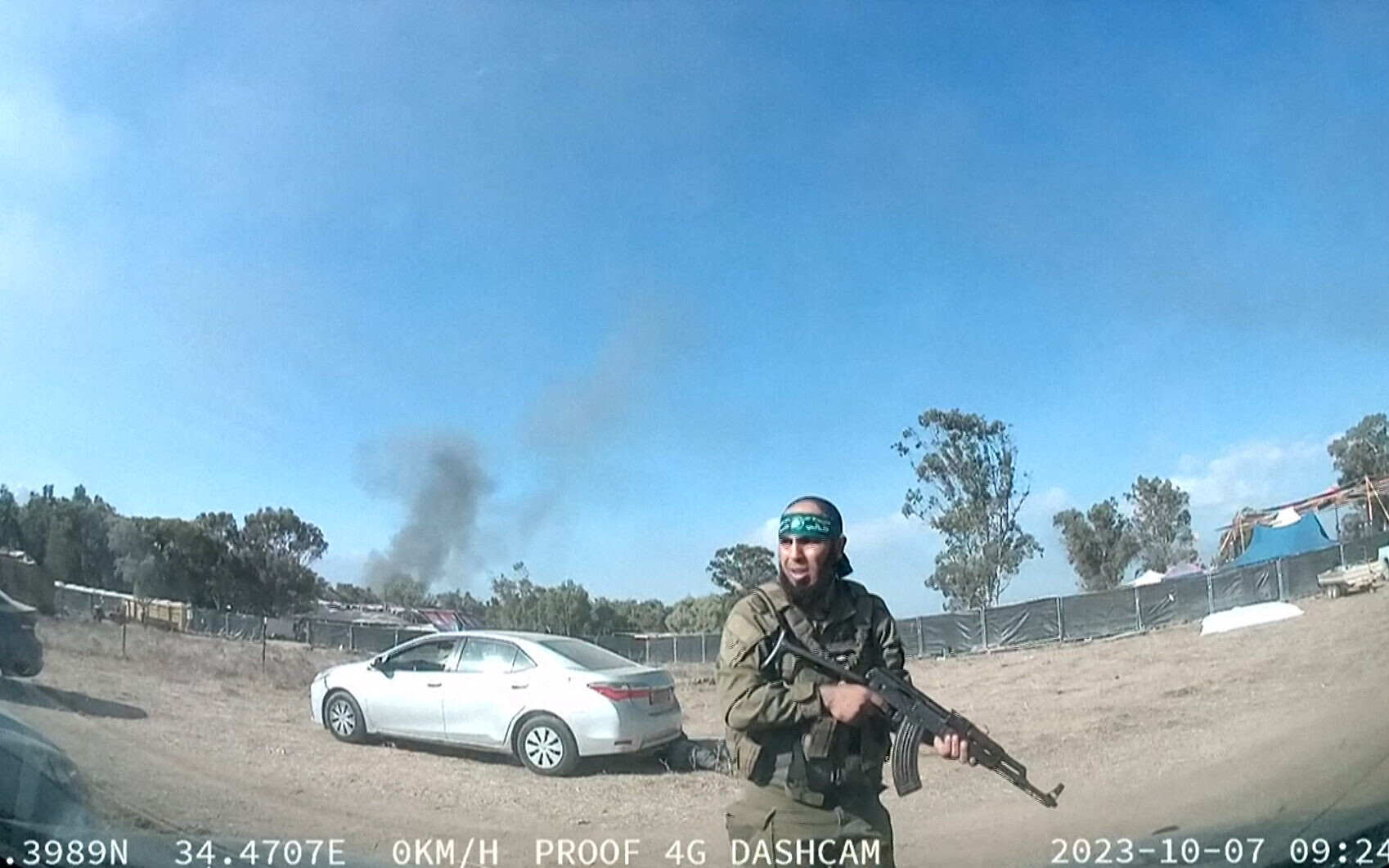
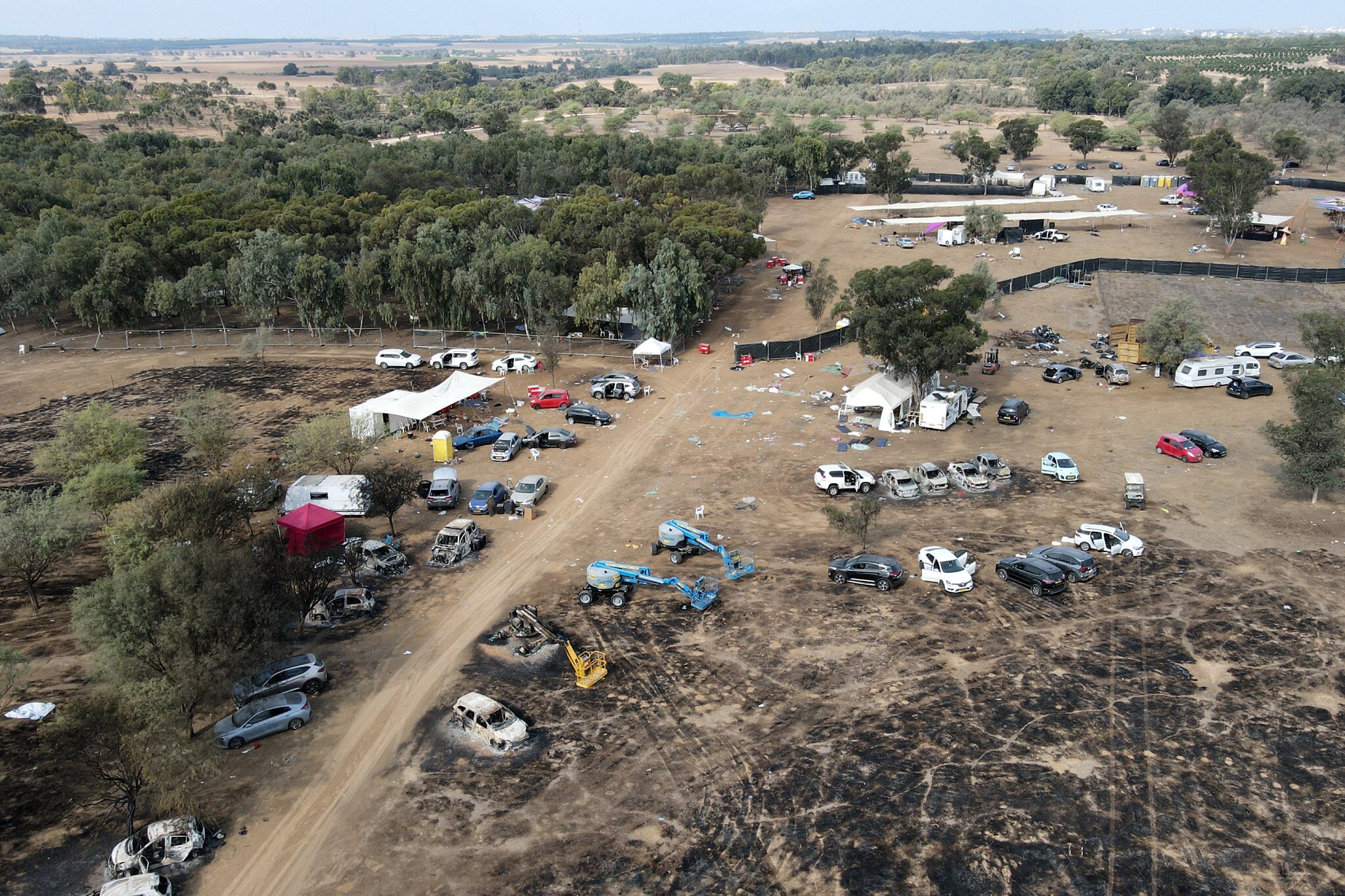
To its organizers, the event was a fitting commemoration and tribute to the 364 people that Hamas terrorists murdered on October 7 at Supernova, an electronic music festival near Kibbutz Re’im, and the dozens of hostages seized and taken to Gaza from the festival’s venue near the Gaza border.
The party’s timing, January 6, was not accidental, said Meitan, one of the three organizers of the party, who divulged to The Times of Israel only his stage name, citing legal issues connected to the party (like most rave events, it was held without a permit.)
“It was timed to fall on the three-month anniversary of Nova,” said Meitan, a finance professional in his thirties who lives near Tel Aviv and has one daughter.
“Grief counselors say that many people enter the second phase of mourning at around the 90-day mark. So to us, it was the earliest appropriate time to make our statement: No terrorist can stop our music. It plays on.”
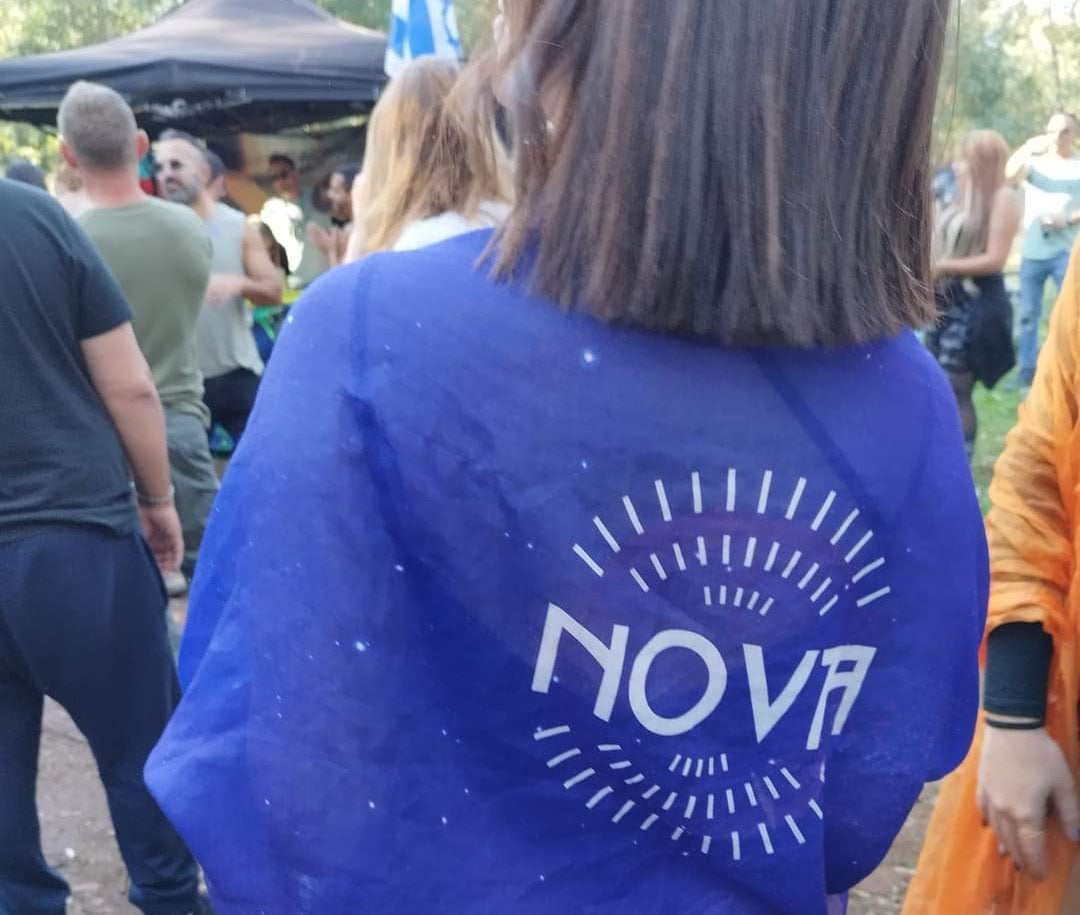
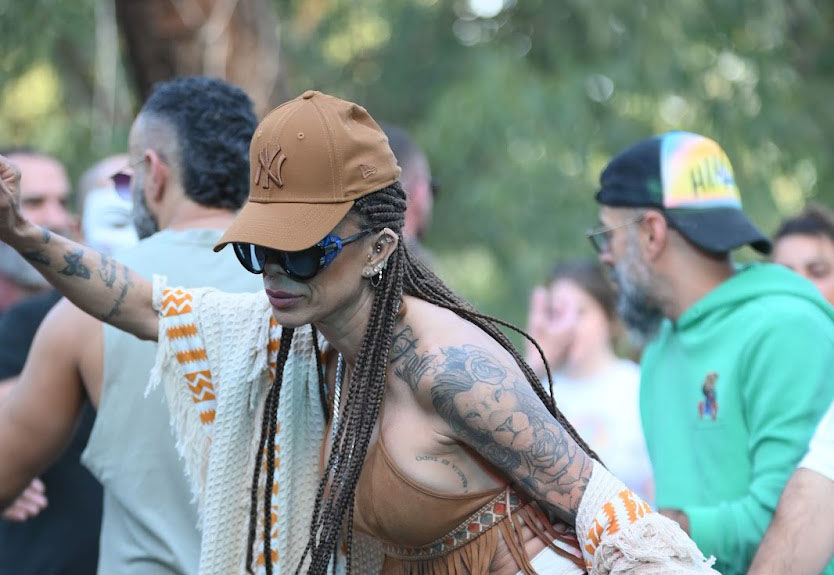
Some participants came draped in flags emblazoned with the Nova festival logo to commemorate friends who were murdered there. The musical selection, revolving around the progressive and Goa trance subgenres, was relatively toned down, featuring hits from the 1990s and 2000s.
Dragonfly featured neither the ostentatious outfits nor the visual effects that are often on display at nature raves. Also absent were a bar and a food stall – amenities that many raves have because they help organizers maximize profits. A volunteer carrying an M16 rifle provided security services.
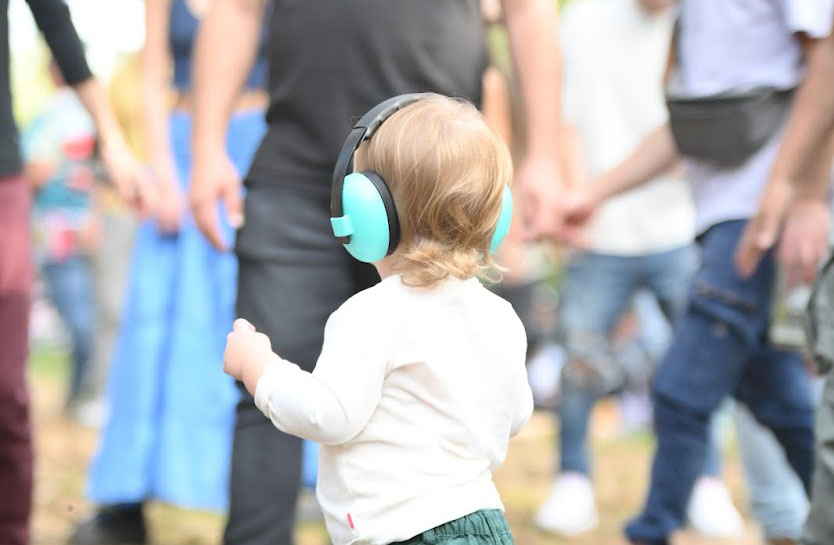
The revelers were mostly in their forties and late thirties. Several of them brought their small children, who particularly enjoyed the warm and dry weather Saturday, switching between dancing in the forest clearing and exploring the blooms, insects and many mushrooms at the base of trees and shrubs.
“This is a low-key event. Not a for-profit production, there’s no entrance fee, it’s all about lifting our spirits and commemorating our dead,” Meitan clarified. To cover their costs, the organizers passed around a hat where revelers left whatever sum they felt was appropriate. “The fact that 400 people came shows the thirst for people to dance again,” he added.
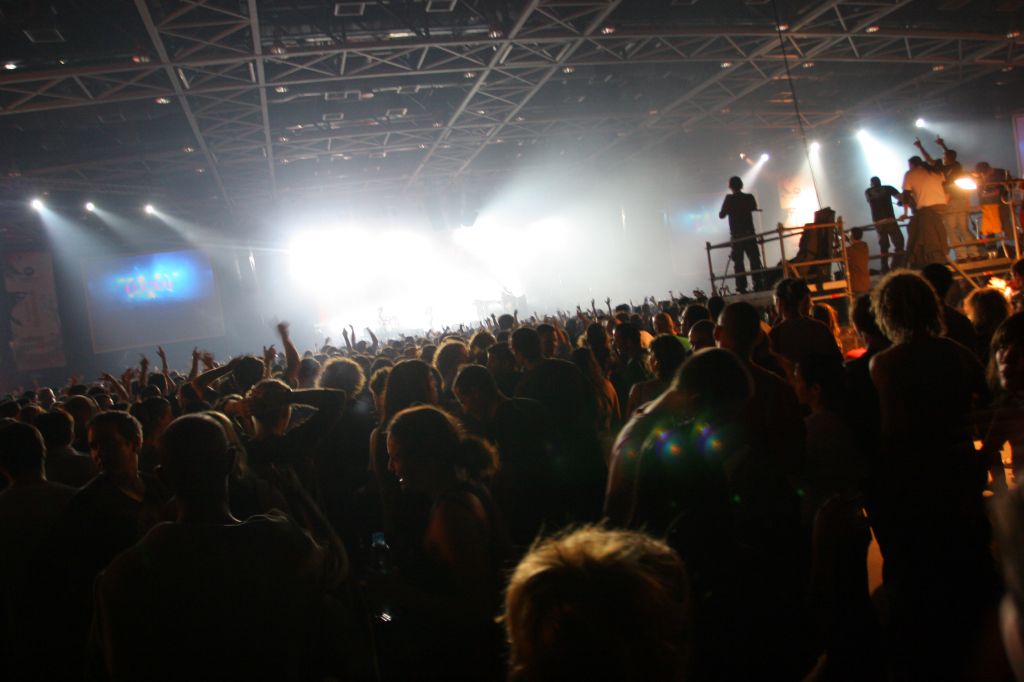
Israel has a vibrant electronic music scene, which has produced some major international successes, including multiple albums and tracks by Infected Mushroom, the stage name of trance composers Erez Eisen and Amit Duvdevani.
One participant, who identified herself as CJ and who took to the DJ stage for the closing set, said that Dragonfly was one of the first attempts to revive the trance scene following the October 7 massacre in southern Israel, in which a total of some 1,200 people were murdered by Hamas and some 240 were kidnapped, and which prompted a massive military operation by Israel in Gaza.
More than 180 Israeli soldiers have died in the ground operation – new casualties and funerals are announced almost daily — as well as more than 23,000 Palestinians, according to unconfirmed statistics provided by Hamas-run health authorities in Gaza. The figures aren’t independently corroborated and are believed to include thousands of terrorists as well as civilians killed by misfired Palestinian rockets. Israel says it has killed some 8,500 terror group members, in addition to 1,000 killed inside Israel following the October 7 mass invasion.
“It’s not a return to normal because no one feels normal,” CJ told The Times of Israel. “To be honest, I found it difficult to dance at first. It felt unnatural. But slowly it’s coming back. You go through the motions. You loosen up. And there are moments when it suddenly doesn’t feel natural again. But you keep at it. I think that’s why the people who came to Dragonfly came there.”
Meitan said that the event made him feel more connected to the friends of his who were murdered at Nova. “It felt like they were there in spirit again. It felt like angels were dancing with us on the dance floor,” he said.
Another participant, Reut, said that in the sister scene of techno music, the parties “hardly missed a beat.” Within two weeks of the massacre, she said, “there were already low-key parties, which the organizers labeled – correctly, perhaps – as ‘therapy sessions,’” Reut said.
Meitan concedes that people from outside the scene may frown upon a dance party held without a permit as a deadly war rages on.
But “it’s neither out of touch nor disrespectful. It’s the opposite of these things,” he said. “Bear in mind that one in four victims of the October 7 massacre died because they came to a music festival. I’m sure they’d understand what this is about.”