
|
|

|
Dear Times of Israel Community, As our nation waits passively for two weeks and counting to see whether, when and how devastatingly Iran and Hezbollah will choose to attack us, to avenge the killings of two terror chiefs bent on our destruction, we Israelis feel like the hapless, helpless playthings of other, more powerful forces. This is not an acceptable situation for the revived Jewish nation. And it points to the untenable lack of a strategy by our leadership for restoring national security more than 10 months after the October 7 Hamas invasion, slaughter and abductions. Following the Hamas massacre, we very belatedly internalized that, for decades, Iran and its more and less closely allied forces in Gaza, Lebanon and beyond had been gradually assembling the means to execute their pledged destruction of our gutsy little nation, and that we had complacently allowed them to prepare at their leisure to wipe us out. Faced with the immediate dilemma of whether to focus first on ensuring that Hamas not be able to fulfill its promise to carry out more October 7s, or to tackle the many times more powerful army that Hezbollah had built and deployed across our northern border, the leadership under Prime Minister Benjamin Netanyahu opted to prioritize dismantling Hamas and bringing home the hostages its terrorists had abducted. 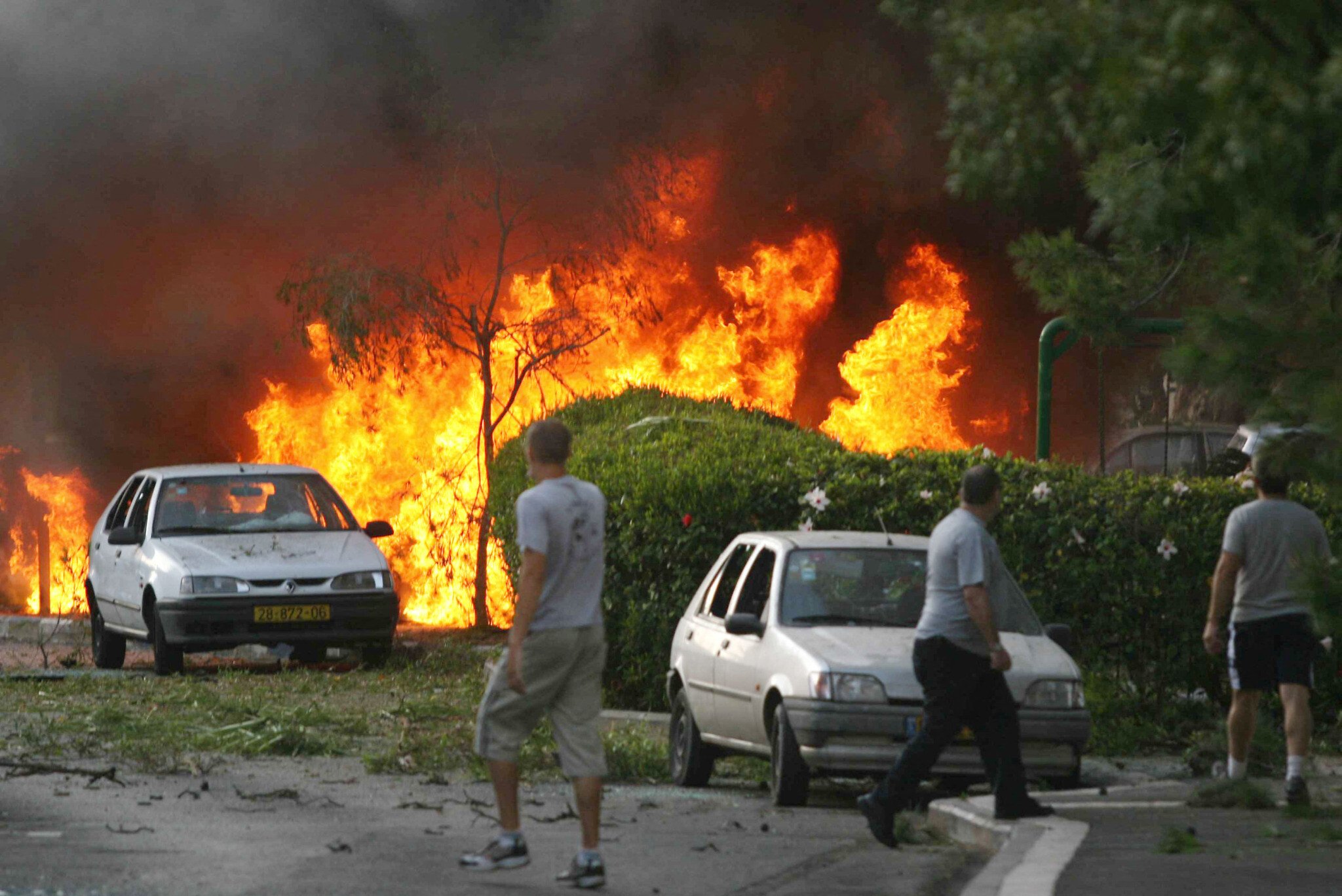 More than 10 months later, high-intensity conflict against Hamas is long since over, but the IDF continues to exhaust itself in Gaza with diminishing returns — tiring out the standing army, placing intolerable strain on the reservists, battering the national psyche and exacerbating the mounting damage to the economy. Meanwhile, tens of thousands of Israelis remain displaced from northern border communities, and the oft-promised switch of focus to tackle Hezbollah remains unimplemented. With our and the world’s attention elsewhere, the ayatollahs in Iran move serenely ahead with their nuclear program, having further marginalized the always-inadequate oversight by the International Atomic Energy Agency. Breaking the stranglehold of armies and missiles that Netanyahu now acknowledges Iran has been tightening around Israel’s neck requires careful strategizing, including coordination with our allies and preparation at home to ensure Israel is best placed to prevail. It is unsurprising that the leadership, inexplicably unprepared for and shocked by the Hamas invasion, was unable to immediately recognize the full extent of the existential threat. But more than 10 months later, the abiding failure to strategize is outrageous. 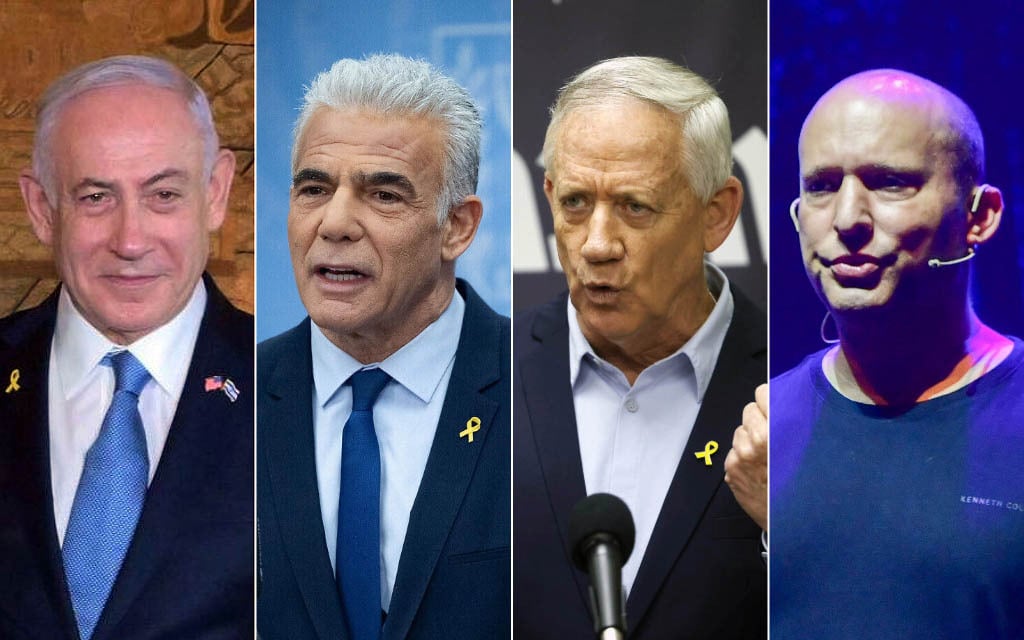 Essential steps that should have long since been taken include, domestically, bringing together a government with the best brains and capabilities to steer Israel through the crisis — a genuine, emergency war government, anchored in agreements to work and hold together until essential, defined goals are achieved, and excluding the incendiary likes of Itamar Ben Gvir and Bezalel Smotrich. Stirring up the Muslim world in the best interests of Hamas chief Yahya Sinwar, Iran’s Supreme Leader Ali Khamenei et al, Temple Mount-prayer rabble-rouser Ben Gvir is a national pyromaniac that Israel simply cannot tolerate in a position of power. Likewise, Justice Minister Yariv Levin, who remains obsessed with destroying Israel’s independent judiciary and is incapable, even now, of understanding the damage his still-intended “reforms” have done to national cohesion.  As for Netanyahu himself, his Time magazine interview last week laid bare his unfounded convictions that he was failed by everyone around him in the run-up to October 7 and that he alone can fix the damage. Nobody can compel him to acknowledge his personal responsibility as the prime minister on whose watch this ongoing catastrophe has unfolded, but can he not even manage to restrain his relentless denigration of all who dare to challenge him, and his demonization of those substantial parts of our electorate who do not show him absolute fealty? Also vital: the negotiated, phased imposition of military and/or national service requirements on all of Israel’s diverse communities — to reduce the strain on the military, unite all Israelis in the essential battle for national survival, and alleviate the debilitating injustice of the current unequal burden. While Netanyahu relentlessly asserts that Israel can defend itself by itself, the events of the last few months leave no doubt that Israel is unable to defang all of its highly potent enemies in isolation. That reality is highlighted by the Biden administration’s essential weapons supplies, and its coordination of the coalition that helped thwart Iran’s April missile and drone assault and has taken shape again now as Iran steps up its threats of further direct attack. 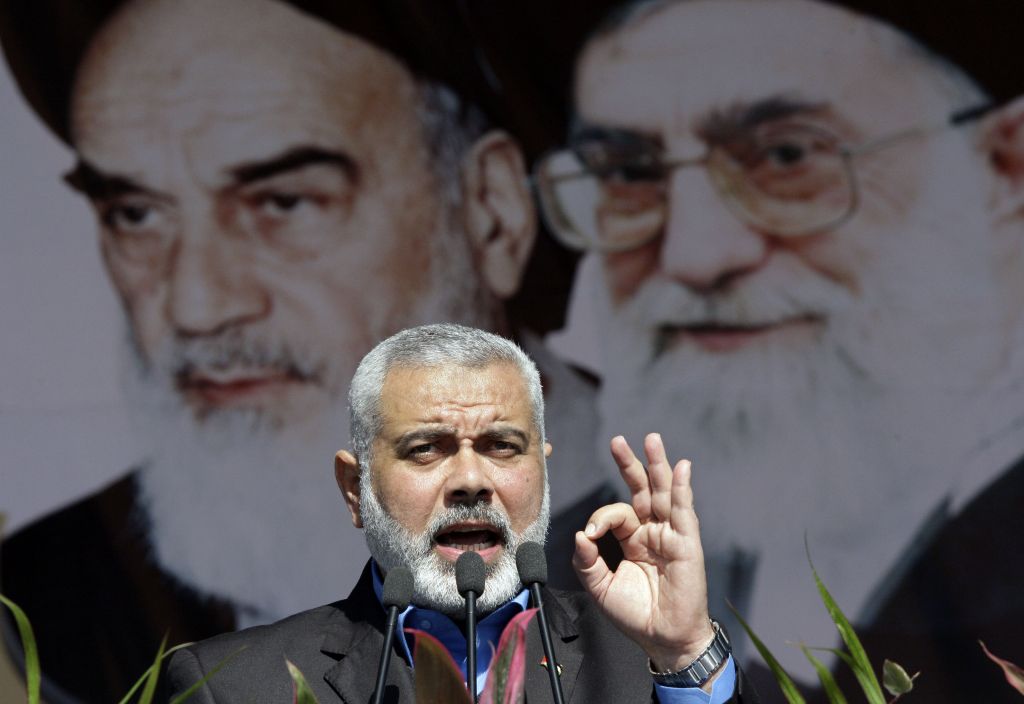 One way or another, not only must Hamas be prevented from regaining power in Gaza, but the far greater Hezbollah military threat must also be removed, and Iran’s drive to the bomb thwarted. Israel cannot practically and need not morally do that alone — these are enemies that threaten the entire free world. In the last few days, the US has assembled what may be a greater military deployment in this area than it did even immediately after October 7 — including a guided-missile submarine — but not as the culmination of any carefully prepared plan to deal strategically with Iran. Rather, it is an emergency measure designed to try to deter the ayatollahs from exercising Khamenei’s public promise to avenge the July 31 killing of Hamas leader Ismail Haniyeh in Tehran. And to be on hand if Iran and Hezbollah strike, Israel responds, and things spiral. 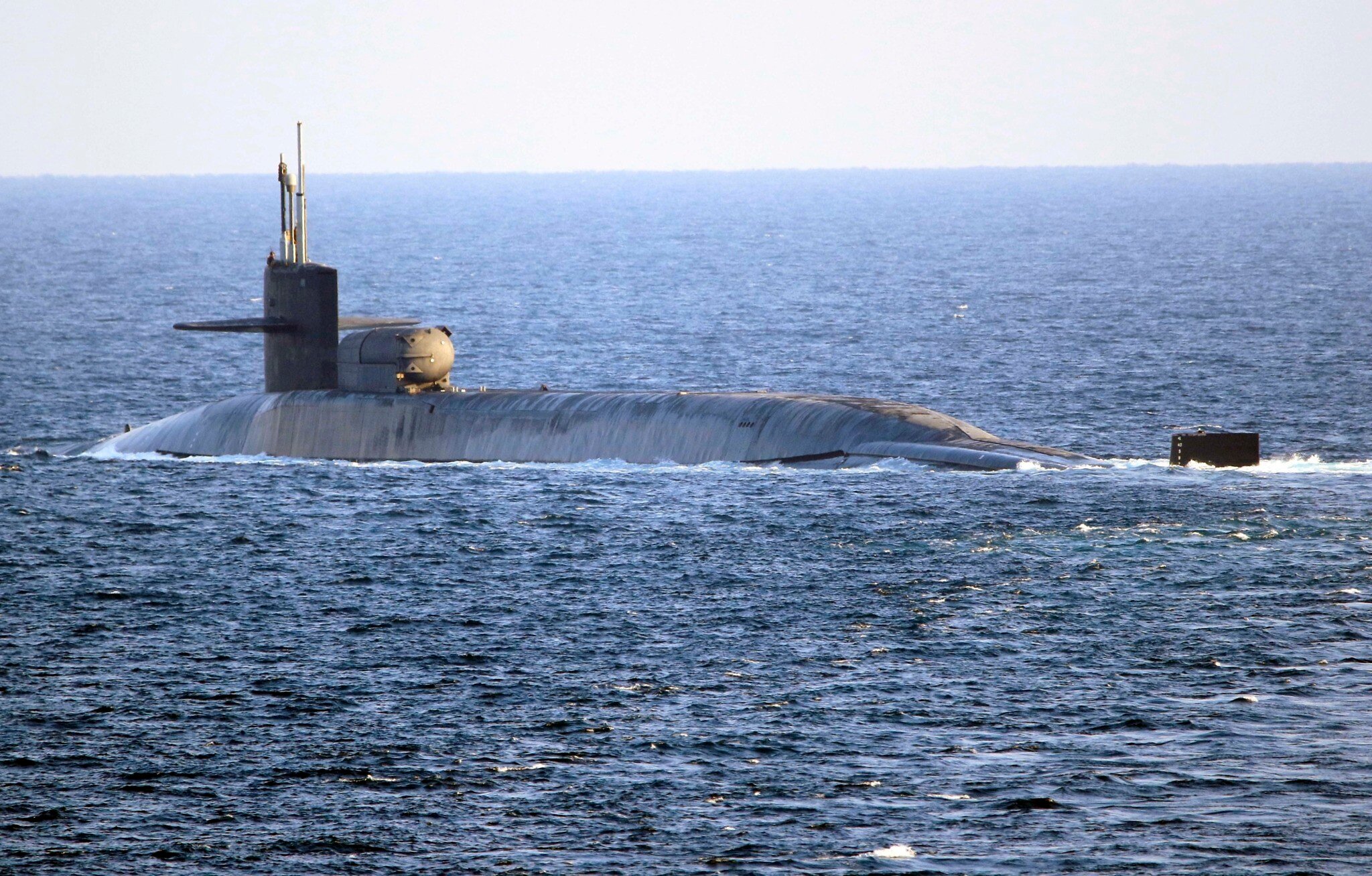 So now, we wait to see if Iran will hit back, or if the massed US forces will give it pause. We wait to see if, or more likely when, Hezbollah will avenge the killing, claimed by Israel, of its military commander Fuad Shukr in Beirut, gauging whether Hassan Nasrallah might strike the IDF’s Kirya headquarters in Tel Aviv (possibly too high a risk of civilian fatalities), or perhaps the Glilot base near Herzliya (a little more remote), or maybe sensitive facilities in Haifa (a favorite Hezbollah target, where Mayor Yona Yahav has been warning his residents to brace for four to six days of massive rocket attacks). In a Hail Mary bid to avoid the descent into a full-scale regional conflagration, US President Joe Biden and his colleagues have tried to tie their de-escalation efforts to the almost nine months of unsuccessful hostage-ceasefire negotiations since the weeklong truce last November. But the prospects remain deeply unpromising, with Hamas’s Sinwar insistent that the war end as a precondition for a deal. For his part, Netanyahu is adamant that Israel be able to resume fighting after any deal collapses, and at odds with his own security chiefs and negotiators in demanding that the IDF not withdraw from the Gaza-Egypt border, or from the Netzarim Corridor (set up by the IDF to try to prevent a mass Hamas return to northern Gaza), even for the first six-week stage of the deal in which some 30 living hostages might be released. 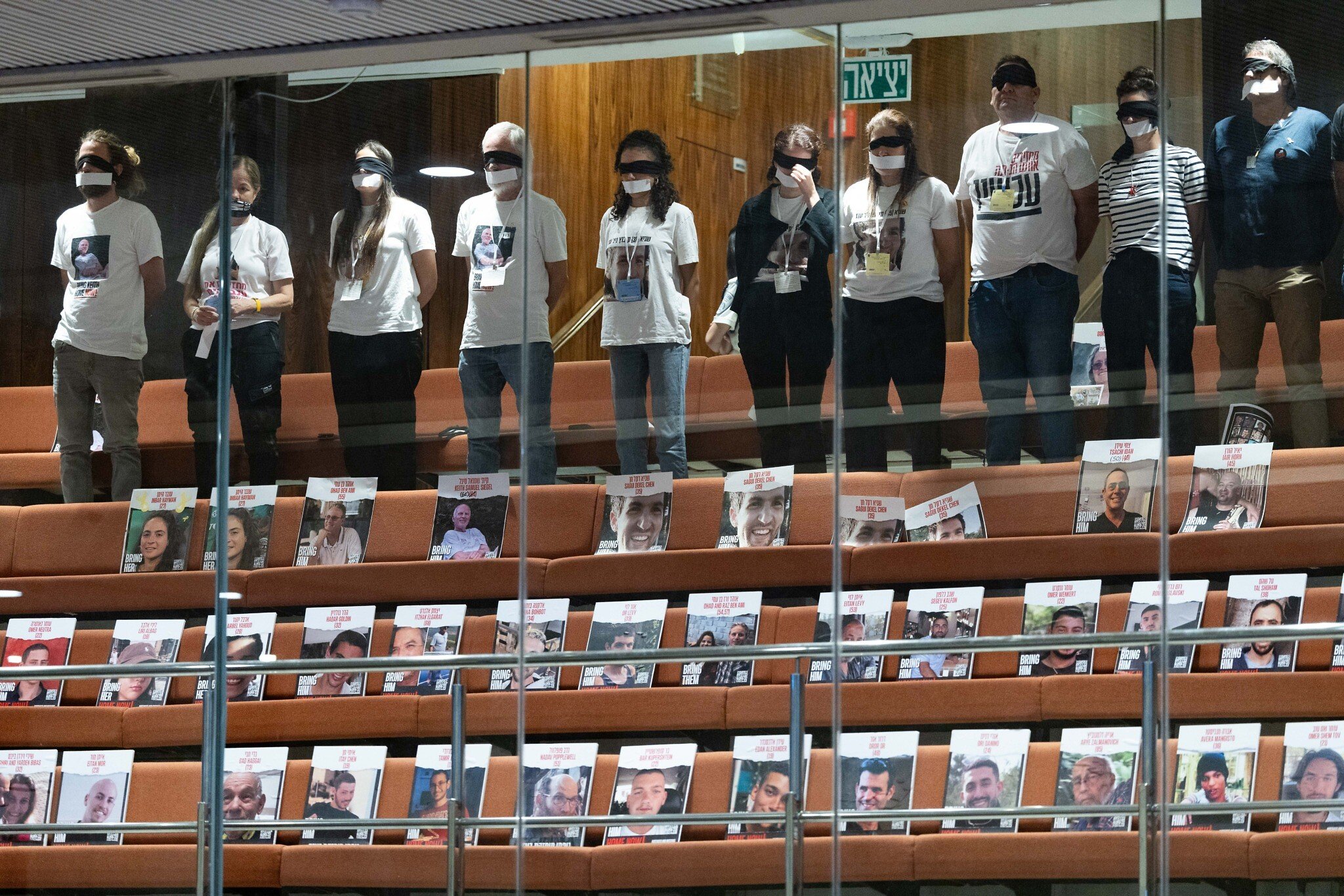 As of this writing, it is not clear that Hamas will even send a delegation to Thursday’s negotiations. What is clear is that the talks do not represent a coordinated element of a strategy, formulated by Israel and its vital US ally en route to relentlessly defanging the assorted vicious forces targeting Israel on every front, expediting the demise of the ayatollahs’ regime, and deepening alliances with more moderate elements in the region. Unfathomably taken by surprise on October 7, when Hamas had been telegraphing its intention to invade and destroy, a reeling Israeli political and security leadership proved incapable of fully internalizing and preparing effectively to meet the still-wider threat posed by Iran and its proxies. Three hundred and thirteen days later, the absence of a strategy is beyond unforgivable. It’s potentially suicidal. — 🎙 Israel Story: Lebanese-Israeli Maryam YounnesOur podcast partners at Israel Story continue to bring you ‘Wartime Diaries,’ remarkable voices and stories from Israel during these unprecedented times. On this week’s episode, we delve into the unique perspective of a small, often overlooked community in Israel – the former fighters of the South Lebanon Army (SLA). These individuals, who once fought alongside Israel against Hezbollah, now find themselves deeply torn. With Israel’s ongoing conflict on the northern front, they are caught between loyalty to their adoptive country and the pain of seeing their hometowns in southern Lebanon bombed, where many of their friends and family still live. We hear from Maryam Younnes, whose father was an SLA commander who relocated to Israel back in May 2000.
** Israel Story is produced in partnership with The Times of Israel.
🎙 What Matters Now to Haviv Rettig Gur: How to relax in your bomb shelterToI’s senior analyst Haviv Rettig Gur sits down for the newest episode of ToI’s What Matters Now to discuss how Israelis are stocking their safe rooms. During this period of uncertainty, we discuss with good humor, “How do you prepare for a potential armageddon – both physically and metaphysically?”
🔔 Be sure to subscribe to What Matters Now on Apple Podcasts, YouTube, Spotify, or wherever you listen to podcasts.
🙋 Have something to share?We’d love to hear it! Join the discussion on our active ToI Community Facebook group. Keep tabs on new content and events on our Community Page. And please don’t hesitate to write to us with any suggestions, issues or questions. Thank you for your continued support of our independent journalism. ~ The Times of Israel Team
|


|
You are receiving this email because you are a member of The Times of Israel Community. If you would like to stop receiving community updates, please click below to unsubscribe.
|