
|
|

|
Dear Times of Israel Community, We would appear to be in the midst of a particularly fateful period for Israel, the hostages in Gaza, and the war to destroy Hamas. 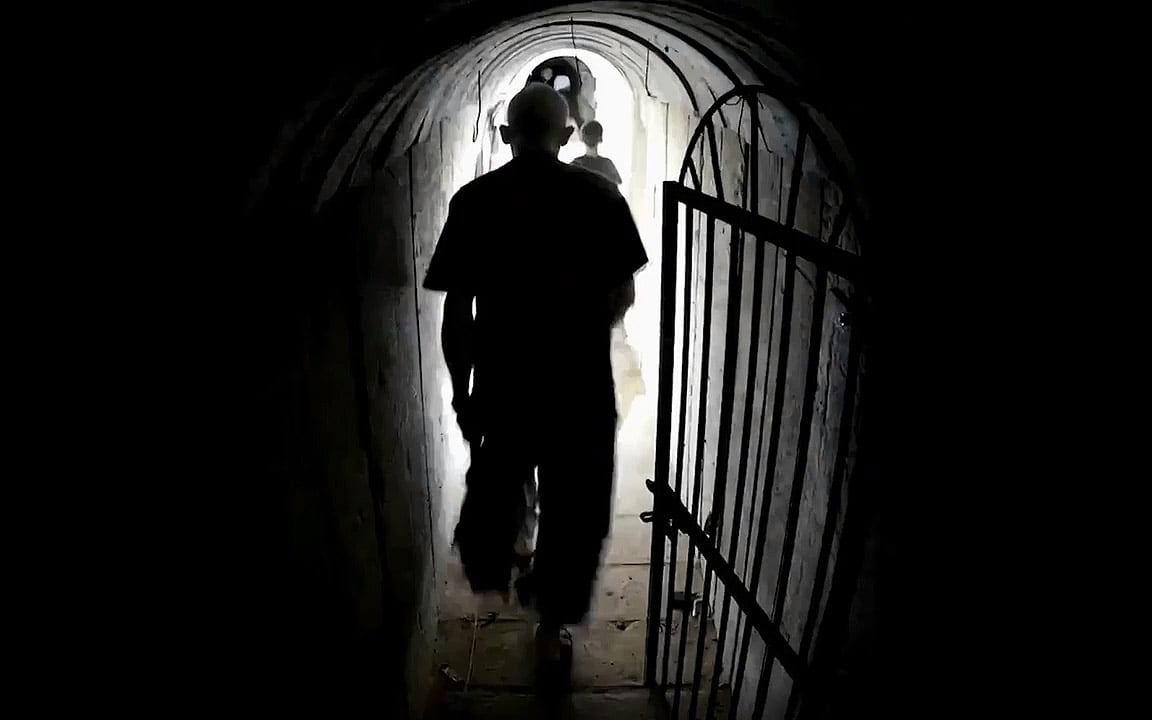 As I write, US Secretary of State Antony Blinken is holding a series of meetings here with the Israeli leadership, having publicly declared that Israel has made an “extraordinarily generous” offer to Hamas for a hostage-truce deal, and urged Hamas to quickly accept it. The terms of that offer have not been publicly confirmed, but are widely reported to provide, in a first phase, for the release of 33 living hostages who meet a so-called “humanitarian” designation — women, children, men over 50, the wounded and sick. This would be carried out in return for the release by Israel of something in the region of 1,000 Palestinian security prisoners, many of them serving life terms for murder, in the course of a 40-day halt in the fighting, the return of displaced Gazans to their homes, and a partial IDF troop withdrawal. During that first phase, negotiations would also begin on a process for achieving sustainable calm in Gaza. A second phase, if reached, would see the release of the rest of the living hostages, in return for many more Palestinian security prisoners, the finalization of an agreement for sustained calm in Gaza, and the full withdrawal of the IDF. In a third and final phase, there would be an exchange of bodies, and the start of implementation of a multi-year rehabilitation plan for Gaza, with Hamas barred from rebuilding its military infrastructure. As ever, much of the devil is in the details, and many of those details are unclear. Would the IDF be able to prevent the return of Hamas to northern Gaza in the first phase of the deal, which would undo a key achievement of the war? Would the IDF be able to resume fighting after the first phase is completed, as Prime Minister Benjamin Netanyahu and the security echelons have said it must, in order to dismantle Hamas’s four battalions in Rafah? Is the talk of sustainable calm a euphemism for the end of the war? 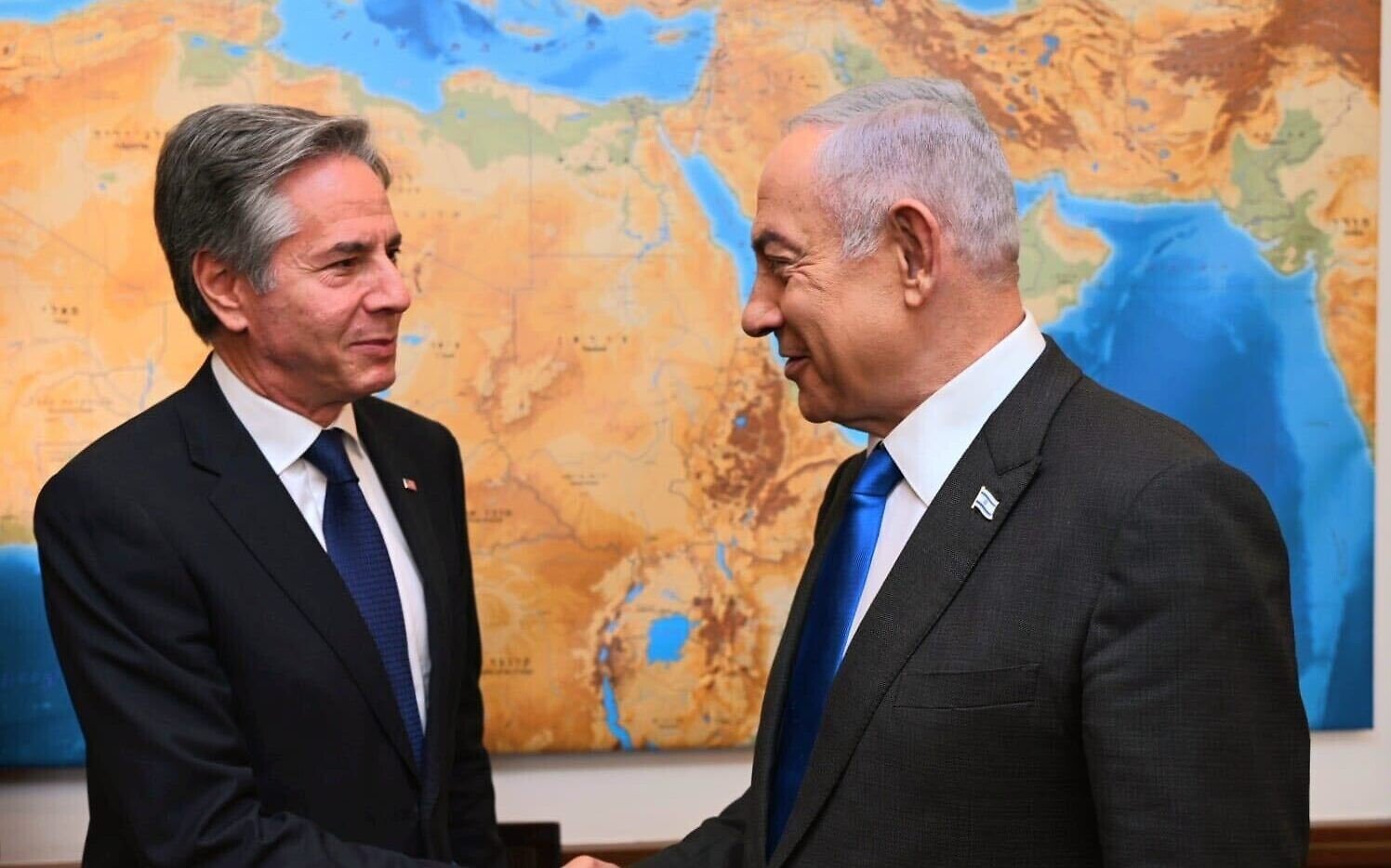 While the far-right component of his coalition is warning him against the deal and threatening to deprive him of a governing majority, Netanyahu would appear to have the political numbers to approve it should he so desire. Among the ministers in the war cabinet, National Unity leader Benny Gantz has said the government must go ahead with a deal to secure the release of hostages provided it is not explicitly conditioned on the ending of the war — and the reported terms would seem to avoid that explicit conditioning. Defense Minister Yoav Gallant is believed to be of a similar mindset. And the prime minister would almost certainly be able to muster a majority in the full cabinet — the body that voted 35-3 to formally approve the weeklong hostage-truce deal in November. Threats by the likes of Finance Minister Bezalel Smotrich and National Security Minister Itamar Ben Gvir to take their far-right parties out of the coalition need not be terminal for Netanyahu’s government. Opposition Leader Yair Lapid has repeatedly pledged to provide the Knesset votes to ensure the coalition is not brought down over this kind of hostage deal. Netanyahu is entirely capable of presenting the terms as advancing, or at the very least not contradicting, all three of his declared goals for the war — the destruction of Hamas as a military and governing force, the return of the hostages, and the prevention of a fresh terrorist threat in postwar Gaza. He has insisted in recent days that the IDF will enter Rafah whether or not there is a deal, and would presumably continue to make that assertion. For him to say no would be, rather absurdly, to reject terms his own negotiators could only have advanced with his and his war cabinet’s approval. It would defy the United States, and would put at risk the Biden administration’s ongoing support. But a no should not be ruled out, especially as Netanyahu, a serial breacher of political alliances, will have little faith in Lapid’s assurances of Knesset support, and no reason to believe that Yesh Atid’s backing would extend beyond the lifespan of the deal. 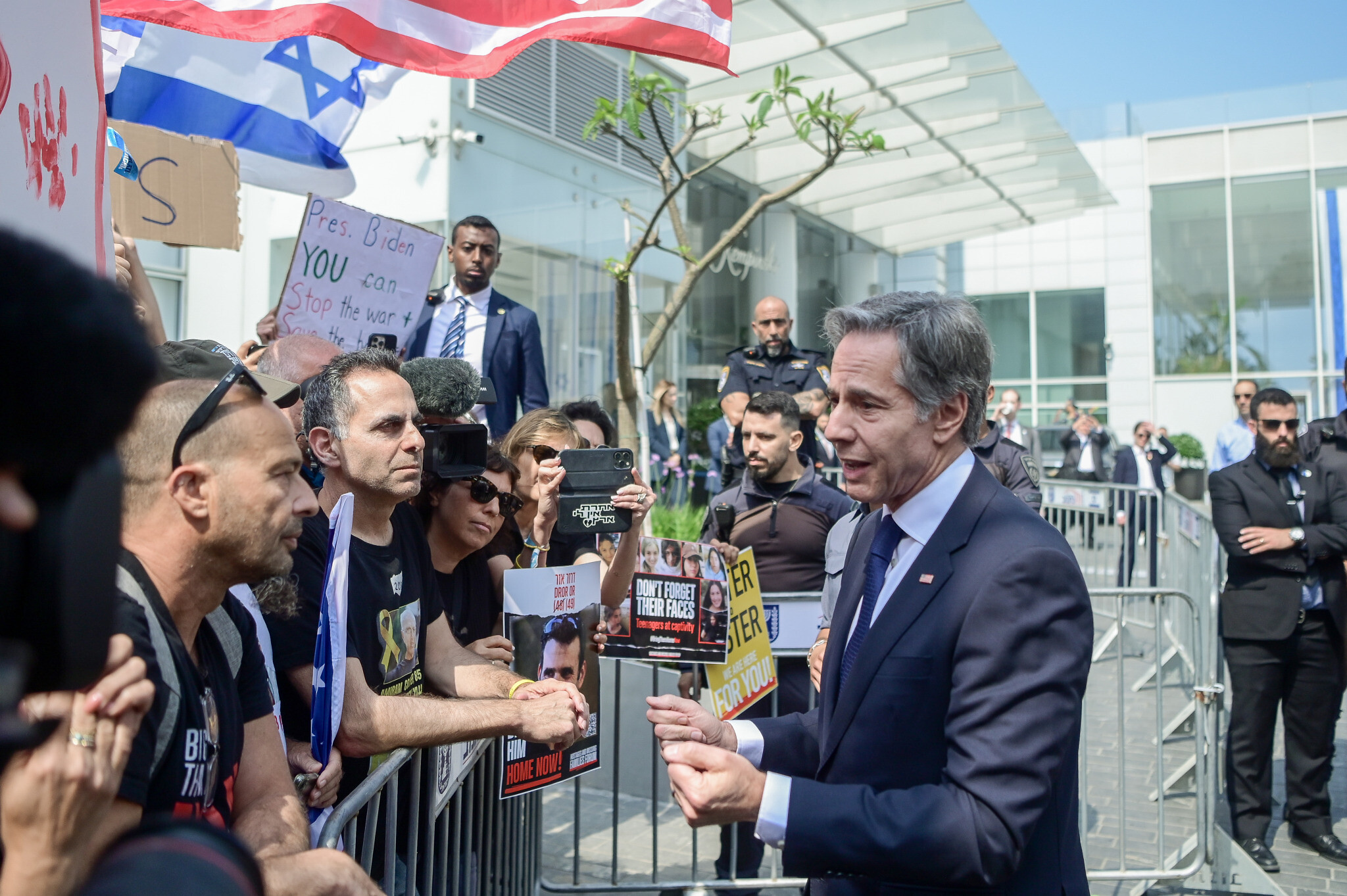 All of the above, however, depends on Hamas’s response to the terms. Hamas’s Gaza chief Yahya Sinwar may determine that matters are playing out just fine without a deal: Most of Israel’s troops have long since withdrawn from Gaza. Substantial parts of the international community are increasingly intolerant of Israel’s right to self-defense; increasingly intolerant, indeed, of Israel, and, in fact, of Jews — a turn of global events that fully accords with Hamas’s avowed genocidal aspirations for the Jewish people. Saying no, or raising objections, he may further conclude, will only heighten internal Israeli infighting — again, music to his ears. On the other hand, the terms of the deal as published would appear to offer him and his much-depleted but still functional forces guaranteed survival in the short term, the opportunity to claim victory and, potentially, he may believe, the chance to rise and fight again. Again, it should be stressed, the terms of the deal as widely reported are unconfirmed and unofficial. 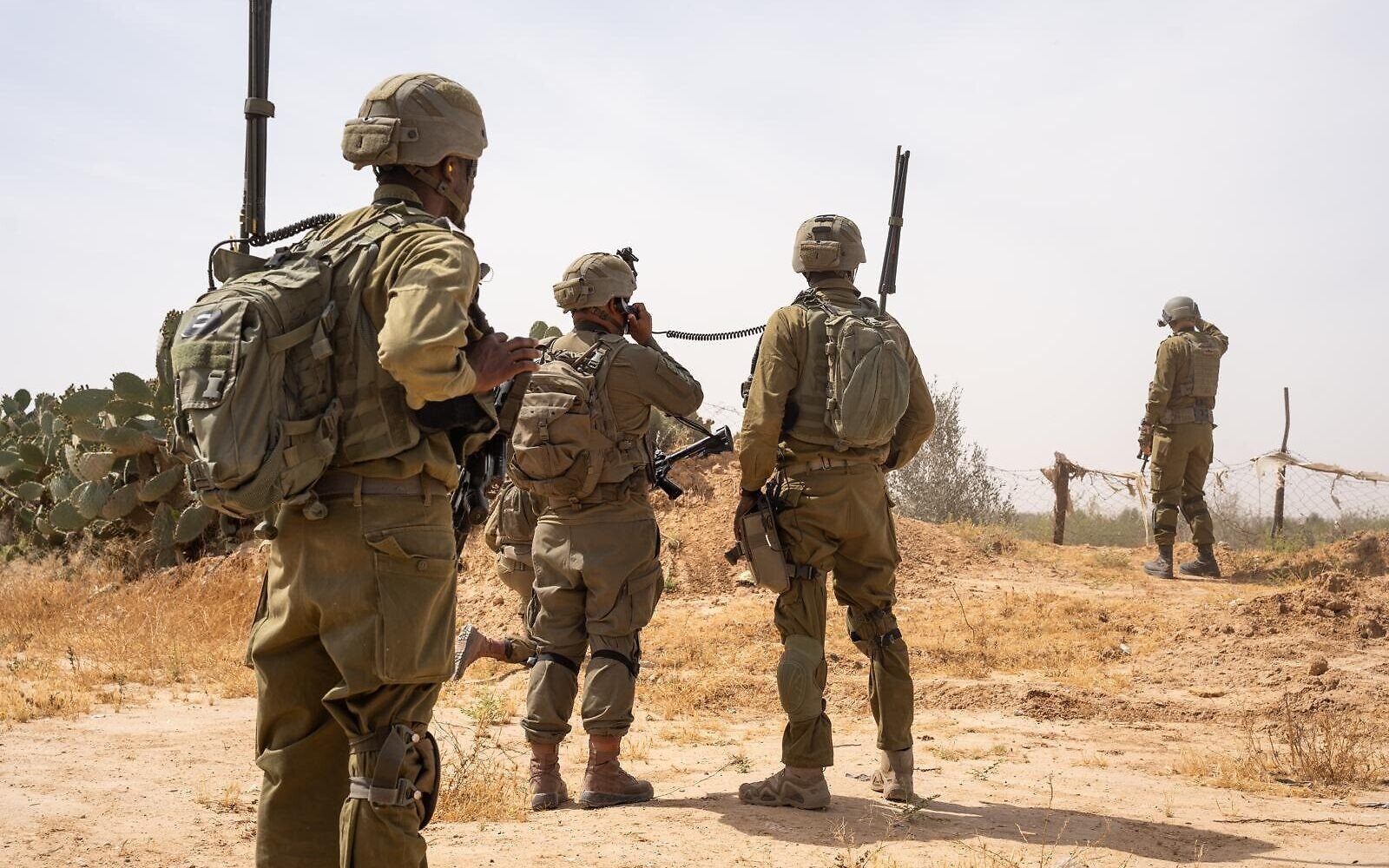 The Biden administration’s interest in advancing the deal is clear: It wants to see the hostages released and a process for ending the war. It wants Hamas marginalized, Gaza calmed and rehabilitated, and Israelis able to live safely alongside the Strip. It believes a deal will also reduce the likelihood of escalation on the northern border, where tens of thousands of Israelis cannot return to their homes. It seeks to bolster the alliance against Iran that contributed critically to thwarting almost all of Iran’s unprecedented missile and drone fire at Israel last month. It would hope to capitalize on the deal by chivvying Israel and Saudi Arabia toward normalization, in a process that will require Israel to moderate the government’s emphatic opposition to any substantive progress toward Palestinian statehood. It wants to restore calm to university campuses, and reduce spiraling antisemitism. And it sees all of that helping to enable its own reelection. Some of these are grand long-term goals, some of them highly improbable — certainly with this Israeli government. Doubtless, the administration would not be too unhappy were the Netanyahu coalition to fall en route, though it is anything but clear that a markedly more moderate Israeli leadership would succeed it.  But for now, the US, the mediators, Netanyahu and his government, the families of the hostages and the hostages themselves, await Hamas’s response to that “extraordinarily generous” Israeli offer. Two hundred and eight days after it invaded Israel, slaughtered 1,200 people and abducted 253, it is a sickening reality that Hamas still holds the key to what is unfolding. — ToI original video: “Bomb shelters make good neighbors”Over the course of the war, we’ve produced a series of short, original ToI editorial videos to chronicle Israeli life during these unprecedented, deeply challenging times. The latest: what was it like for Israelis when Iran shot hundreds of rockets upon it on a recent Saturday night? In “Bomb shelters make good neighbors” we explore the various safe spaces where Israeli citizens sought refuge during the unprecedented April 13, 2024 Iranian attack on Israel. Watch the video here:
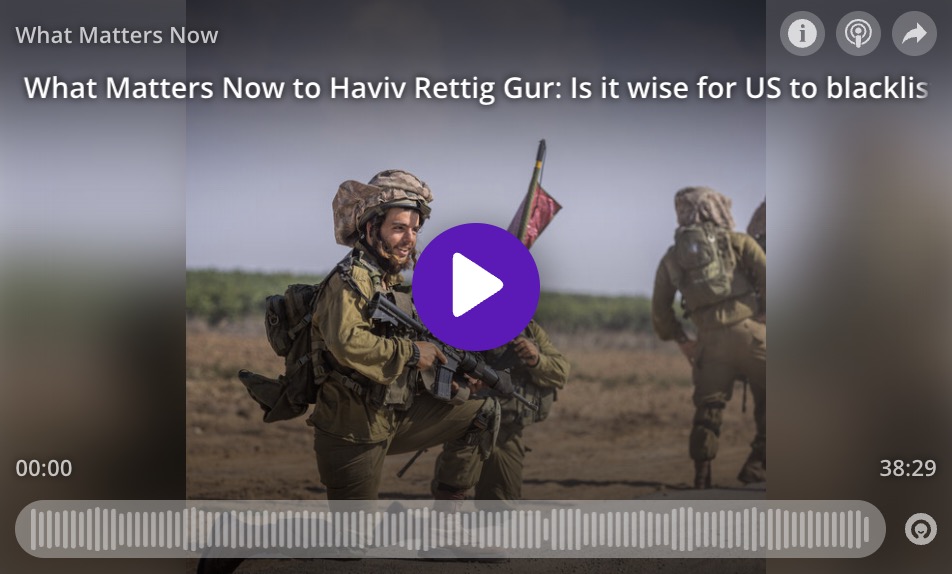
What Matters Now to Haviv Rettig Gur: Is it wise for US to blacklist an IDF unit?On this week’s episode of our podcast What Matters Now, ToI’s senior analyst Haviv Rettig Gur discusses the genesis of the controversial Netzah Yehuda, an IDF ‘social work project’ for disenfranchised religious men that is accused of human rights abuses in the West Bank.
🔔 Be sure to subscribe to What Matters Now on Apple Podcasts, YouTube, Spotify, or wherever you listen to podcasts.
Docu Nation: ‘The Flat’ launches tomorrowOur Israeli documentary film series Docu Nation — exclusively for The ToI Community — allows you to stream specially curated, outstanding Israeli films, then join a live discussion with the films’ creators. With five more award-winning, inspiring films coming up, it’s not too late to register. Our next film, ‘The Flat,’ will begin streaming for five days tomorrow, Thursday, May 2. The live discussion with its director will take place this Sunday, May 5, Holocaust Remembrance Day.
About ‘The Flat‘: As a documentarian cleans out the flat that belonged to his grandparents — both immigrants from Nazi Germany — he uncovers clues pointing to a complicated, shocking story. Watch the trailer here. For more information and to register for this series if you haven’t already, please press here (requires signing into your ToI account): ** If you already registered, you will soon receive emails with links to the film and discussion. Have a question about the series? Email us. Have a technical issue? Email Docu Nation tech support.
🙋 Have something to share?We’d love to hear it! Join the discussion on our active ToI Community Facebook group. Keep tabs on new content and events on our Community Page. And please don’t hesitate to write to us with any suggestions, issues or questions. Thank you for your continued support of our independent journalism. ~ The Times of Israel Team
|


|
You are receiving this email because you are a member of The Times of Israel Community. If you would like to stop receiving community updates, please click below to unsubscribe.
|