
|
|

|
Dear Times of Israel Community, While the IDF has made gradual progress for almost three months in its mission to dismantle Hamas’s capacity to again slaughter Israelis, taking on Gaza’s terrorist army in a relentless ground invasion moving from north to south in the Strip, last night’s killing of Saleh al-Arouri in Beirut, widely attributed to Israel, was a military operation of an entirely different order, character and potential consequence. A notorious orchestrator of years of deadly attacks on Israelis, and the key Hamas figure directly responsible for instigating terrorism in and from the West Bank, Arouri was reportedly at the very top of Israel’s most wanted list prior to October 7. And since that blackest of days, when 3,000 Hamas-led terrorists exultantly massacred 1,200 people inside Israel, in actions of monstrous barbarism, and promised to do so again and again until Israel was destroyed, Israel had publicly vowed that any and all Hamas terrorists, wherever they may be, would be prevented from doing so by any and all means available. Nonetheless, if Israel was indeed responsible, the surgical strike that eliminated Arouri and a reported six other terrorist operators in a third-floor apartment in southern Beirut’s Dahiyeh neighborhood constituted a highly dramatic confirmation of that pledge and of the readiness and ability to implement it. 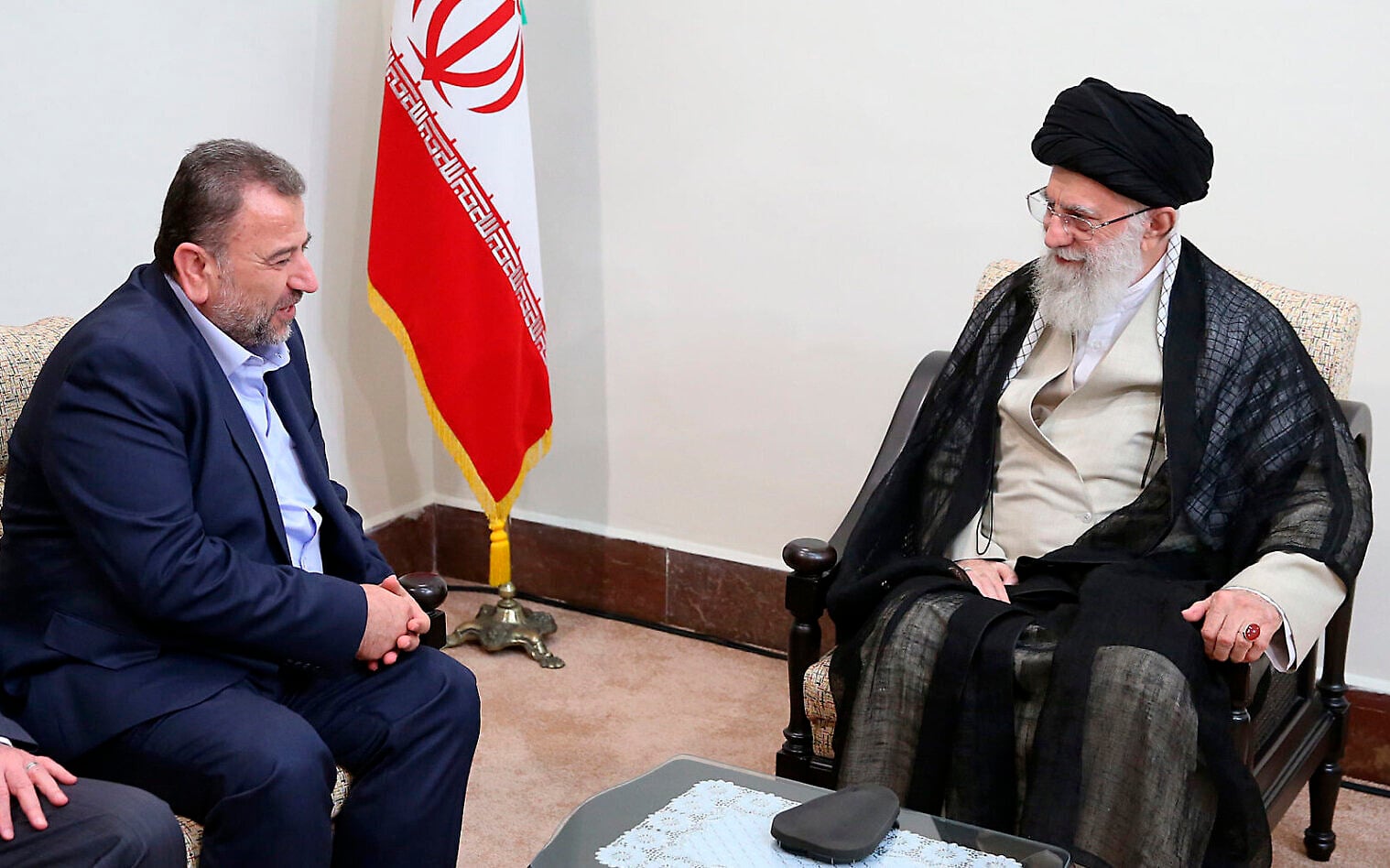 Arouri had moved between Syria, Turkey and Qatar before ending up in Beirut precisely because he knew — or thought he did — that he would be untouchable in the Dahiyeh suburb, Hezbollah’s center of operations in the Lebanese capital. For Israel to target him there, he knew, would be to risk untold repercussions by directly challenging Hezbollah — whose precision-guided missile capabilities, rocket arsenal, and sheer numbers of armed and trained gunmen dwarf the capacities of Hamas. By extension, Israel would also risk heightened confrontation with the two terror groups’ patron, Iran. Such calculations may have been accurate prior to October 7. After October 7, they manifestly were not. In the West Bank, the removal of Arouri and several of his colleagues will prove a setback to the plotters and executors of terrorism. Unfortunately, however uniquely expert Arouri may have been in fomenting such attacks, history shows that others can be expected to quickly fill the vacuum. 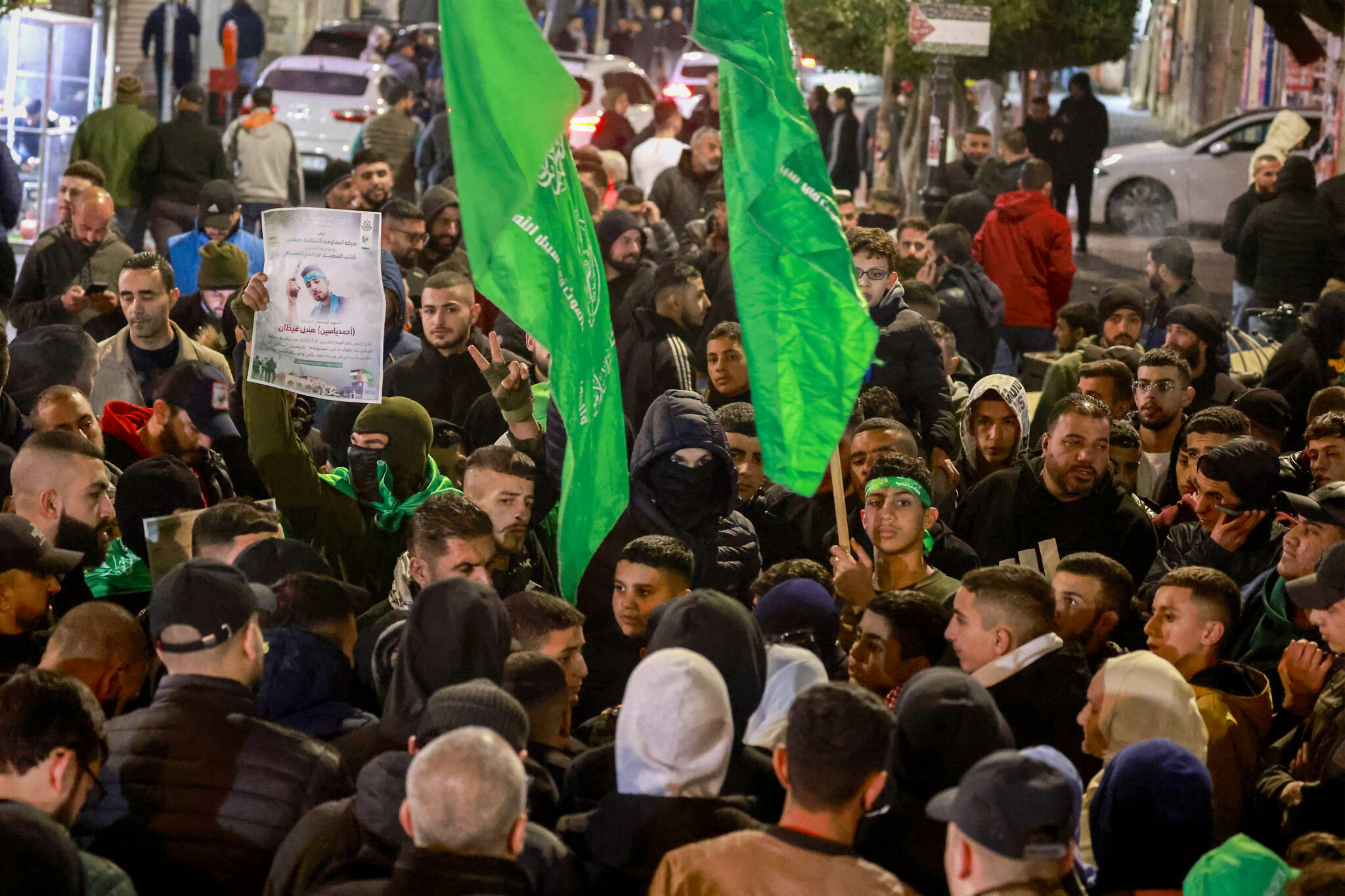 In Gaza, Hamas’s first response was to announce a halt in contacts for a possible second set of hostage releases. That response was unsurprising; Hamas’s Gaza chief Yahya Sinwar oversaw the abduction of hostages on October 7 precisely to provide leverage and a means of psychological terror in the hope of deterring or undermining Israel’s response. But the evidence that Israel is ready and able to implement its pledge to track down and kill Hamas’s commanders, even with the prospect of multi-front consequences, will be resonating among the Gaza terror-government’s key figures, commanders and rank-and-file. 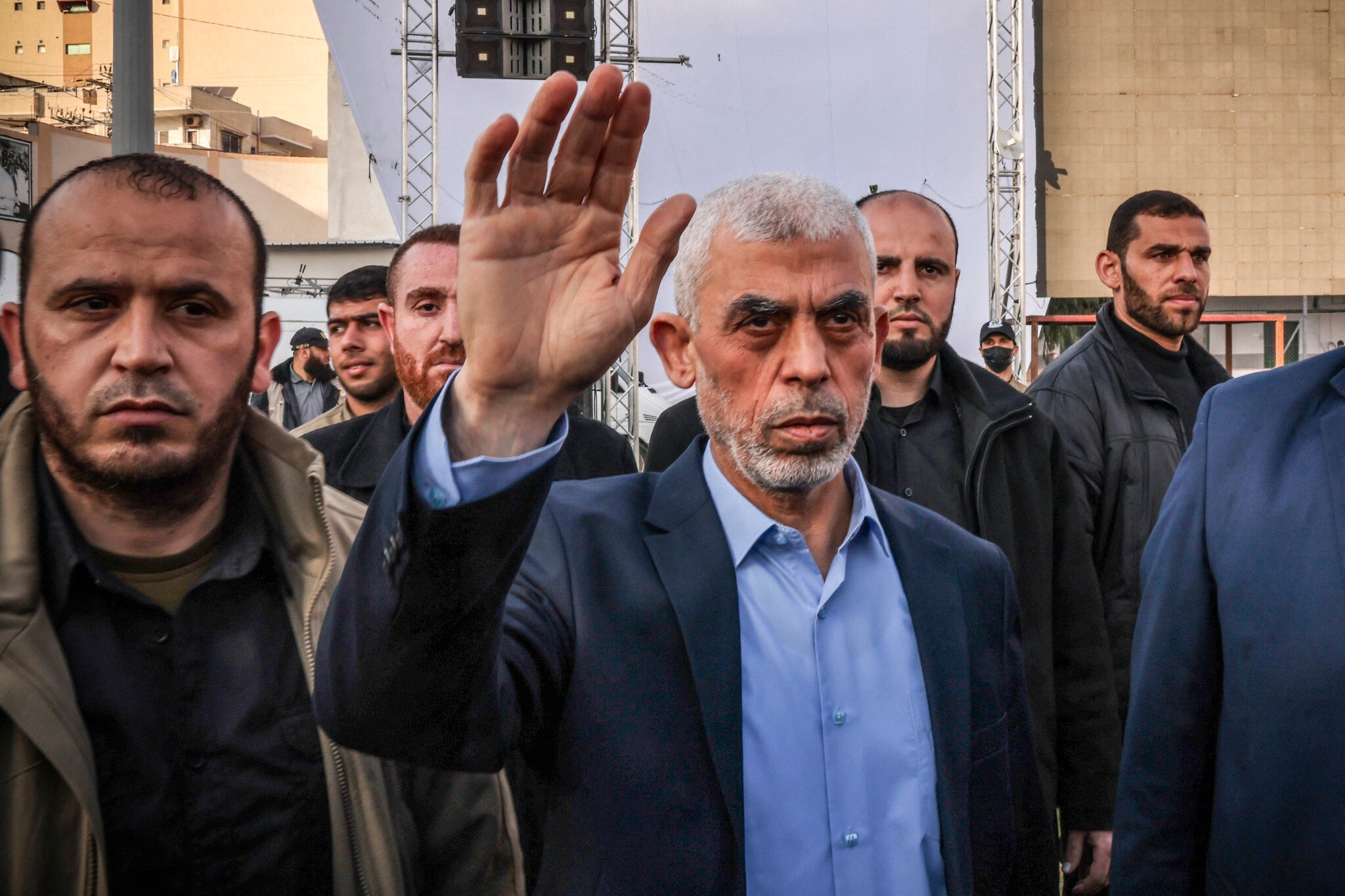 On the northern front, meanwhile, Israel already has a substantive military deployment and is bracing for a response. Hamas will want to hit back from Lebanon; its Lebanon-based operation, after all, was directly targeted. More potently, Hezbollah’s Sheikh Hassan Nasrallah will emphatically seek to ensure that the direct undermining of his Beirut sovereignty, not to mention the loss of a key personal ally, does not pass quietly. Here again, however, everything has changed since October 7. Nasrallah has elected thus far not to embark on a full-scale war with Israel. He is widely reported not to have known in advance of Sinwar’s plans; even Arouri was reportedly only told an hour before the onslaught began. But Nasrallah certainly did enter the fighting, and Hezbollah’s cross-border rocket and missile fire has forced tens of thousands of Israelis from their homes. 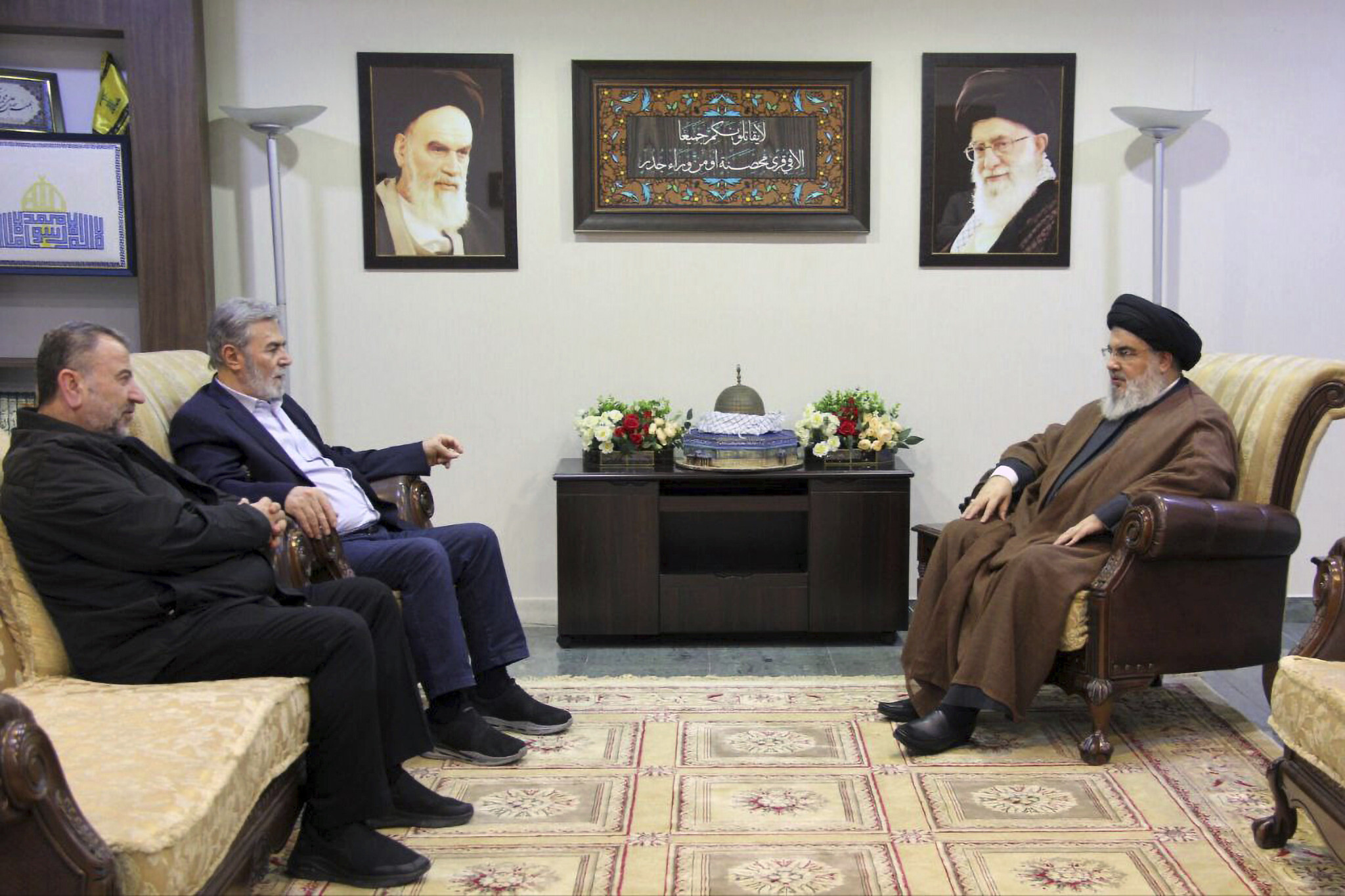 Defense Minister Yoav Gallant was ready to tackle Hezbollah before Hamas in the immediate aftermath of October 7. He was overruled, but Israel’s political and military leadership have made clear repeatedly in recent weeks that the pre-October 7 situation in the north will have to change one way or another — that the danger posed by Hezbollah at the border is no longer remotely tolerable, and that if it does not choose to withdraw its forces, as required by 2006’s UN Security Council Resolution 1701, then Israel intends to use other means to ensure it does so. Official Israel has not taken responsibility for last night’s strike. A spokesman for Prime Minister Benjamin Netanyahu made plain that “whoever did this has a gripe with Hamas,” rather than Hezbollah. And the IDF Spokesman, Daniel Hagari, refused to so much as mention Arouri’s name or reference Hezbollah in his nightly press conference, stating, “We are in a high state of readiness for any scenario,” but emphasizing that “the most important thing to say tonight is that we are focused and remain focused on fighting Hamas.” Asked directly by a reporter whether he anticipated fire on central Israel or on the northern city of Haifa in the wake of Arouri’s killing, Hagari insisted again: “I’m not referring to what’s been said here [by the reporter] and in other places. We are focused on fighting Hamas. We have been from the start, and we will continue to be.” All of which adds up to a reiteration of the oft-stated Israeli message that it is not seeking all-out war with Hezbollah, but that it is ready to wage that war if Nasrallah insists upon it. 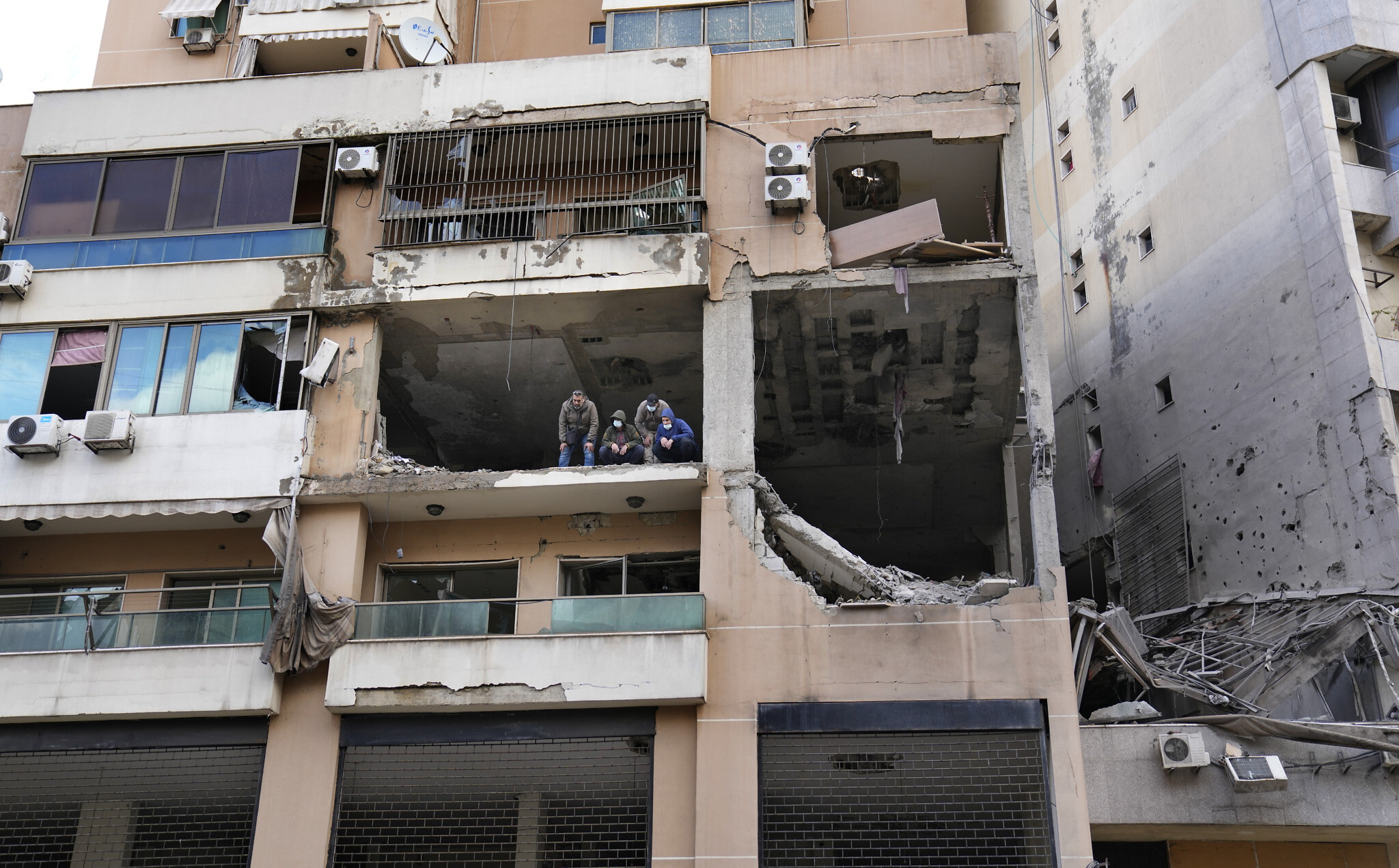 As Israel will have calculated, however, the ultimate decision on how to respond to Arouri’s elimination will rest with Iran — the state sponsor of both these quasi-government terrorist armies. Despite the recognition that it represented a clear challenge to the Islamic Republic, the strike on a Hamas terror chief hiding out in a Hezbollah stronghold went ahead anyway. One can only mourn that the kind of astonishing intel capabilities and assessment required to remove Arouri and his colleagues were not remotely utilized in the months, weeks, days and hours ahead of October 7. But, again, everything has changed since then. And last night’s precision strike in Beirut was the clearest single demonstration of that to date.
ToI Community exclusive webinar TOMORROW with Editor David Horovitz, Senior Analyst Haviv Rettig Gur and Deputy Editor Amanda Borschel-DanPlease join us tomorrow, Thursday January 4 at 12 noon ET / 7PM Israel time for a ToI Community-exclusive webinar where we answer your questions about Israel’s war with Hamas three months in. Can’t join us on Thursday? A recording will be available once the webinar ends by using the same link.
** Send in your question for David and/or Haviv and we’ll make every effort to address it: ** Find the webinar on Thursday here (requires signing into your ToI Community account): A recording of the webinar will be available to view on-demand soon after it ends through the same link. Add the event to your calendar:
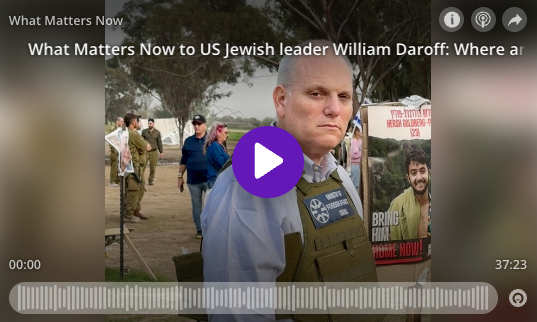
What Matters Now to US Jewish leader William Daroff: Where are our allies?William Daroff, the CEO of the Conference of Presidents of Major American Jewish Organizations, recently headed a mission of 50 leaders of Jewish legacy organizations to Israel. On this episode of ToI’s podcast What Matters Now, Daroff discusses the mission and his sense of a ‘second punch in the gut’ by those who misjudge the Oct. 7 tragedy and ‘continue to not get it’ back in the United States.
🔔 And be sure to subscribe to What Matters Now on Apple Podcasts, Google Podcasts, Spotify, or wherever you listen to podcasts.
🙋 Have something to share?We’d love to hear it! Join the discussion on our active ToI Community Facebook group. Keep tabs on new content and events on our Community Page. And please don’t hesitate to write to us with any suggestions, issues or questions. Thank you for your continued support of our independent journalism. ~ The Times of Israel Team
|



|
You are receiving this email because you are a member of The Times of Israel Community. If you would like to stop receiving community updates, please click below to unsubscribe.
|