
|
|

|
Dear Times of Israel Community, Monday’s first anniversary of Hamas’s October 7 invasion and slaughter was an ordeal in and of itself — the memorialization of a day of unprecedented loss and tragedy in the midst of a war that has expanded ever since. The hour after hour of television recapitulations of the horrors of a year ago — the endlessly repeated footage from that most terrible of days, the desperate audio of Israelis facing their imminent murder — was combined with previously unseen clips of Hamas’s monstrous rampage and fresh interviews with the bereaved, the survivors, the families of hostages. And all this, in turn, was intermingled with the ongoing, real-time news: rocket attacks from what is left of Hamas in Gaza. One hundred and ninety rockets from Hezbollah in the north. The announcement of two soldiers killed in Lebanon. Of a hostage, Idan Shtivi, now confirmed to have been killed on that awful day a year ago. Preparations for the evening’s ceremony arranged by families of the bereaved and the hostages interrupted by sirens warning of a Houthi missile en route from Yemen (and intercepted before it reached Israel). 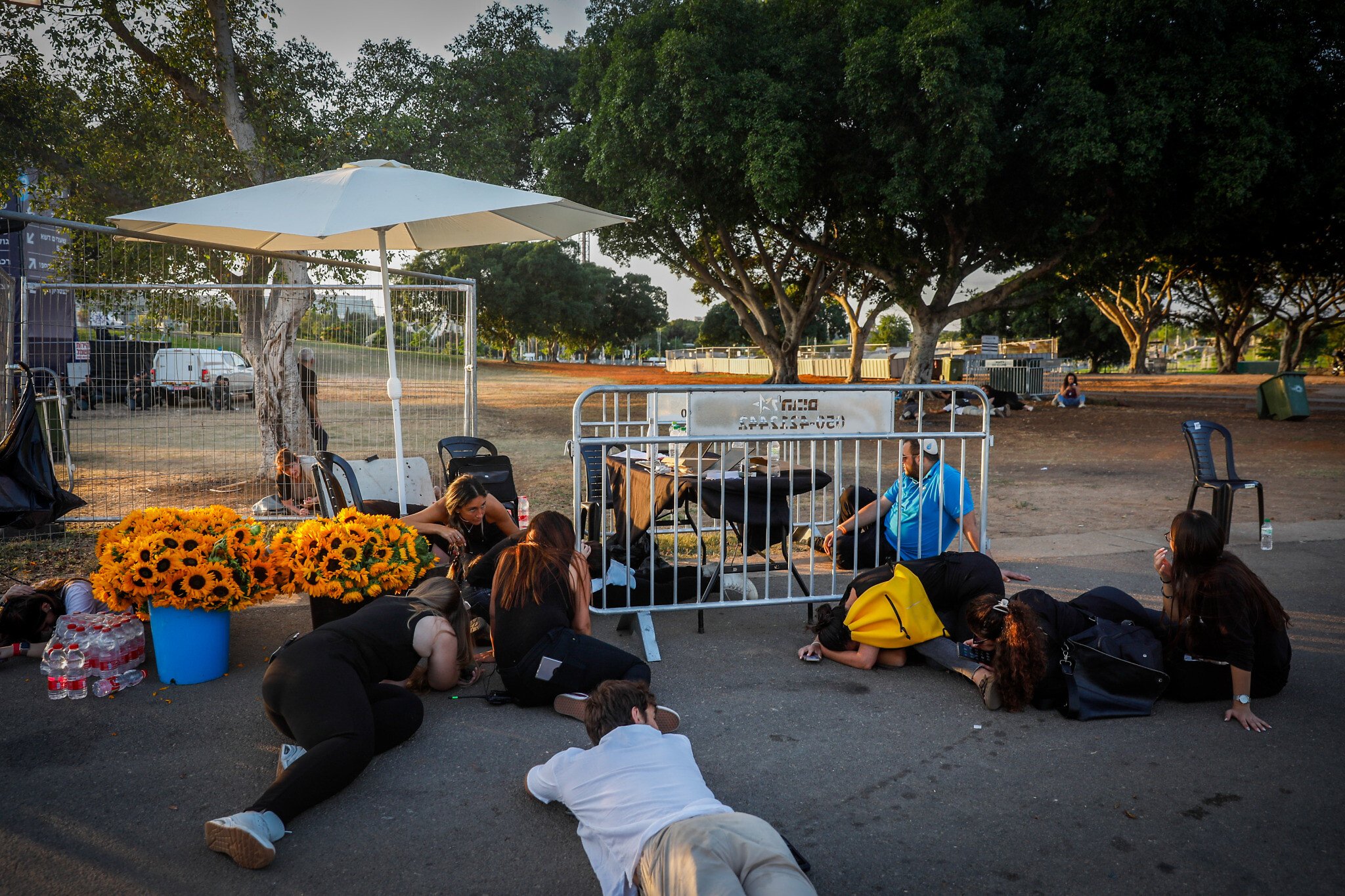 And all of this just one day after a Border Police officer was murdered by an Israeli terrorist in Beersheba, four days after two soldiers were killed in a drone attack from Iraq, and less than a week after Iran fired 200 ballistic missiles at us. Many times during the day, it was almost impossible to tell whether what we were watching and hearing was anniversary material or the war as it continues on its multiplying fronts. It was right and necessary for Israel to take stock, a year after Hamas changed this country forever — to mourn the lives lost and destroyed that day, to highlight the imperative to secure the release of the 101 hostages still held alive and dead in Gaza, and to try to come together and maximize national resilience for the battles ahead. And while the fact that two separate memorial ceremonies were held as day turned to night — with many of the families most directly affected unable to have anything to do with the official event organized by the government that so signally failed them — those two events were at least staggered rather than competitive; coexisting, as we simply must. 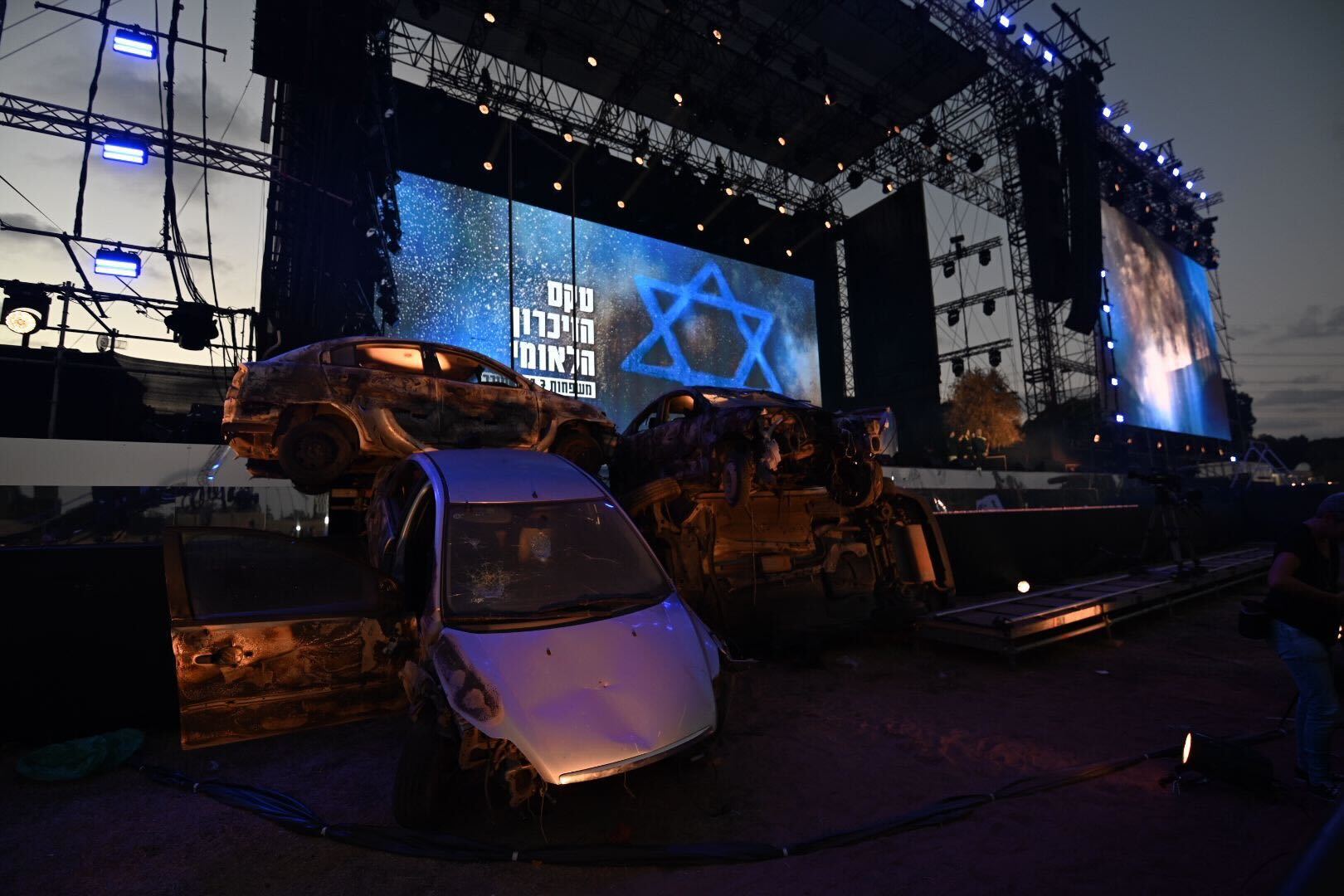 October 7 should and could have been averted, with just the smallest modicum of common sense and realism by Israel’s political and military leadership. A year later, Israel is fighting back, most dramatically against Hezbollah in Lebanon. But while that terrorist army has lost most of its leadership from Hassan Nasrallah on down, along with many of its fighters and a significant part of its weaponry, it is far from destroyed and remains undeterred. As I am writing, it has just fired more rockets at Haifa than at any point in the past year. 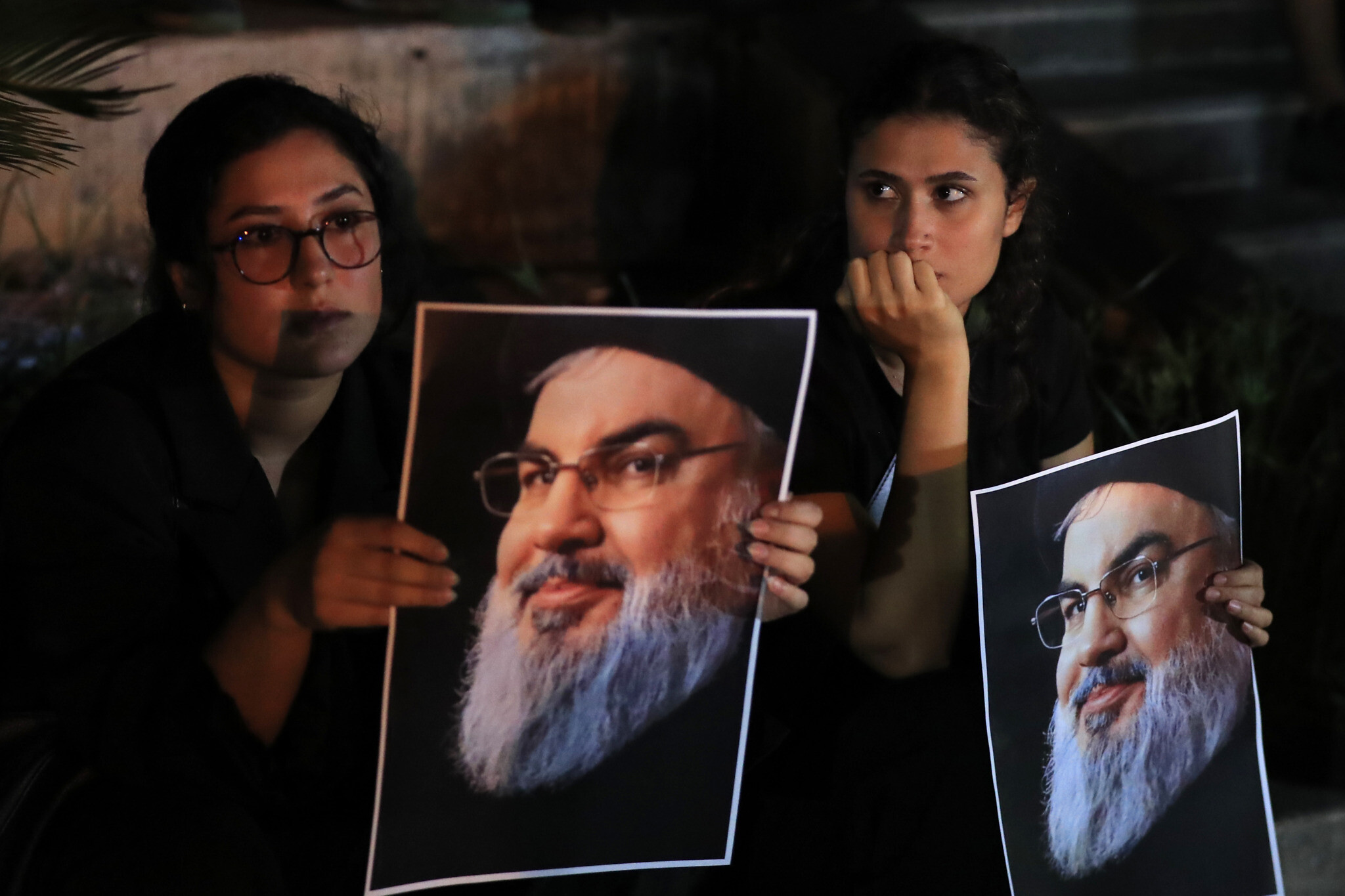 Hamas is no longer an army, though it remains a threat and remains determined to leverage the hostages en route to revival. And the Iranian regime, coordinating assiduously for Israel’s annihilation, is all but untouched, and most certainly did not “get the message” that Israel believed it was sending with its surgical strike on parts of Iran’s missile defense systems after the ayatollahs’ first direct assault in April. As Israel mulls a tactical response to those 200 ballistic missiles that sent almost the entire nation into the bomb shelters last week, what we need above all is strategic planning — not to send military messages to the leadership in Tehran, but to accelerate its demise. 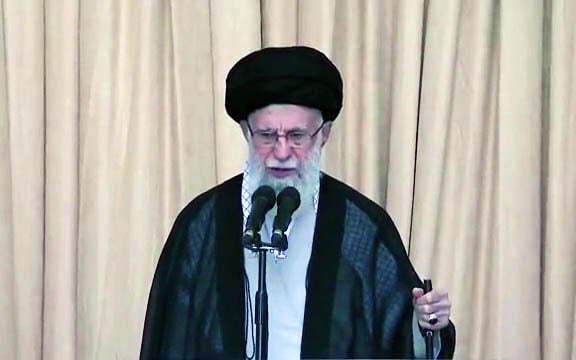 The ayatollahs are hell-bent on Israel’s destruction, but have long since widened their missile ranges — and their ideological and territorial ambitions — far beyond Israel. It should not — and quite possibly cannot — fall to Israel alone to bring down their regime. We deeply, urgently need the best brains at the heart of government — marginalizing the far-right expansionist, anti-Zionist hoodlums. But that’s plainly a pipe dream. We need maximal global advocacy — to enable fair-minded people to understand what is at stake for Israel, but not only for Israel, in the faceoff against the ayatollahs’ global ambitions, to shift public opinion, and by extension shore up political support. But official Israel seems insistent in maintaining its unfathomable decades-long failure in that regard. But we absolutely must ensure the closest possible relationship with the free world’s only superpower. Israel does not ask its allies to put their lives on the line in our defense. But we certainly require the diplomatic and practical military support of the United States to take on our mutual enemies in this region.  That alliance is crucial if the Islamic Republic is to be stopped. Unnecessarily strained during this nightmarish past year, the partnership is central to our capacity to ensure long-term revival, stability and security on the long road back from October 7, 2023. You’d have thought all of this was obvious. It isn’t. And if Israel’s leadership had done what was obvious, we wouldn’t be under multi-front attack in the longest war since independence. — ‘October’s Wake’ podcast mini-series continues |
|
You are receiving this email because you are a member of The Times of Israel Community. If you would like to stop receiving community updates, please click below to unsubscribe.
|