
|
|

|
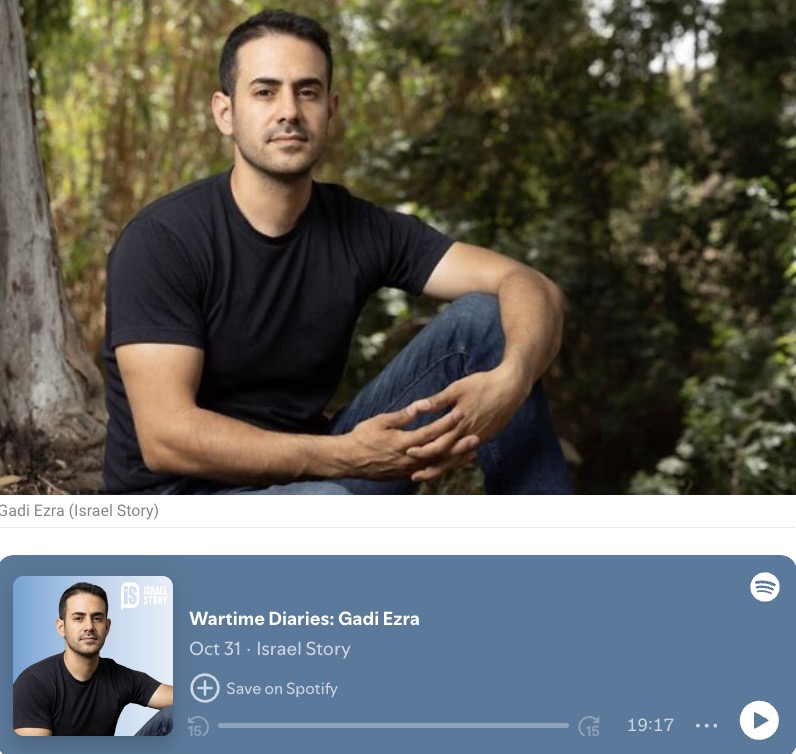
Dear Times of Israel Community, The American public has spoken, loud and clear. Returning president Donald Trump called his election victory “the most incredible political thing, political victory, that our country has never seen before.” His Vice President-elect JD Vance hailed “the greatest political comeback in American history.” And so, too, did Israel’s Prime Minister Benjamin Netanyahu, who was quick to issue a statement to that effect: “Congratulations on history’s greatest comeback!” 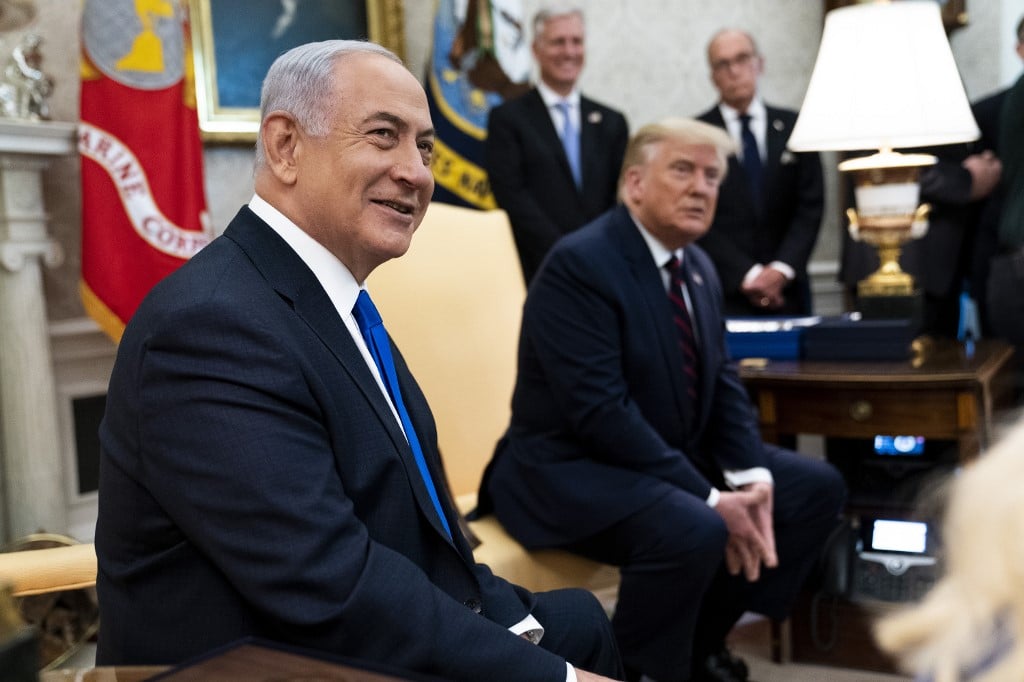 Trump achieved his extraordinary feat — becoming only the second defeated US president to win a fresh White House term (132 years after Grover Cleveland) — just a few hours after Netanyahu brusquely advanced a dramatic comeback of his own, ousting his only significant coalition dissenter, Defense Minister Yoav Gallant, and thus cementing his political domination barely a year after the unprecedented catastrophe of October 7, 2023. A day earlier, Netanyahu had reportedly tasked Justice Minister Yariv Levin with finding a “solution” for his other prime potent irritant, Attorney General Gali Baharav-Miara, the government’s chief legal adviser, who keeps objecting to his efforts to entrench in legislation the inequitable and discriminatory exclusion of ultra-Orthodox males from military service. His determination to appease his Haredi partners and thus stabilize his coalition — mid-multifront war, at the expense of the overstretched standing army and reserves — was one of his main bones of contention with Gallant, who refused to back any such law, regarding it as unjust, divisive, and harmful to the war effort. Gallant’s removal — and his replacement by Israel Katz, whose brief tenure as foreign minister will be remembered chiefly for a series of tweets insulting world leaders hostile to Israel — means there is a neophyte in charge of the army as Israel battles Hamas, Hezbollah and ultimately Iran. It also means there is nobody in the key cabinet decision-making forums, with the exception of far-right ministers Bezalel Smotrich and Itamar Ben Gvir, who will challenge or push back against Netanyahu. And nobody who will object if Netanyahu moves to replace the heads of the IDF, Shin Bet and Mossad — all of whom share culpability for October 7, and all of whom have reportedly encouraged him to secure a hostage-ceasefire deal with Hamas in Gaza on terms he and the far right oppose. Baharav-Miara’s ouster, doubtless to be succeeded by a more convenient personage, would mean the departure of the only independent legal adviser at the cabinet table. It would also ensure a more sympathetic figure at the helm of the state prosecution, at a time when Netanyahu is on trial in three corruption cases and two war-related police and Shin Bet investigations are in full sway with significant potential implications for the Prime Minister’s Office. In acute contrast to Trump’s historic comeback, however, Netanyahu’s has been achieved without recourse to the electorate since the greatest calamity in Israeli history unfolded on his watch, without him having acknowledged his prime responsibility for the failures that enabled the Hamas invasion and massacre, and without him allowing the establishment of a state commission of inquiry into what went so catastrophically wrong. His refusal to permit such an inquiry — vital to shed light on what exactly happened, and to learn essential lessons to prevent anything remotely similar happening again — was another of the issues over which he and Gallant openly clashed. In specifying why he was fired, Gallant cited a third reason — his conviction that a hostage-ceasefire deal is necessary and doable, and indeed that the current “abandoning” of the hostages is unforgivable, and if maintained “will be a mark of Cain on the forehead of Israeli society and those leading this mistaken path.” On all three of these issues, Israel’s unreliable polling indicates that most of the public aligns with Gallant. On the issue of the Haredi failure to serve in the IDF, parts of Netanyahu’s own supine Likud Knesset faction and the far-right coalition parties do too. And unreliable polling is all we have, given that Netanyahu, sworn in as prime minister after his Likud-led bloc won 64 of the 120 Knesset seats in the November 2022 elections, is not required to face Israeli voters again until October 2026. If Netanyahu can now find a way to meet the ultra-Orthodox IDF-evasion demand, there is no reason to believe his now 68-member coalition — bolstered by the four-strong party of incoming foreign minister Gideon Sa’ar, a rival turned supplicant — will fall before then. Now that Netanyahu serves not only as prime minister but, via relative ciphers, as defense minister and foreign minister, too, and with the attorney general in his sights, the next concern is that he will revive the central legislative effort of the first nine months of his government: a package of bills designed to broadly subjugate the judiciary to the political majority — an effort that only stalled after Gallant warned of its divisive consequences and was temporarily fired for his trouble, and that Netanyahu’s justice minister has continued to advocate even amid the war. This would give the prime minister near-absolute authority in Israel, still without having secured a fresh mandate from the people. And that would constitute not just a comeback, but a vast surpassing of the powers he held before October 7. — 🎙 Israel Story: Wartime Diaries — Gadi EzraOur podcast partners at Israel Story continue to bring you ‘Wartime Diaries,’ remarkable voices and stories from Israel during these unprecedented times. The latest episode: Gadi Ezra, a 38-year-old Tel Aviv resident and memoir author, has been balancing family life with dual roles since October 7, 2023: as a special forces soldier on the front lines and as a communications specialist in IDF headquarters. His story highlights the challenges of navigating both battlefield impact and strategic influence from afar. Press below to listen:
** Israel Story is produced in partnership with The Times of Israel.
🎙 What Matters Now to Haviv Rettig Gur: US elections through an Israeli prismThis week’s episode of ToI’s podcast What Matters Now was recorded before the US elections, but is still relevant. Host Amanda Borschel-Dan speaks with senior analyst Haviv Rettig Gur about the differences between Israelis and American Jews in their views on the US presidential candidates. Rettig Gur explores why Israelis largely favor Trump and discusses feedback from American Jewish communities on the candidates. Press here to listen:
🔔 Be sure to subscribe to What Matters Now on Apple Podcasts, YouTube, Spotify, or wherever you listen to podcasts.
🎥 Watch ‘Picture This’ Episode 4The fourth interview of ‘Picture This’, with released hostage Liat Atzili, is now live for Times of Israel Community members. This video series, produced in collaboration with ChaiFlicks, features intimate discussions with survivors of October 7, 2023, including interviewees from the Nova festival, a freed hostage and more. Each interview will be available for one week. Press here to watch the fourth interview. * Important note: Due to licensing restrictions, ‘Picture This’ is currently available only in the United States, United Kingdom, Canada, Australia, and New Zealand. If you are in an unsupported area, you can watch the original Kan series on YouTube and add English auto-captions. Episode 4: Liat Atzili
Liat Atzili’s time in Hamas captivity was unusual. Instead of a tunnel, she was kept in an apartment in the heart of Khan Younis. A history teacher, Yad Vashem volunteer, and an American citizen, Atzili learned upon her release that her husband had been killed on October 7.
** SAVE THE DATE: On November 20th, at 12PM ET/ 7PM Israel time, ‘Picture This’ host Ben Shani, will join us for a live webinar to reflect upon the series and answer your questions about it. Submit your questions here: Have a technical question about accessing ‘Picture This’? Just email us. 🙋 Have something to share?We’d love to hear it! Join the discussion on our active ToI Community Facebook group. Keep tabs on new content and events on our Community Page. And please don’t hesitate to write to us with any suggestions, issues or questions. Thank you for your continued support of our independent journalism. ~ The Times of Israel Team |


|
You are receiving this email because you are a member of The Times of Israel Community. If you would like to stop receiving community updates, please click below to unsubscribe.
|