
|
|

|
Dear Times of Israel Community, Tuesday’s detonation of thousands of Hezbollah pagers across Lebanon and into Syria was a spectacular feat of intel, technology and execution — the starkest of contrasts to the abject failures that enabled Hamas to carry out its October 7 invasion, mass murder, rapes, and abductions. 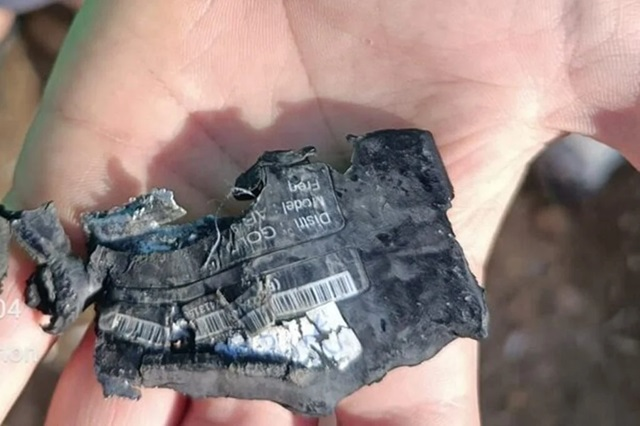 The exploding pagers operation — widely reported to have been carried out by Israel, though not acknowledged here as such — had apparently been devised to serve in the near future as an opening salvo in a major ground offensive to deplete and deter Hezbollah. This, in turn, would aim to create the conditions for a restoration of security in the north and the return of the tens of thousands of Israelis who have been forced from their homes for almost a year. In such a scenario, the impact of the vast, coordinated wave of explosions could have been extraordinarily significant — not only in directly putting a proportion of Hezbollah terrorists out of action, but also broadly complicating communications and logistics within the world’s largest and most potent terrorist army at the moment of truth. Amid a reported “use it or lose it” dilemma, with some in Hezbollah having become suspicious that their new pagers were Trojan horses, the decision was made to detonate the devices — but not, evidently, as the first act of a full-on war. Back in December, Defense Minister Yoav Gallant warned that Israel was “being attacked from seven different arenas”: Gaza, Lebanon, Syria, the West Bank, Iraq, Yemen, and Iran. The past few days have underlined the point — with skyrocketing friction in the north, ongoing fighting and losses in Gaza, greater IDF deployments to tackle terror in the West Bank, rocket and drone attacks by the Houthis and pro-Iranian militias in Yemen and Iraq respectively, and the ayatollahs pulling the strings. Late last month, Gallant told his fellow cabinet ministers that Israel was now at a “strategic crossroads” — with one route leading to a hostage-ceasefire deal in Gaza, a potential calming in the north, and a possible road to a bolstered regional alliance, including with the Saudis, against Iran’s axis of evil. The other, he warned, could see Israel becoming increasingly embroiled in Gaza, hopes for the hostages receding, and an escalation in the north with the IDF stretched beyond its limits. As of this writing, even after Tuesday’s dramatic practical and psychological blow to Hezbollah, it remains conceivable that things could go either way. A hostage-ceasefire deal has receded but the Americans, at least, have not given up. And Israel did not utilize those first hours of Hezbollah shock and confusion to send ground forces into Lebanon to tackle Hassan Nasrallah’s Radwan forces. Neither did it launch airstrikes to try to disable Hezbollah’s most potent heavy and precision-guided missiles.  Hezbollah has vowed to hit back at Israel, but then of course it has been battering Israel for 11 months — widening its rocket attacks, launching drones at bases in central Israel, and even, we can now report, attempting to assassinate former chief of staff and defense minister Moshe Ya’alon. Doubtless, it is hatching its latest attack plans right now. One question is whether Nasrallah, and more pertinently the Iranians who supply his missiles and finances, are ready to start an all-out war, or whether the pager humiliation will give them pause as they wonder what else Israel may have up its sleeve. Another is whether Israel is as prepared as it needs to be for a conflict that could now deepen drastically at any moment, and dwarf even the hostilities of the past 11 months. 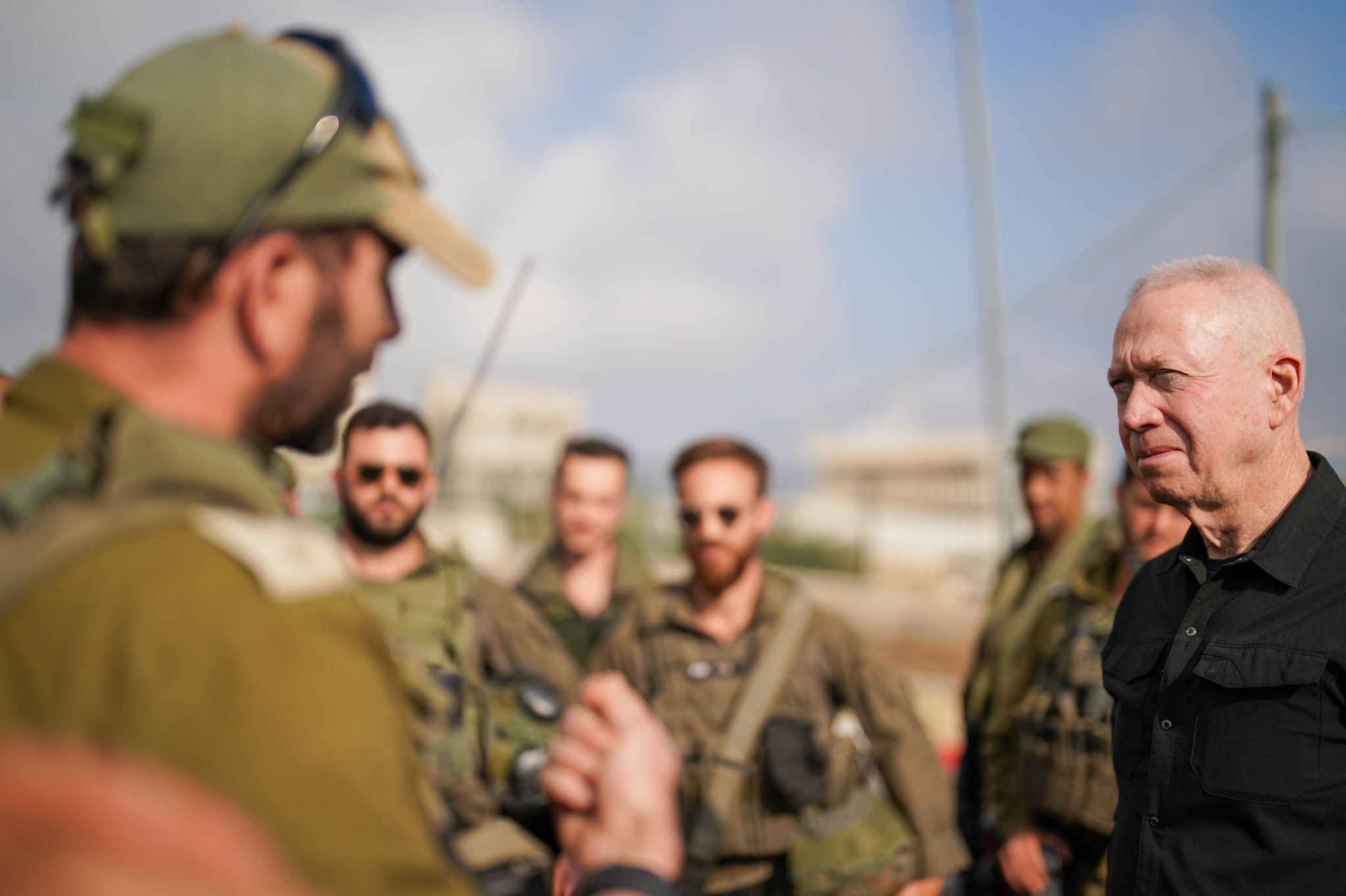 Not too late to think againThe unconscionable recklessness of Prime Minister Benjamin Netanyahu’s plan to install Gideon Sa’ar as defense minister in the midst of this seven-front war is only underlined by the escalated stakes following the strike on the Hezbollah pagers. That Sa’ar, a man with no substantial military background or expertise, would think himself capable of seamlessly taking over direct ministerial responsibility for Israel’s security establishment during arguably the most dangerous period in modern Israeli history defies belief. That he would slink away from years of passionate warnings against Netanyahu’s prioritizing his premiership’s survival over Israel’s is bad enough. That he himself would take a job for which he is “not competent” — in the words of former IDF chief of staff Gadi Eisenkot — and exacerbate the dangers is unforgivable. I’ve already written my certain-to-be-unheeded plea to Netanyahu to think again. It’s not too late for Sa’ar to do so. 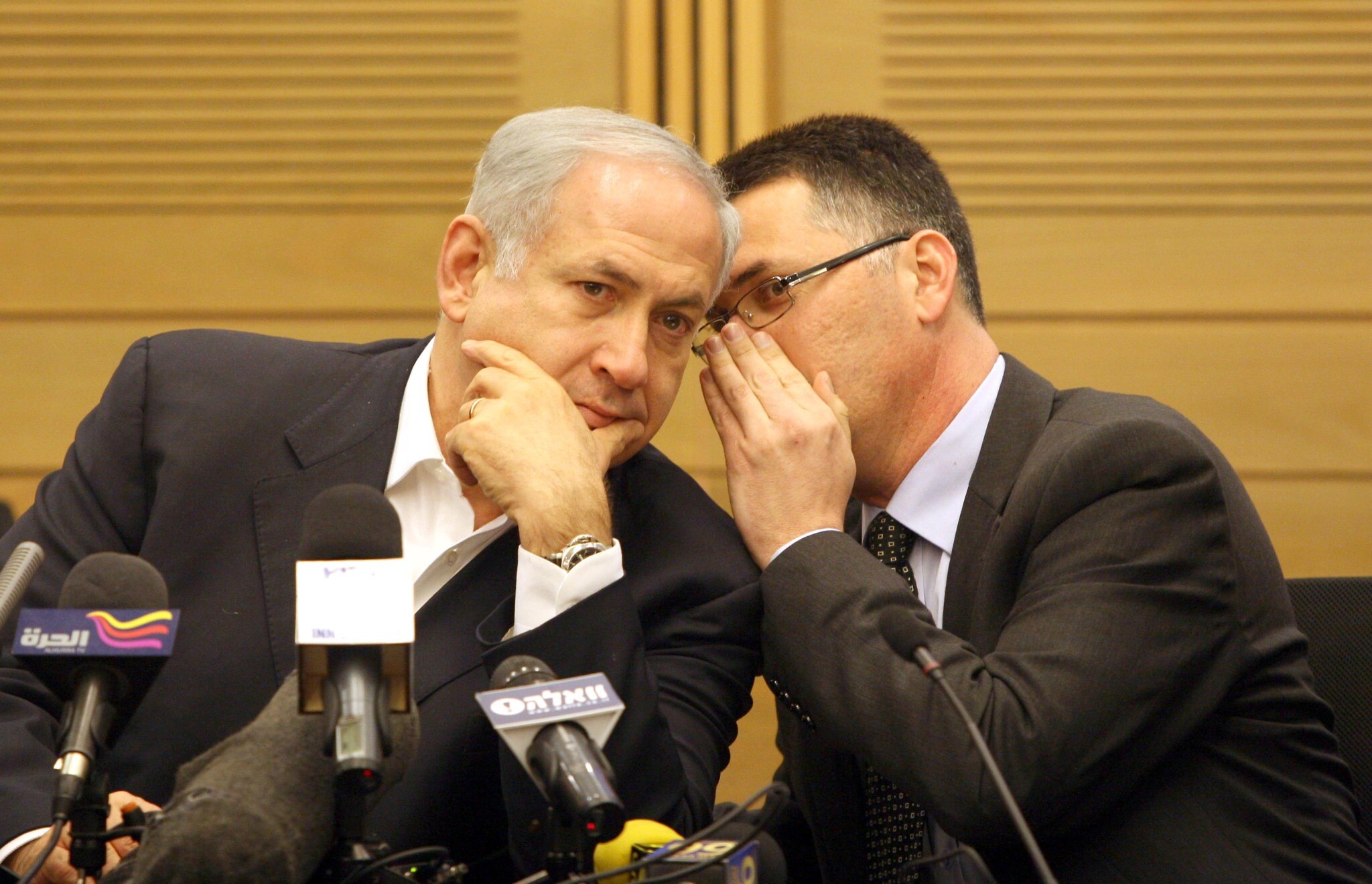 National willAt this fateful hour, it is worth noting that, unlike the era of unfounded complacency before October 7, Israel now recognizes the potency of the external threats it faces. It is worth stressing that Israel surmounted improbable odds to survive the War of Independence, to preempt a pan-Arab attack in 1967, to recover from the losses and despair at the start of the Yom Kippur War, and to hold firm during the strategic onslaught of suicide bombings in the Second Intifada. It is worth highlighting that the Iranian regime that is coordinating the multifront efforts to destroy Israel is internally weak and unloved by its people, and that potential partners in the strategic war to face down the regime have not closed the door on Israel this past year. 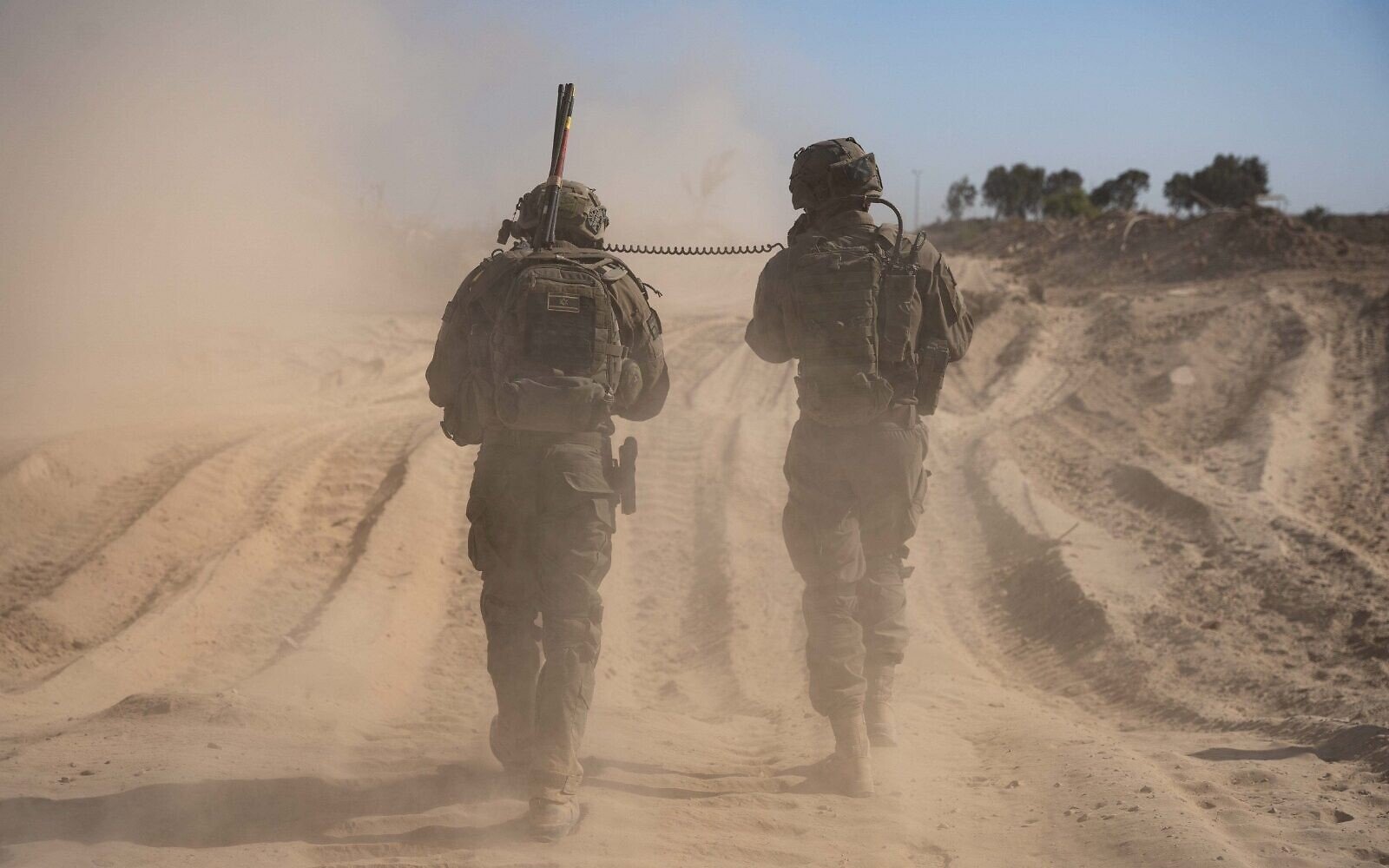 It is also vital to recall that, in its darkest hours, this country was sustained by national will — by the resilience of a people with a shared determination to prevail and a keen sense of shared responsibilities. It’s that national will that has enabled Israel to survive and flourish. Without it, Israel is imperiled. With it, all external enemies, on any and every front, can be defeated. — One year since October 7th: What do you want to know?To mark one year since October 7, 2023, we’re producing a special podcast mini-series exclusively for ToI Community members, with the title ‘October’s Wake.’ Host Amanda Borschel-Dan will bring together editor David Horovitz, senior analyst Haviv Rettig Gur, military reporter Emanuel Fabian, political reporter Tal Schneider and diplomatic reporter Lazar Berman to answer your questions and decipher the major issues from all fronts of the war — both in Israel and abroad. Please help us shape these Community-only episodes by telling us what issues you would like to be addressed by filling out this short form.
🎙 What Matters Now to Rabbi Elliot Cosgrove: What binds US Jews to Israel post-Oct. 7?This week on ToI’s podcast What Matters Now, Rabbi Elliot Cosgrove, head of New York’s Park Avenue Synagogue, discusses his upcoming book “For Such a Time as This: On Being Jewish Today.” Written after the October 7 Hamas massacre, the book reflects on the evolving relationship between American Jewry and Israel. Press below to listen:
🔔 Be sure to subscribe to What Matters Now on Apple Podcasts, YouTube, Spotify, or wherever you listen to podcasts.
🙋 Have something to share?We’d love to hear it! Join the discussion on our active ToI Community Facebook group. Keep tabs on new content and events on our Community Page. And please don’t hesitate to write to us with any suggestions, issues or questions. Thank you for your continued support of our independent journalism. ~ The Times of Israel Team
|

|
You are receiving this email because you are a member of The Times of Israel Community. If you would like to stop receiving community updates, please click below to unsubscribe.
|