Comptroller finds state fumbled pay, protections for overburdened reservists
Matanyahu Englman calls for deep reforms to address compensation gaps, weak oversight and uneven aid for hundreds of thousands who missed work or school to bolster army during war
Israel failed to adequately support its hundreds of thousands of reservists during the last two years of war, with much of the military burden falling on a small slice of the population, according to a new report released Tuesday by State Comptroller Matanyahu Englman.
The report, the eighth in a series of probes launched after Hamas’s October 7, 2023, onslaught, found systemic shortcomings in reservists’ compensation, employment protections, and assistance to tens of thousands of students pulled from their studies for months of service.
Releasing the report days after the government announced it would establish its own commission of inquiry into the failures surrounding the attack, a move critics decry as an attempt to bypass an independent and comprehensive state commission of inquiry, Englman said the public “deserves answers” regarding what he called the “most severe failure in the state’s history.”
He reiterated that the findings of his own probes of the political and military decision-makers will be published once legal constraints are lifted.
In June 2024, the High Court of Justice issued an interim order instructing the state comptroller to suspend any aspects of his investigation into the failings relating to the October 7 Hamas attack that deal with the Israel Defense Forces and the Shin Bet domestic intelligence agency. An April ruling lifting the order is under appeal.
In the meantime, Englman has pursued civilian-related reports regarding problems and issues in the lead-up to the attack and its aftermath.
Massive mobilization and unequal burden
Between October 2023 and July 2024, Israel called up roughly 318,000 civilians to reserve duty, a mobilization rate not seen in decades. Reservists served an average of 110 days during the 10-month period, far above the 10 to 13 days typical for peacetime.
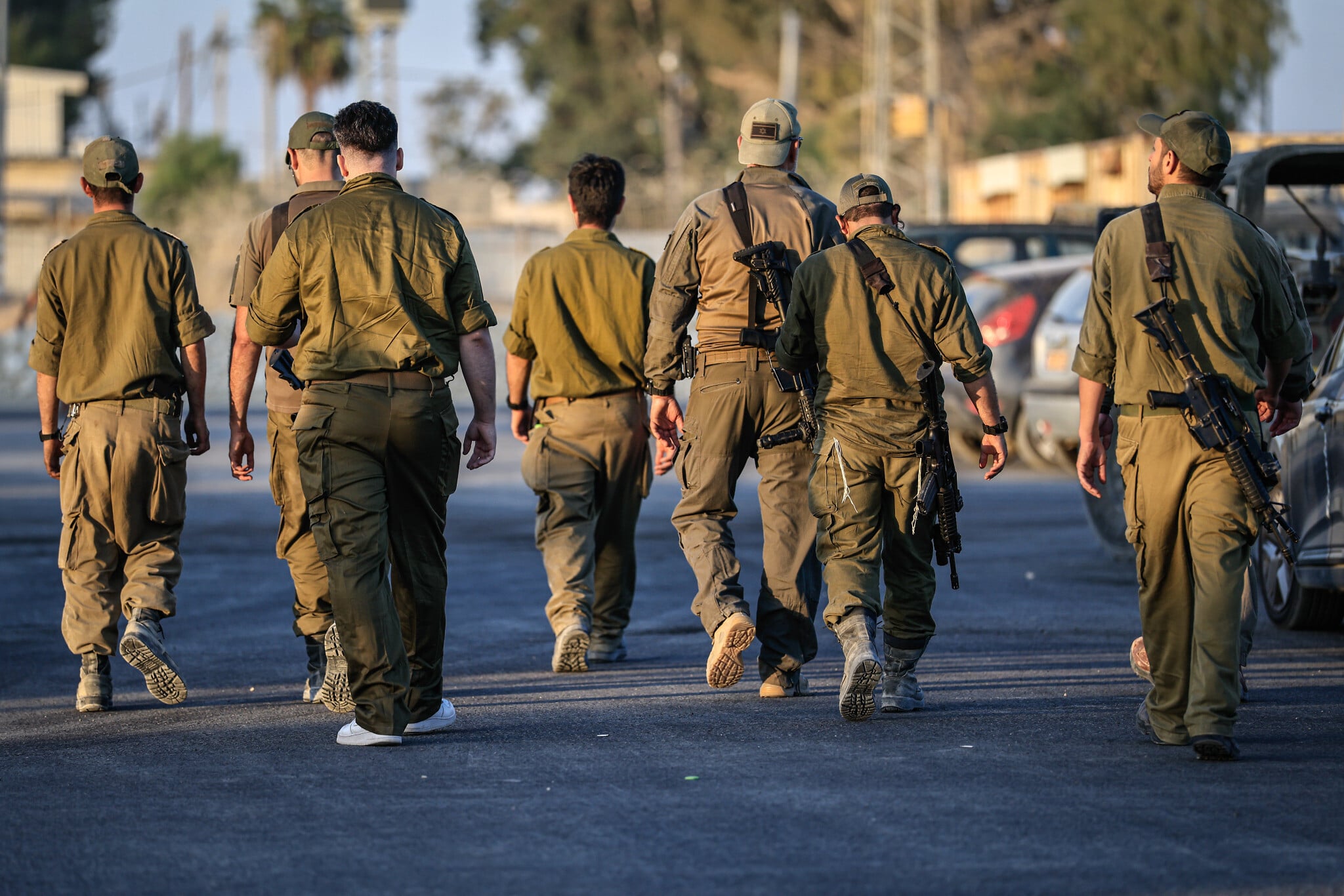
Despite this enormous call-up, only 11 percent of eligible Israelis aged 23 to 47 actually served, a figure the comptroller said underscores the shrinking pool of those carrying the bulk of the security burden.
Some 80,000 ultra-Orthodox, also known as Haredi, men between the ages of 18 and 24 are currently believed to be eligible for military service, but have not enlisted. The IDF has said it needs 12,000 new recruits due to the strain on standing and reserve forces caused by the war against Hamas in Gaza and other military challenges.
For the past year, the Haredi leadership has pushed to pass a law keeping its constituency from being subject to mandatory draft orders, after the High Court ruled that decades-long blanket exemptions from army duty traditionally afforded to full-time Haredi yeshiva students were illegal without the arrangement being anchored in legislation.
Reservists were predominantly young — about half were aged 30 or below — though over 35% were parents, collectively responsible for approximately 290,000 children.
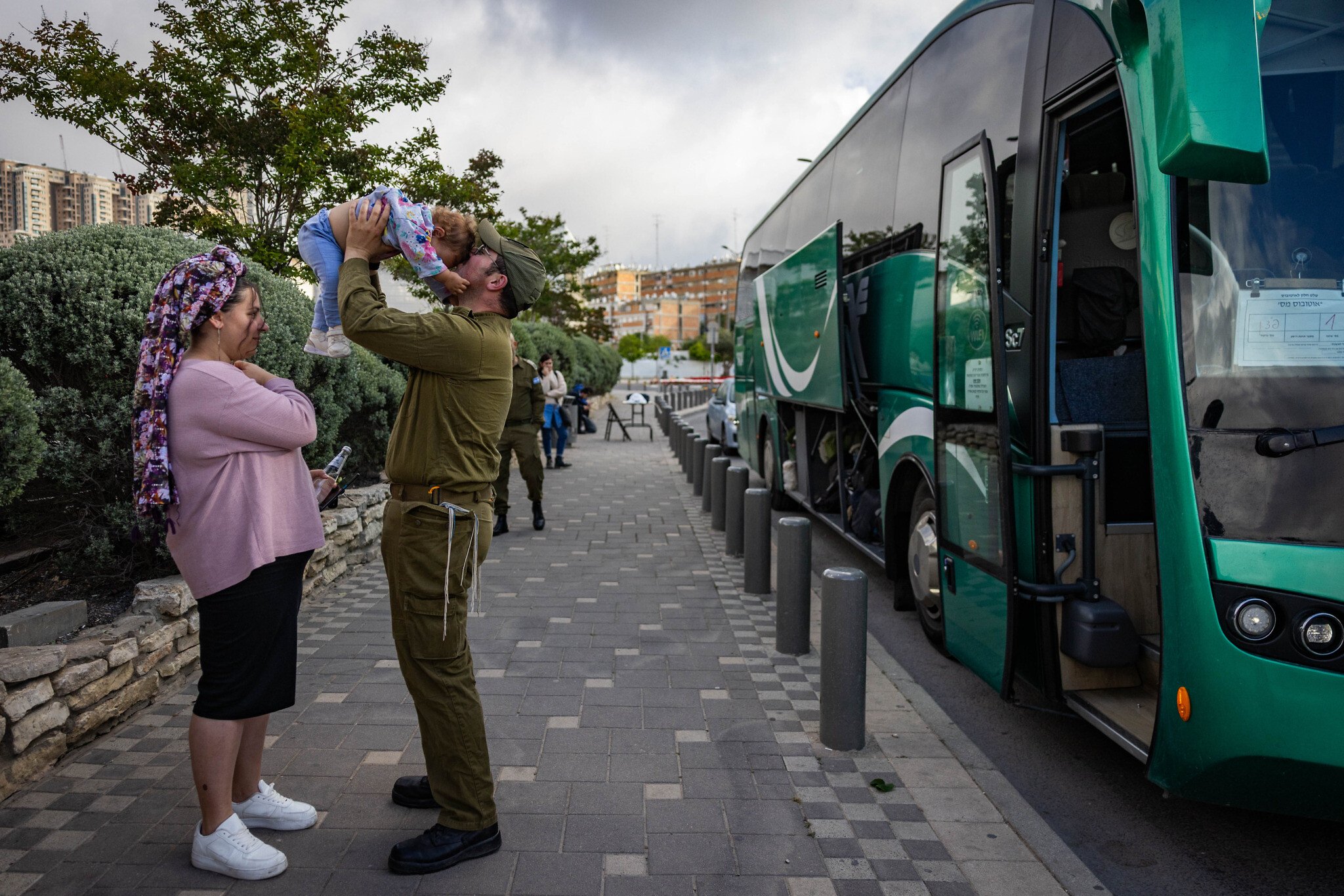
Englman warned that with longer reserve requirements expected in 2025, 2026, and beyond, the burden on this small population segment will intensify unless there are structural reforms.
Compensation system under strain
The National Insurance Institute disbursed NIS 20 billion ($6.1 billion) in reservist compensation between October 2023 and July 2024, nearly quadruple the amount paid during the preceding 3.75 years combined, the report said.
Yet a third of all reservists received only the minimum daily compensation of NIS 311 ($95) — equivalent to roughly NIS 9,300 ($2,800) per month — despite many serving months on end. Students were disproportionately represented among those receiving the minimum, with 57% of student-reservists falling below that threshold.
The comptroller noted that although the minimum daily compensation was temporarily increased from the original NIS 215 ($65) per day before the war, it is scheduled to drop by about 30% at the start of 2026 unless lawmakers extend the higher amount.
He also criticized the compensation formula introduced in 2008, by which reservists are paid for two more days than they serve, regardless of whether the service period is three days or 100.

Compensation issues hit the self-employed particularly hard. Many worked significantly less during the war because of long reserve duty, yet were compensated based on a higher income projection, putting them in debt to the NII. Only in December 2024 did the Finance Ministry move to correct the calculation method and cancel debts for those said to have been overpaid during the war.
The comptroller also criticized the legal framework protecting reservists and their spouses or co-parents from being fired, demoted or otherwise sanctioned by their workplace, saying it was fragmented and unclear and relied on a patchwork of statutes, temporary laws, and expansion orders that expire at different times.
This uncertainty, he warned, risks deterring employers from hiring reservists, their spouses, or unwed parents of their children.

With more reservists serving, claims of rights violations soared to four times the prewar average, and requests to fire employees on reserve duty jumped from 79 in the nine months before the war to 542 in the nine months starting October 2023.
Although the state expanded certain protections during the war — such as dismissal protections for spouses and leave benefits — Englman found significant inconsistencies. Some protections apply only after 60 days of service, some apply only through the end of 2025, and others apply indefinitely. The result, he wrote, is “uncertainty” for both reservists and employers.
Struggling to study while serving
The report devoted significant attention to the higher education system, which was forced to adapt to the absence of an estimated 60,000 students pressed into reserve duty. Nearly 10,000 of them served between 91 and 182 days between January and June 2024, the equivalent of missing more than half the academic period.
Seventy-three percent of surveyed students told the comptroller they could barely study during their service.
According to data collected by the Council for Higher Education, a state body that oversees colleges and universities, 1,423 reservist students dropped out during the 2023-24 academic year, representing about 2.6% of all student-reservists. Englman stressed that the dropout figure is likely incomplete, as institutions used different definitions to track enrollment and did not include the students who froze their studies or reduced their course loads.
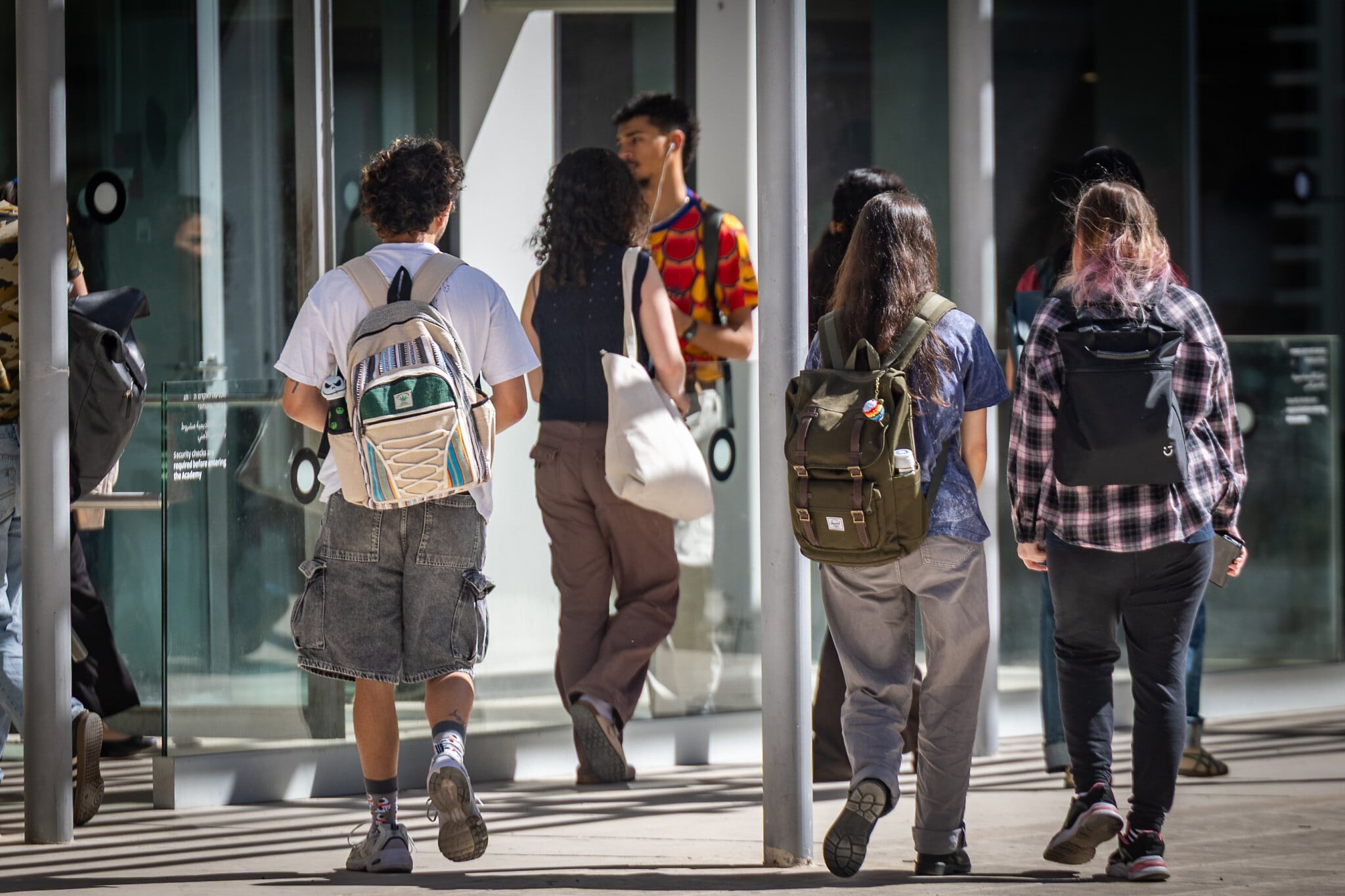
The ombudsman reported that 72% of institutions rated student satisfaction with help navigating the period as high, but 41% of student-reservists polled told the comptroller they were dissatisfied with the assistance they received; 45% said the support did not provide certainty about completing their degrees.
Many students said institutions offered few of the accommodations they needed most, such as written summaries of classes, extra lessons or condensed catch-up courses.
The state allocated NIS 195 million ($60 million) to higher education institutions to help reserve-duty students continue their studies and prevent dropouts. Institutions used only NIS 124 million ($38 million) of that amount, the report found.
Spending varied widely: some universities invested more than twice as much per student-reservist as others, and in colleges, the disparity approached a fourfold difference. The Council did not analyze the gaps or examine whether they reflected differing needs or inconsistent levels of support.
Call for long-term overhauls
Englman urged immediate structural reforms to address the issues. He called on the Defense and Finance ministries — working with the NII and the IDF — to reassess reserve compensation systems, anchor distinctions between combat and non-combat service in law, and create joint data-sharing mechanisms to properly monitor expenses.
He advised the Trade and Labor Ministry to conduct a comprehensive review of employment protections for reservists, spouses, and those injured during service, and propose long-term reforms.
In higher education, he said the Council and the Education Ministry must develop a long-term national plan to ensure that student-reservists can complete their degrees despite repeated and extended reserve mobilizations. This should include regular satisfaction surveys, uniform dropout definitions, stricter oversight of institutional spending, and consideration of mandatory tuition refunds for reservists forced to suspend studies.
“The reservists showed up for the country,” Englman said. “The country must be there for them, both by ensuring their employment security and by supporting their studies and welfare.”