Defying Trump, Israel strikes Iranian military, fuel targets; Iran, Houthis fire missiles at Israel
No injuries; settlement homes damaged by missile fragment; strike targets include Iranian air defenses; report: Netanyahu 'pseudo-agreed' to Trump's demand not to retaliate to initial fire
Israel launched strikes on Iranian military targets and a petrochemical plant on Monday morning in response to the Islamic Republic’s ballistic missile attacks on northern Israel hours earlier, defying public calls from US President Donald Trump not to retaliate.
After threatening continued barrages if Israel retaliated to its initial attack on Sunday evening, Iran launched more ballistic missile attacks on Monday morning after Israel’s airstrikes on military targets overnight, and was joined by Yemen’s Houthi rebels, who also fired a missile at Tel Aviv.
According to the Israel Defense Forces, Iran has launched 24 ballistic missiles at Israel since Sunday night. The missiles were all intercepted or struck open areas, the military said.
In addition, Iran-backed Houthis in Yemen fired two ballistic missiles at Israel on Monday morning. According to the IDF, one of the missiles was intercepted while the second failed to reach the country.
The Monday morning missile fire came after Israel Defense Forces carried out strikes in Iran overnight, saying it was hitting military targets in the center and west of the country.
The IDF later said the “extensive” wave of airstrikes targeted Iranian air defense systems. The military said dozens of Israeli Air Force fighter jets struck “strategic defense systems” in Iran as part of the strikes.
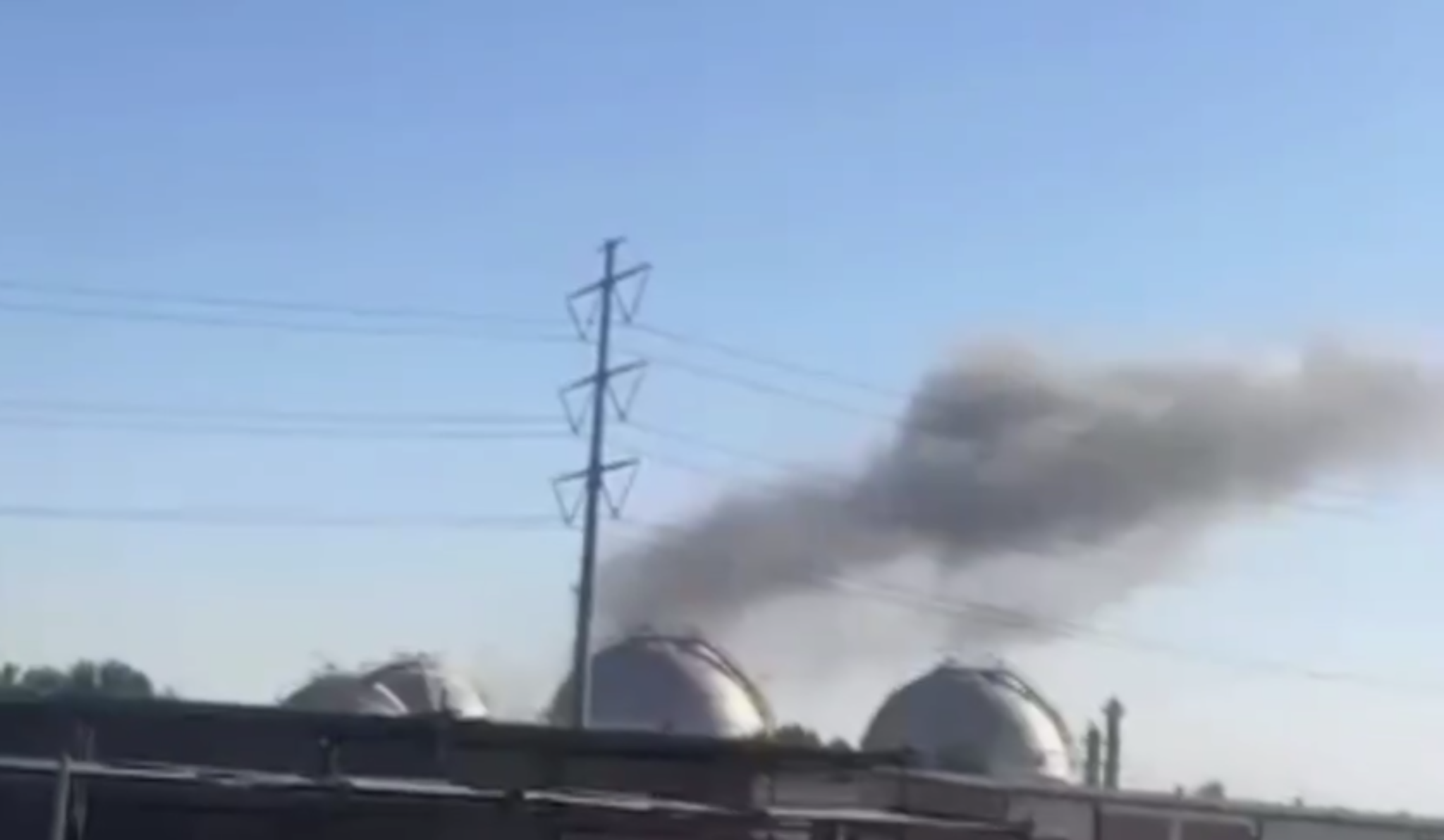
“Recently, defense systems were deployed in numerous areas across Iran as part of the regime’s efforts to restore its detection and defense capabilities, which were degraded during Operation Roaring Lion,” the IDF said, referring to the recent war.
“The strike led to the destruction of these systems,” the military added.
Iran’s Islamic Revolutionary Guard Corps said in a statement that Israel’s attacks were carried out using air-launched ballistic missiles, according to the IRNA news agency.

Iranian reports said 15 targets were hit, while Al Jazeera reported that one of them was a drone storage facility in Tehran.
Some reports also indicated that Mehrabad International Airport in Tehran was among the targeted sites. Sounds of explosions were heard in Tehran, Tabriz, and Isfahan, in Iran, according to local media.
A US defense official told Axios that the US military did not take part in the overnight Israeli strikes on Iran, and that the Israeli strikes were “relatively limited.”
Iran has fired four salvos of missiles at Israel since midnight, in addition to the Houthi attack.
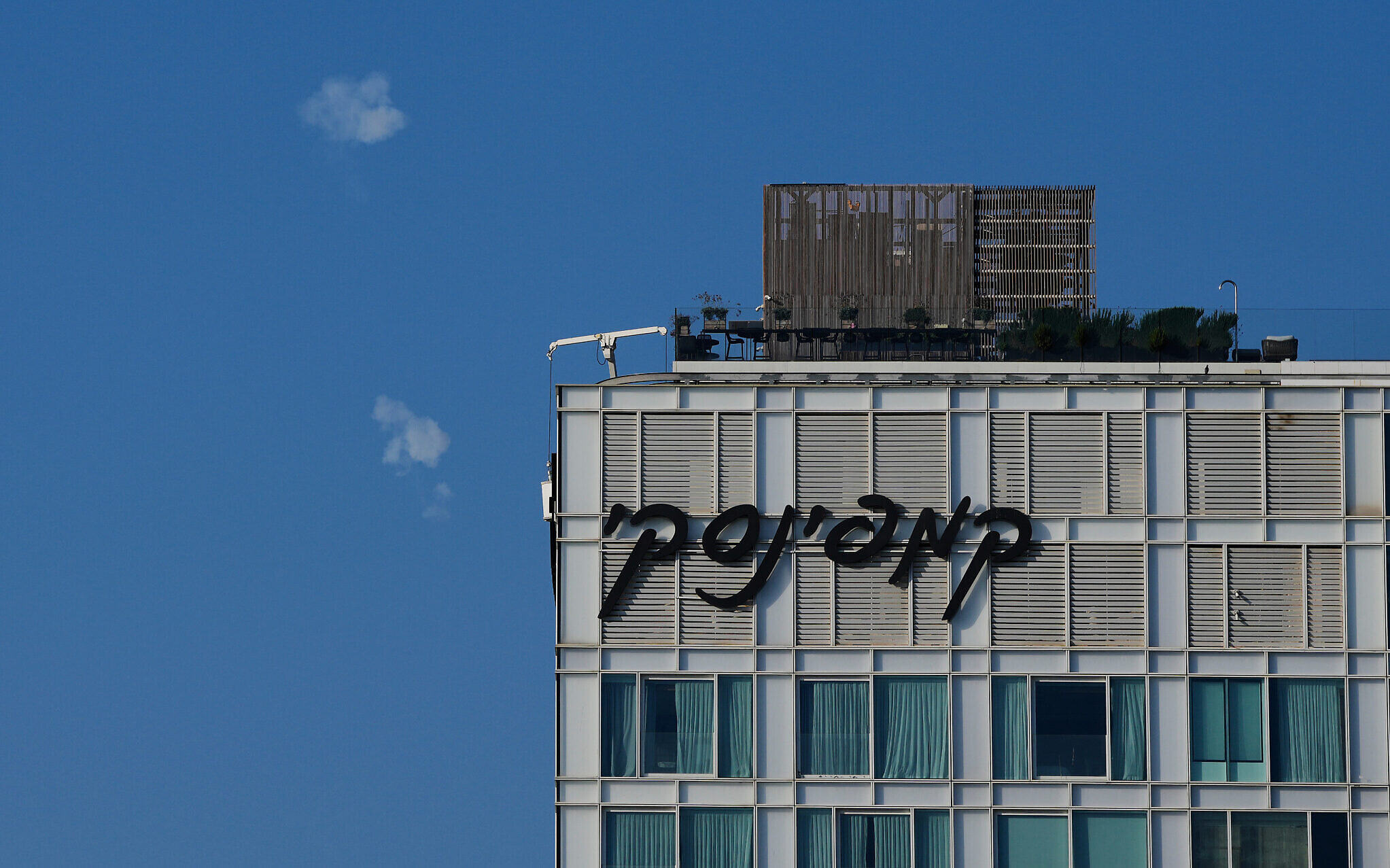
At around 6 a.m., sirens sounded across central Israel warning of a ballistic missile launched from Yemen, with a salvo from Iran triggering alerts in the south and center an hour later, sending millions running for shelter.
Nobody was injured in the volleys themselves, though medics treated a man who fell on his way to seek shelter during the Houthi attack, the Magen David Adom ambulance service said.
Damage was caused to several homes in a West Bank settlement following the impact of an Iranian missile fragment in one of the volleys, rescue services said.
In response to the missile attacks, Israel hit petrochemical facilities in the southwest of Iran.
The military said the Israeli Air Force struck three sites at a petrochemical complex in the Mahshahr area in southwest Iran, aiming to destroy infrastructure used by Iran to produce raw materials for the manufacture of missiles.
The Fars news agency reported that the Karun Mahshahr Petrochemical Company in the Khuzestan Province was hit by strikes carried out by “the Zionist enemy, causing partial damage.”
“The targeted infrastructure produced unique materials that serve as critical components for the development of ballistic missiles, which pose a threat to the State of Israel and its civilians,” the military said in a statement.
“These are critical components of the production infrastructure supporting the Iranian terror regime’s missile program,” the IDF added.
The IDF said Monday morning that Chief of Staff Lt. Gen. Eyal Zamir and senior military officials were monitoring the strikes.
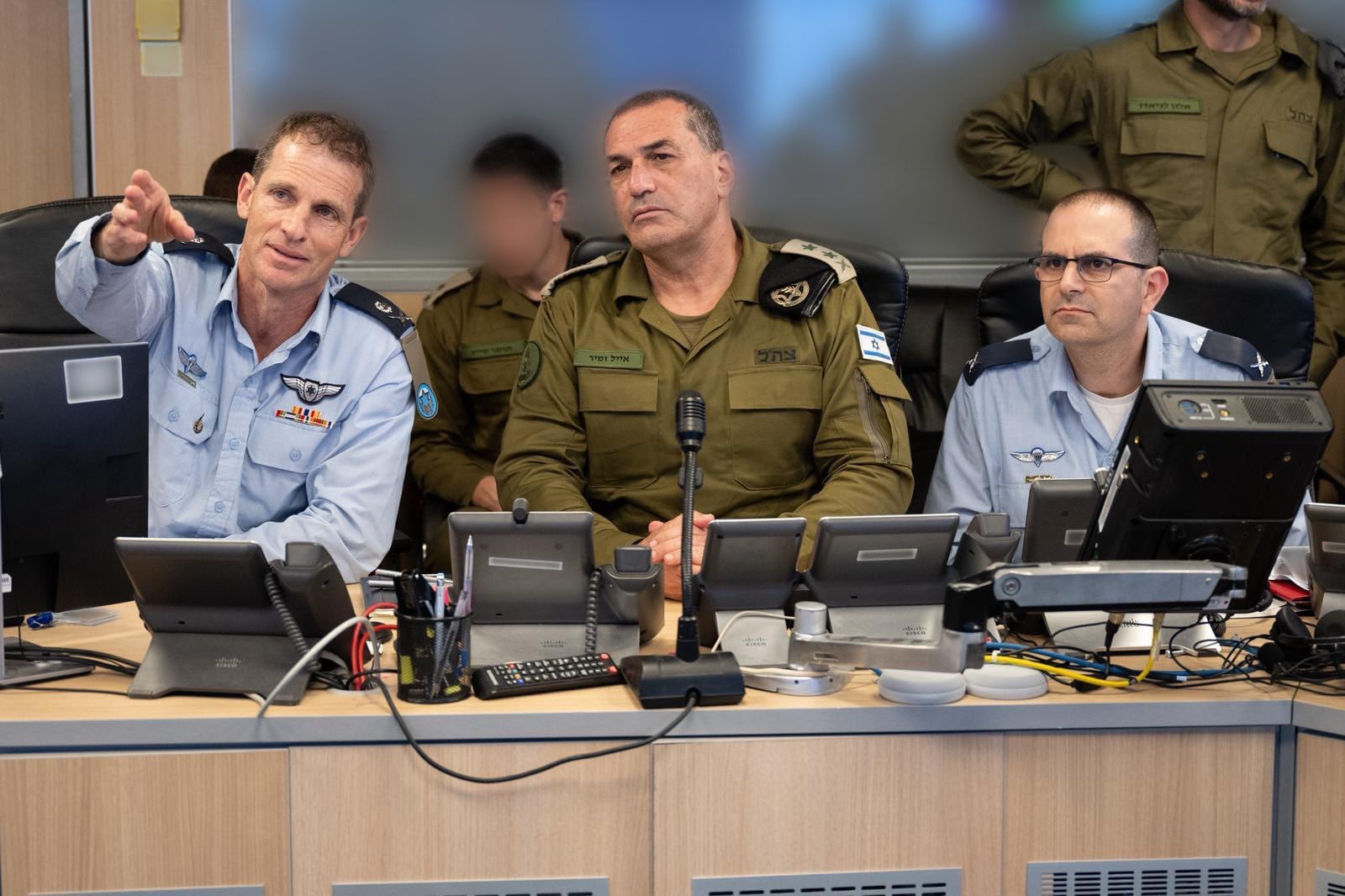
The IDF is “fully prepared for both attack and defense,” it said.
“The IDF remains alert and prepared to continue operations across all fronts against anyone who threatens the State of Israel,” the military said.
Meanwhile, the Houthis, who formally claimed responsibility for the missile fired at Tel Aviv, announced a “complete and total ban on Israeli maritime navigation in the Red Sea, and we consider all enemy movements to be legitimate military targets.”
The Houthis previously launched attacks on shipping in the region where the strategic Bab el-Mandab Strait is located.
Report: Netanyahu ‘pseudo-agreed’ to Trump
Iran said it launched the first waves of missiles at Israel on Sunday evening in retaliation for an IDF strike on Beirut’s southern Dahiyeh suburb earlier in the day, targeting the headquarters of the Iran-backed Hezbollah terror group. Hezbollah has been battering northern Israel for weeks with rockets and drones.
Trump had publicly urged Prime Minister Benjamin Netanyahu to hold off on any retaliation during ongoing diplomacy with Tehran, and the Axios news site reported that the Israeli premier “pseudo-agreed” to the demand in a call with Trump.
A US official described the conversation as less heated than a tense exchange between the two last week that included Trump yelling and cursing at Netanyahu.
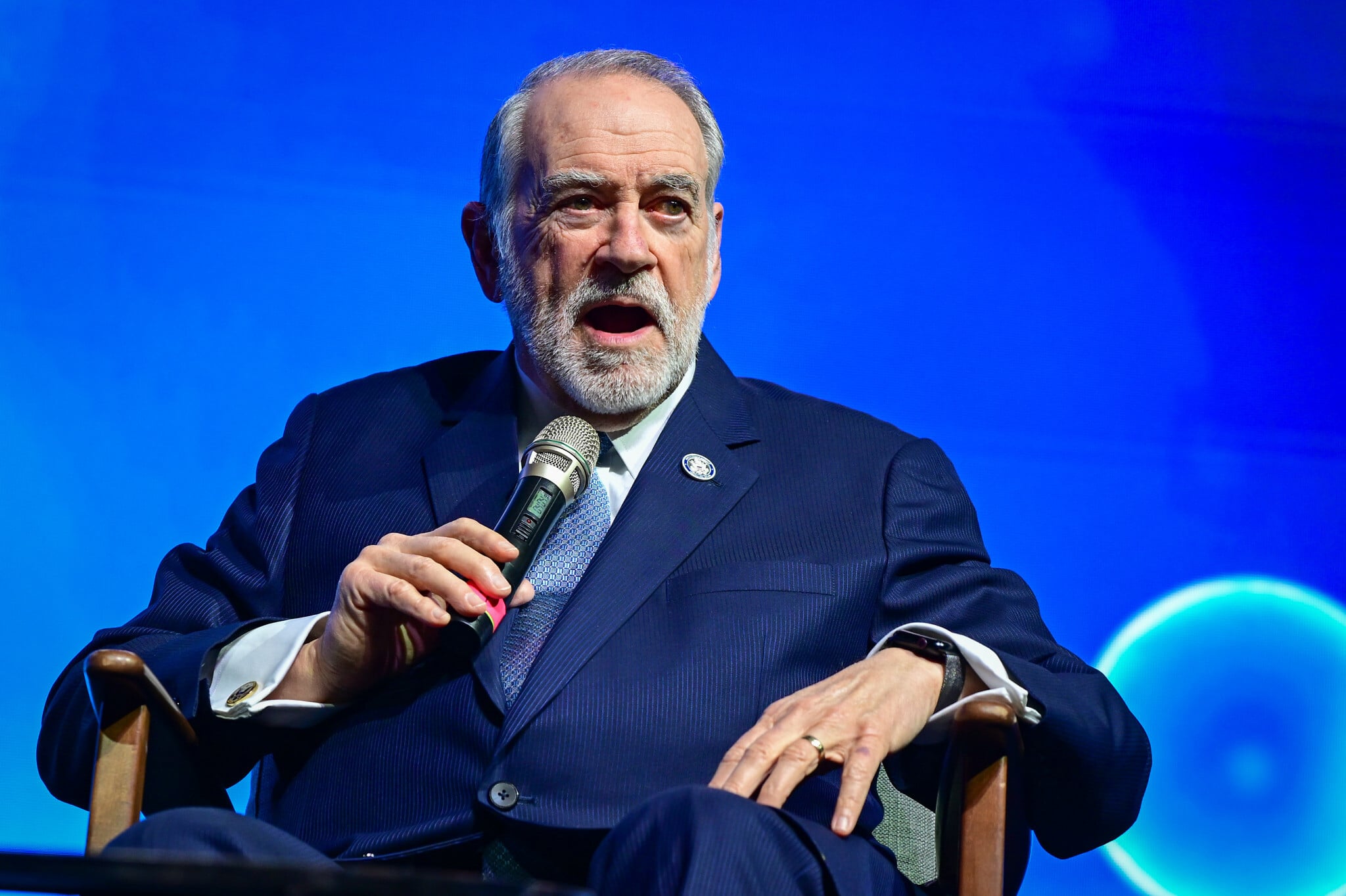
Hours after Trump publicly urged Israel not to retaliate against the initial Iranian missile attack, US Ambassador to Israel Mike Huckabee argued that Tehran wants to “incinerate America and Israel.”
“Iran fired missiles at Israel last night and early today. The missile alerts sounded at 6 a.m. in Jerusalem. They were intercepted thank God!” he tweeted.
“Iran and its proxy agents of evil want to incinerate America and Israel. Mothership of Satan is in Tehran,” Huckabee wrote.
Huckabee is known to be among the US administration’s most hawkish members on Iran, but it’s unclear what influence he has on policy decisions from his post in Jerusalem.
As Israel responded to the attacks, Jerusalem’s ambassador in Washington, Yechiel Leiter, issued a tweet explaining the decision to do so, despite the pressure from Trump to show restraint.
“Iran fired 11 ballistic missiles at Israel today. Each one of those missiles can level an entire neighborhood and kill hundreds. No self-respecting country in the world would tolerate such an attack, and neither will Israel,” Leiter wrote on X.
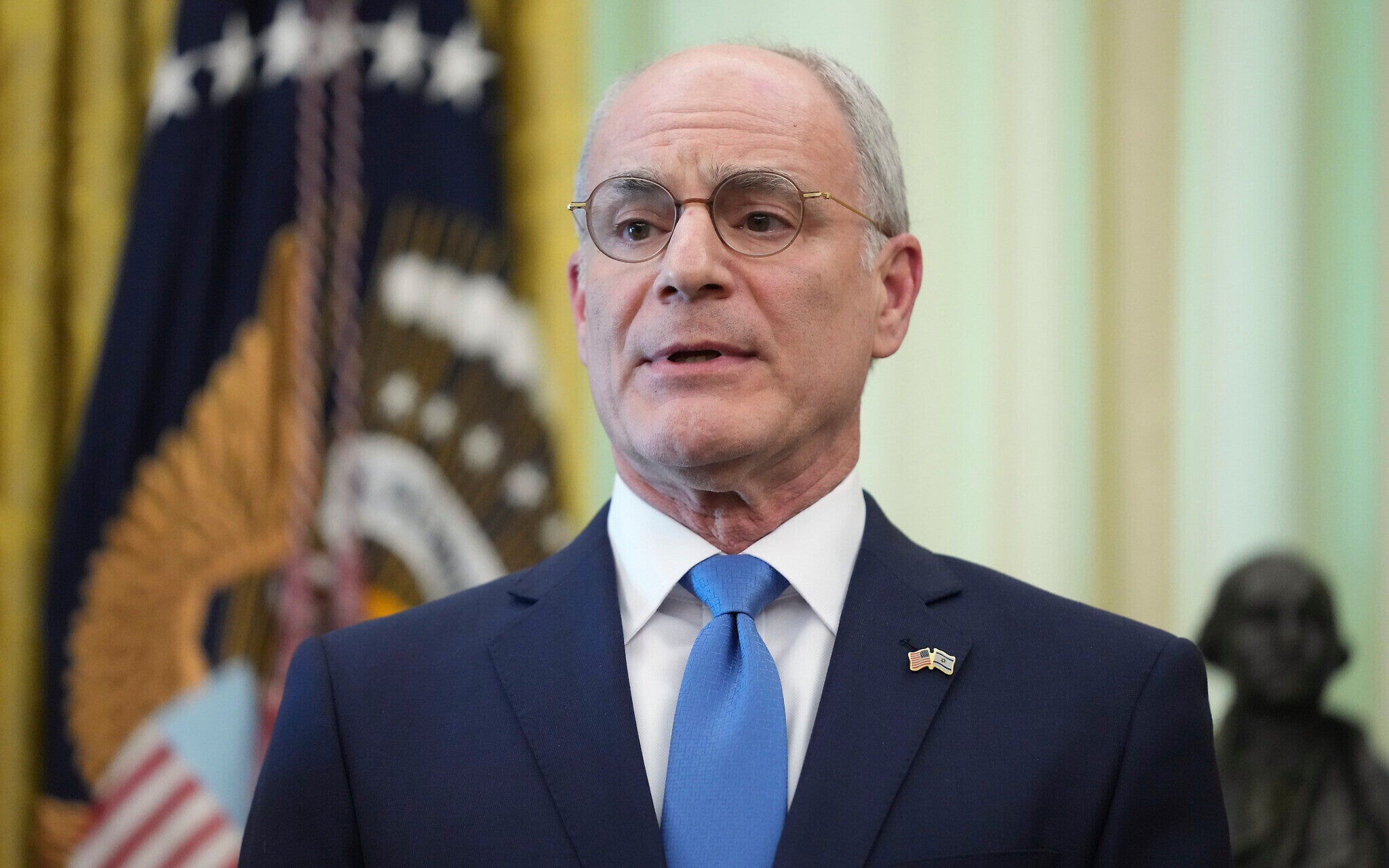
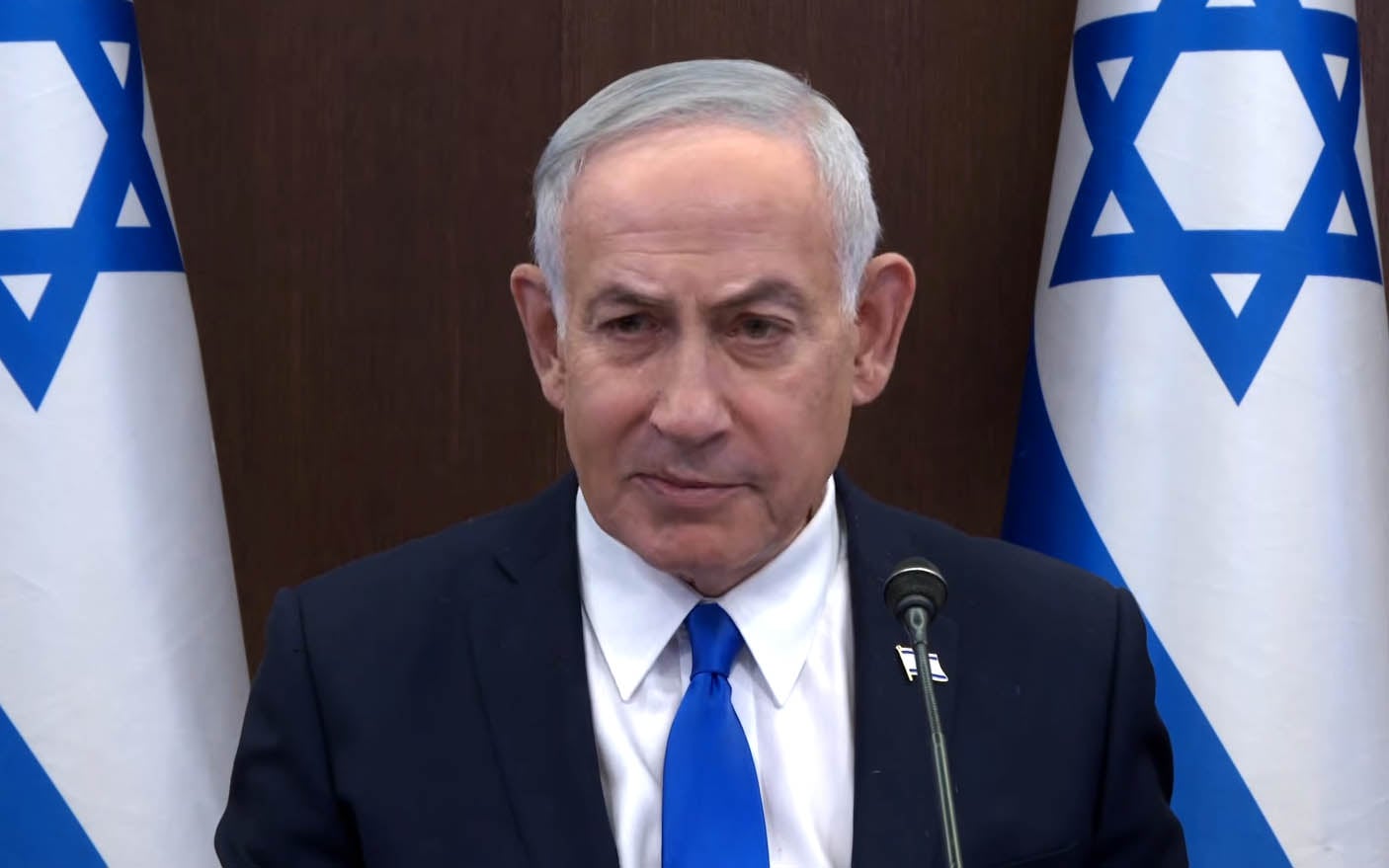
Leiter was one of the only Israeli officials publicly commenting on the renewed conflict. Netanyahu has not made a public statement, but has faced mounting calls from political rivals and coalition partners to buck Trump — something he apparently decided to do by striking Iran.
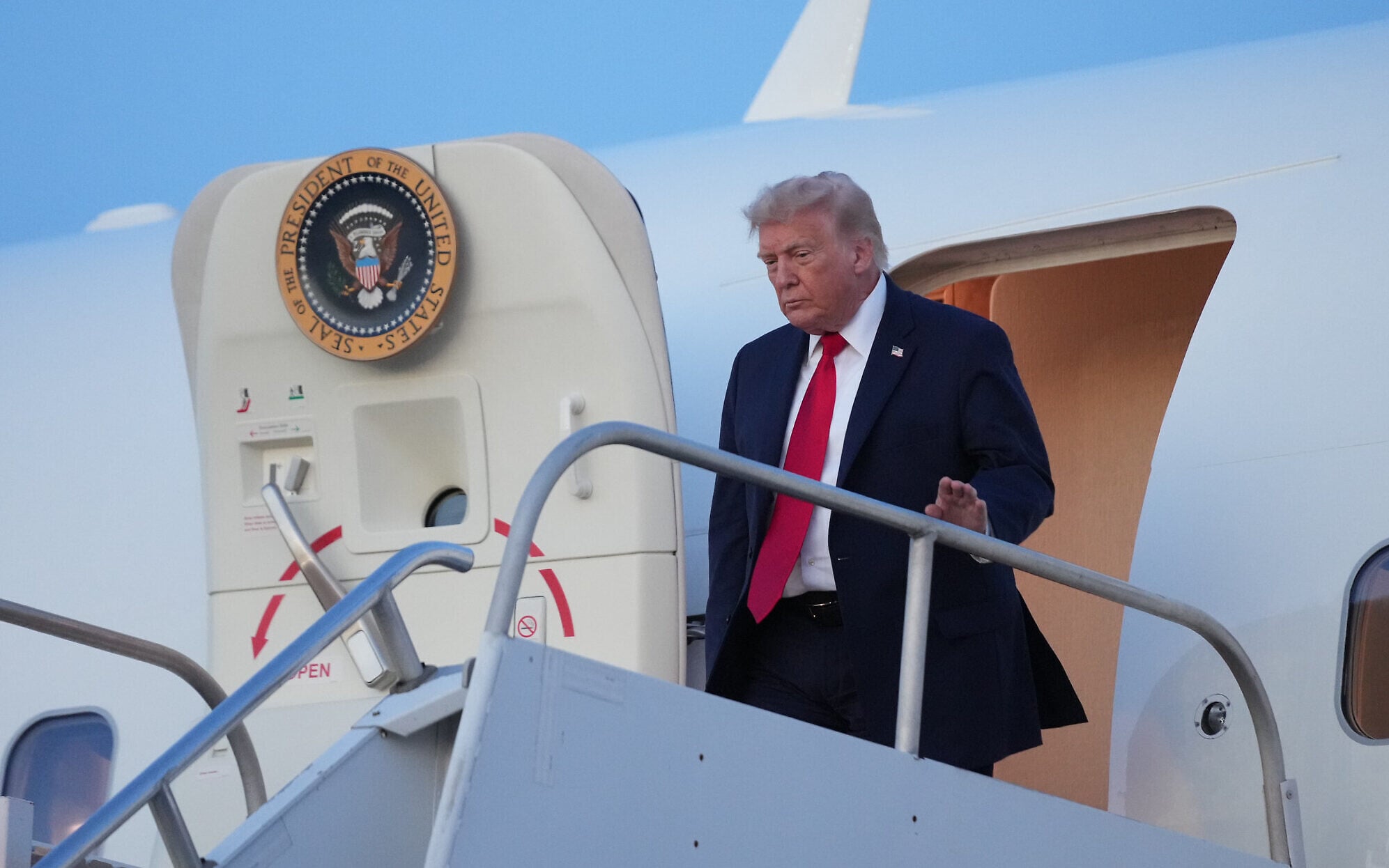
Trump had claimed in one of the many phone interviews he held late Sunday with cold-calling journalists that he is the one “calling the shots,” not Netanyahu.
Trump has repeatedly insisted that Washington and Tehran are close to an agreement on ending the war.
“We’re very close to a deal, or I’m going to blow the hell out of them,” Trump told NBC News’s “Meet the Press” in a prerecorded interview that aired on Sunday to mark 100 days of the conflict.
Iran’s strikes Sunday were the first from the Islamic Republic to target Israel since April 8, when Trump announced a halt in the joint US-Israeli military campaign against Iran launched February 28. The president has since doggedly pursued a deal to end the war, seeking the reopening of the vital Strait of Hormuz, a global economic chokepoint, to commercial maritime traffic, but also demanding a halt to Iran’s nuclear ambitions.
Iran has insisted that any deal include an end to Israeli attacks on Lebanon’s Hezbollah terror group, which is backed by Tehran. It said Sunday’s missile strikes were retaliation for an Israeli strike on the Hezbollah headquarters in Beirut’s southern suburbs and vowed to expand retaliation if the attacks persisted.
Netanyahu said the strikes were in response to Hezbollah attacks on the country’s north.
Trump has also pressured Israel to halt or slacken its campaign against the terror group, seemingly in service of the Iran deal.
Speaking to the Financial Times late Sunday, he said Netanyahu will have to accept whatever agreement Washington may reach with Iran.
“He won’t have any choice,” Trump told the outlet in a phone interview, adding, “I call the shots. I call all the shots. He [Netanyahu] doesn’t call the shots.”
Trump told Fox News Sunday that he was “not happy” about Israel’s strikes near Beirut, despite reporting that claimed Israel had cleared the move with the US administration. But two US officials told Channel 12 news early Monday that the White House never gave a “green light” to the Israeli strikes against Hezbollah targets in Beirut.
The region remained on edge Monday, with Israel shuttering schools and placing some limits on public gatherings. While children remained at home, parents were expected to work, with workplaces remaining open.
Iran closed the airspace in the country’s west, and some other locales in the Mideast followed suit.