Democratic, Republican races tight as 2016 voting begins
Sanders and Trump hope to translate voter enthusiasm into Iowa victories
DES MOINES, Iowa — Republican Donald Trump and Democrat Bernie Sanders hope to translate voter enthusiasm into victories as Monday’s Iowa caucuses kick off the 2016 presidential nominating contests, while Ted Cruz and Hillary Clinton rely on sophisticated get-out-the vote operations.
The caucuses mark a new phase in a tumultuous election that has exposed Americans’ deep frustration with Washington and given rise to candidates few expected to present a serious challenge for their party’s nomination when they first entered the race.
Candidates will be awarded delegates to the parties’ national conventions based on the caucus votes. But given Iowa’s relatively small population, another prize is the boost of publicity and fundraising heading into the New Hampshire primary and later contests.
Iowa has mixed results in picking the parties’ eventual nominees. The past two Republican caucus winners — former Arkansas Gov. Mike Huckabee and former Pennsylvania Sen. Rick Santorum — faded as the race stretched on. But Barack Obama’s unexpected 2008 victory was instrumental in his path to the nomination.
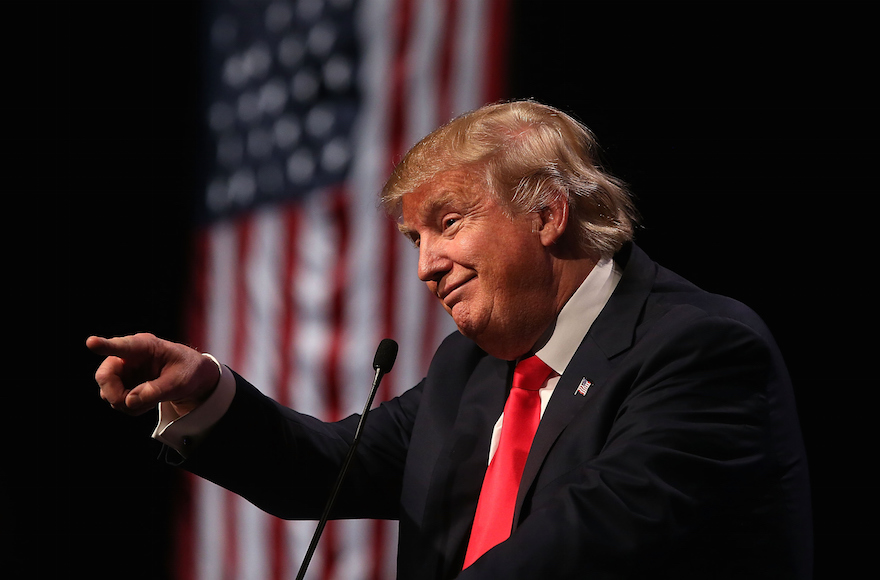
After months of campaigning and more than $200 million already spent on advertising, the current race in Iowa is close in both parties. Among Republicans, the billionaire Trump appears to hold a slim edge over Cruz, a fiery conservative senator from Texas.
Clinton and Sanders are in a surprisingly tight Democratic race, reviving memories of the former secretary of state’s disappointing showing in Iowa eight years ago.
Sanders, the Vermont senator who has been generating big, youthful crowds, urged voters to help him “make history.” In a show of financial strength, Sanders’ campaign announced Sunday it raised $20 million in January alone.
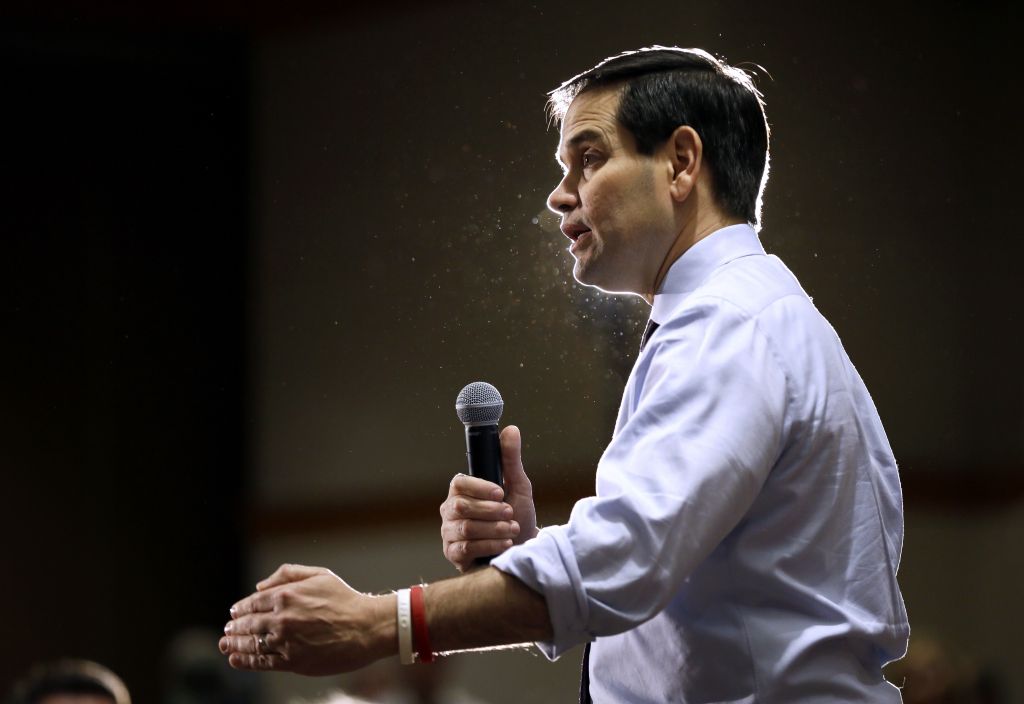
Monday’s contest will also offer the first hard evidence of whether Trump can turn the legion of fans drawn to his plainspoken populism into voters.
His closest rival, Cruz, has modeled his campaign after past Iowa winners, visiting all of the state’s 99 counties and courting influential evangelical and conservative leaders.
Cruz has spent the closing days of the Iowa campaign focused intensely on Marco Rubio, trying to ensure the Florida senator doesn’t inch into second place. Rubio is viewed by many Republicans as a more mainstream alternative to Trump and Cruz.
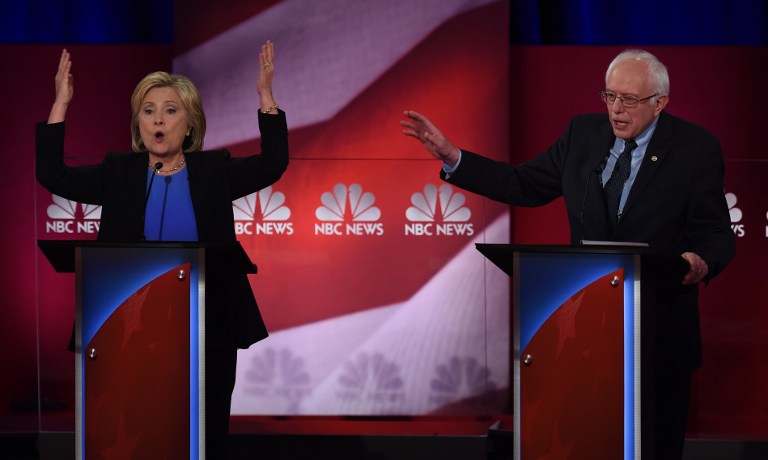
There are 30 delegates at stake for Republicans and 44 for Democrats in Iowa, and they’re awarded proportionally. In a tight Democratic contest, it’s even possible for two candidates to split the delegates evenly.
Unlike in primaries, where voters can cast their ballots throughout the day, the caucuses begin across Iowa at 7 p.m. CST (0100 GMT, Tuesday).
Turnout was expected to be high. The Iowa Republican Party expected Republican turnout to top the previous record of 120,000 people in 2012. Democrats also expect a strong turnout, though not nearly as large as the record-setting 240,000 people who caucused in the 2008 contest between Clinton, Obama and John Edwards.