Drawn to Judaism but not converting: Noahide confab seeks to create a new global identity
International gathering in Jerusalem brings together non-Jews who follow the seven Noahide laws to establish shared identities, institutions and communities
Solia Centeno de Baglivo says her spiritual search began when she was five years old.
Today a lawyer and mother of two in Santa Cruz, Bolivia, she was raised in a Catholic home but always harbored religious doubts. During the COVID pandemic, she began connecting strongly to Jewish philosophy, but converting to Judaism wasn’t an option.
“Talk of converting put a strain on my marriage, and the political climate in Bolivia made that path very difficult,” Centeno told The Times of Israel, speaking through a translator. “There was a lot of social disapproval.”
But online research led her to the Noahide World Center, an organization that seeks to unite non-Jews dedicated to living according to the Torah’s universal principles. With the agreement of her husband — and her father’s deathbed wish for her to follow her own path — she declared herself a Noahide and began teaching others. Today, she has helped develop a community of 40 Noahides in Bolivia, and is working to spread the word to others.
Centeno was in Jerusalem in early November for a conference dedicated to people like her — the First International Congress of Noahides, held by the Brit Olam organization on the Mount of Olives in Jerusalem. Some 50 self-identified Noahides from around the world came together at the Seven Arches Hotel to connect and debate how to create a global community with common practices and identity. The Times of Israel attended a reception open to Jewish guests.
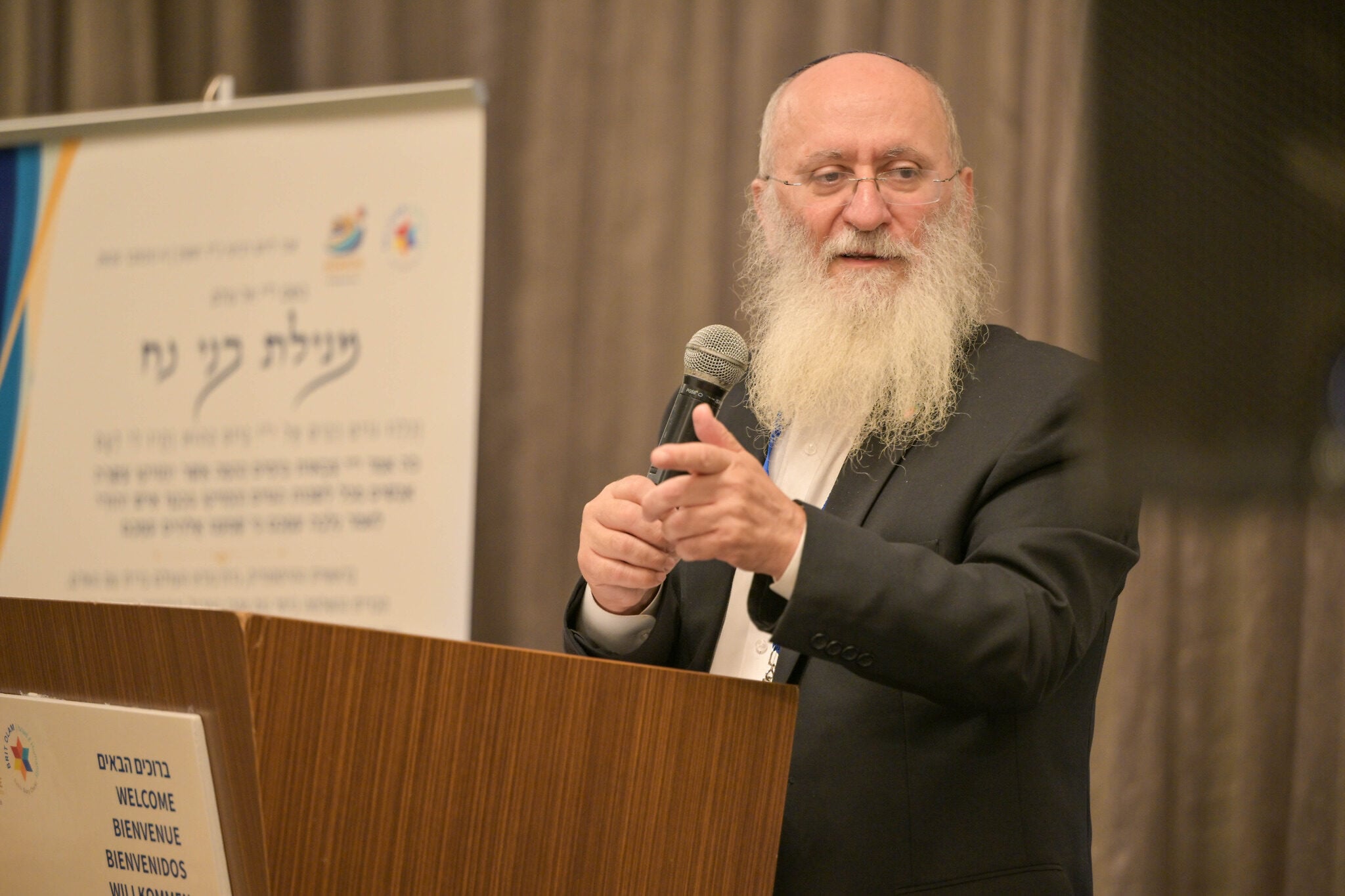
“People today need an entire world of spiritual morality and behavior, and that can only come from the Torah in Zion,” said Brit Olam chairman Rabbi Oury Cherki, explaining the movement’s mission. “We are now collaborating in our love of God to build a better world together.”
Unlike Christianity and Islam, which seek to bring the entire world to embrace their religions, Judaism has traditionally believed that non-Jews can find their own paths to spiritual practice and faith without converting.
Ancient Jewish teachings, however, describe the seven Noahide laws, including prohibitions against idolatry, blasphemy, murder, theft, sexual immorality, and eating flesh from a living animal, along with a mandate to establish courts of justice. These are considered a path of ethical monotheism that applies to everyone, without the ritual and legal rigor of Judaism as a religion.
For most, these laws mainly represent a theoretical ideal taught internally among Jews, not broadcast to the world. But now, Cherki says, there are untold thousands of people around the world who want to identify with the Jewish people, even if conversion isn’t a possibility for them. While Noahide communities exist in some places, he believes, there is now a need to develop a broader global Noahide movement.
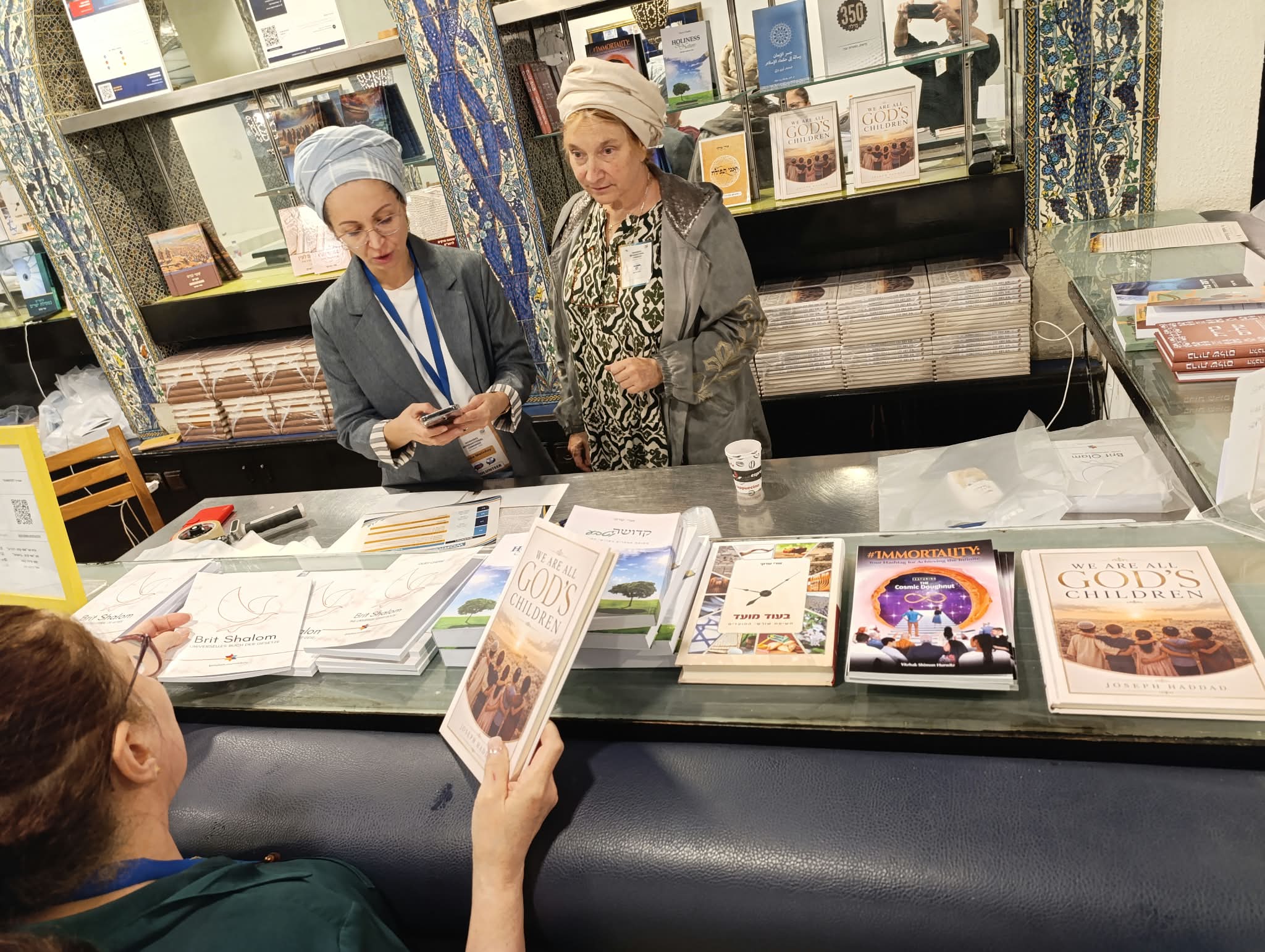
Brit Olam, established 12 years ago, currently teaches classes to about 10,000 people a week online, according to its website. The organization has published numerous books for Noahides, including a prayer book and a Shulchan Aruch (codebook) of recommendations — not laws, the movement insists— for living a proper Noahide life.
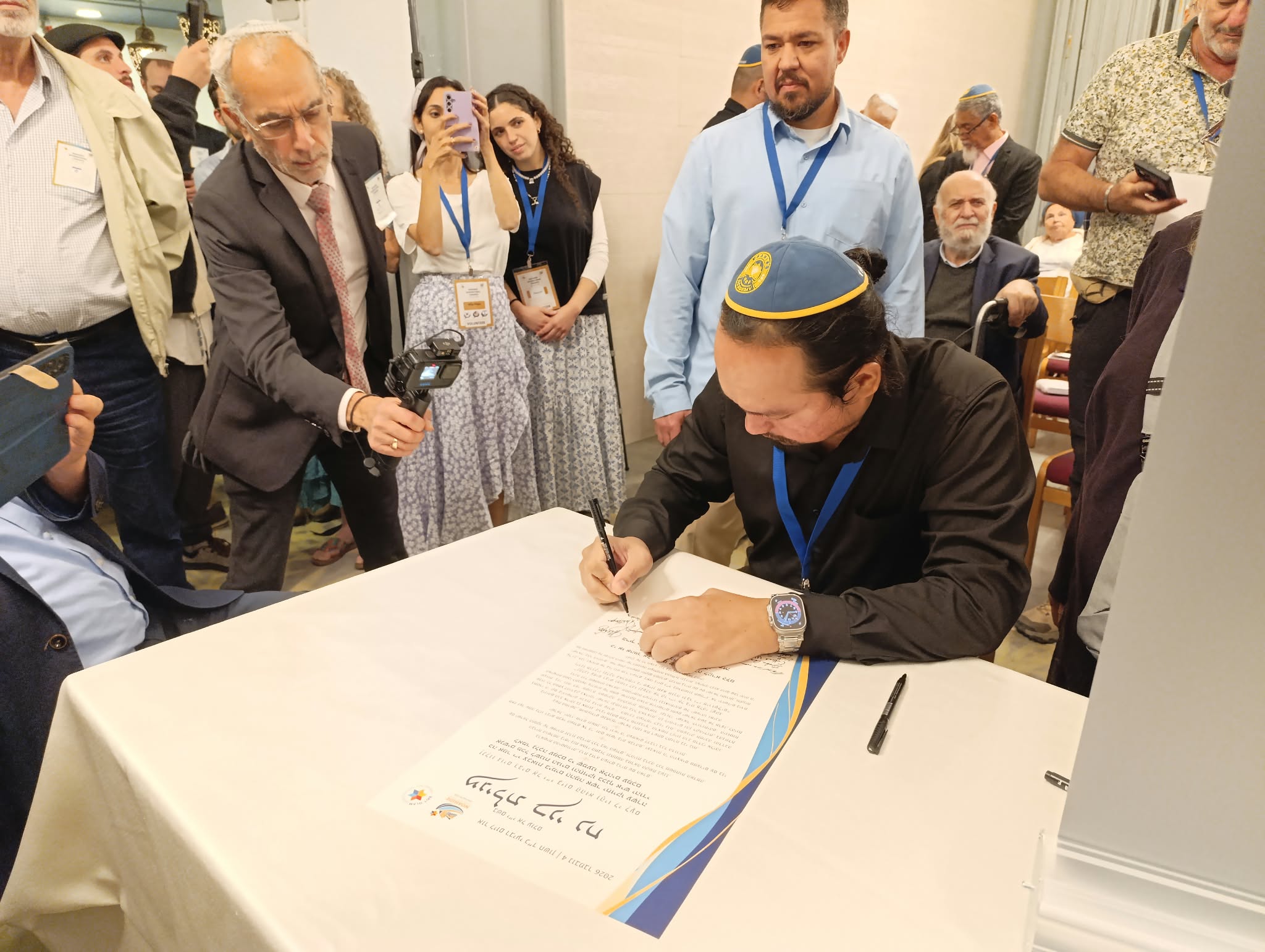
At the conference in Jerusalem, participants signed a joint statement affirming their belief in the covenant of the Prophets and Jerusalem as the sacred site where humanity converges with its Creator. Some also made a ceremonial declaration of their affiliation before a beit din (legal court) in Jerusalem. These symbolic actions, not required by religious law, help strengthen their emotional connection to the movement, organizers explained.
“The point of the conference is to organize the Noahides and figure out how to create some structure,” said Francisco Gil-White, a Noahide from Spain currently residing in Israel. “I came to this faith on my own, but I’ve never been part of a Noahide community anywhere. We need institutions and community, and we’re discussing how to do that in an organized way.”
Gil-White was raised in a Catholic family, he said, but later became an atheist. While studying Israel for research as an anthropologist, he became convinced that God was involved with the Jewish people.
“First, I came to the conclusion that the Jews were the real thing, without any intention of converting to Judaism,” he said. “Only later, I found out that that was a category for that.”
To Gil-White, identifying as a Noahide provides a way of “being on the same team” as the Jewish people without the commitments of conversion.
“We remain full members of our original cultures, and we don’t become Jews, but we love the Jewish people and the Torah,” he said. Many Noahides also adopt some aspects of Jewish religious precepts for themselves, added Gil-White, who said he tries not to work on Shabbat “unless there’s some kind of emergency.”
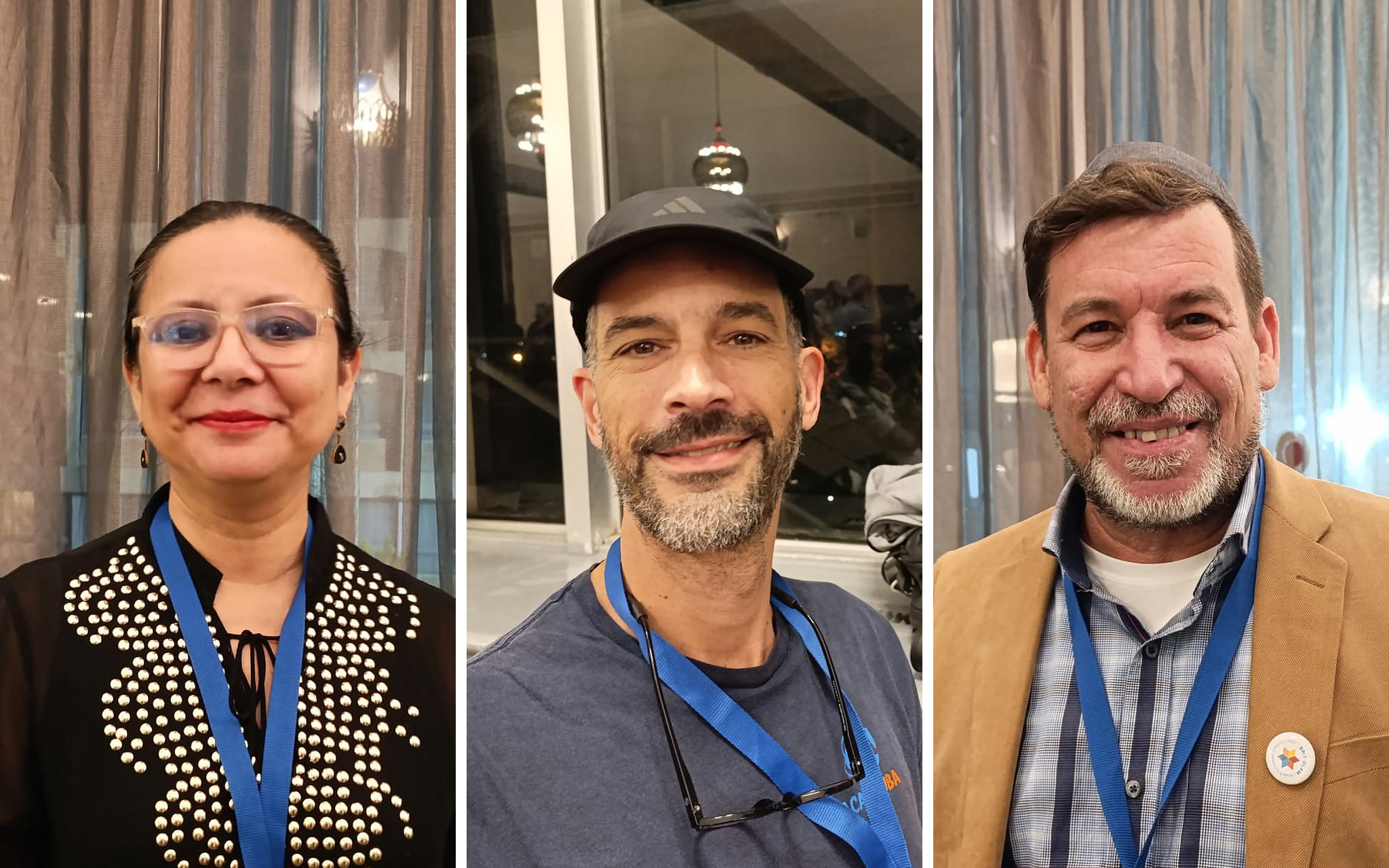
Eliezer Vicente Yarid from Cuba arrived at his Noahide belief from a different direction. As a child, his parents avoided church rituals, but they only told him after he was married that they were Bene Anusim, descendants of Sephardic Jews who were forced or pressured to convert to Catholicism in 14th- and 15th-century Spain and Portugal.
“Judaism is my heritage, but I’m not halachically Jewish,” Vicente Yarid said. “At that point, I couldn’t do a conversion because it would be too difficult with my family.”
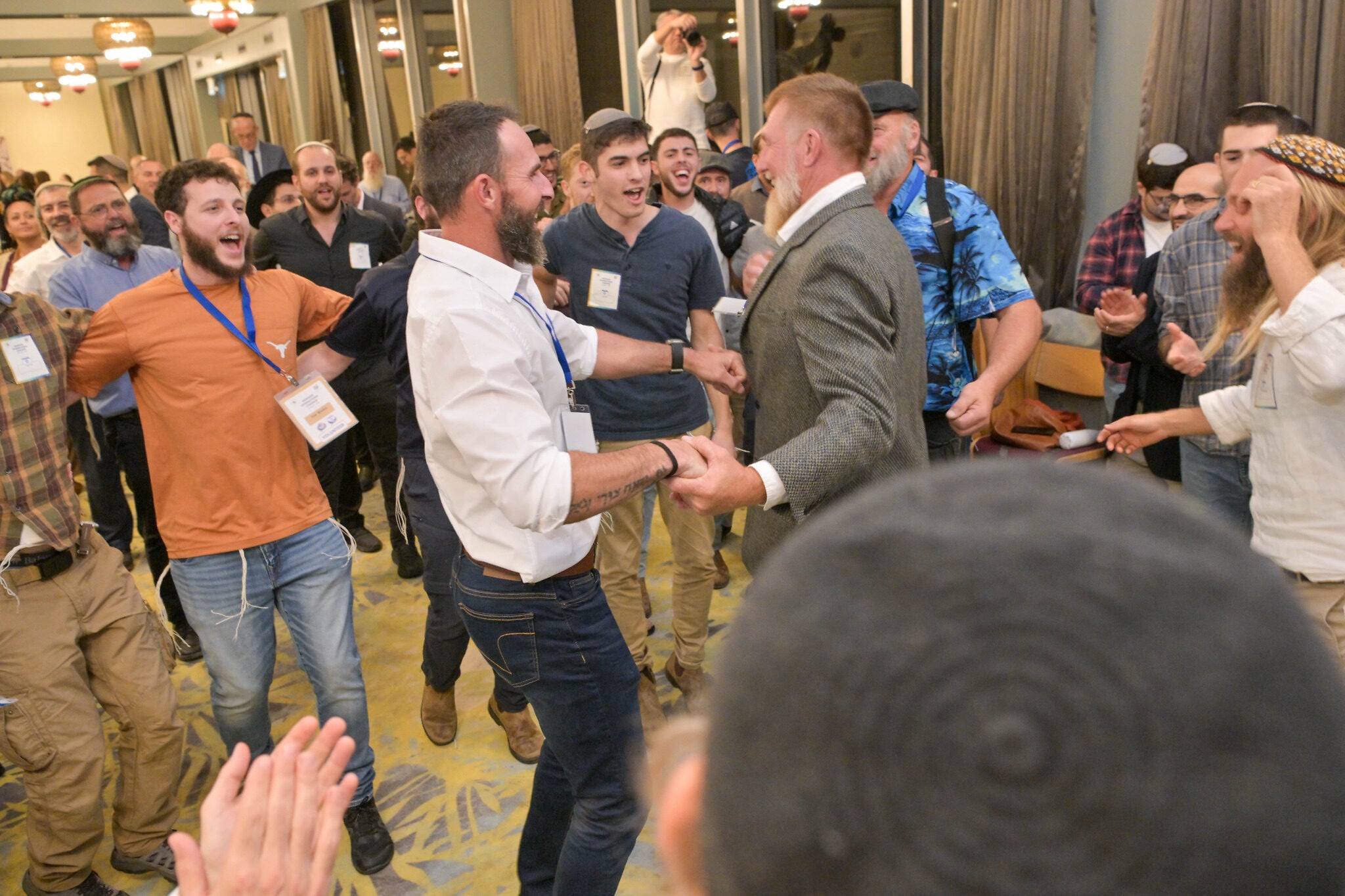
Vicente Yarid connected with other Bene Anusim in Cuba who, like him, connected with the Jewish story but were unwilling to convert.
“At that point, we came to the question, if we aren’t going to come back to Judaism, what are we going to be?” he said. They created a small Noahide community that Vicente Yarid was part of until he later moved to the United States.
Noahide communities already exist around the world, with presences in the Philippines, Latin America, Africa and the United States. But these networks are tiny and disconnected from each other, Brit Olam says, and there is a need for a global network to unite them.
While many members arrive from Christian backgrounds, a growing number of Muslims have been expressing interest since the advent of the Abraham Accords, Brit Olam representatives say. The organization is now raising money to increase its global outreach efforts.
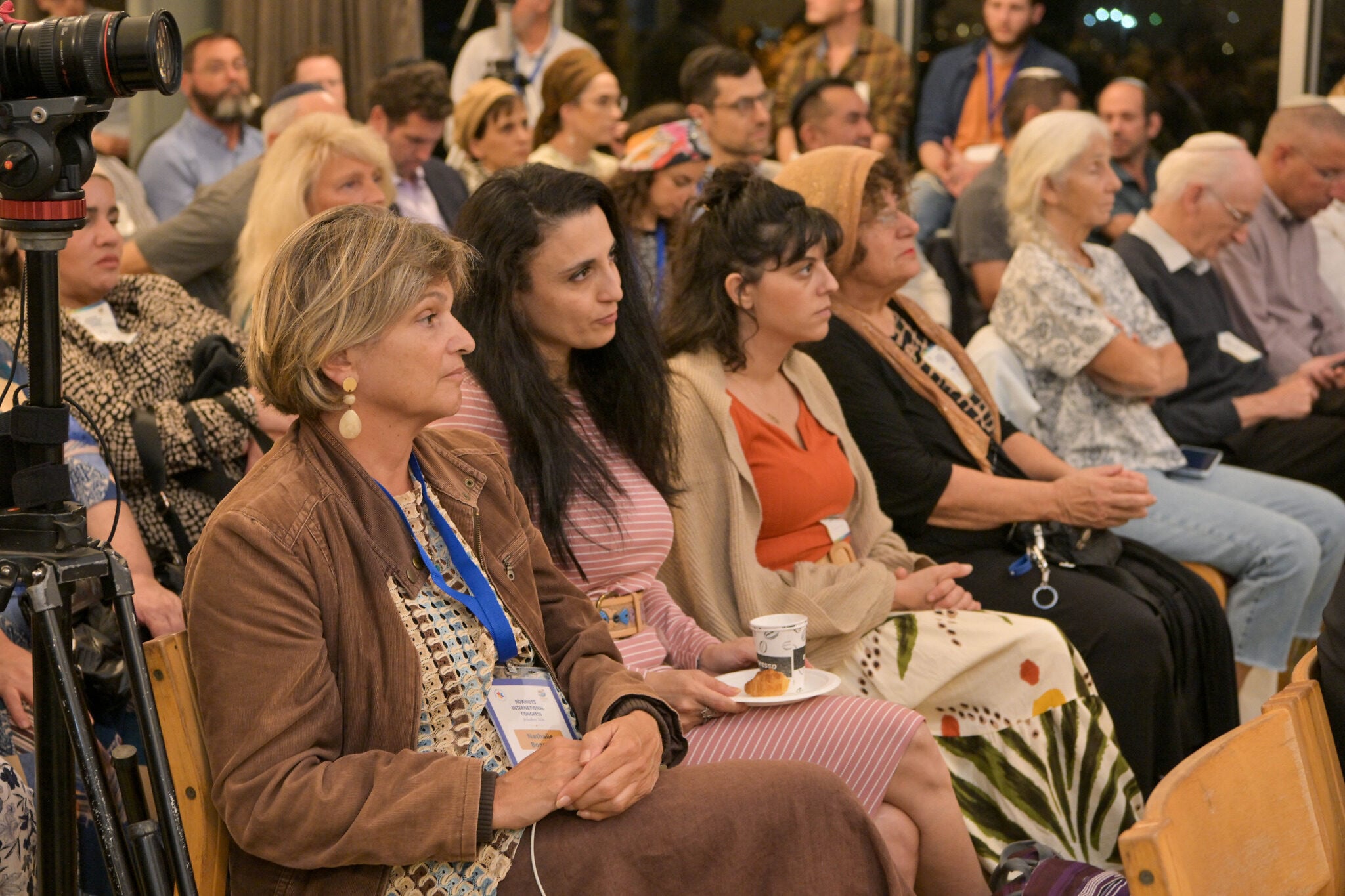
Organizers understand that their mission is massive, and that few in the Jewish world take them seriously or consider their vision realistic. But Jews have often dreamed of achieving the impossible, they say.
One organizer said the conference was modeled on the First Zionist Congress, held in Basel in 1897, which helped transform political Zionism into an organized international movement.
“They knew it would be incredibly hard, but by putting people with a vision together in one room, they took the first steps to make it happen. That’s what we’re trying to do now.”