Eisenkot said prioritizing efforts to form coalition with ultra-Orthodox
Reports say Yashar leader is also mulling opening the door to Likud and Religious Zionism; UTJ said considering an interim arrangement on Haredi draft exemptions to join up with Eisenkot
Yashar chairman Gadi Eisenkot has decided to prioritize efforts to form a coalition with the ultra-Orthodox parties, Channel 12 reported Friday, moving closer to the strategy advocated by Yisrael Beytenu chief Avigdor Liberman, who opposes a government reliant on Arab-led parties.
Eisenkot, who has been tasked by President Isaac Herzog with the first attempt at forming a government, had previously hoped to build a coalition around the four Jewish-led parties in the anti-Netanyahu bloc. But they only garnered 48 seats in the 120-seat Knesset, leaving them dependent on support from Arab-led parties or additional partners to take office.
Liberman has argued that such a government would quickly collapse and ultimately strengthen Prime Minister Benjamin Netanyahu’s bloc, instead pushing for the opposition parties to secure a 61-seat majority by reaching agreements with the Haredi parties.
UTJ had already begun exploring a deal with Eisenkot’s bloc, with party officials acknowledging preliminary contacts and setting out demands on the draft, education funding and religion-state issues.
Shas, by contrast, has publicly maintained its support for Netanyahu and said it is not negotiating with any rival bloc, complicating efforts by the Yashar leader to assemble a 61-seat majority.
At the same time, Yashar still plans to leave the door open for both Likud and the far-right Religious Zionism party to join a prospective government, while excluding the far-right Otzma Yehudit party, according to Channel 12.
Yashar plans to meet representatives of Netanyahu’s Likud party next week, the network reported.
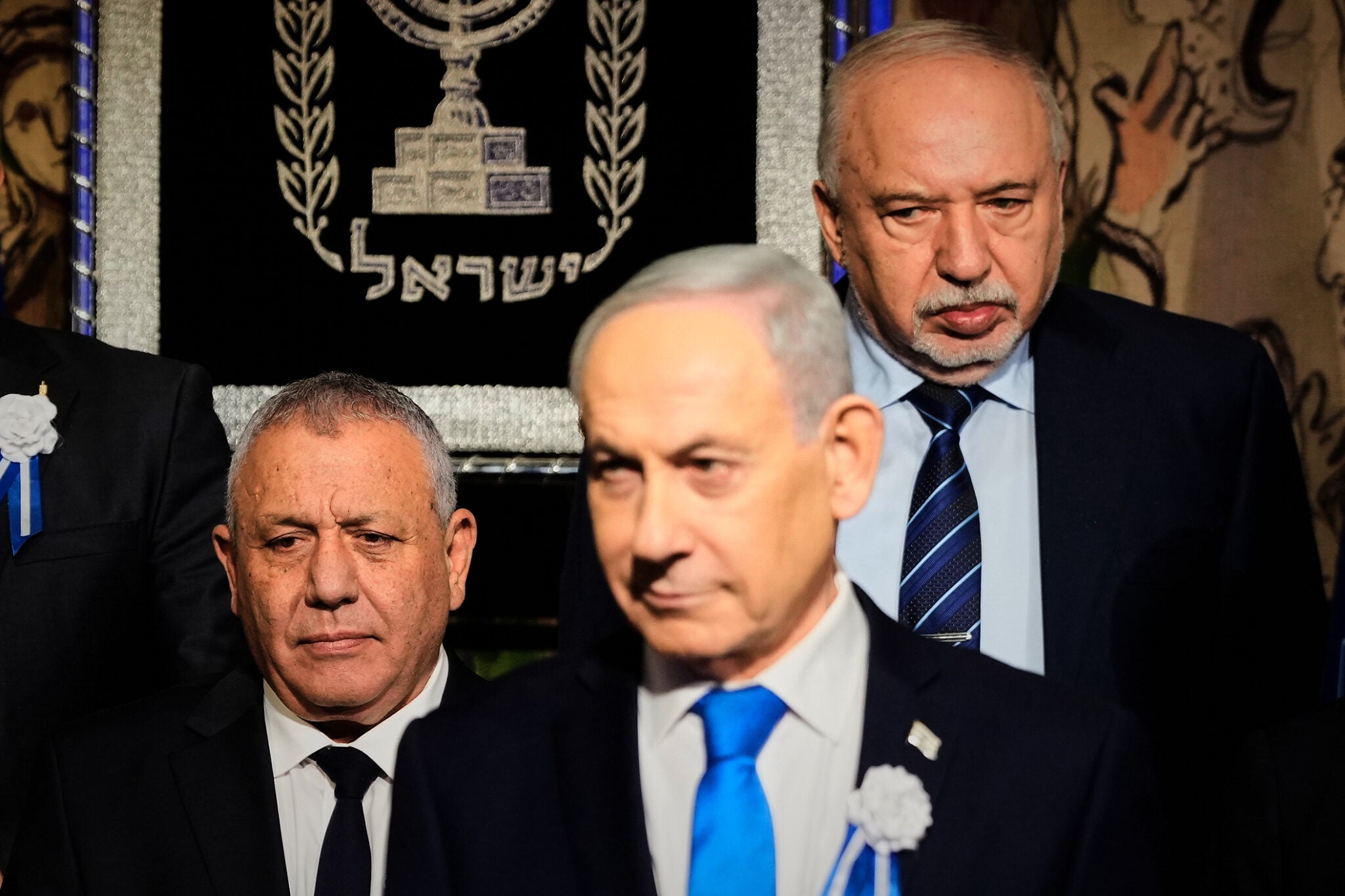
The planned talks would revive contacts that broke down earlier this week, when Yashar canceled a scheduled meeting with Likud representatives due to Netanyahu’s “divisive” speech at the opening ceremony for the 26th Knesset, which accused the Arab parties of wanting Israel’s destruction.
However, Eisenkot has vowed not to serve under Netanyahu and the caretaker prime minister insists that he lead any “unity” government, making such a scenario highly unlikely.
UTJ weighs joining Eisenkot without guaranteed Haredi draft exemption
Separately, Channel 13 reported Friday that a debate was underway within United Torah Judaism over whether to enter an Eisenkot-led government even without first securing a guaranteed military exemption for yeshiva students.
As an interim arrangement, Haredi representatives are seeking a one-year halt to mandatory enlistment of yeshiva students, along with a freeze on arrests during that period and the removal of sanctions imposed on Haredi draft evaders, according to the report.
Channel 13 said the demands face significant legal obstacles, an issue that has also arisen in consultations between members of the anti-Netanyahu bloc and legal teams experienced in High Court litigation.
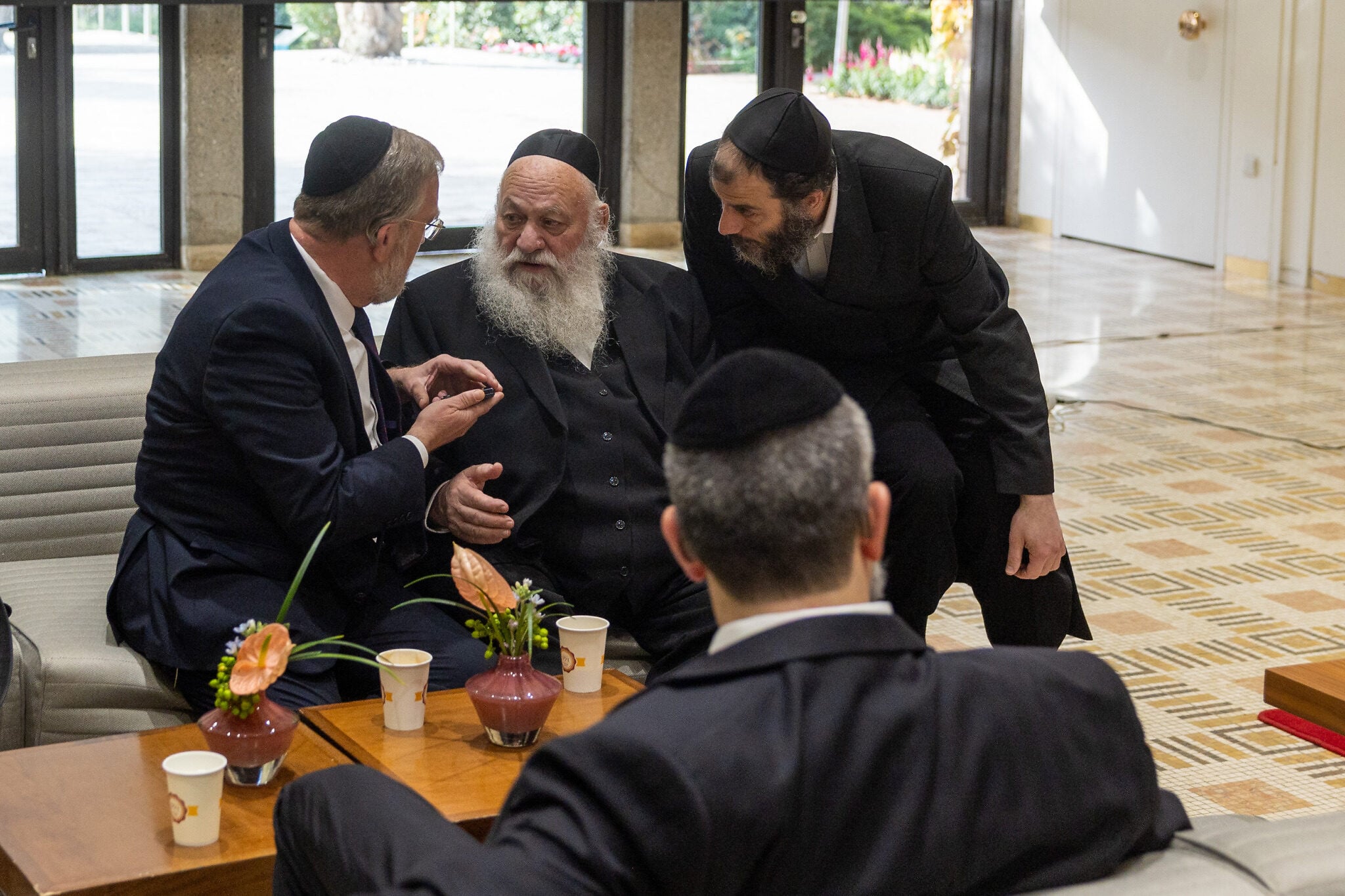
The report came a day after Channel 12 reported that UTJ’s Hasidic leadership was considering demanding that all 48 lawmakers in Eisenkot’s four-party bloc commit to supporting legislation exempting Haredi men from military service, potentially alongside an override clause designed to prevent the High Court from striking it down.
Those within UTJ advocating an agreement with Eisenkot believe the party could help provide the anti-Netanyahu bloc with a majority despite the uncertainty surrounding a draft law, in return for coalition positions and funding, Channel 13 reported. Some also reportedly see joining such a government as a way to normalize Haredi parties as coalition partners outside Netanyahu’s bloc and reduce political pressure for broad Haredi enlistment.
Earlier this week, Liberman said the election result had forced his party to reconsider its pre-election demand for universal military service, arguing that the opposition’s 48 seats meant compromises would be needed to reach a 61-seat majority. He said any new enlistment framework would have to survive High Court scrutiny while also winning the support of UTJ spiritual leader Rabbi Dov Lando.
During his recent meeting with UTJ chairman Yaakov Asher, Liberman reportedly said they could try to formulate an exemption arrangement, while acknowledging that it could face legal obstacles, according to Channel 13.
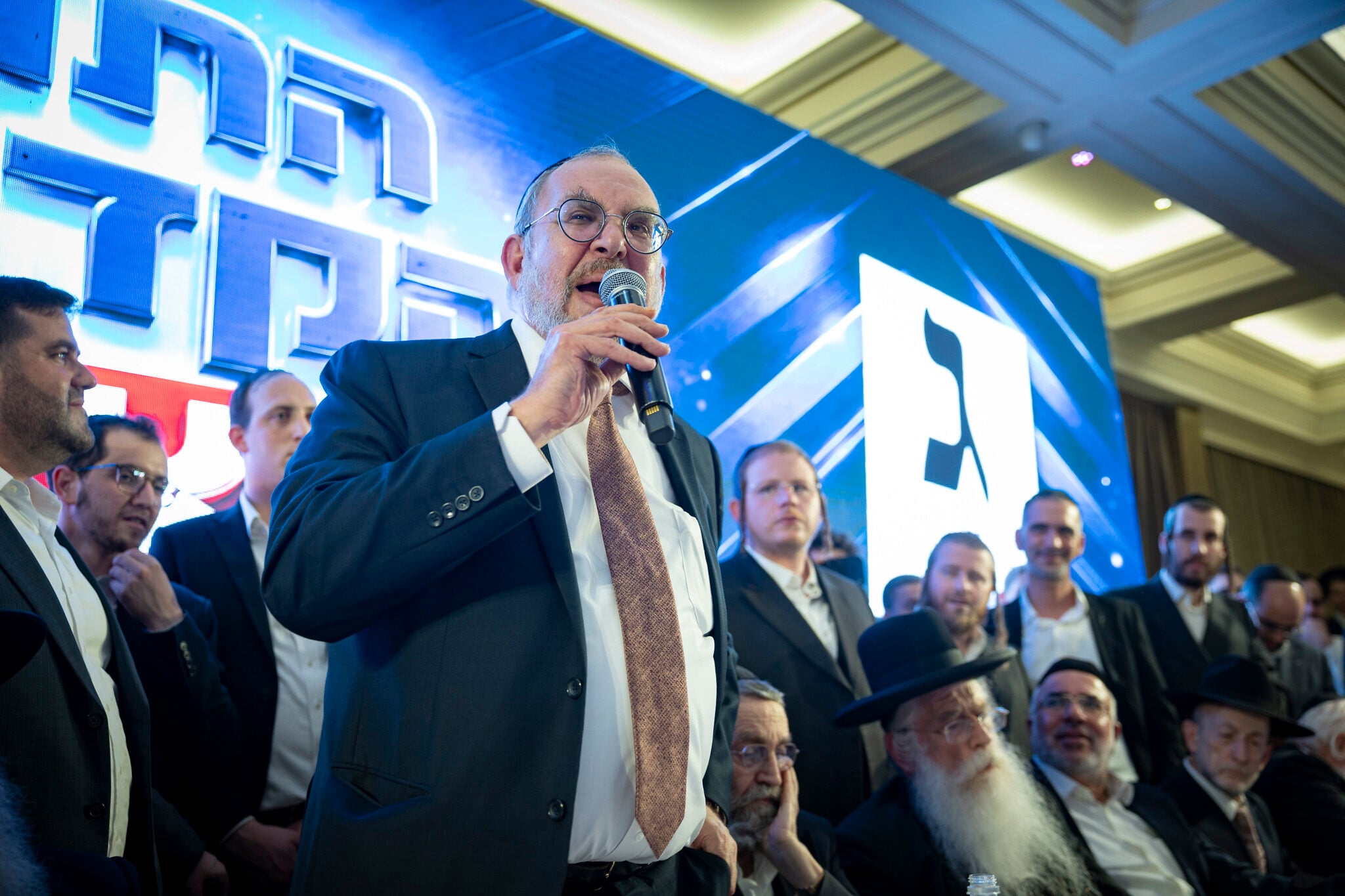
The final decision within UTJ is expected to be influenced also by Lando. Channel 13 reported that some in the party believe Eisenkot should be given a chance to form a government after Netanyahu failed to resolve the draft issue, with the option of bringing the coalition down later if necessary.
Shas, meanwhile, is not coordinating its position with UTJ, according to the report. The network said that party chairman Aryeh Deri reportedly believes negotiations with Liberman will ultimately fail.