El Al reaps record quarterly revenue amid peak summer travel and scarce competition
Flag carrier leverages dominant position, with planes 95% full, amassing a record $1.1 billion booking backlog as foreign airlines have yet to fully return to Tel Aviv
El Al’s revenue climbed to a record high in the third quarter of 2026, as Israel’s flag carrier capitalized on scant competition and brisk demand from Israelis traveling abroad during the peak summer and Jewish holiday season.
Building on its leading 38 percent market share in passenger traffic at Tel Aviv’s Ben Gurion Airport, the airline’s revenue rose more than 18 percent to $1.27 billion in the July to September period, from $1.07 billion in the corresponding quarter last year. Average revenue earned per seat increased by about 7% compared to the same period last year.
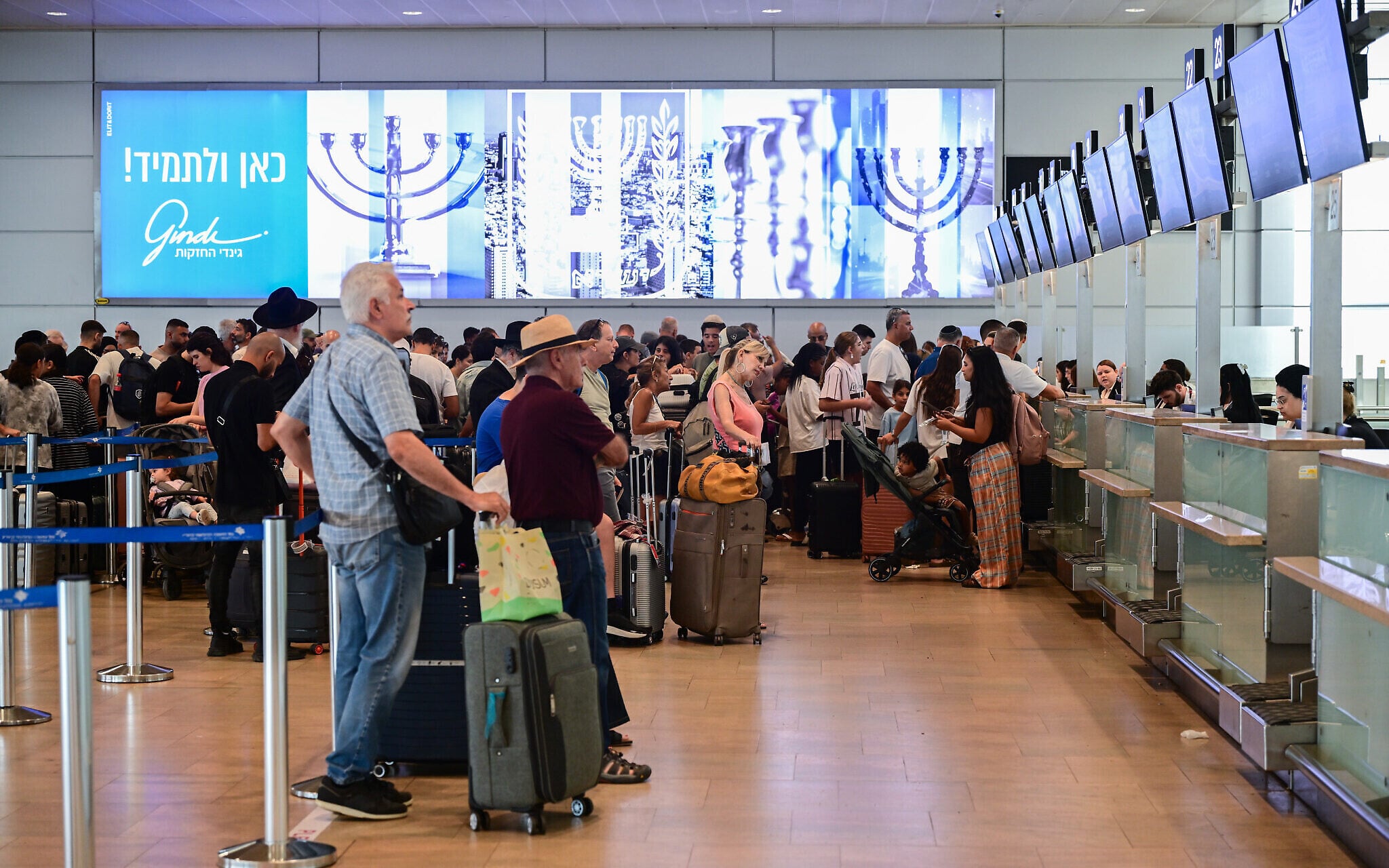
Israel’s local carriers, led by El Al, have been benefiting from strong passenger demand as they’ve remained the only airlines reliably flying in and out of Israel during three years of wars. Foreign carriers have repeatedly suspended or delayed flights to and from Ben Gurion Airport amid heightened regional conflicts. Local airlines including El Al have been accused of taking advantage of the fragile geopolitical situation, allowing them to charge customers exorbitant fares.
El Al said passenger demand kept its planes 95% full, on average, and seat capacity rose by almost 9% year-on-year following an expansion of the airline’s fleet. Forward bookings based on advance payments from ticket and voucher sales hit a record high of $1.1 billion at the end of September, up 16% versus the corresponding period last year.
The results come as financial turbulence engulfs smaller rival Arkia Israel Airlines. The country’s third-largest airline, which has been up for sale over the past year, has been burdened by heavy debt and reportedly faces losses of $50-60 million in 2026. Its troubles have triggered worker protests and prompted early takeover interest from local competitor Israir.
“El Al concludes the third quarter with operational performance at the upper end of the forecasts, despite a significant rise in input costs driven by fuel prices and exchange rate fluctuations, alongside further intensification of competition,” said El Al CEO Levy Halevy. “These results reflect the significant steps we have taken to strengthen the company by increasing available seat kilometers (ASK), and maintaining high load factors, which has enabled us to conclude one of the strongest periods in the company’s history.
“We continue to see strong demand for the airline’s flights, with a robust forward booking position, alongside continued increases in fuel prices in an environment that remains characterized by uncertainty,” said Halevy.

El Al shares have ballooned 589% over the past three years, gaining almost 20% this year, which boosted the company’s market capitalization to NIS 11.2 billion ($3.5 billion) ahead of its inclusion in the Tel Aviv-35 Index of blue-chip companies on Thursday. The airline also announced that it will distribute a dividend of $116 million to shareholders.
“The ongoing security situation has led to a prolonged suspension of flights by many foreign airlines, practically leaving El Al as the undisputed dominant carrier serving the Israeli market,” Lior Vider, financial advisor and founder of investment consultancy Profit Multiplier, told The Times of Israel. “Even as El Al ramped up capacity, the increase cannot offset the void left by foreign carriers that have yet to fully return, keeping flight options scarce and traveler demand rigid.”
“With scarce flight options, passengers traveling for business, family, or essential needs have very few alternatives, which is driving rigid demand, helping El Al to maintain load factor at an exceptional 95%, and naturally fueling persistent upward pressure on fares,” Vider added.
Despite double-digit revenue growth, El Al’s net profit in the reported quarter fell almost 14% to $175 million, down from $203 million a year earlier. The airline said the decline was largely driven by a one-off accounting charge and a challenging business environment characterized by higher fuel prices and the negative impact of exchange rate fluctuations.
Meanwhile, the loyalty of El Al passengers provided an additional engine of growth. Members in the airline’s frequent flyer program increased to 3.78 million, with 306,000 passengers joining as of the end of September, compared with the same period last year. The number of FLY CARD credit cards issued increased 14% to 570,000.
Looking ahead, El Al is optimistic. The airline projected seat capacity to increase by 10% to 14% and revenue per available seat by 1%–4% in the October-to-December quarter.
“As long as geopolitical tensions keep foreign competitors at bay, El Al will continue to command strong revenues and high fares,” said Vider. “The real test for the company’s management will not be another strong quarter in a fragile geopolitical situation and cloudy horizon for air travel, but rather its ability to preserve substantial market share, maintain load factors above 90% and preserve its bottom line against escalating operational costs, once the skies fully reopen to fierce international competition.”