Europe braces for possible Russian escalation against it, as hybrid threats intensify
Macron orders critical sites protected, Poland boosts air defenses and Germany readies hospitals; but NATO reportedly says it sees no imminent threat of attack
European governments are stepping up military and civilian preparations for a possible escalation by Russia, as officials warn that Moscow could intensify drone, missile, sabotage and cyber operations against NATO countries supporting Ukraine in the coming months.
The heightened concern has prompted preparations across the continent, from plans to protect critical infrastructure in France and hospitals in Germany to updated evacuation plans in Lithuania and heightened air defenses in Poland.
Russia and Ukraine have been at war since Moscow launched its full-scale invasion of its neighbor in February 2022, with NATO countries providing Kyiv with extensive military and financial support while stopping short of directly entering the conflict.
French President Emmanuel Macron on Friday summoned political party leaders and presidential hopefuls to Elysee Palace’s crisis room for a meeting to brief attendees on confidential French intelligence assessments of the current security challenges.
“The Russian hybrid threat against Europeans and against France has intensified,” Macron told journalists after the meeting, adding that he had ordered “the government to prepare a plan to protect our critical infrastructure” and the “most sensitive” defense industry and technology sites against drone and cyberattacks.
Macron also backed a warning issued a day earlier by Polish Prime Minister Donald Tusk, who said Russia could send drones or missiles into NATO territory in the coming months, calling the assessment “sound and well-documented.”
“There is a real risk that drones or other types of projectiles will enter the territory of one or several countries on the eastern flank and even cause destruction,” Tusk warned.
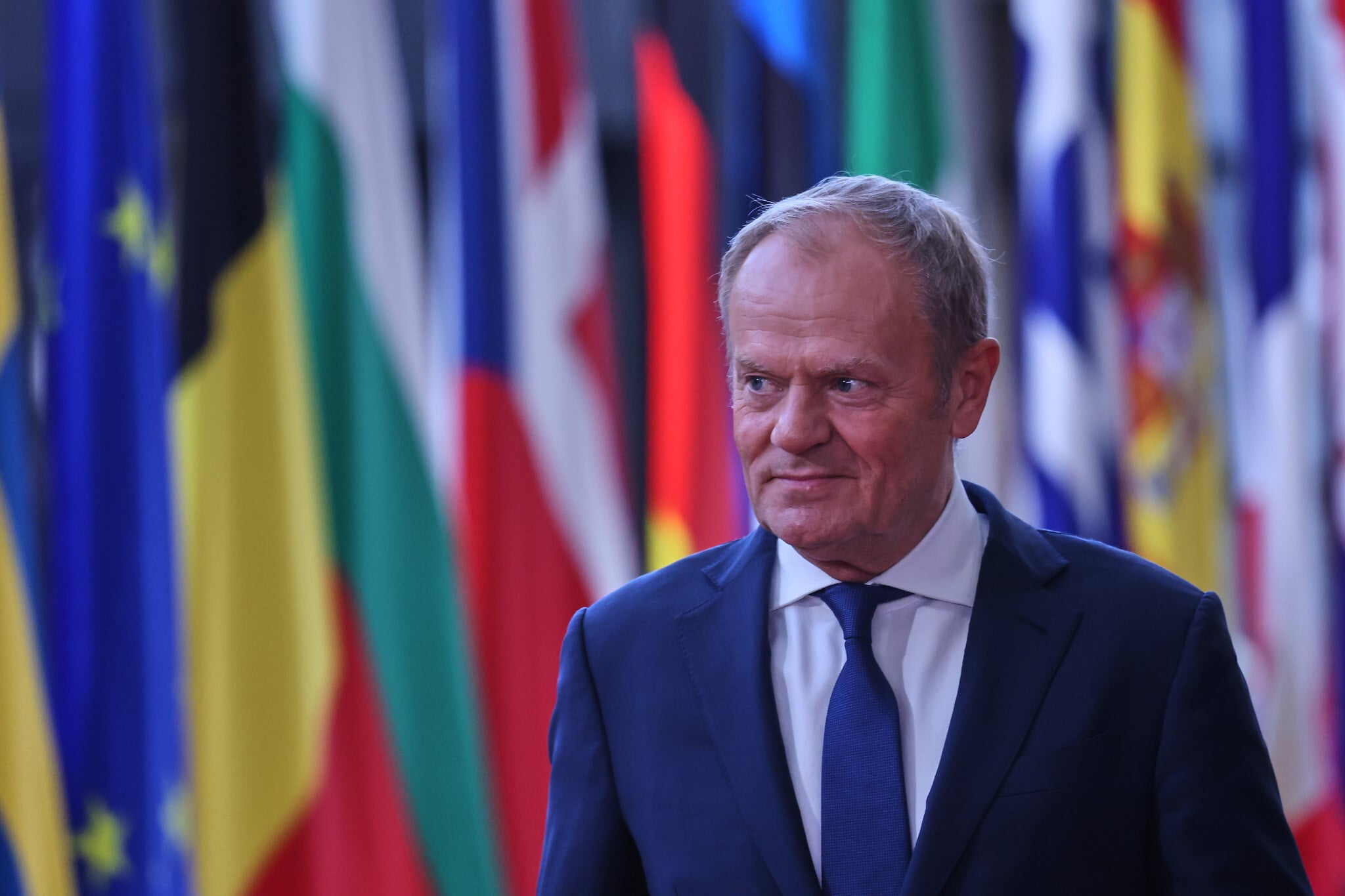
“The official narration will be that it’s an accident and there is no reason for NATO to think about a response,” he added.
Poland, which borders both Ukraine and Russian ally Belarus, has meanwhile stepped up its own military preparations. On Saturday, the Polish military launched preventive aviation operations and placed ground-based air-defense and radar reconnaissance systems on heightened readiness as Russia carried out strikes on Ukraine.
The move came a day after Tusk announced that Poland was joining an anti-ballistic missile coalition with Ukraine and other European allies.
“From today, Poland is part of this major project,” Tusk said after attending a summit in western Ukraine, saying the countries had agreed on the framework for their cooperation.
Ukraine and nine European countries announced the air-defense initiative in July, with plans to jointly develop an anti-ballistic missile system intended to provide a less expensive alternative to the US-made Patriot system.
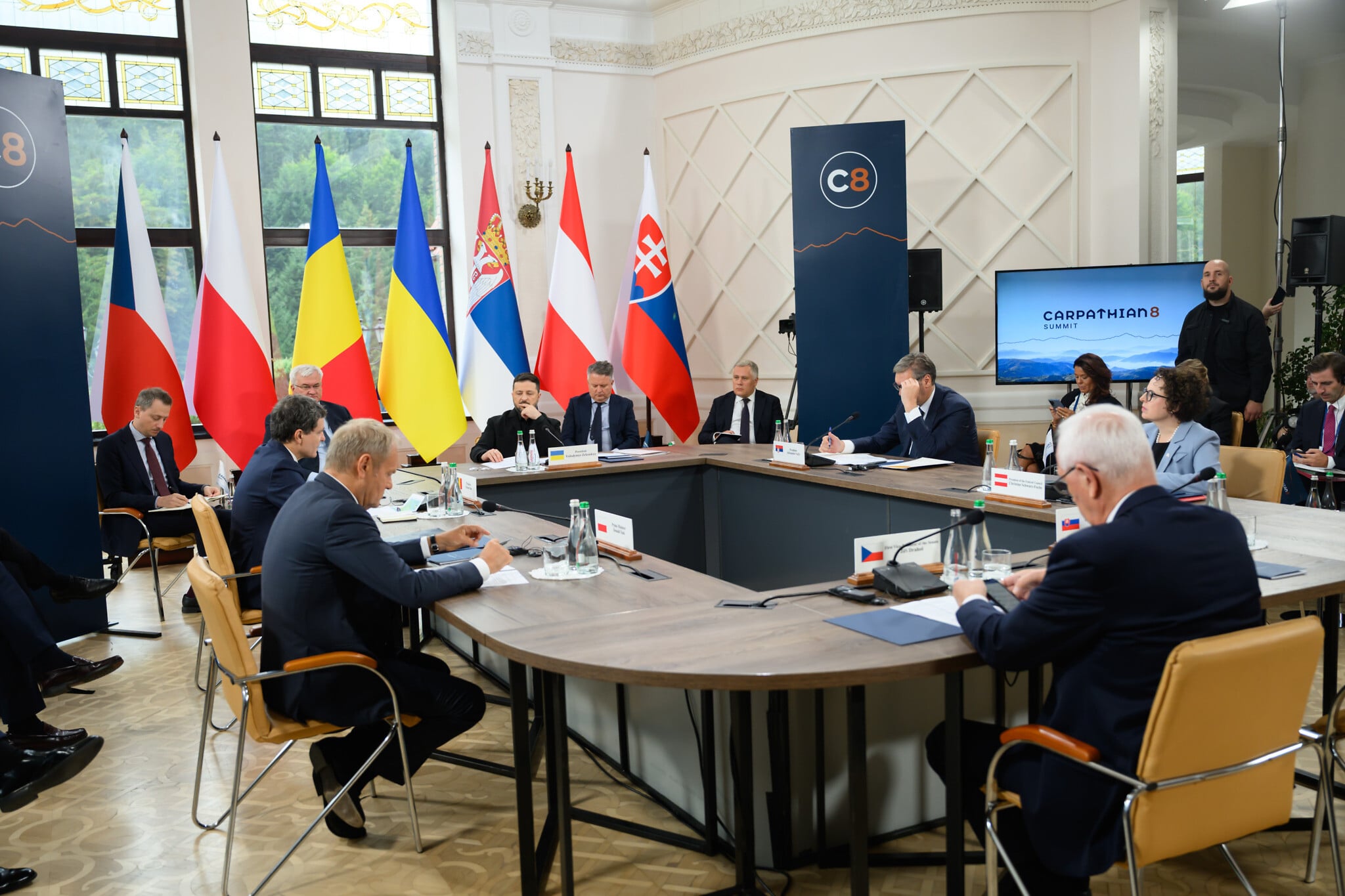
The announcement came at the inaugural summit of a new regional initiative launched by Ukrainian President Volodymyr Zelensky, Carpathian Eight, bringing together Poland, Romania, Serbia, Slovakia, the Czech Republic, Austria, Hungary and the European Union to deepen cooperation on security, energy, logistics and trade.
“Naturally, security issues are a priority right now and for the years ahead,” Zelensky said in a speech.
Europe steps up preparations
Elsewhere in Europe, governments are making preparations that extend beyond immediate military readiness.
Germany is preparing hospitals for the possibility of a conflict and mass casualties, according to Bloomberg, while the Polish Radio public broadcaster reported that Lithuania has updated plans for evacuating civilians in the event of a crisis.
Finnish President Alexander Stubb, meanwhile, told Finland’s MTV news Thursday that it was “worth mentally preparing for something to happen,” including acts of sabotage and Russian drone activity.
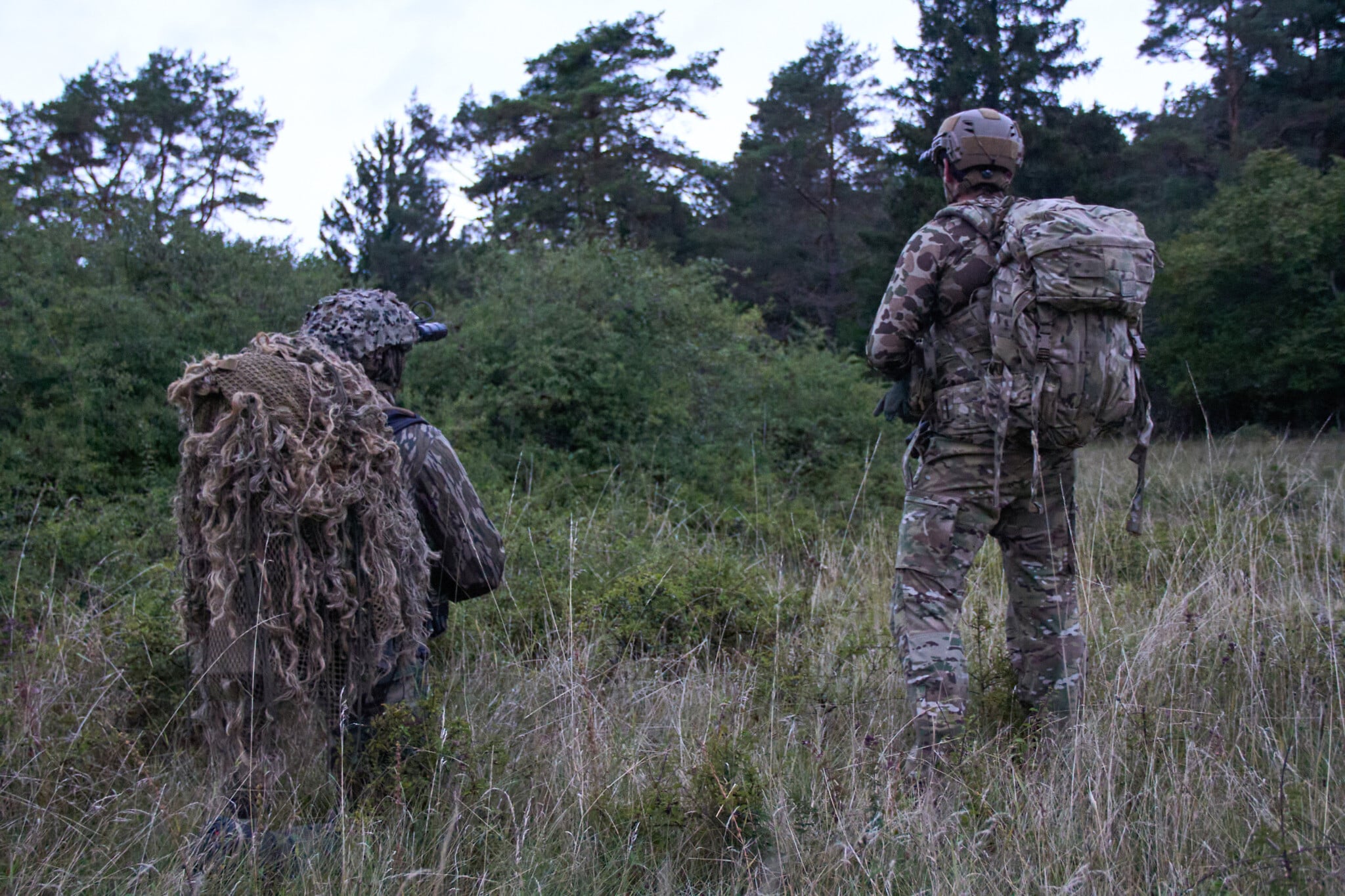
Military preparations have also accelerated around the Baltic Sea.
German troops reportedly joined Swedish forces for drills on the Swedish island of Gotland on Friday, following separate NATO exercises near Kaliningrad last month.
Russian hybrid activity fuels NATO concerns
Meanwhile, Russian-allied Belarus held four days of military exercises this week, including in areas bordering NATO members Poland and Lithuania.
The Belarusian Defense Ministry described the exercises, which ran from Tuesday through Friday, as “strictly defensive in nature,” saying they were intended in part to improve the military’s ability to defend the country’s “sovereignty and territorial integrity.”
The Belarusian drills unfolded against an already tense backdrop along NATO’s eastern flank, where a series of confrontations and suspected Russian operations have fueled concerns that Moscow is becoming increasingly willing to test the alliance.

Recent incidents have ranged from NATO jets shooting down a Russian drone over Lithuania to a Russian warship firing flares at a Danish military helicopter. German authorities have also linked a suspected Russian operative to an attempted drone attack at Leipzig airport, an incident the European Union said bore the hallmarks of “state-sponsored terrorism.”
Between January and August, 100 hybrid incidents were officially attributed to Russia across Europe, up from 60 during the same period last year, according to Politico, citing the Ukraine-based Sahaidachnyi Security Center. A senior NATO official told the news outlet that the actual figure was likely more than 200, excluding cyberattacks, saying, “Numbers are up, severity is up, [Russia’s] risk appetite is up.”
US intelligence assessments reported by The Wall Street Journal in August found that Russian President Vladimir Putin could seek to test NATO with a limited attack on an alliance member in the coming years, with possible scenarios ranging from a cyberattack to a small-scale land incursion. The reports assessed the likelihood of a limited ground incursion as low, though increasing over time.
Later that month, CIA Director John Ratcliffe traveled to Moscow and warned Russian officials against attacking NATO members, with particular emphasis on Estonia, Latvia and Lithuania, according to Politico and other US media.
Russia has simultaneously sharpened its public rhetoric. Foreign Minister Sergey Lavrov warned this week that any NATO attack on Russia would result in a “very short” war.

No imminent threat
Still, there is no indication that NATO believes a Russian attack is imminent, and it is unclear whether the warnings issued by European leaders in recent days are based on new intelligence.
Lithuanian Foreign Minister Kestutis Budrys said Friday that his country had the same intelligence cited by Tusk about a possible operation carried out under a foreign flag, but indicated that the information dated to July.
“I see the public statements of politicians about this as part of a coordinated campaign to warn Russia not to make stupid decisions and not to try to do something thinking that it will not reach [NATO’s mutual defense clause] Article 5 and will not be washed away,” Budrys said.
Politico reported that NATO members have not been formally presented with new intelligence that has prompted the alliance to revise its threat assessment.
“At this time, we see no imminent threat of attack,” a NATO official told the outlet, while cautioning that the alliance could not afford to be “naive or complacent.”