Europe holds its breath as Italy votes for change
Staking his premiership on reforming the constitution, Prime Minister Matteo Renzi says he will resign if proposal fails
ROME, Italy (AFP ) — Italians went to the polls Sunday in a constitutional referendum on which reformist Prime Minister Matteo Renzi has staked his future.
Whatever the outcome of a vote being anxiously watched in capitals across Europe and carefully scrutinized on trading floors around the world, it will lead to change.
If the center-left Renzi’s proposals to streamline a 68-year-old parliamentary system are voted down, he has vowed to resign.
That would usher in a period of political uncertainty and potential economic turmoil for the country and its European Union allies.
The most apocalyptic scenarios involve a crisis of investor confidence causing the failure of a rescue scheme for Italy’s most indebted banks, triggering a broader crisis across the eurozone.
But markets last week, while jittery, appeared to have discounted that risk.
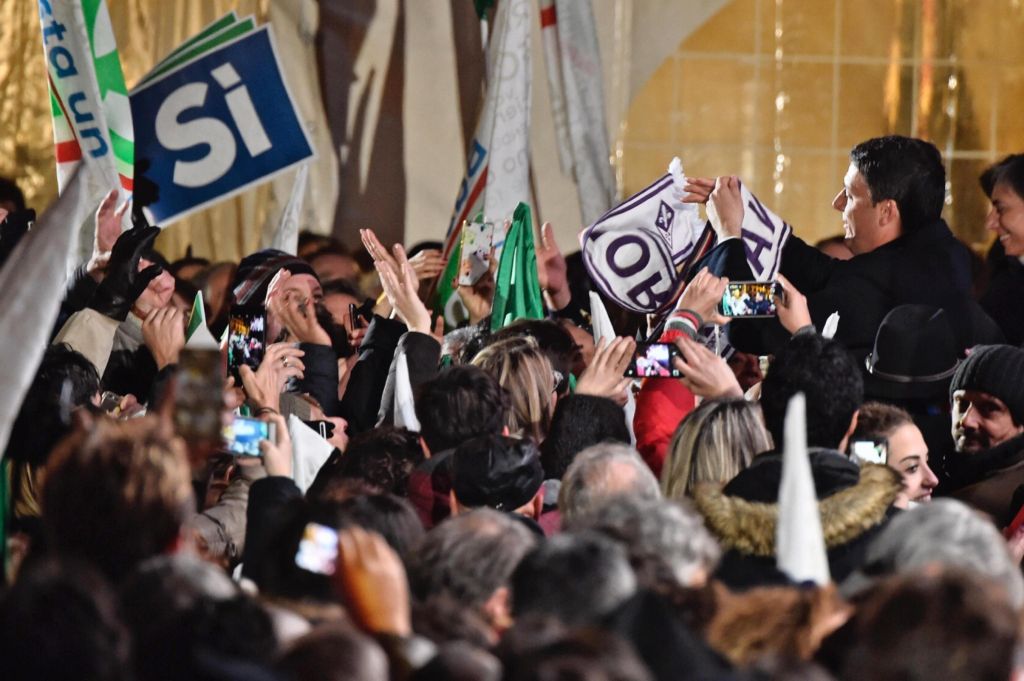
If Renzi wins, the country’s youngest ever prime minister will be energized in his bid to transform Italy.
Critics say the move will deprive Italy of democratic checks and balances put in place in the aftermath of World War II following the disastrous rule of fascist dictator Benito Mussolini.
Victory for Renzi will mean a new mandate to pursue reforms he sees as key to unshackling Italy’s creativity from the influence of a self-serving political caste that has exploited institutional weakness to stymie change.
“If we miss this chance it won’t come back for 20 years,” he warned voters before campaigning was suspended at midnight on Friday.
The populist factor
Italians appear to realize how much is at stake.
Voters, who have been known to head to the beach rather than the ballot box when less important referendums have fallen on a sunny day, have spent weeks passionately embracing the pros and cons of the proposed reforms.
A bumper turnout looks like the only prediction anyone can make with any certainty, as polls have been banned since November 18.
Up until then the “No” camp was leading comfortably — but with a quarter of the electorate undecided, Renzi is counting on a silent majority of shy reformers to pull off a surprise turnaround.

After the Brexit and Donald Trump victories, populism has been a factor, and the Five Star Movement led by comic Beppe Grillo would see a “No” vote as its stepping stone to government.
But the campaign has also sent many voters back to their high school textbooks to reconsider the merits of a much-loved constitution, producing an invigorating national discussion that has recalled Scotland’s 2014 independence referendum more than the rhetorically-charged Brexit or US presidential debates.
Renzi wants to drastically scale back the size and powers of the parliamentary second chamber, the Senate.
Under his proposed reform, a body of 315 directly-elected and five lifetime lawmakers will become one with only 100 members, mostly nominated by the regions.
The body would also be stripped of most of its powers to block and revise legislation, and to unseat governments.
Other envisioned changes involve transferring some regional powers to the national government, making it easier to get major infrastructural works approved, and abolition of a costly policy agency in Rome.
A referendum on Renzi
Inevitably in light of his pledge to stand down should he lose, the vote has also become something of a referendum on Renzi’s personality and record after just over 1,000 days in office.
“I’m voting yes because I want Italy to change. I don’t like it as it is now,” said Rome market trader Marina Marabitti.
But in a reflection of how the campaign has gone, her vote was set to be cancelled out by the man she works alongside six days a week.
“I would be for ‘Si’ (Yes) if it was not for Renzi. I can’t stand him,” said Giancarlo Sallusti.
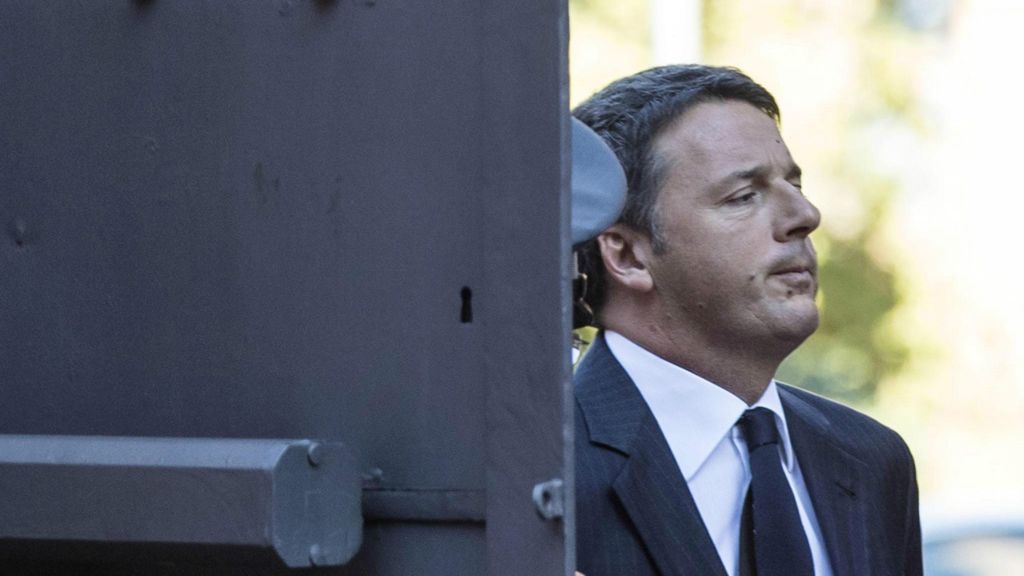
Nearly 51 million Italians are entitled to vote, including four million expats who, reports suggest, could help Renzi defy the odds.
Polls opened at 7am local time and were scheduled to close at 11 p.m., with a reliable result not expected until the early hours of Monday.