European Green Party condemns UK Greens over ‘Zionism is racism’ policy
European group says resolution contradicts its two-state stance; German Greens call it ‘intolerable’; longtime UK member quits party
The European Green Party on Monday “unequivocally” distanced itself from the Green Party of England and Wales after the latter adopted a resolution declaring Zionism a form of racism and backing a single Palestinian state across all of Israel and the Palestinian territories, saying the policy contradicts the European movement’s longstanding support for a two-state solution.
“The EGP has always supported a two-state solution, with self-determination for both Israelis and Palestinians,” the European party said in a statement, adding that its position was grounded in “Israel’s and Palestine’s equal right to exist as sovereign states.” It noted that the Green Party of England and Wales had itself helped formulate that common position over the years.
The Green Party of England and Wales formally adopted the anti-Zionist policy at its annual conference in Brighton on Sunday by a vote of 1,022 to 813. In its own statement announcing the result, the party said the resolution formally established it as an anti-Zionist party and reaffirmed support for Palestinian “liberation”; a right of return; the Boycott, Divestment and Sanctions movement; and a full arms embargo against Israel.
The resolution says Zionism should be “treated as any other form of racism,” arguing that it “privileges one ethnic group on the basis of the subjugation of others.” It calls for “a single democratic Palestinian State in all of historic Palestine with Jerusalem as its capital, equal rights for all, and the right of return for Palestinians and their descendants.”
The European Greens said their leadership and several member parties had contacted the English and Welsh party before Sunday’s vote to express “deep concern” over the proposal. “The resolution ‘Zionism is Racism’ as voted yesterday goes against our agreed positions of the EGP and its Member Parties,” the statement said, “therefore as EGP we unequivocally distance ourselves from it.”
The European party simultaneously reiterated its fierce criticism of Israel, saying it condemned “in the strongest terms the genocide against Palestinians and the human rights abuses committed by the current Israeli government,” and had consistently called for EU sanctions against Israel’s government. But it stressed that “the fight against antisemitism and for human rights is an essential part of our political agenda,” and that Jewish people “must be able to live free from discrimination and violence.”
Israel has vehemently rejected accusations that its conduct in Gaza amounts to genocide, saying its war is against Hamas and not the Palestinian population.
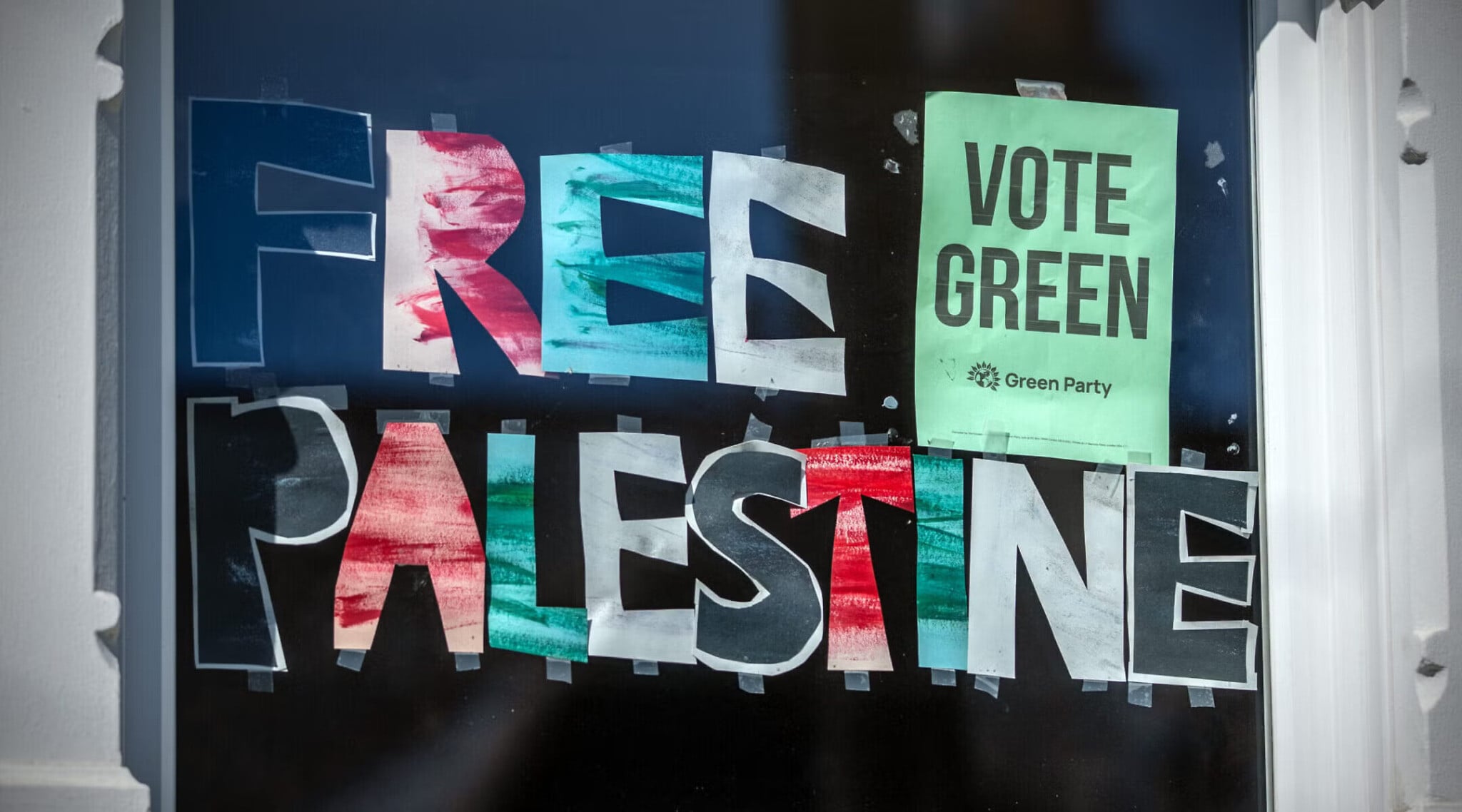
The European Greens also noted that many members of the British party, including most of its MPs, had publicly opposed the resolution, and that fewer than one percent of the party’s members took part in the conference vote. It said it would “immediately demand clarity” from the party leadership and parliamentary group over its official position on Israeli and Jewish self-determination and “the protection of Jewish people and members in the party.”
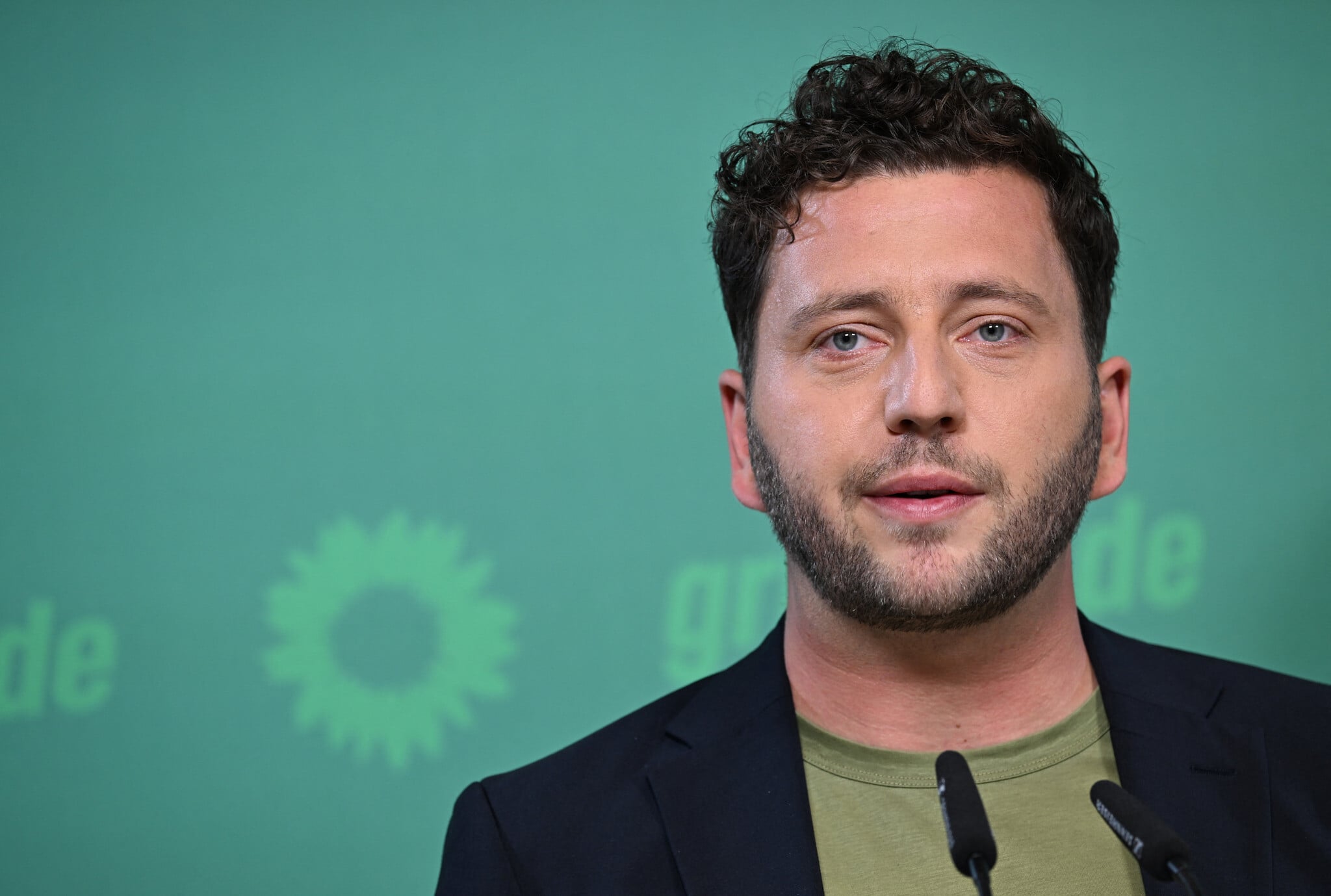
The backlash extended to one of Europe’s most prominent Green parties, with German Greens co-leader Felix Banaszak calling the British resolution “intolerable and unacceptable” at a press conference.
“It runs counter to everything that Alliance 90/the Greens stands for in Germany, and it also runs counter to what the European Green Party stands for,” he said, according to the Guardian.
Banaszak added that “there is a widely held view within the European Green Party that Israel has a right to exist and that this right must not be undermined,” and that his party would consult its European partners on how to respond.
Meanwhile, Sandy Ruthven, chair of Amnesty International UK’s charitable trust and a longtime Green Party member, resigned from the party over the motion.
“This motion at conference marks the end of the line for me. I have resigned my membership,” Ruthven wrote on LinkedIn. He accused the party of failing to confront prejudice within its own ranks while trying to appeal to the “hard-left vote,” saying it had led itself “into a political cul-de-sac.”
“I sincerely hope the party finds a way back,” he added.
Green Party leader Zack Polanski, who is Jewish, did not take part in Sunday’s vote. He has emerged as one of the most prominent Jewish critics of Israel in mainstream British politics, calling for an end to arms sales, trade and diplomatic ties with Israel and accusing former prime minister Keir Starmer of complicity in what he termed “the very obvious genocide in Gaza.”
Ahead of the conference, Polanski told the BBC he would support the Zionism motion only if it were amended, including to allow for the possibility of a two-state solution, but one of the motion’s co-authors rejected the proposed changes.
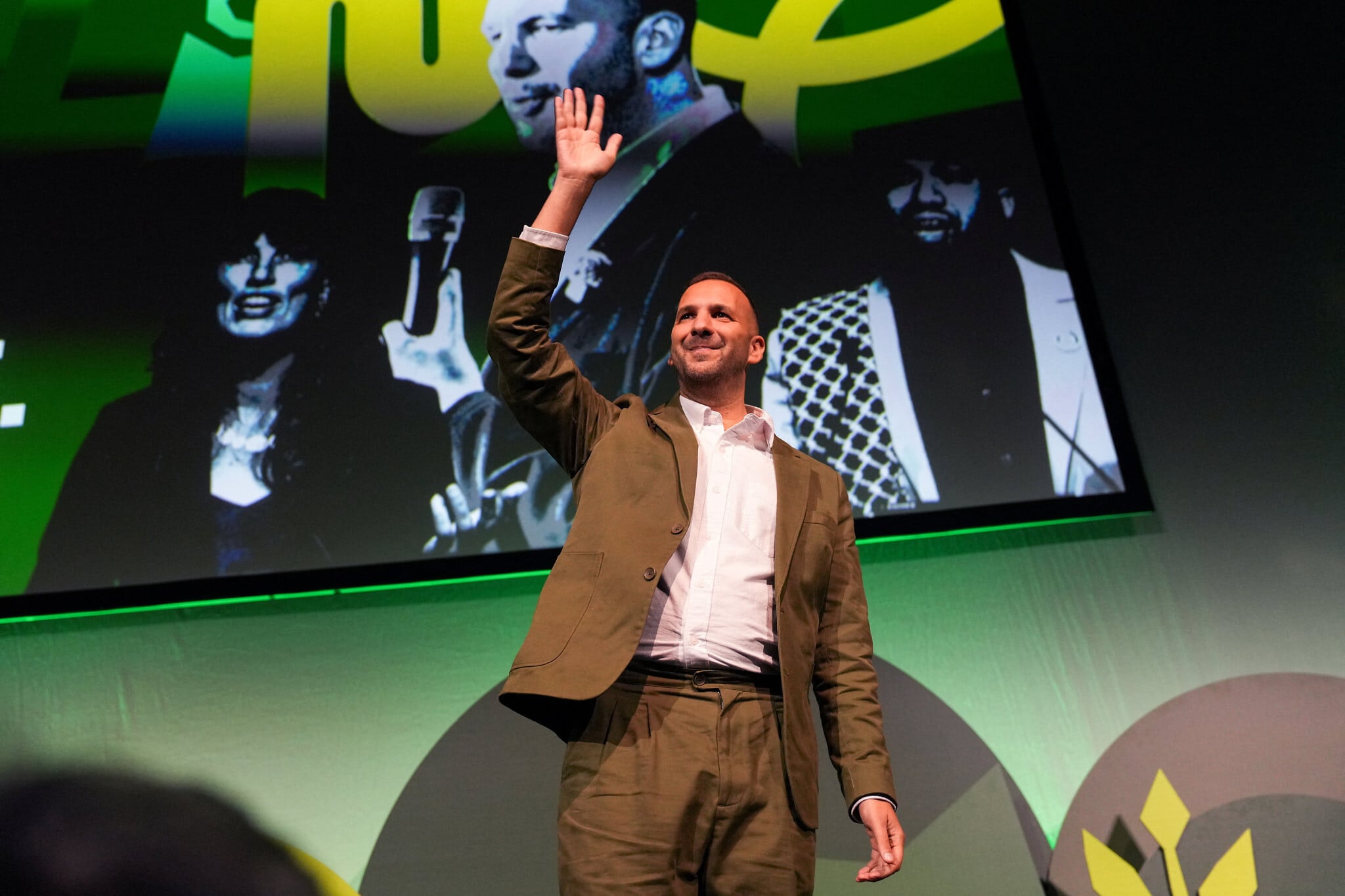
Israel sharply condemned the resolution. Foreign Minister Gideon Sa’ar announced that Polanski would be barred from entering Israel, while the Foreign Ministry accused the party of legitimizing terrorism and said the resolution effectively called for Israel’s elimination while branding Jewish national self-determination racist.
British Jewish organizations also denounced the policy. The Board of Deputies of British Jews and the Jewish Leadership Council called it “an attack on the Jewish community” and an “antisemitic platform,” accusing the party of distorting Jewish history and identity. Chief Rabbi Ephraim Mirvis called the resolution “poisonous antisemitism” and noted that the United Nations General Assembly adopted a resolution equating Zionism with racism in 1975, before revoking it in 1991.