Ex-hostage point man says Israel could have returned all Oct. 7 captives a year earlier
Nitzan Alon says 'political and personal considerations' prevented signing of hostage deal, says Israel 'could and should have shortened the war,' prevented deaths on both sides
Former government hostage point man Maj. Gen. (res.) Nitzan Alon said Friday that Israel could have secured the release of all remaining Gaza hostages a year before they were released in late 2025, but “political and personal considerations” got in the way, delaying the agreement of a hostage release and ceasefire deal.
Alon, who served as the IDF’s point man on hostage negotiations after the October 7, 2023, Hamas-led attacks, which resulted in the taking of 251 hostages to the Gaza Strip, has accused the government of delaying or preventing the release of hostages several times in the past year, and has often gotten into public spats with ministers over blame for the deaths of hostages in captivity and the prolonging of the war in Gaza.
He made the most recent comments during a conversation hosted by the Washington Institute for Near East Policy, where he argued that Israel could have secured the release of all the hostages a year before the final October 2025 hostage deal, “without it having any impact on the outcome of the war.”
“We could have saved hostages who were killed that way, and we missed this opportunity,” Alon told the virtual conference. “If you look at what we achieved after two years of intense fighting, we could have achieved almost the same strategic achievements much earlier.”
“We could have possibly saved hostages who were killed in captivity, and we missed this opportunity,” Alon claimed, noting that in his opinion “the war was too long.”
“I assume that Prime Minister Benjamin Netanyahu, as well as other politicians and people, looked at the situation from a strategic perspective, while at the same time he also had his political and personal considerations,” he continued. “All of these factors are involved in the considerations.”
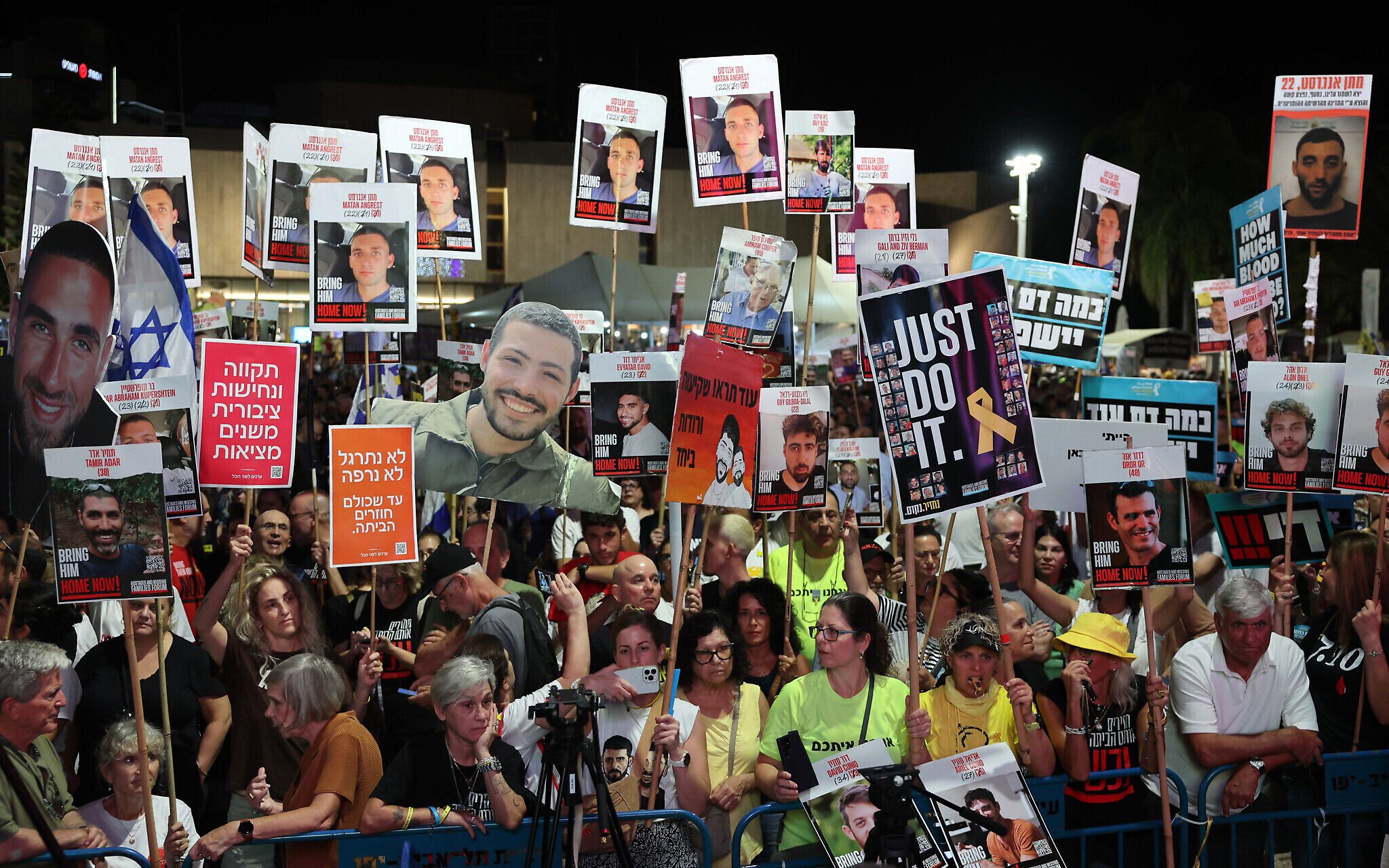
“I’m pretty sure we could and should have shortened the war, brought all the captives home maybe a year earlier and moved on, and maybe also saved thousands of lives on both sides of the fighting,” he said.
“Israel needs a leadership that sees reality as it is and offers real hope, not illusions,” he continued, taking another shot at Netanyahu and his government. “Not a leadership that relies on slogans like ‘total victory,’ but one that provides a realistic and balanced plan to address the country’s security and economic challenges.”
Alon, a former head of Central Command, served as the IDF’s point man on hostage negotiations after being appointed by then-IDF chief of staff Herzi Halevi to head the Hostages and Missing Persons Headquarters. He left the position in November 2025, and has since made repeated headlines for accusing the government of prolonging the war and captivity of the hostages, often getting into public arguments with government figures over the issue.
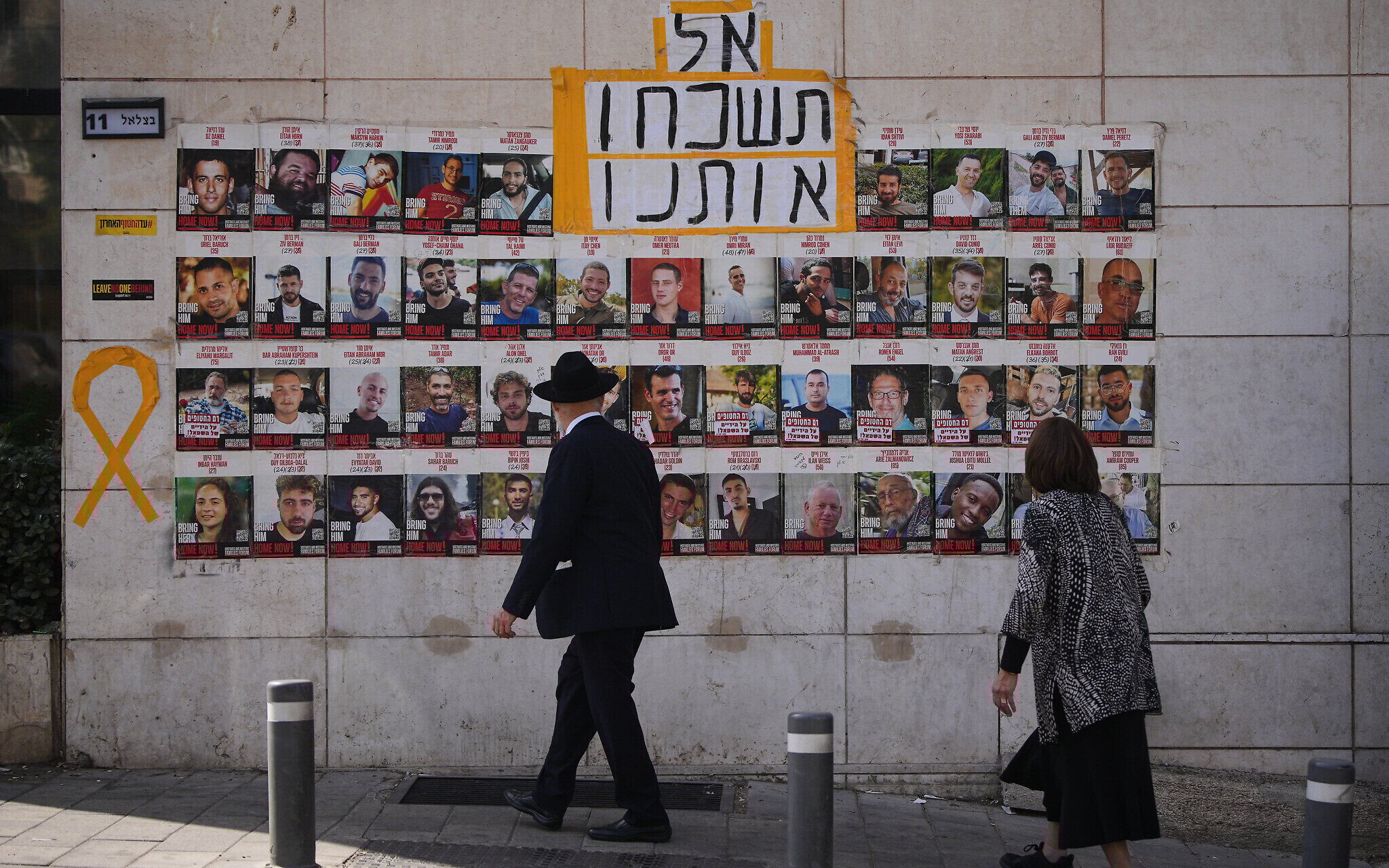
Last month, after Finance Minister Bezalel Smotrich claimed credit for the return of all the captives held by terror groups in the Strip, Alon said that Smotrich, “who opposed some of the agreements at various stages,” can’t take credit for their eventual return, and instead is to blame for some of their deaths in captivity.
Smotrich consistently opposed, or gave only conditional support to, various proposals for hostage deals throughout the two-year war in Gaza, arguing that continuing the military offensive and overthrowing Hamas was more important.
In total, of the 251 hostages abducted by Hamas and other terror groups during the October 7, 2023, invasion and massacre in southern Israel, 166 were released alive, and 85 were returned to Israel deceased.
Of the deceased, 44 were already dead at the time they were abducted, and 41 were abducted alive and killed in captivity. In many cases, they were murdered by their captors, and in others, the military confirmed that its own actions, including airstrikes, led to the deaths of hostages.
Under the ceasefire agreement that brought back the final remaining hostages signed in October, the IDF continues to control large parts of Gaza, creating a buffer between Israel and the part of the Strip where Hamas has regained power.