First Knesset election ballots cast as voting opens at Israel’s missions abroad
101 polling stations open at 99 diplomatic missions for around 4,800 eligible absentee voters; IDF to begin early voting next week for soldiers deployed on bases, overseas
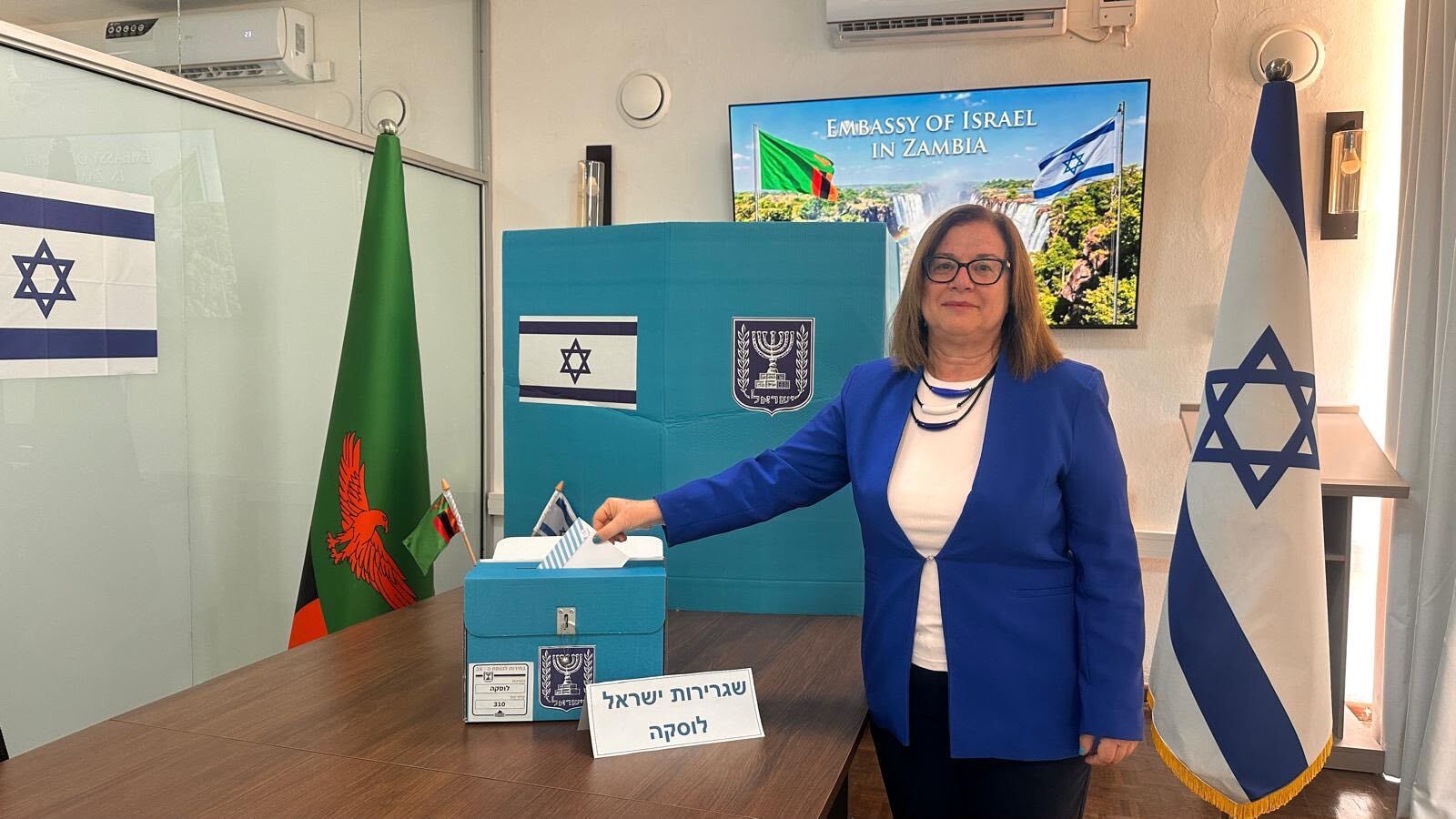
The first ballots of the 2026 Knesset election were cast overnight Wednesday-Thursday, as voting opened at Israeli diplomatic missions around the world ahead of the October 27 election.
The voting period for people serving at diplomatic missions and their families around the globe will last around 30 hours total, with each embassy opening its station during local daytime hours on Thursday. In total, 101 polling stations will operate at 99 diplomatic missions for around 4,800 eligible people to cast their votes.
According to a joint statement from the Foreign Ministry and the Central Elections Committee, the largest polling station outside of Israel is the consulate in New York City, where over 700 people are eligible to vote.
Israel is one of a handful of democracies that do not allow citizens to vote if they are abroad, with absentee voting only available for envoys, diplomatic staff, including military attachés, and their families. More than 50,000 Israelis are expected to travel home to cast their ballots, according to election organizations.
The first embassy to open its polling station was the Israeli embassy in Wellington, New Zealand, where voting began at 9 a.m. Thursday local time, or 11 p.m. the previous night Israel time.
Staff at the newly opened Israeli embassy in Fiji were next to cast votes, with its polling station opening an hour after New Zealand’s.
The final missions to cast their ballots will be the Israeli consulates in San Francisco and Los Angeles, where voting will close at 8 p.m. local time, or 6 a.m. Friday in Israel.
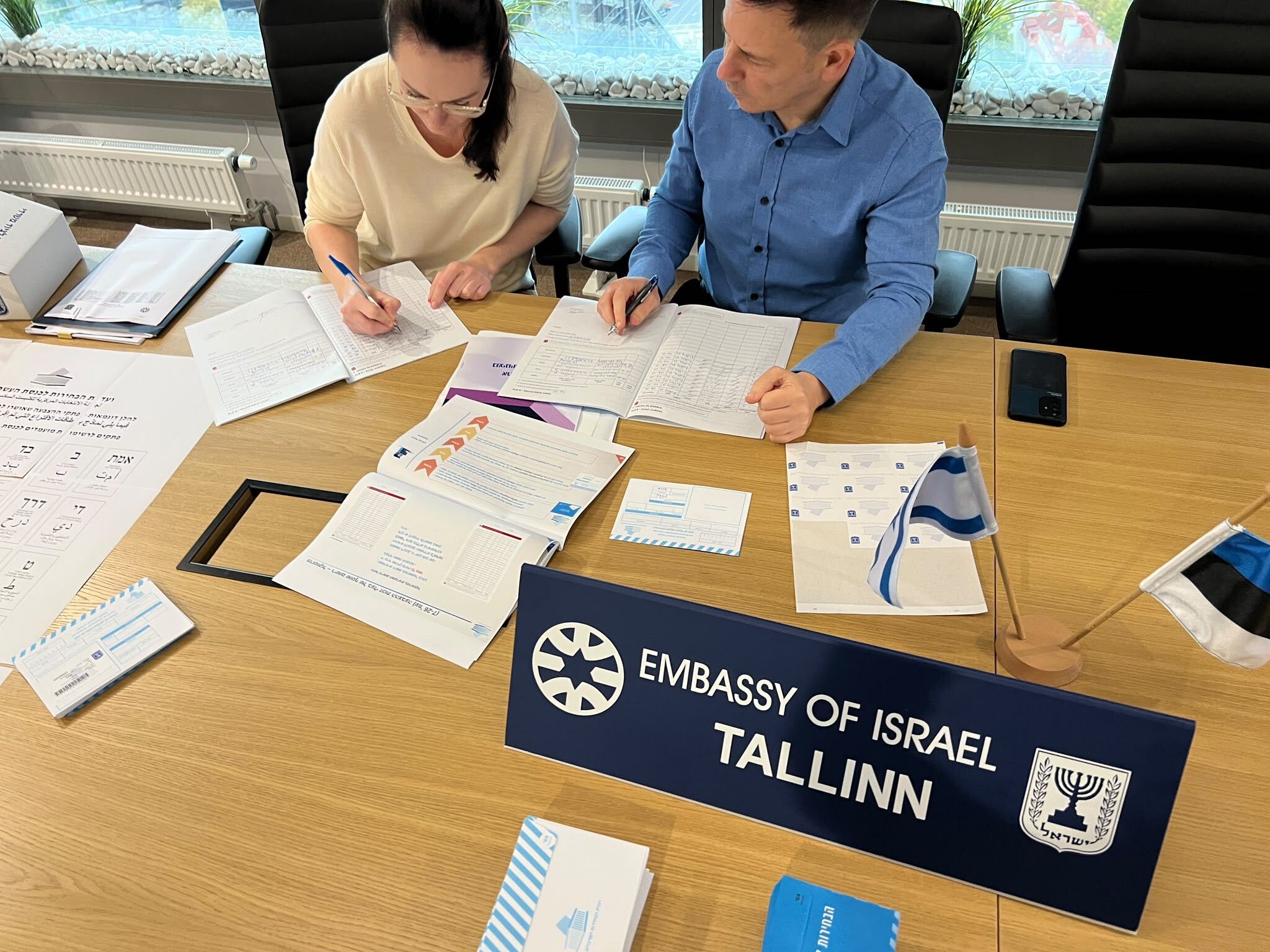
The ballot slips will be flown to Israel and sent to the Knesset for counting.
“Today marks the culmination of a lengthy and meticulous process that began several months ago, during which we prepared to hold elections at Israeli diplomatic missions abroad,” said Aviva Raz Shechter, head of the Foreign Ministry’s election operations team.
“Election Day is a celebration of Israeli democracy, a defining moment when every citizen can exercise their fundamental right to shape the future of the country,” said Dean Livne, acting director-general of the Central Elections Committee.
“The Central Elections Committee is fully prepared and is operating all of its most advanced control, auditing and oversight systems to ensure an orderly, secure process and the strict, uncompromising preservation of electoral integrity,” he added.
IDF to open early voting for soldiers next week
Israel’s military is also set to begin early voting for soldiers, with at least 850 polling stations set to be deployed next week at military bases and outposts across the country and beyond Israel’s borders.
Soldiers will begin voting early on the evening of Tuesday, October 20, due to “operational considerations.” The polling stations will remain open through October 27, when the rest of the country votes.
The IDF said it will operate at least 850 military polling stations, 25 percent of which will be fully mobile to allow soldiers stationed in remote locations and inside enemy territory — both conscripts and reservists — to vote. The IDF has some 40 outposts in the Gaza Strip, numerous army positions in Lebanon, and nine outposts in Syria.
Soldiers may also vote at civilian polling stations on October 27. Double envelopes will be used so that their names can be checked against their home polling station to ensure that each soldier votes only once.
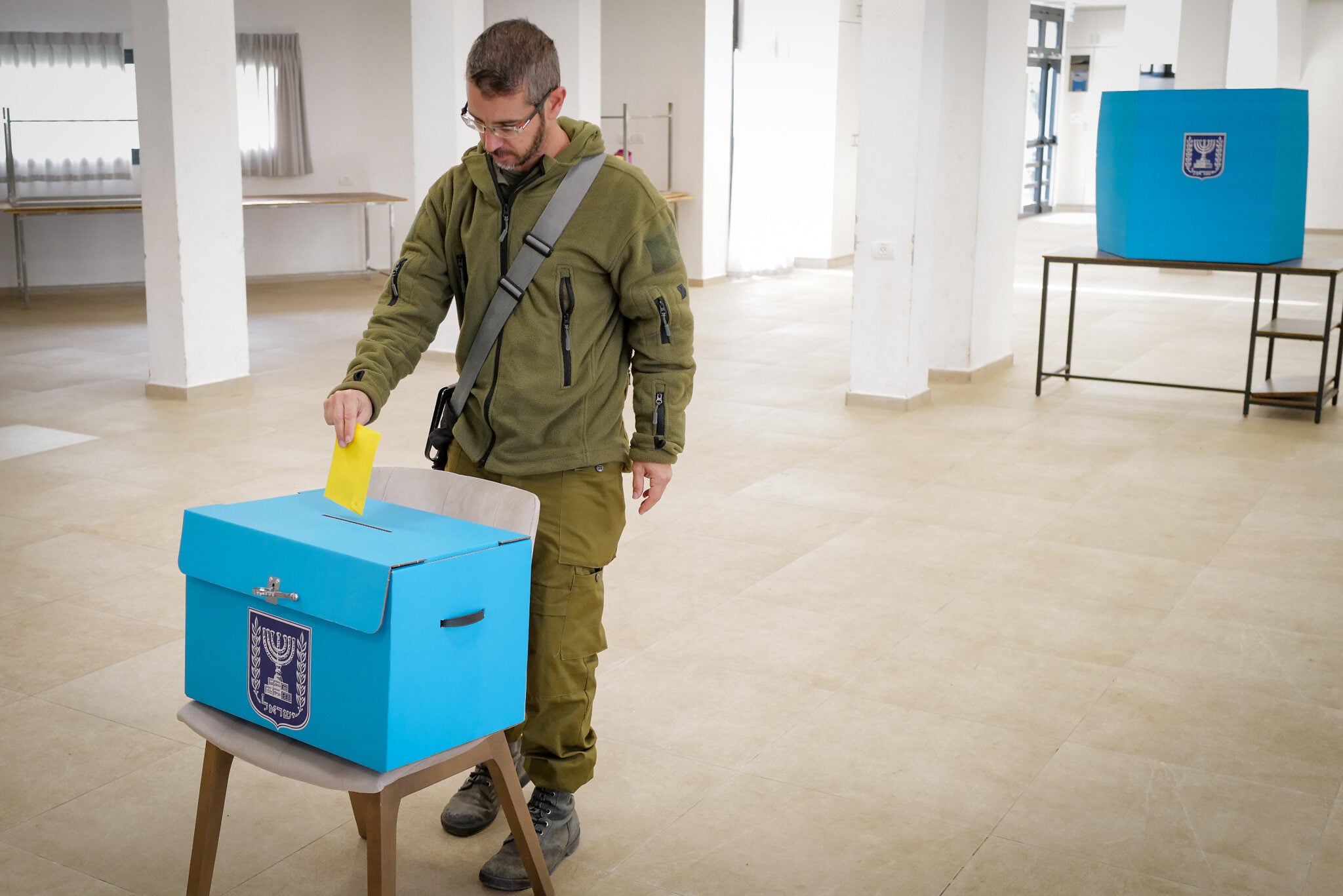
The mobile polling stations will move between several units according to a predetermined schedule. Their staff will be accompanied by an armed officer responsible for security, and the ballot boxes will remain locked while in transit.
Around 3,000 soldiers, mainly young conscripts, will serve as polling station staff, according to the military. The personnel will be trained by the Central Elections Committee, while the IDF’s election process will be overseen by Col. Vered Ben Yehuda, who also heads the IDF Civilian Employees Employment Center.
The military said it will conduct the election while preserving its nonpartisan character and keeping political discourse out of the process. It said its role is to facilitate voting and ensure the integrity of the elections, without engaging in political content or voters’ positions.