Flydubai attack survivors say Israeli government has left them high and dry
After Sept. 30 flight plummeted thousands of feet when terrorist copilot attempted to crash it, and heroic actions narrowly averted disaster, passengers say they're having to grapple with recovery on their own
Nearly a month after surviving last month’s attempted terrorist crashing of a flydubai flight bound for Tel Aviv, passengers say Israeli authorities have left them to grapple with the psychological aftermath on their own.
“Unfortunately, Israeli authorities have done zero as far as reaching out to people or helping,” Daniel Schlichter, a passenger aboard the flight, told The Times of Israel.
“We are completely alone,” said Almog Italie, another passenger who was on the flight with his wife and two teenage children.
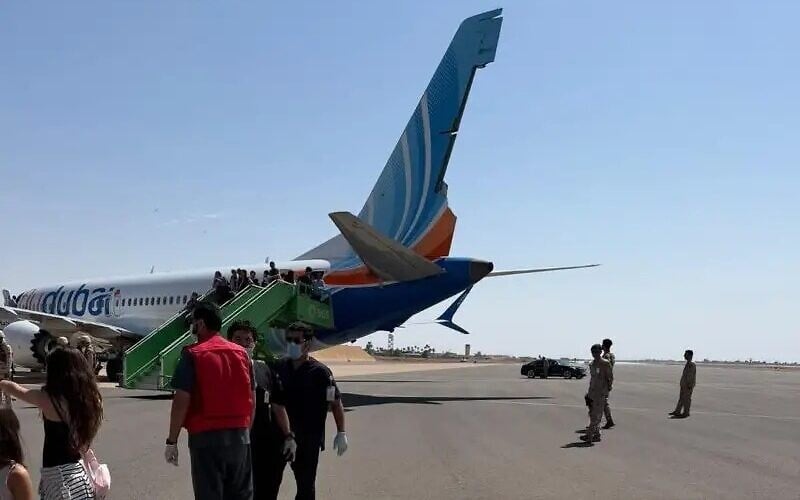
On September 30, flydubai Flight FZ1073 was en route from Dubai to Tel Aviv when its copilot attacked the captain and attempted to crash the aircraft. The plane plunged thousands of feet before several passengers intervened to subdue the attacker. Two off-duty pilots aboard the flight helped regain control and made an emergency landing in Saudi Arabia before a replacement aircraft returned passengers to Tel Aviv.
Italie said the lack of coordinated government assistance is particularly troubling, given the incident’s lasting psychological effects.
“This is the main issue that, you know, the trauma and the post-trauma are here, and they have to be treated. They have to get the best treatment they can,” Italie said. “But unfortunately, the authorities are not cooperating with us.”
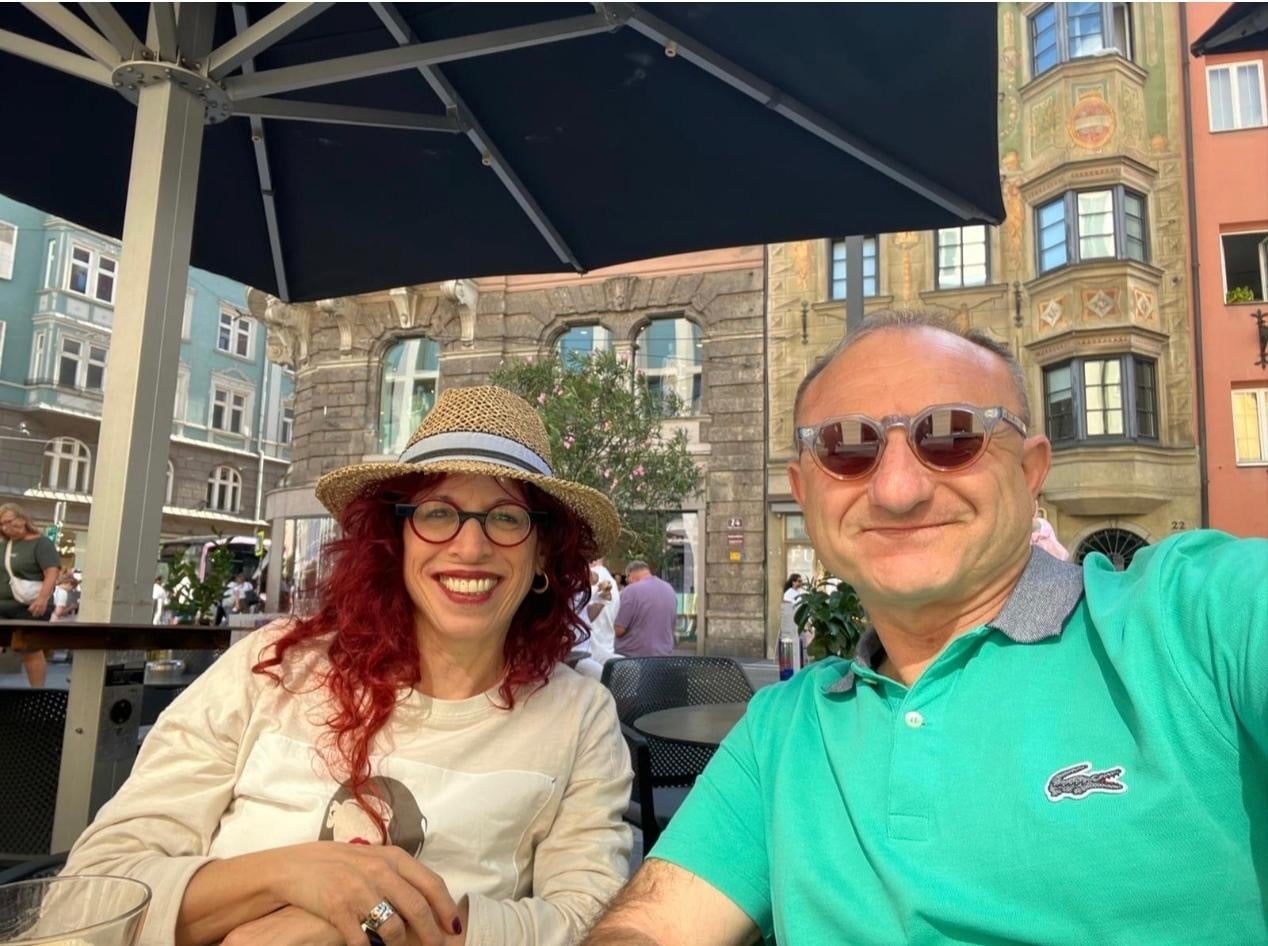
Schlichter, 59, who was returning from a vacation in Japan with his wife, said many passengers are still struggling to resume their normal lives, with some unable to return to work or school. The group remains in close contact after exchanging contact information during their emergency stopover in Saudi Arabia, he said.
In the absence of government support, many have turned to private psychological counseling to cope with the attack’s aftermath.
“Each one of the passengers takes it in a different way,” Schlichter said. “It’s not surprising that a lot of people are still in a state of trauma.”
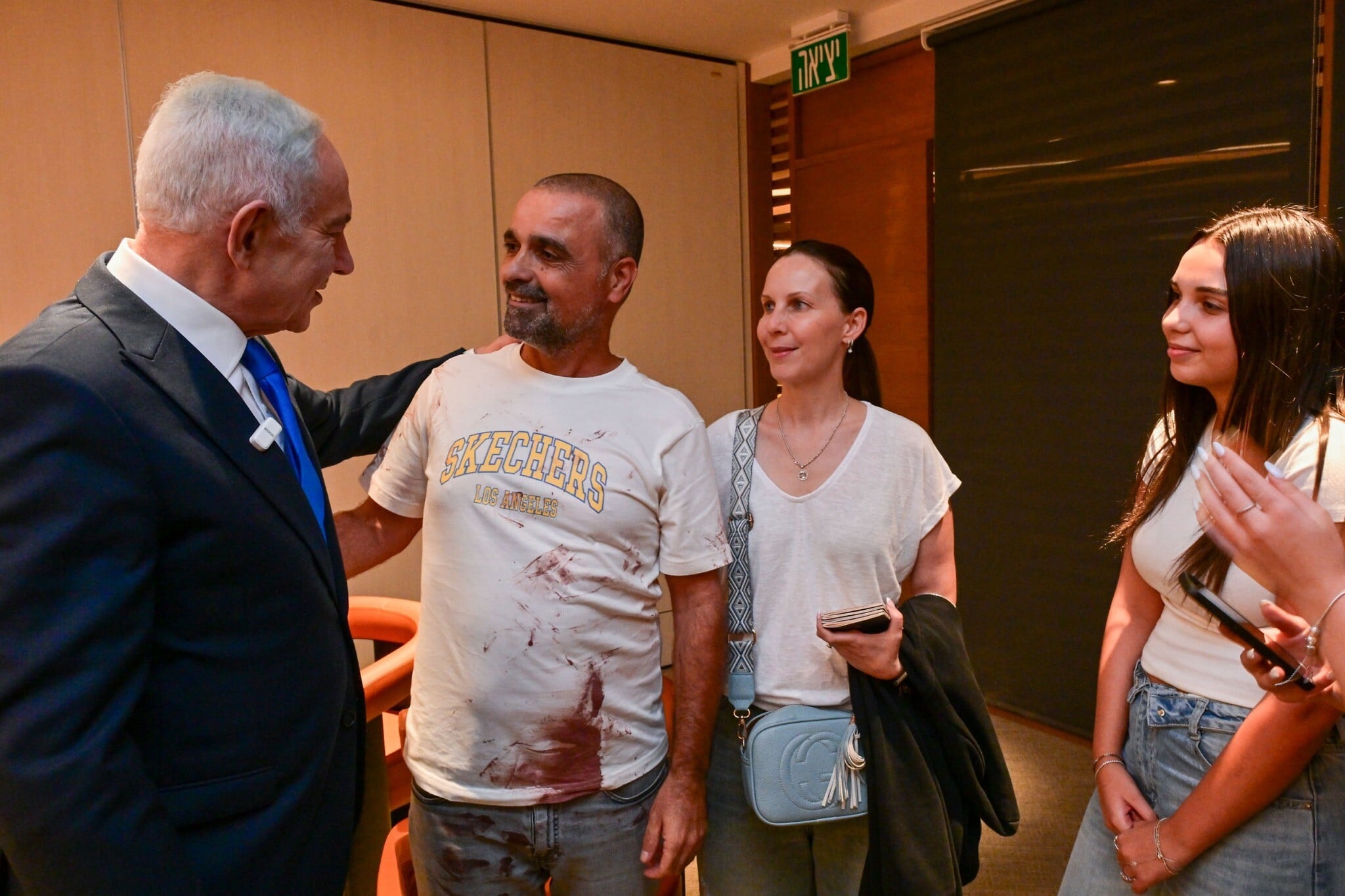
Upon their arrival at Ben Gurion Airport, Prime Minister Benjamin Netanyahu greeted some of the survivors, including Yaniv Hayun, one of the passengers who helped subdue the attacker and who initially stabilized the aircraft. Emergency medical teams from Magen David Adom were also placed on standby at the airport to assist passengers requiring medical attention.
But Schlichter said that attention did not translate into meaningful support for the passengers in the weeks since.
“After one, two, three days, or a few days after, then they disappear and no help is coming whatsoever,” he said of politicians. “And everybody has to take care of themselves.”
Asked about the passengers’ complaints, a spokesperson for the Ministry of Welfare and Social Security said the ministry was not responsible for assisting the flight’s passengers. That responsibility lay with other government ministries, he said.
A spokesperson for the National Insurance Institute, one of the principal government agencies responsible for providing assistance and treatment to victims of terrorist attacks, said the agency cannot assist survivors of the flight until the Defense Ministry officially qualifies the incident as a “hostile action.” Meanwhile, the Defense Ministry said it is still awaiting information from investigating authorities before determining whether the incident qualifies.
Shades of October 7
Italie drew parallels between the government’s response to the flydubai incident and its handling of the aftermath of the bloody October 7, 2023, Hamas-led onslaught on southern Israel, when many survivors faced lengthy delays and bureaucratic obstacles in accessing psychological treatment and other assistance.
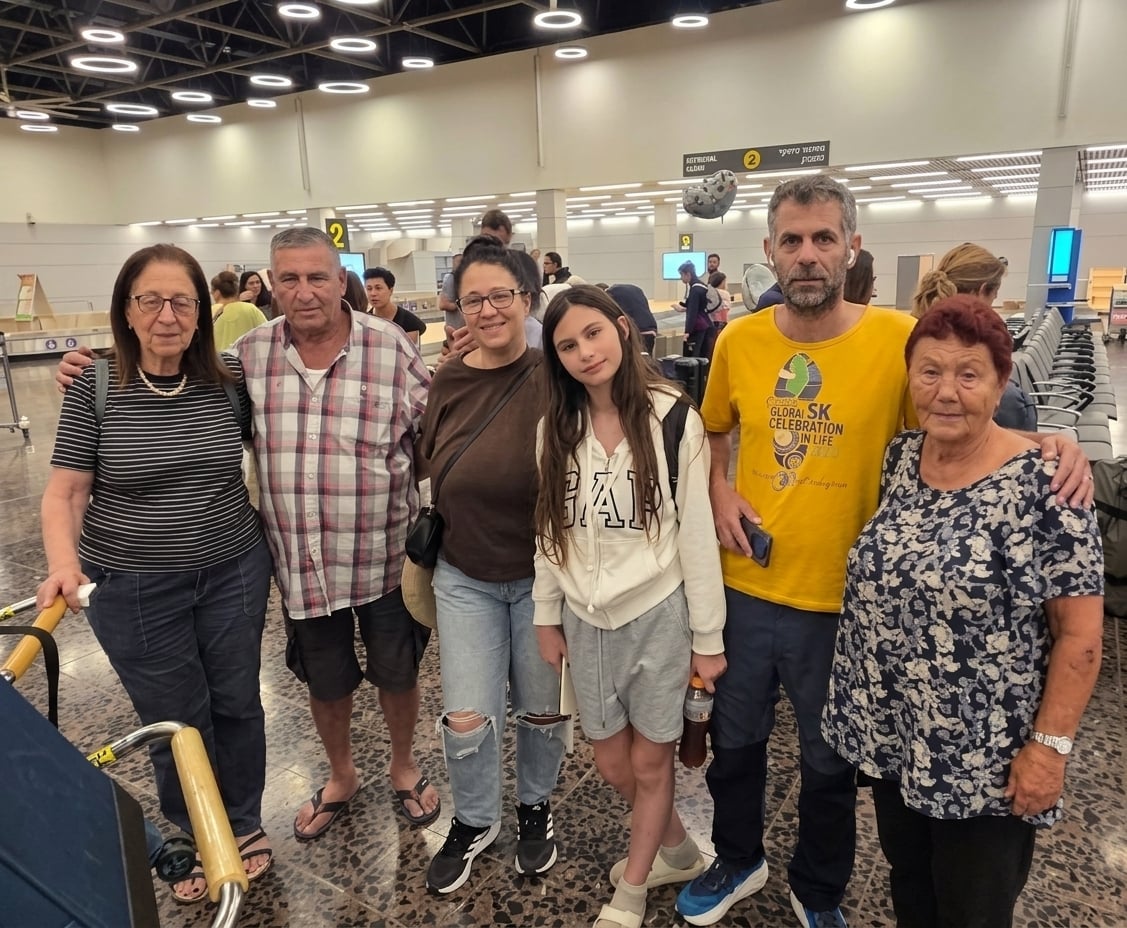
“I know what has been going on since October 7, so I’m not surprised,” he said.
Italie’s wife, a trauma expert, has witnessed firsthand the challenges survivors face in obtaining support, he said.
Schlichter also said the absence of follow-up recalled the difficulties survivors faced after October 7.
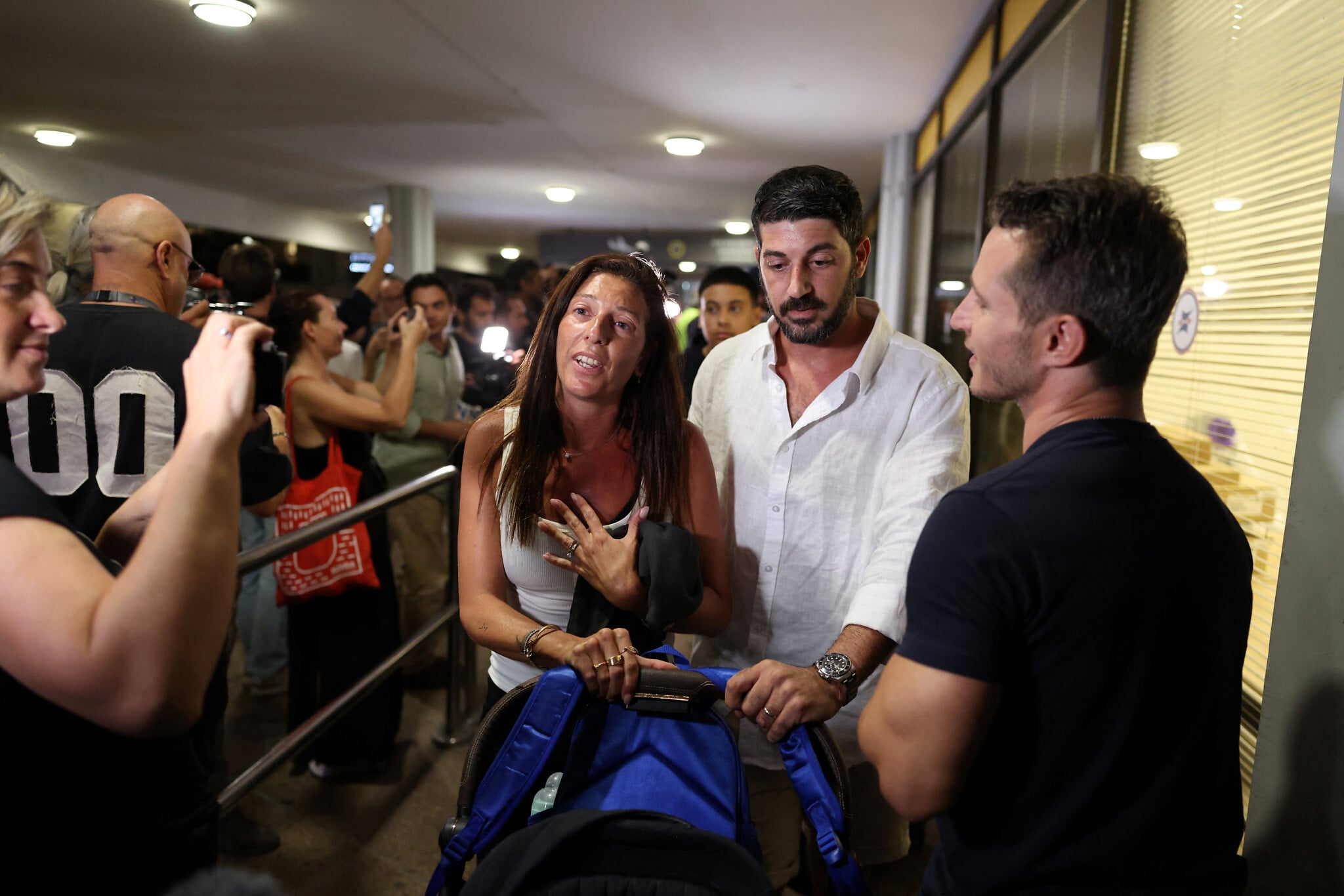
Still, he considers himself among the more fortunate passengers. A real estate developer who travels frequently for work, he returned to his job soon after the incident and has already taken another flight to Cyprus. His wife, Orli, has found it more difficult to return to normal.
In the days immediately after the incident, the couple struggled to sleep or recall basic details of their vacation before the flight home.
“It’s like everything that happened before was erased from the mind,” Schlichter said.
Only now, weeks later, have the two begun reviewing photos from their trip. Schlichter said other passengers described similar experiences.
Survivors of the flight have also begun exploring legal action. Approximately 100 passengers have joined an effort to pursue a class-action lawsuit against flydubai and government authorities in Israel and the United Arab Emirates over alleged security failures that allowed the attack to occur. A committee of passengers, including Schlichter, has been organizing the legal effort, which could seek hundreds of millions of dollars in compensation.