Former AG Mandelblit to be cross-examined after Netanyahu’s lawyers withdraw objections
Prosecutors petitioned High Court after judges initially said the defense witness would only face a redirect examination
Defense lawyers for Prime Minister Benjamin Netanyahu withdrew their objection on Wednesday to the cross-examination of former attorney general Avichai Mandelblit by prosecutors in the premier’s corruption trial.
The decision came after prosecutors petitioned the High Court over the judges’ decision that Mandelblit and other witnesses would only be questioned in a redirect examination.
“The defense announced that for practical and procedural reasons, and without detracting from the merits of its arguments, it has no objection in the future to the state questioning witnesses brought by the defense, whether they appeared on the prosecution’s witness list or not, in a cross-examination,” the Jerusalem District Court judges said.
“It was clarified that the aforementioned also applies to the testimony of former attorney general Mandelblit. In light of this announcement, we intend to proceed in this manner from now on, without changing the decisions we have given in relation to past requests submitted to us regarding witnesses who testified,” they said.
During a witness’s initial testimony, lawyers can only ask open questions and no evidence can be presented. With a redirect examination, lawyers are only permitted to ask questions to clarify previous statements, while a cross-examination allows all types of questions, including leading ones, as well as evidence to counter any claims.
Prosecutors had argued in their High Court petition that with their decision to only allow a redirect, the judges could be impeding the legal process to determine the truth, were “exceeding their authority contrary to an express provision of the law,” and that the decision could have “significant broader implications for other criminal proceedings.”
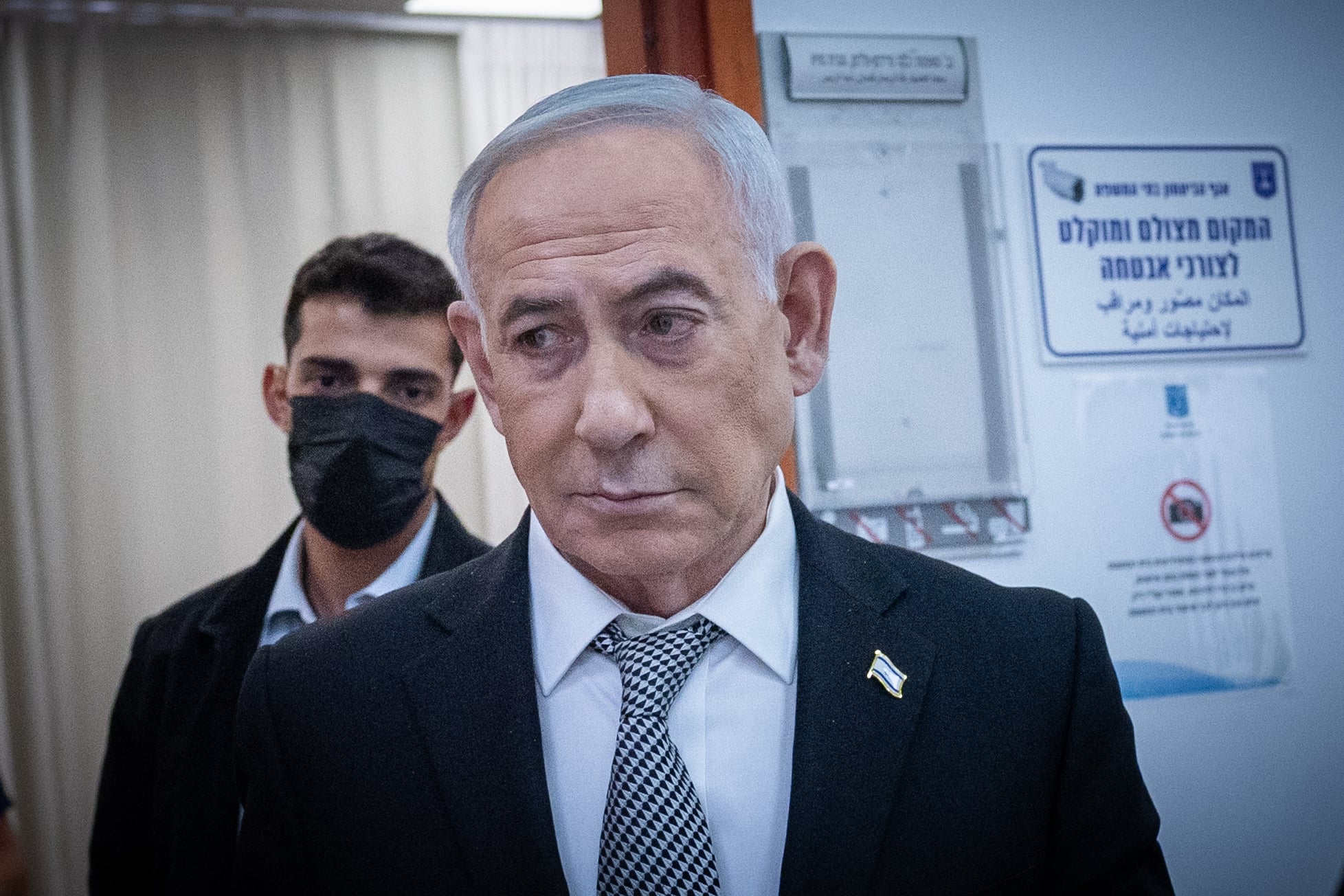
Netanyahu’s defense attorney Amit Hadad said, while withdrawing the objection, “Let them question him as they please, we will object to the questions at specific points.”
Jack Chen, who is representing Walla owner and Bezeq majority shareholder Shaul Elovitch in the proceedings, also said that he accepted prosecutors being permitted to cross-examine.
“Let them cross-examine whomever they want. This will free the trial from its shackles, and then the petition becomes theoretical,” he said.
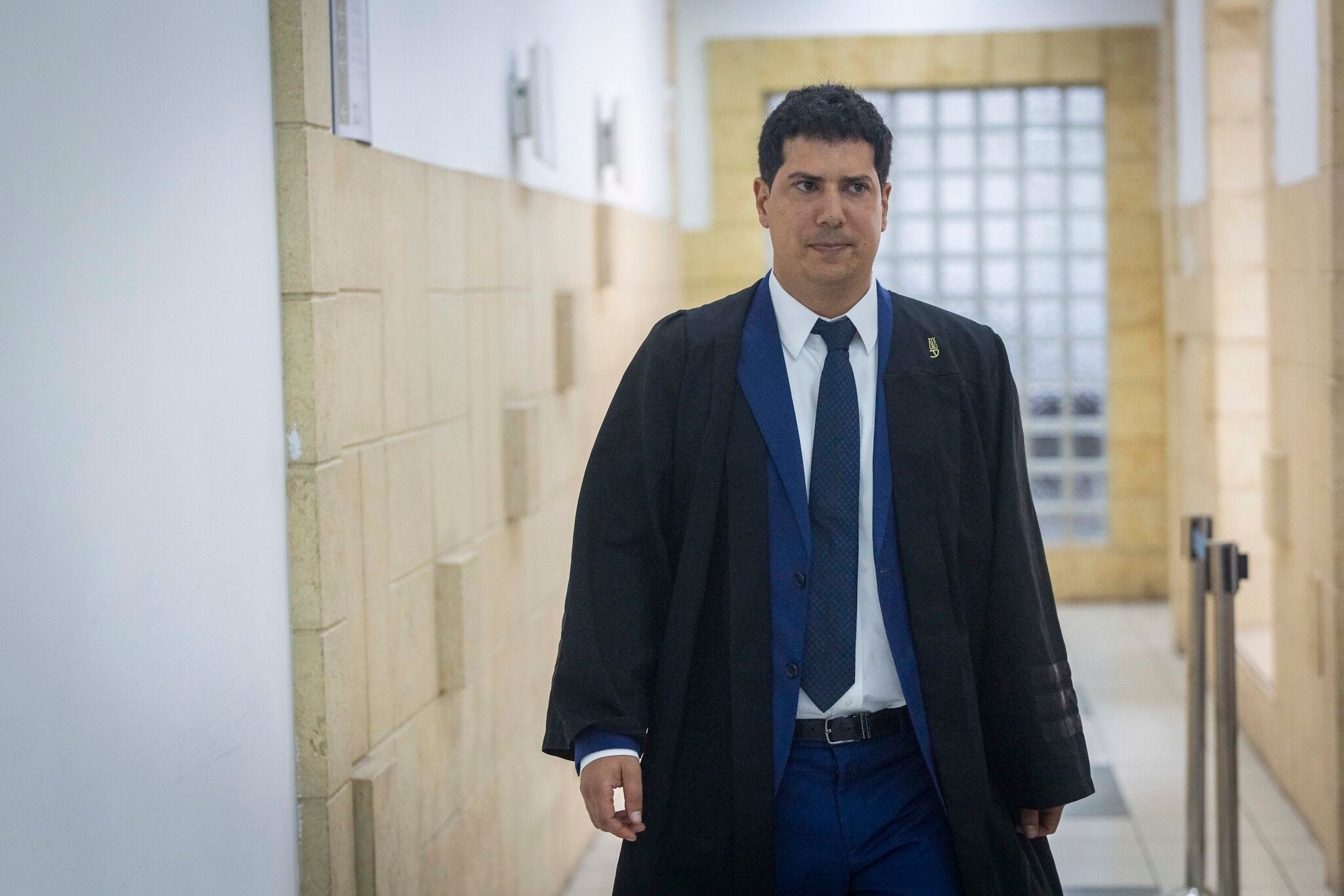
Mandelblit’s court testimony has raised concerns about the manner in which the investigation into Netanyahu was conducted, as well as how the subsequent decision to indict him was made.
Mandelblit acknowledged in court that the wording of the caution he gave in 2018 was “ambiguous” to enable a wide probe for Case 4000. In that case — the most serious Netanyahu faces in the trial — the premier is accused of taking a bribe in the form of coverage altered in his favor on the Walla news website, in return for regulatory decisions benefiting Elovitch.
The wording of the caution to Netanyahu is important, because if he was never told he was suspected of bribery before being charged with the offense, he would not have been given a fair chance to defend himself from that allegation during the investigation phase before his indictment.

In addition, Mandelblit acknowledged in court that he had not reviewed a key part of the indictment in Case 4000, in which Netanyahu is charged with bribery, before signing off on it.
The Jerusalem District Court has twice recommended that the prosecution drop the bribery charge, most recently in June this year.