Four Palestinians said wounded by settler assailants in West Bank village of Tayasir
No comment by Israeli authorities on latest violence; political and social pressures said to hamper IDF ability to enforce law against Jewish assailants who attack Palestinians
Four Palestinians were wounded Tuesday in a settler attack in the area of the village of Tayasir in the northern West Bank, the Palestinian Red Crescent said.
Footage from the extremist attack showed several men injured, cars on fire and burned-out structures.
Sought for comment, the Israel Defense Forces directed The Times of Israel to the Border Police, from which there was no immediate comment either.
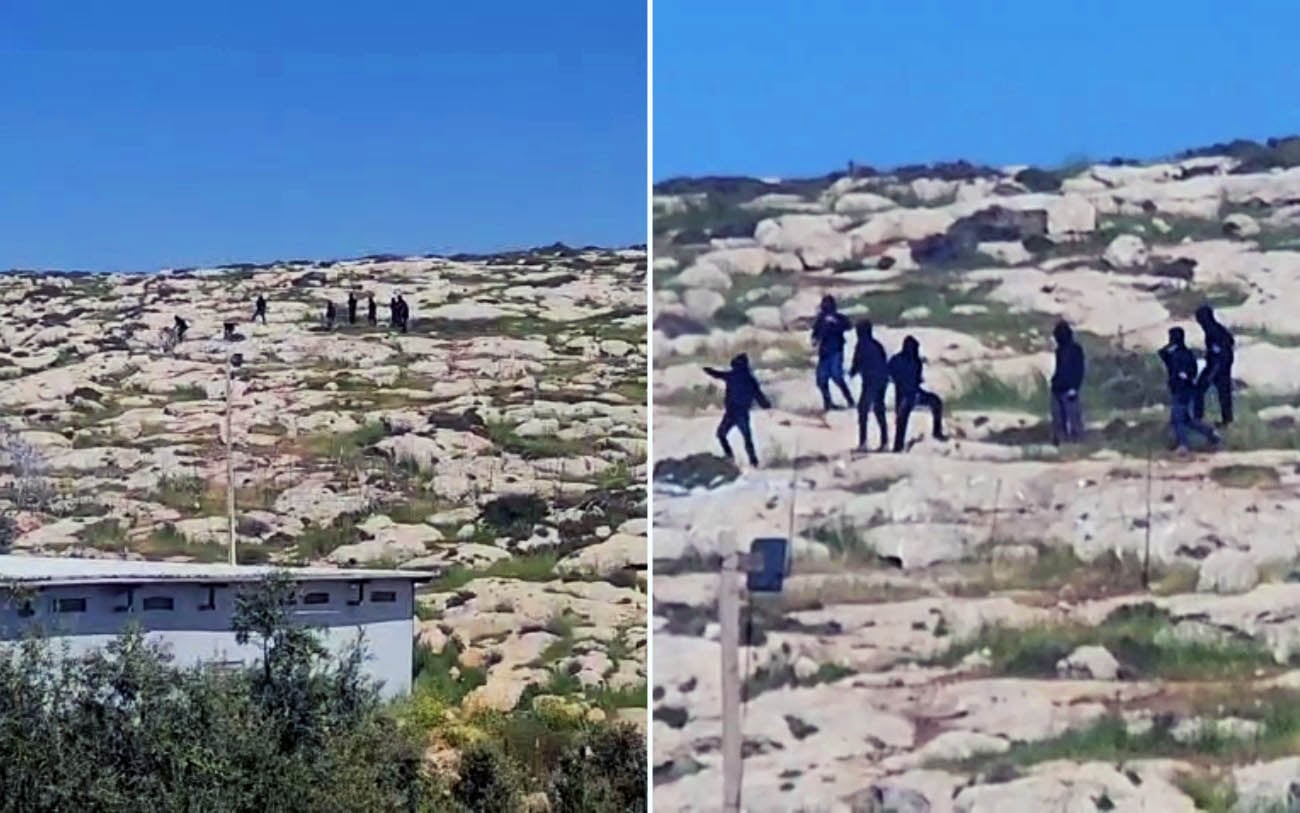
Local Palestinian residents took pictures apparently showing the Jewish extremists who participated.
Amer Dabak, a representative for Tayasir, identified the wounded Palestinians as Anan Daraghmeh, Ammar Daraghmeh, Ahmad Daraghmeh and Uday Saddam Wahdan.
He said Anan, Ammar and Ahmad are all cousins of Abdullah Daraghmeh, 75, who was severely beaten by extremist settlers last week, and whose wife died on Tuesday in what her son told CNN was a heart attack.

Dabak told CNN that the IDF, having arrived in Tayasir in response to the incident, prevented firefighters, ambulances, and locals from reaching the area.
“They prevented residents from returning to their homes but allowed the settlers to do everything at their leisure,” he told the cable network.
Abdullah Daraghmeh and three other residents of Tayasir were attacked last week, and a CNN crew covering the events was subsequently detained and allegedly assaulted by IDF reservists.
In response to the incident, the battalion involved was pulled early from operational activity in the West Bank. The army said the troops would remain on reserve duty and undergo a learning process aimed at “strengthening [their] professional and ethical foundations.”
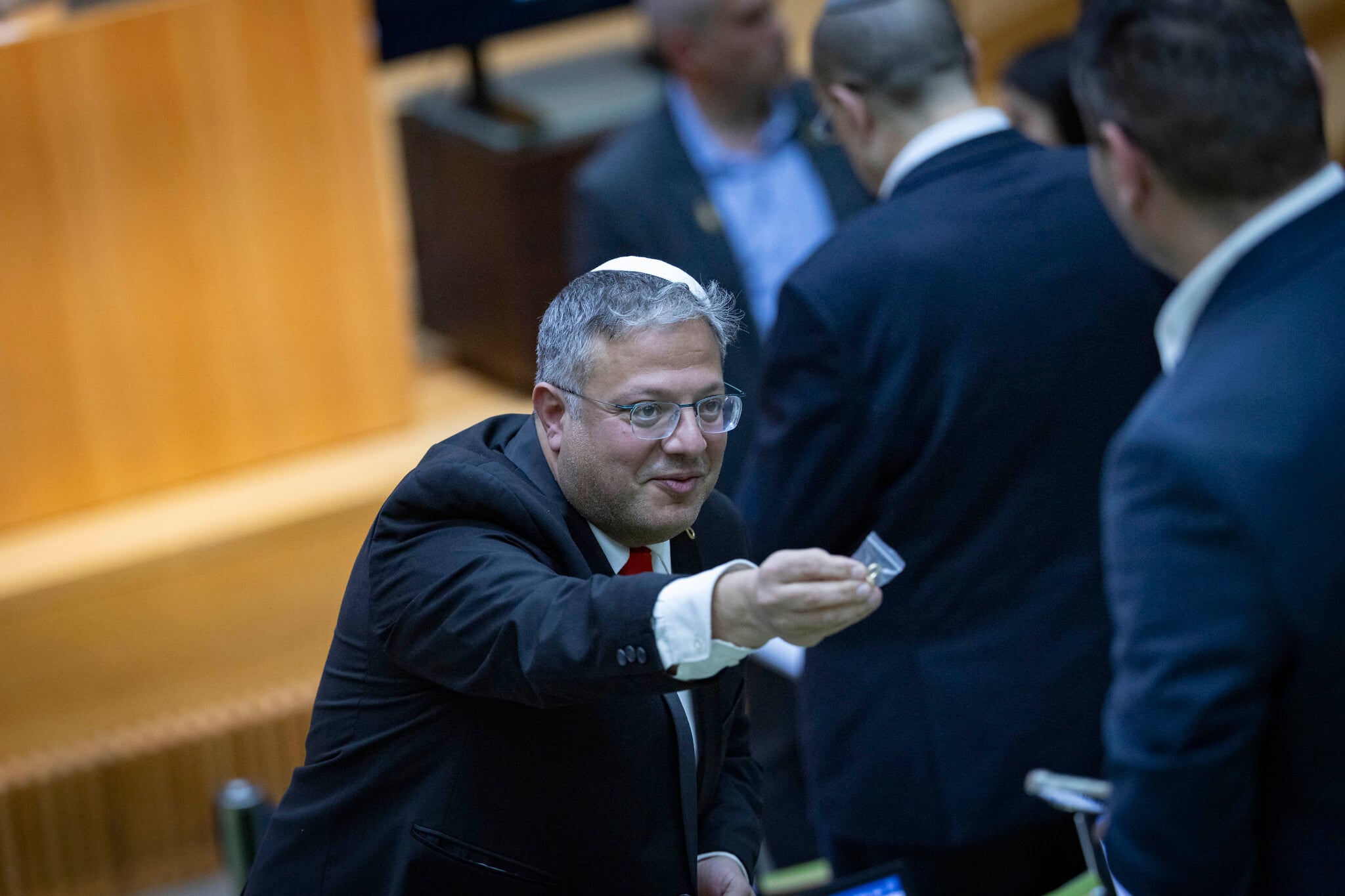
The decision was condemned by National Security Minister Itamar Ben Gvir, as well as 30 other lawmakers in the 120-seat Knesset, who wrote a letter Tuesday calling for the battalion’s return to duty.
A report in the Haaretz daily, meanwhile, said that political and social pressures have hampered the army’s ability to enforce the law against Jewish assailants who attack Palestinians in the West Bank, sparking concern within the military.
The article on Tuesday, which cited unnamed senior sources within Israel’s security establishment, said the proliferation of contentious new illegal outposts — often with the support of the political echelon — has required the deployment of forces to protect the settlers, placing troops in situations for which they were not trained.
The phenomenon is wearing the soldiers down and diverting resources from other fronts, sources in the army told Haaretz.
Additionally, security sources told the paper that some of the violence against Palestinians has come at the hands of soldiers who live on the outposts at the center of the tensions.
The newspaper said that within the army, some commanders are highly critical of the military brass, warning that the response by the IDF chief of staff and the head of Central Command has been woefully insufficient, and that red lines have not been clearly drawn.
Sources also accused Military Advocate General Maj. Gen. Itai Ofir of declining to push for arrests, investigations, or indictments against Jewish rioters, even when they are IDF soldiers, or carry out violence using IDF weapons, viewing the issue as falling under the authority of the Israel Police instead.
Police have themselves done little to quell the violence, and rarely arrest assailants.