France: EgyptAir flight messages showed smoke on board before crash
Aviation safety official says it is 'far too soon to understand cause of accident,' cites lack of wreckage, black boxes
The EgyptAir plane that crashed into the Mediterranean Sea two days ago with 66 people aboard had transmitted automatic messages indicating smoke in the cabin, France’s aviation safety agency said Saturday.
“There were… messages emitted by the plane indicating that there was smoke in the cabin shortly before data transmission broke off,” a spokesman of the Bureau of Investigations and Analysis told AFP, adding that it was “far too soon to interpret and understand the cause of the accident as long as we have not found the wreckage or the flight data recorders.”
Egyptian authorities said they were investigating reports late Friday that there was smoke on the flight shortly before it crashed.
“We are looking into this report,” an Egyptian civil aviation ministry official told AFP. “At this point I can’t deny or confirm it.”
The Wall Street Journal, citing people familiar with the matter, said automated warning messages indicated smoke in the nose of the aircraft and an apparent problem with the flight control system.
The smoke warnings, which were automatically sent by the Airbus A320’s computer systems, came about 2:26 a.m. Thursday local time, just before air traffic controllers lost contact with the plane carrying 66 people, the Journal said.
The messages indicated intense smoke in the front portion of the plane, specifically the lavatory and the equipment compartment beneath the cockpit. The error warnings also indicated that the flight control computer malfunctioned, the report said.
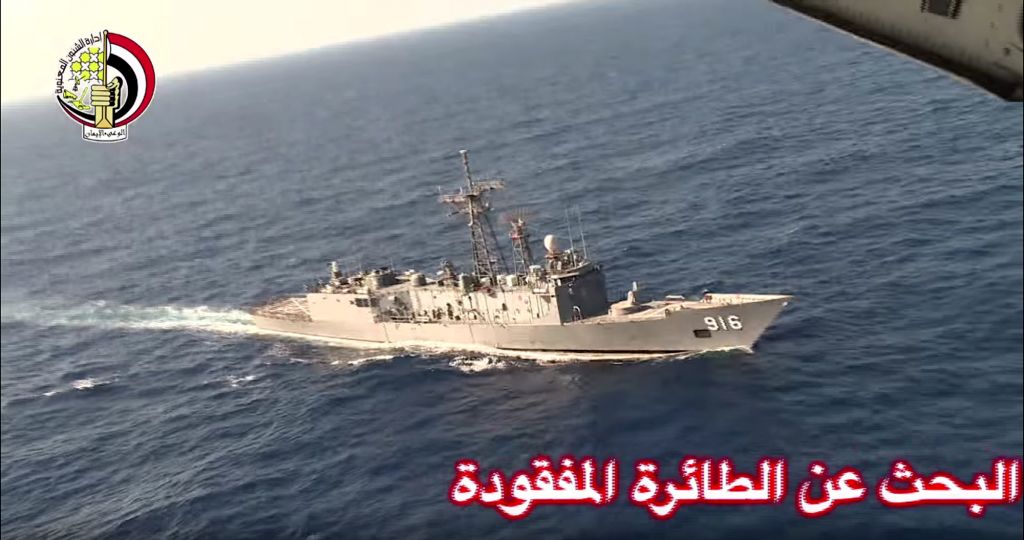
Search crews found floating human remains, luggage and seats from the doomed jetliner Friday, but face a potentially more complex task in locating bigger pieces of the plane and its black boxes, vital to determining why the airliner plunged into the sea.
Looking for clues to whether terrorists brought down Flight 804, investigators pored over the passenger list and questioned ground crew members at Charles de Gaulle Airport in Paris, where the plane took off.
The Airbus A320 had been cruising normally in clear skies on a nighttime flight to Cairo early Thursday when it suddenly lurched left, then right, spun all the way around and plummeted 38,000 feet into the sea, never issuing a distress signal.
No terror group has claimed to have brought down the aircraft. That is a contrast to the downing of a Russian jet in October over Egypt’s Sinai Peninsula that killed 224 people. In that case, the Islamic State group’s branch in Sinai issued a claim of responsibility within hours. On Friday, IS issued a statement on clashes with the Egyptian military in Sinai, but nothing about the plane.
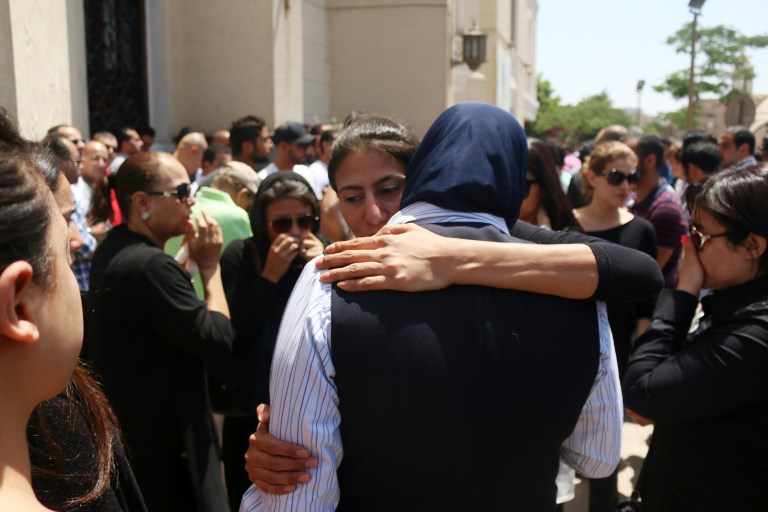
The crash has struck a demoralizing blow to Egypt. The economy has been gutted by years of turmoil since the 2011 overthrow of autocratic president Hosni Mubarak, and the Russian plane crash caused a new plunge in tourism, one of the country’s main money makers.