Freed suspect in alleged Ra’am vote-buying scheme: Cop asked why Arabs are unhappy with Ben Gvir, ‘he’s done only good by you’
Doctor Saef Abu Reash tells Israeli daily that his arrest was 'pure political persecution,' says officers presented no evidence of alleged wrongdoing but pressed him on who he encouraged people to vote for
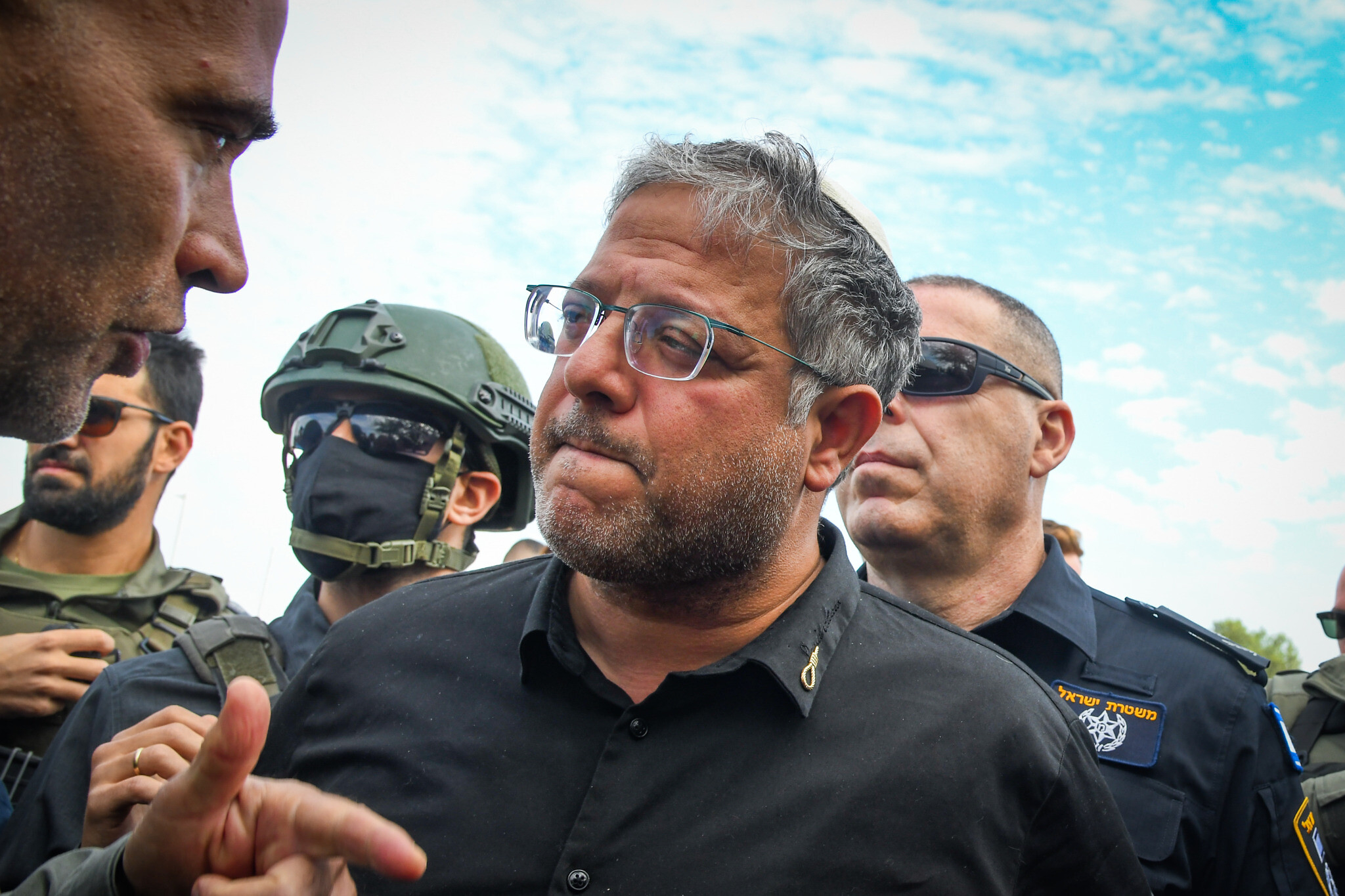
A day after a court ordered his unconditional release, a Bedouin doctor detained at dawn on election day over an alleged vote-buying scheme for Ra’am said Monday in an interview that a police officer told him National Security Minister Itamar Ben Gvir has done “only good” for Arab society.
The far-right minister’s tenure has seen a massive uptick in demolitions of Bedouin homes built without permits, and annual homicide rates in Arab society at large roughly double.
Saef Abu Reash, who led a get-out-the-vote effort in the southern Bedouin town of Rahat where he runs a small clinic, said investigators didn’t show him any evidence for the vote-buying allegations, but instead asked whom he encouraged people to vote for and if he was aware his activity could “determine who will lead the country.”
According to Abu Raesh, an officer who later took him from one police station to another asked: “What do you want from Ben Gvir? He’s done only good by you. He helps you, creates law and order for you.”
Abu Raesh told the Haaretz daily that was when he realized “that this is pure political persecution.”
“I know the values on which I was raised and understand I didn’t do anything wrong,” he continued. “They are trying to suppress the young Bedouins from turning out in voting instead of encouraging the next generation to assimilation into the state.”
Recalling his arrest, the doctor said he was awoken by policing knocking on his door, as his pregnant wife and young daughters slept. He described himself as “a man of the law all my life, those are my principles.”
“They led me to the police station, handcuffed. It was one of the most humiliating moments of my life,” Abu Raesh said.
He also said he was unable to vote on election day.
“On the day of the arrest they told me, ‘We’ll take you to vote,’ but when we reached the station in Dimona the officer said, ‘Why are you telling me now?'” he said told the newspaper. “In the end I didn’t vote, but masses of others did. The Arab public realized it has to go to the polls to change the reality.”
Abu Raesh was one of three suspects arrested on election day, another of whom was released to house arrest, while the third was still being held. Another four people were arrested two laters, three of whom have since been freed to house arrest, while the fourth was freed from restrictive conditions following an appeal from his attorney.
Officials have confirmed to the public that the election results are valid despite the Ra’am allegations and a separate probe into foreign election interference, reportedly by Qatar. Prime Minister Benjamin Netanyahu has seized on those allegations to cast doubt on the election results, which saw his coalition lose its majority.
But officials have stressed that the probes are limited in scope. On Sunday, the chair of the Central Elections Committee, Justice Noam Sohlberg, reiterated in a video message that the election was “conducted properly,” in a bid to quell the claims of widespread voter fraud. Sohlberg appeared in the video alongside Shin Bet chief David Zini, CEC acting director-general Dean Livne, and Attorney General Gali Baharav-Miara, with the four presenting a united front against the claims.
Despite that, Netanyahu’s Likud party put out a statement arguing that it was “highly perplexing” that Sohlberg would describe allegations of foreign interference as “very serious,” and yet “preemptively determine that they had no impact on the election result,” before an investigation had been completed. The party claimed the allegations cast a “dark cloud over the election results.”
Netanyahu in a video statement on election day said the allegations against what he described as the “three senior Ra’am money men” reflected an attempt “to steal the election from us.”
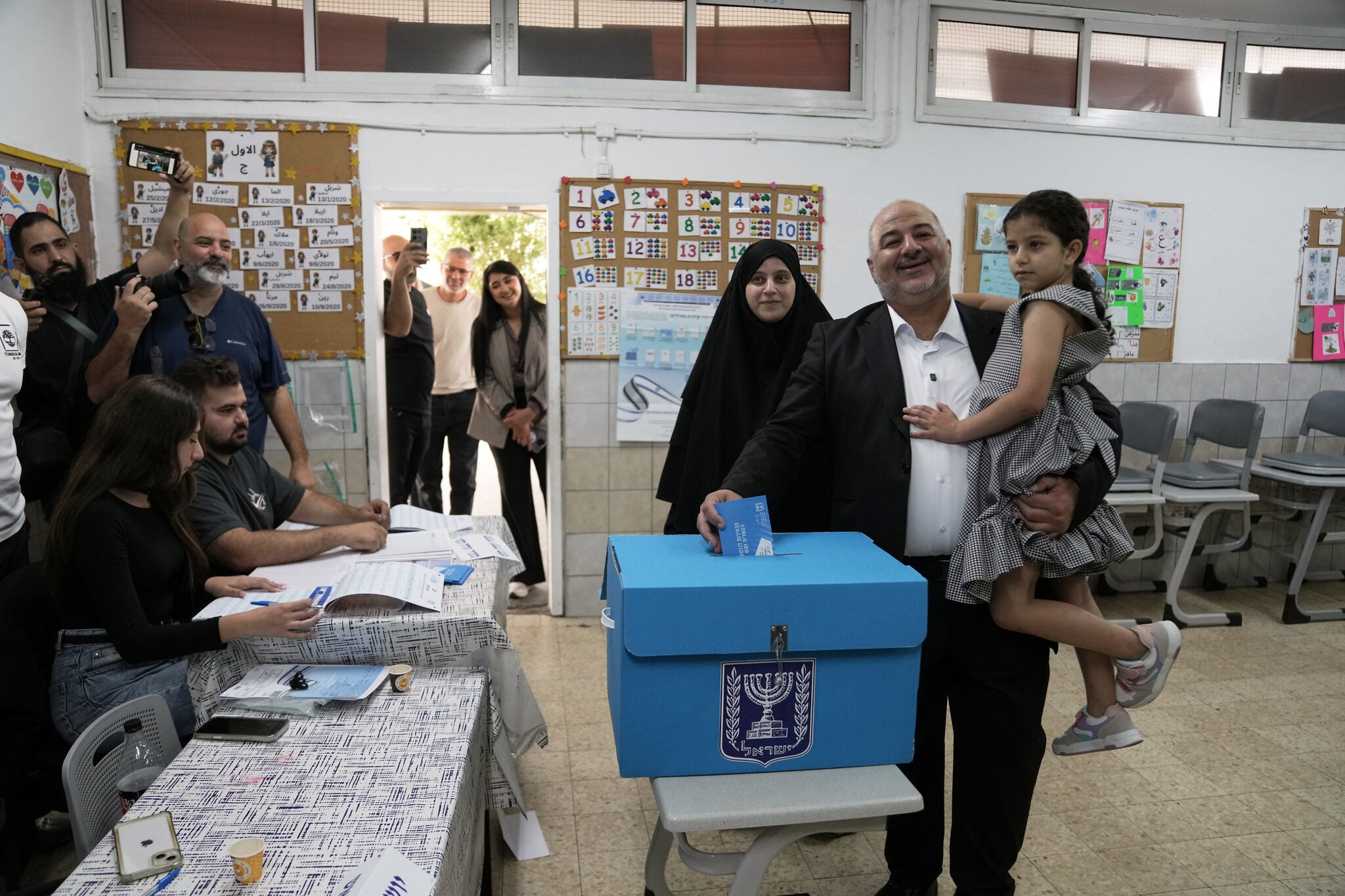
Contrary to Netanyahu’s claim, Abu Raesh’s lawyer told Army Radio that his doctor was not a Ra’am activist, but had instead advocated in the southern Bedouin town for people to go to the polls to change “the very difficult reality in Arab society.”
Ali Abu Laban also challenged the court’s initial decision to extend his client’s remand until Sunday despite “no money and no envelopes” being found in Abu Raesh’s home.
“It’s not enough for police to act as though it’s political… the most important thing is that the court prevents it,” he said.
Times of Israel staff contributed to this report.