French authorities warn against spreading leaked Macron data
Commission says anyone who circulates information from massive hack could be committing a criminal offense
PARIS — French electoral authorities took a hard-line Saturday on a hacking attack targeting presidential frontrunner Emmanuel Macron’s campaign, saying anyone who circulates the leaked information could be committing a “criminal offense.”
The electoral commission met following the announcement Friday by the pro-EU centrist’s team that his campaign had been the target of a “massive and coordinated hacking attack” after a flood of internal documents were released online a day before the election.
“The dissemination of such data, which have been fraudulently obtained and in all likelihood may have been mingled with false information, is liable to be classified as a criminal offence,” a commission statement said.
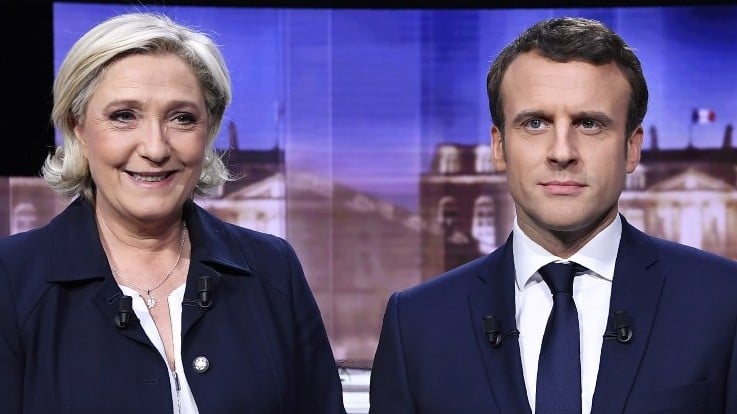
The documents spread on social media just before midnight on Friday — when 39-year-old Macron and his far-right rival Marine Le Pen officially wrapped up campaigning for Sunday’s decisive run-off vote — with his aides calling the leak “unprecedented in a French electoral campaign”.
Macron’s team said the files were stolen weeks ago when several officials from his En Marche party had their personal and work emails hacked — one of “an intense and repeated” series of cyber-attacks against Macron since the launch of the campaign.
“On the eve of the most important election for our institutions, the commission calls on all those on websites and social media… not to spread this information,” the statement said.