Hamas leader: Gaza roadmap we agreed to includes establishment of Palestinian state
Hayya does not explicitly say if terror group will disarm, but says its weapons would be addressed as part of 'package' with ceasefire implementation and independence
Hamas leader Khalil al-Hayya said on Saturday that Hamas agreed last year to a roadmap that ultimately includes the establishment of a Palestinian state.
In an interview with Qatar’s Al-Araby channel, Hayya was asked about Israel’s demand that Hamas disarm as part of the Gaza ceasefire, but did not directly say whether the terror group would agree to disarm.
“We agreed on a draft, a roadmap that we are prepared to implement — it is a complete package. It begins with completing the first phase of the ceasefire and continues through to the establishment of a Palestinian state, including the issue of weapons. It must be implemented as a package,” he told the channel.
Last October, Israel and Hamas agreed to a ceasefire to end two years of fighting that began with the terror group’s October 7, 2023 massacre of southern communities, including an exchange of the remaining hostages held by the terror group with Palestinian prisoners held by Israel.
Along with the ceasefire, US President Donald Trump unveiled a 20-point plan for Gaza that states the conditions “may” be in place for “a credible pathway to Palestinian self-determination and statehood” while “Gaza re-development advances and when the PA [Palestinian Authority] reform program is faithfully carried out.”
Israel is vehemently opposed to the establishment of a Palestinian state.
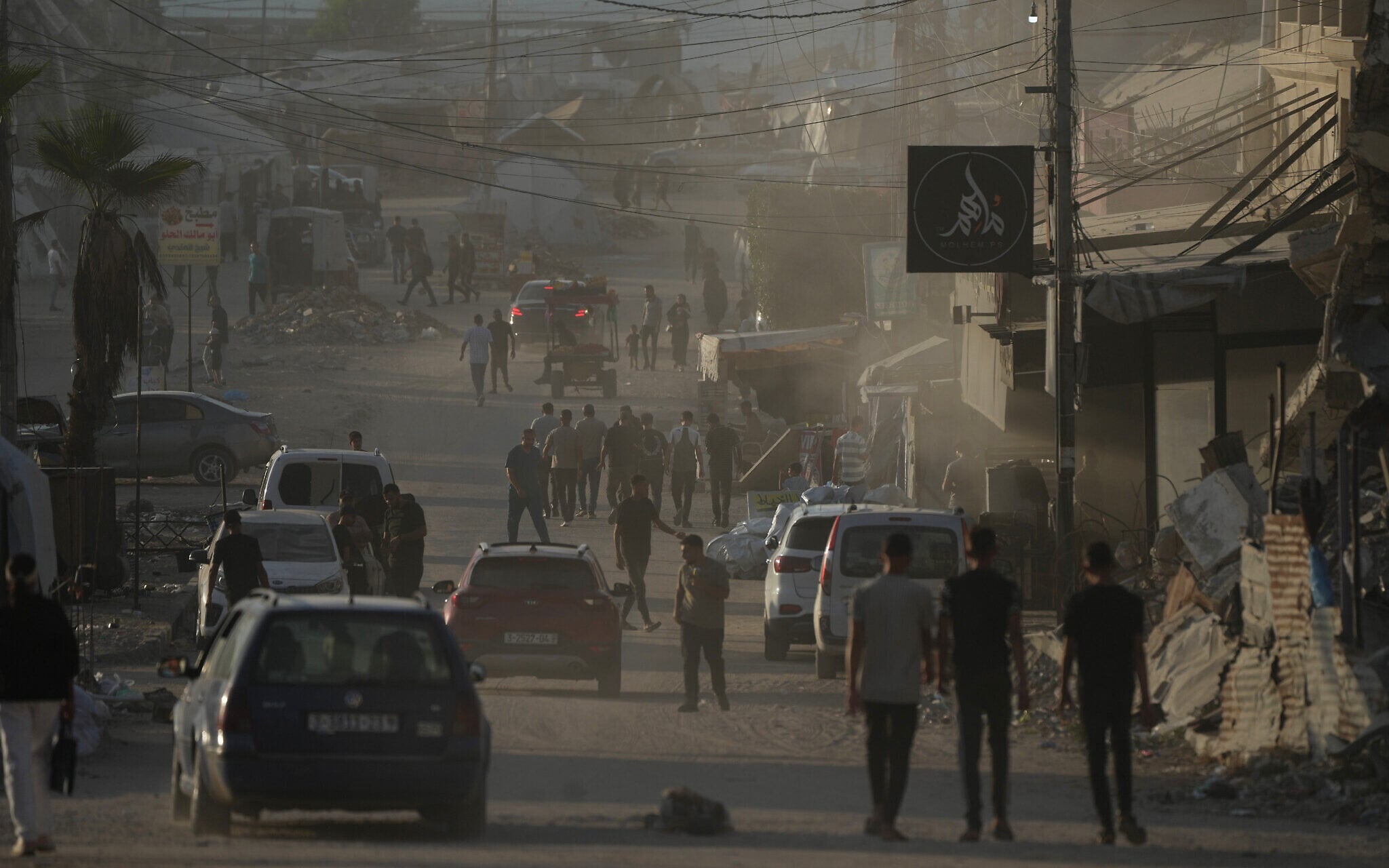
Hamas accuses Israel of consistently violating the ceasefire with military strikes in Gaza, while Israel accuses the terror group of repeatedly breaching the truce by continuing its efforts to rebuild its military capabilities, saying they justify the strikes.
After months of negotiations, Hamas agreed to the US-led Board of Peace’s disarmament plan on July 30, but its implementation has stalled amid Israel’s rejection of the proposal. Prime Minister Benjamin Netanyahu has insisted that the Israel Defense Forces will only withdraw once the terror group has been completely disarmed, rejecting the gradual and reciprocal framework envisioned in the proposal.
Board of Peace officials believe Netanyahu is refusing to cooperate due to the upcoming election on October 27 and acknowledge little progress is likely before then.
In his interview on Saturday, Hayya also made an indirect reference to the Palestinian parliamentary elections scheduled to take place in about two months, in which Hamas isn’t expected to officially participate on its own as things currently stand.
He said Hamas agreed to participate as part of a “national coalition,” without elaborating on what form that participation would take, and added that postponing the elections would constitute interference in the issue of internal Palestinian reconciliation between Fatah and Hamas.
Hayya also claimed that the October 7 attack was “a response to the criminal aggression of the occupation. October 7 did not create the occupation. It happened when the Palestinian cause was at its lowest point, and the world had forgotten it.”
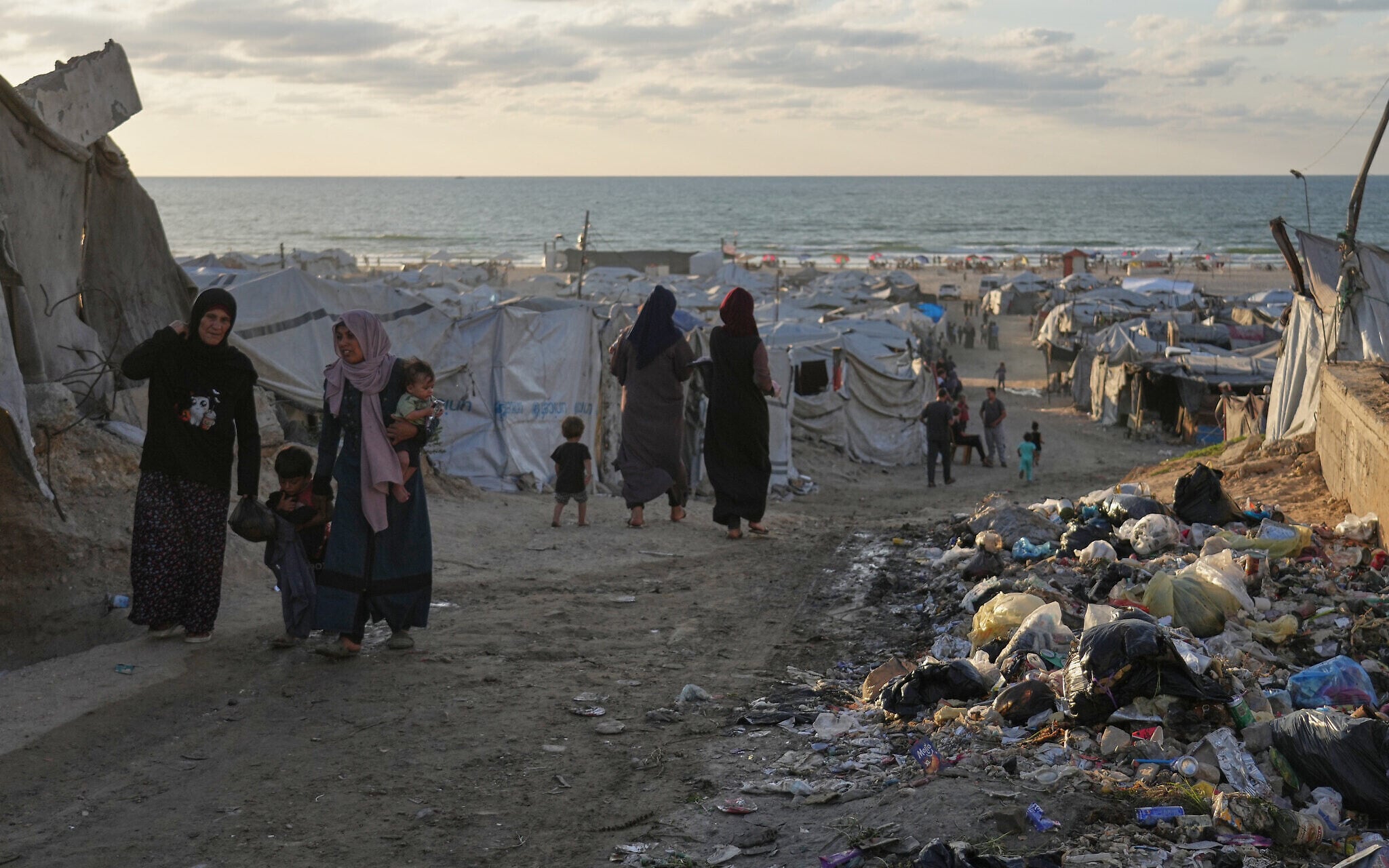
Hamas commander and another operative killed in Gaza strikes
Meanwhile, the military announced on Saturday that a Hamas commander and another member of the terror group were killed in separate strikes in the Gaza Strip the day before.
One strike in central Gaza’s Nuseirat camp killed Ibrahim Fawzi Ismail Mohsen, identified by the IDF as a member of Hamas’s elite Nukhba Force.
The IDF said another strike on Friday, in southern Gaza’s Khan Younis, killed Hamas operative Mohammed Kamel Suleiman Mohsen.
Both operatives had been advancing attacks against troops and Israeli civilians, acting to restore Hamas infrastructure “in systematic violation of the ceasefire,” the military said, adding that they were killed to “remove the threat that they posed.”
The war between Israel and Hamas has killed over 73,400 people in Gaza, including more than 1,330 since the onset of the October 2025 ceasefire, according to the Hamas-run health ministry in the enclave, although the toll does not differentiate between combatants and civilians.
The Israeli military believes that Hamas’s overall toll is largely accurate, with IDF officials estimating that two to three civilians were killed for every dead terror operative.
Israel has said it seeks to minimize civilian fatalities and stresses that Hamas uses Gaza’s civilians as human shields, fighting from civilian areas including homes, hospitals, schools, and mosques.
Israel’s toll in the ground offensive against Hamas in Gaza and in military operations along the border with the Strip stands at 479.