Hamas official: Prisoner exchange talks with Israel underway
Terror group says negotiations will advance only after hundreds of Palestinian detainees released; latest Gaza tunnel collapse injures 8
The Hamas terrorist organization is negotiating a prisoner exchange with Israel that would see the release of two Israeli civilians and the remains of two Israel Defense Forces soldiers held in Gaza in exchange for the release of hundreds of Palestinian prisoners, an unnamed Hamas official said Wednesday.
During an interview with Israel Radio, the official said Hamas would only move forward with the talks after Israel releases hundreds of Palestinians who were rearrested after they were freed in a 2011 deal brokered with the Gaza-based group to secure the release of kidnapped Israeli soldier Gilad Shalit.
When asked if Hamas would provide a sign of life from the Israeli civilians, the official said that “everything comes at a price,” and the negotiations would take place out of the media spotlight.
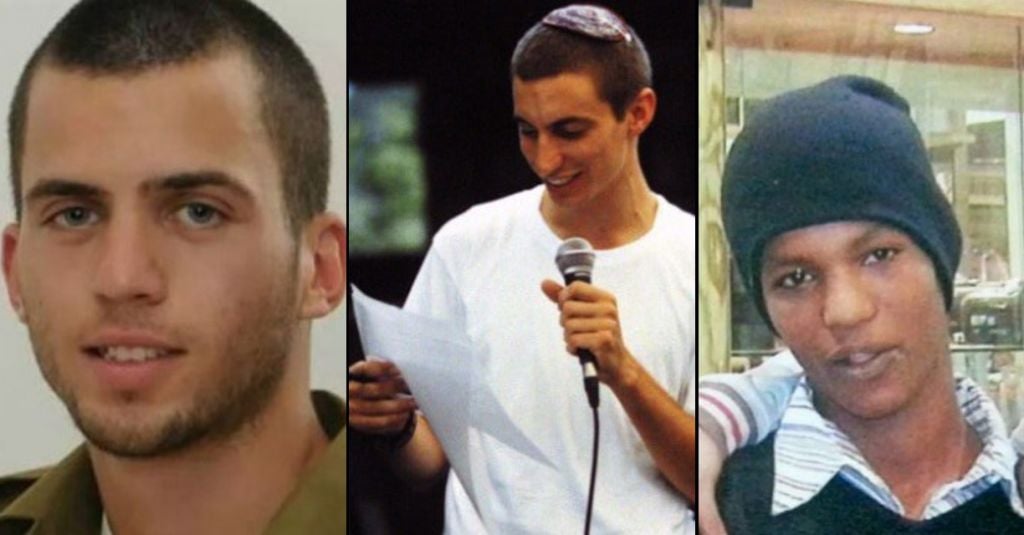
Hamas is holding the remains of soldiers Oron Shaul and Hadar Goldin, who were killed in the 2014 Gaza war, as well as 29-year-old Avraham Mengistu and Juma Ibrahim Abu Anima.
Israel has only negotiated directly with President Mahmoud Abbas’s Palestinian Authority, not with the Hamas rulers of the Gaza Strip, which it considers a terror group, and any future prisoner exchange deal would likely have to be mediated by a third party.
The official also commented on State Comptroller Yosef Shapira’s upcoming report on Israel’s handling of the 2014 war, saying that political infighting in Israel over the state inquiry proves Israel’s 50-day military campaign was not much of a military victory.
He went on to say that Hamas is not currently seeking a fresh round of hostilities with Israel, but is preparing for all scenarios, especially after the May appointment of the “insane” Avigdor Liberman as Defense Minister.
Hamas’s network of attack and smuggling tunnels are the group’s weapons, he said, adding that the organization’s fighters dig cross-border tunnels just like Israel buys warplanes.
Earlier on Wednesday, Palestinian media reported that eight Gazans were injured when a tunnel collapsed near Gaza City, the latest in a series of cave-ins in recent months that have killed over a dozen Palestinians.
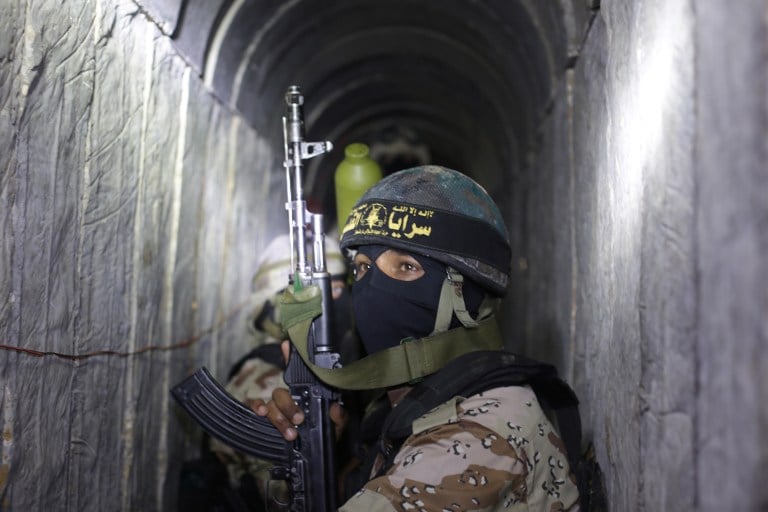
Their wounds were described by the Palestine News Network as light to moderate.
The collapse overnight Tuesday was the 15th such incident reported since the beginning of the year. At least 19 people, most of them reportedly members of Hamas’s armed factions, have been killed in the collapses. On July 19, a Palestinian Islamic Jihad operative was killed in the Strip in a tunnel collapse east of Khan Yunis.
It is not clear what is causing the collapse of many of the tunnels, which serve a variety of purposes, from smuggling goods and firearms from the Sinai Peninsula to carrying out terror attacks against Israeli towns near the Gaza border.
Israeli officials have warned that Hamas, which is sworn to the Jewish state’s destruction, has begun rebuilding its network of subterranean tunnels, some of which could extend into Israeli territory and be used for surprise attacks, as they were in 2014.
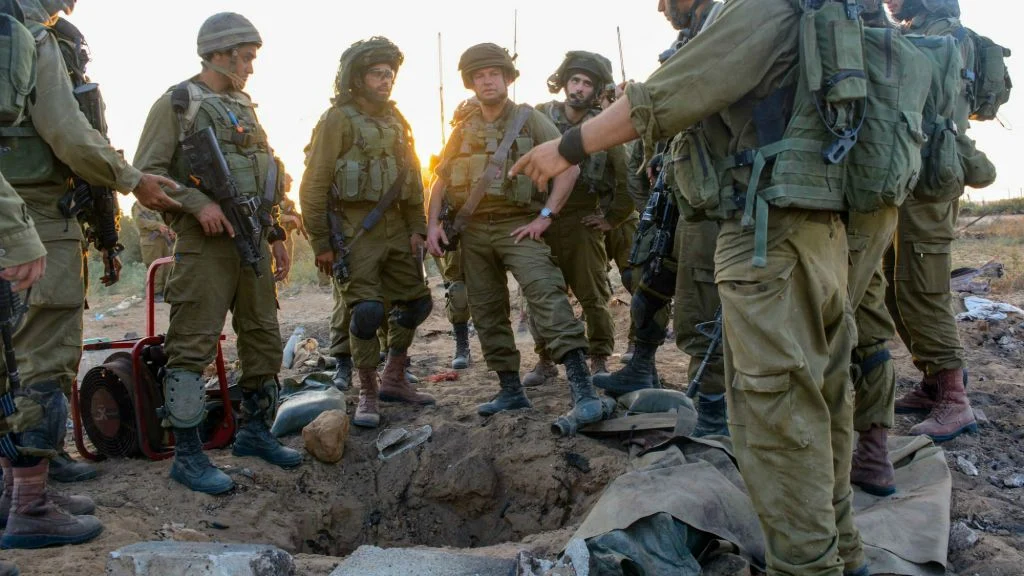
Since April, the IDF has discovered two tunnels leading into Israeli territory, and the Shin Bet says it has captured a number of Gazans who have given them extensive information on the tunnel system.
Israeli officials have linked many of the recent tunnel collapses to Hamas’s shortage of materials such as wood and cement, needed to strengthen walls of sand.
Reports in Hebrew-language media say that Hamas has been using fiberglass instead, a material that has proven too weak to support the weight of the sand.
An Israeli blockade designed to keep weapons and other military infrastructure from entering the Strip severely restricts the movement of people and goods into and out of the territory, and Egypt’s sole border with Gaza has also remained largely closed since 2013 over Egyptian claims that Hamas has supported the Muslim Brotherhood and an Islamist insurgency in the Sinai.
Times of Israel contributed to this report.