Hamas thinks Israel will want to end this conflict quickly; it could be wrong
The terror group got its 'victory pictures' but has no exit plan for the violence it started, Gaza is paying a heavy price, and Netanyahu may not rush to end the IDF counterstrikes
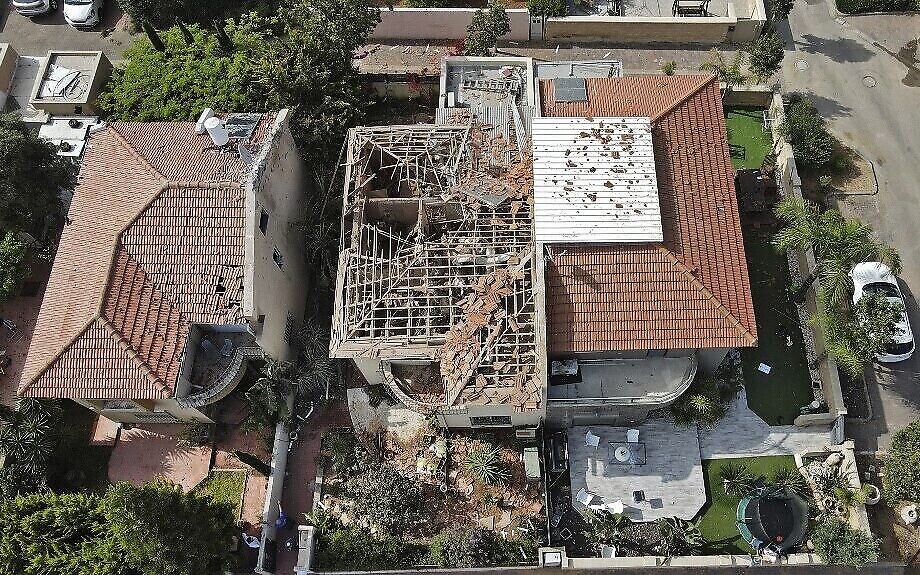
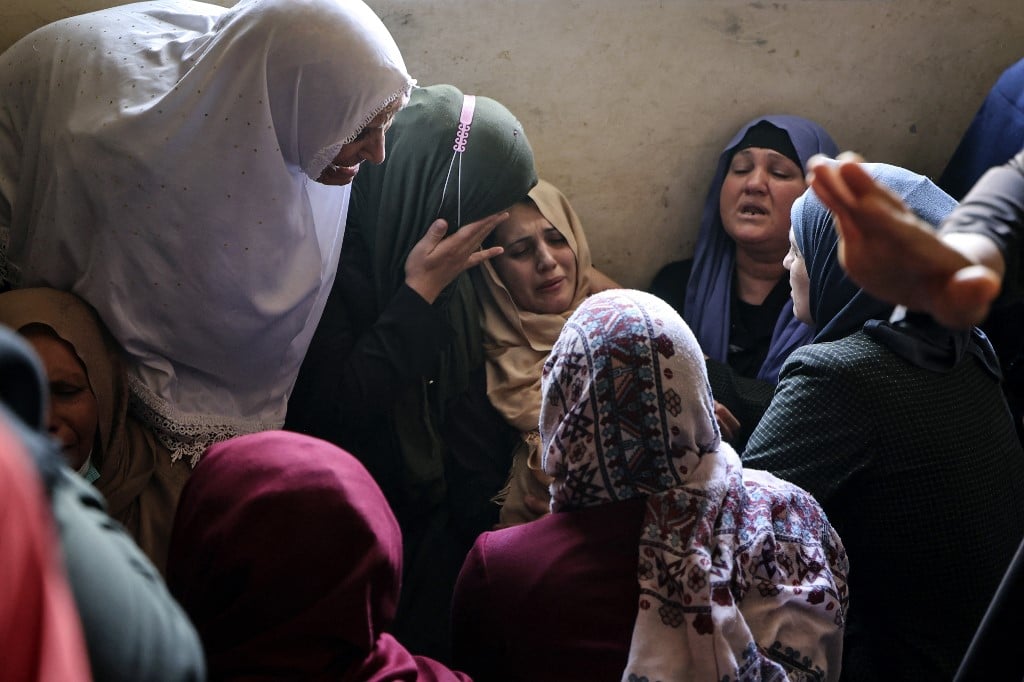
At 6 p.m. on Monday, Hamas elected to embark on a foolish, arrogant misadventure. It might score some points with the Arab public, including in the West Bank and the wider region, but it will cost the Gaza Strip a heavy price and, as the Gaza death toll mounts, is unlikely to boost Hamas’s standing there.
Rather like the case with Hezbollah in 2006, Hamas’s assumption is that the Israeli leadership will want to end this round of fighting as quickly as possible. That’s what its experience with Netanyahu governments has taught it. The prime minister has created an almost surreal reality over the years in which Israel has essentially done no small amount to help enable Hamas to retain its rule over Gaza, including permitting the distribution by Qatar of funding to alleviate some of the Strip’s acute poverty, while Hamas for its part has generally avoided crossing red lines in its dealings with Israel.
But on Monday Hamas shattered the status quo, having determined that the benefits of doing so outweighed the costs. It reckons it will be portrayed as the defender of Jerusalem and of Al-Aqsa Mosque, the restorer of lost Palestinian honor, while the rival Palestinian Authority is left looking particularly ridiculous. But Hamas, which initiated the incitement regarding Jerusalem in recent weeks, maintained it, and managed to set the city on fire, went one step too far.
When its absurd “ultimatum” to Israel to withdraw by 6 p.m. from Sheikh Jarrah and the Temple Mount Compound expired, it attained its desired victory pictures: The barrage of rockets it fired at Jerusalem prompted the evacuation of MKs from the Knesset plenum and halted the Jerusalem Flag March.
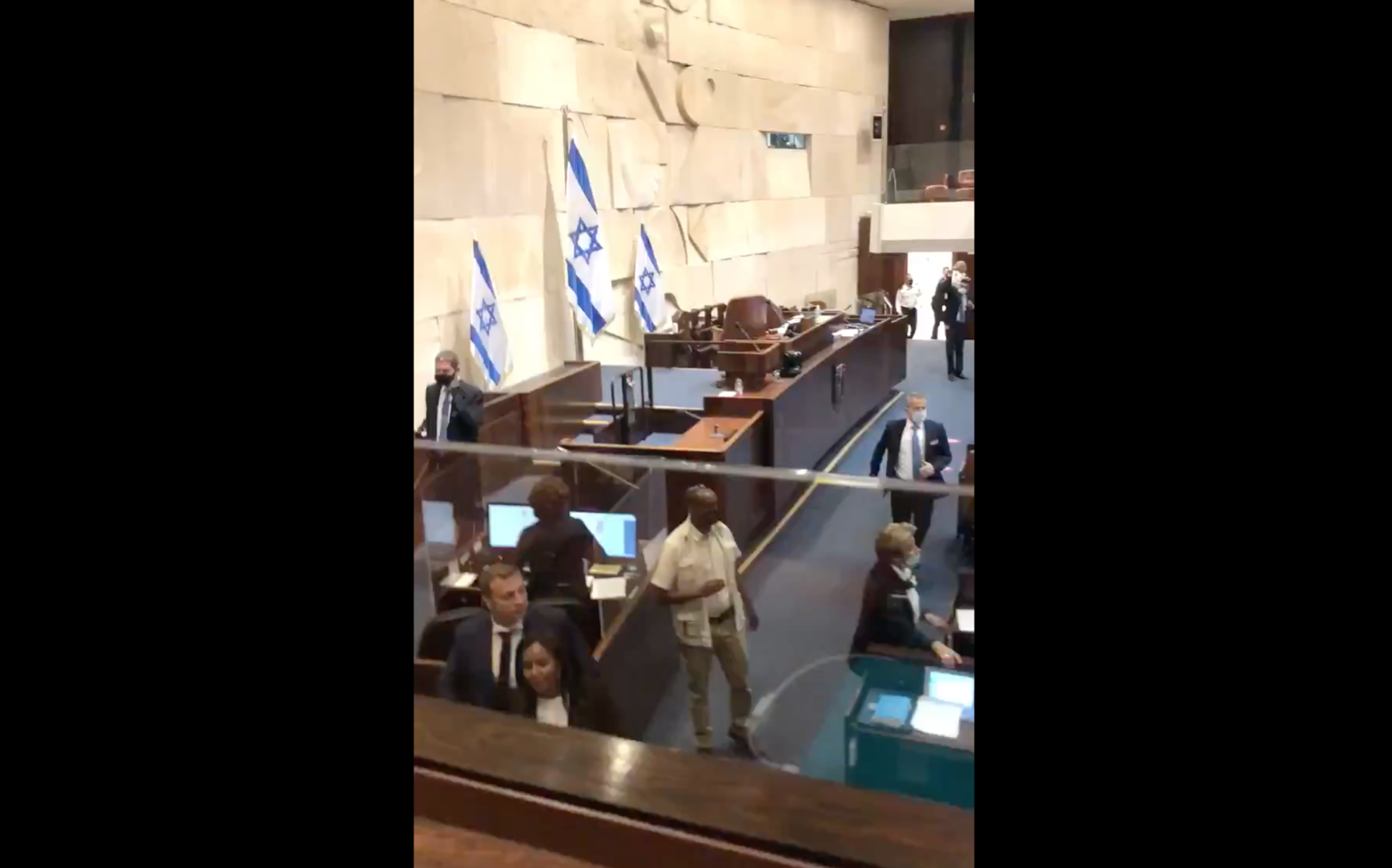
But the true nature of victory is far from determined yet. Hamas has no exit plan, apart from a reliance on the intuition of commanders such as Yahya Sinwar and Mohammed Deif that Israel will want to end this conflict quickly. Whoever made the decision to fire those rockets appears to have failed to think this through, and it looks like a miscalculation. A prolonged conflict against Hamas could actually give the Netanyahu government the oxygen it needs to torpedo the establishment of a “change bloc” coalition relying on the Arab Islamist party Ra’am.
What exactly were Deif and his colleagues thinking when they decided to ruin Eid al-Fitr, the celebration at the end of the holy month of Ramadan, for the 2 million residents of Gaza? Apparently, not a lot. But plainly, the narrow political considerations of the Hamas leadership outweighed the interests of the Gazan public. The sound of vast crowds of young Palestinians on the Temple Mount calling out, “Deif, blow up Tel Aviv,” apparently went to the terror commander’s head; after so many years in the shadows he seems to have let his ego take center stage.
Two final points.
First, despite all the furor in Jerusalem, all the clashes, and the hundreds injured on the Temple Mount, the West Bank Palestinian public has remained largely indifferent, disconnected from Gaza and Jerusalem, and a third intifada does not, at this stage, appear to be on the horizon.
A descent into major conflict with Gaza, by contrast, is an unfortunately more realistic prospect.
Second, despite what would appear to have been a deliberate decision by Hamas to escalate toward such full-scale conflict, the terror group, after that 6 p.m. barrage, and as of this writing, has focused its fire into Israeli areas closer to Gaza, rather than into central Israel and the Jerusalem area again — indicating a desire to avoid complicating the situation still further. In the meantime, Egypt, the UN and all the usual players are already trying to stop the conflict.
The question is whether Netanyahu is motivated to end it at this stage, when Monday’s Hamas escalation already caused the halting of negotiations between Ra’am, Yair Lapid and Naftali Bennett on the establishment of a “change bloc” government.