Hapag-Lloyd revises offer as sale of Israeli shipping giant Zim hangs in the balance
German shipping line vows that improved $4.2 billion deal for Zim, which includes a direct Israel-Far East route, serves Israel's maritime security needs even in emergency situations
German shipping behemoth Hapag-Lloyd has submitted a sweetened offer to salvage its $4.2 billion bid for Israel’s Zim freighter service, hoping to overcome objections that the acquisition would leave Israel’s main shipper in foreign hands and could leave the country in dire strategic and national security straits.
The revised offer comes after Defense Minister Israel Katz joined a list of political leaders objecting to the sale to the German shipping line, siding with Defense Ministry officials reviewing the potential acquisition over concerns about transferring Israel’s shipping to a foreign company.
The ministry concluded over the summer that the proposed sale doesn’t safeguard Israel’s national security interests, especially during emergencies. The proposed deal has also faced harsh opposition from Zim’s workers.
In response, Hapag-Lloyd CEO Rolf Habben Jansen, during a visit to Israel at the end of last week, together with Israeli partner private equity firm FIMI Opportunity Funds, led by Ishay Davidi, presented the government with what they described as an improved proposal “designed to strengthen Israel’s maritime independence, national security and supply chain resilience.”
“Hapag-Lloyd and FIMI have listened carefully to the State of Israel and have developed substantial improvements to the proposal,” said Habben Jansen. “The substantially improved proposal gives Israel materially more maritime independence and addresses all its national security needs, which is critical as we were reminded again over the past three years.”
“I am genuinely convinced that the proposal we are presenting offers real solutions to the issues faced by the Israeli State, boosts Israel’s maritime capabilities, and is a reflection of the longstanding relationship of Israel and Germany,” Habben Jansen remarked.
Hapag-Lloyd’s proposed improvements to the original offer include the addition of a direct Far East maritime route; expanding the state’s protections to ensure Israel’s independence and control over Zim Israel’s fleet and operations, especially in times of emergencies; maintaining vessel management and professional expertise in Israel, and safeguards for employees.
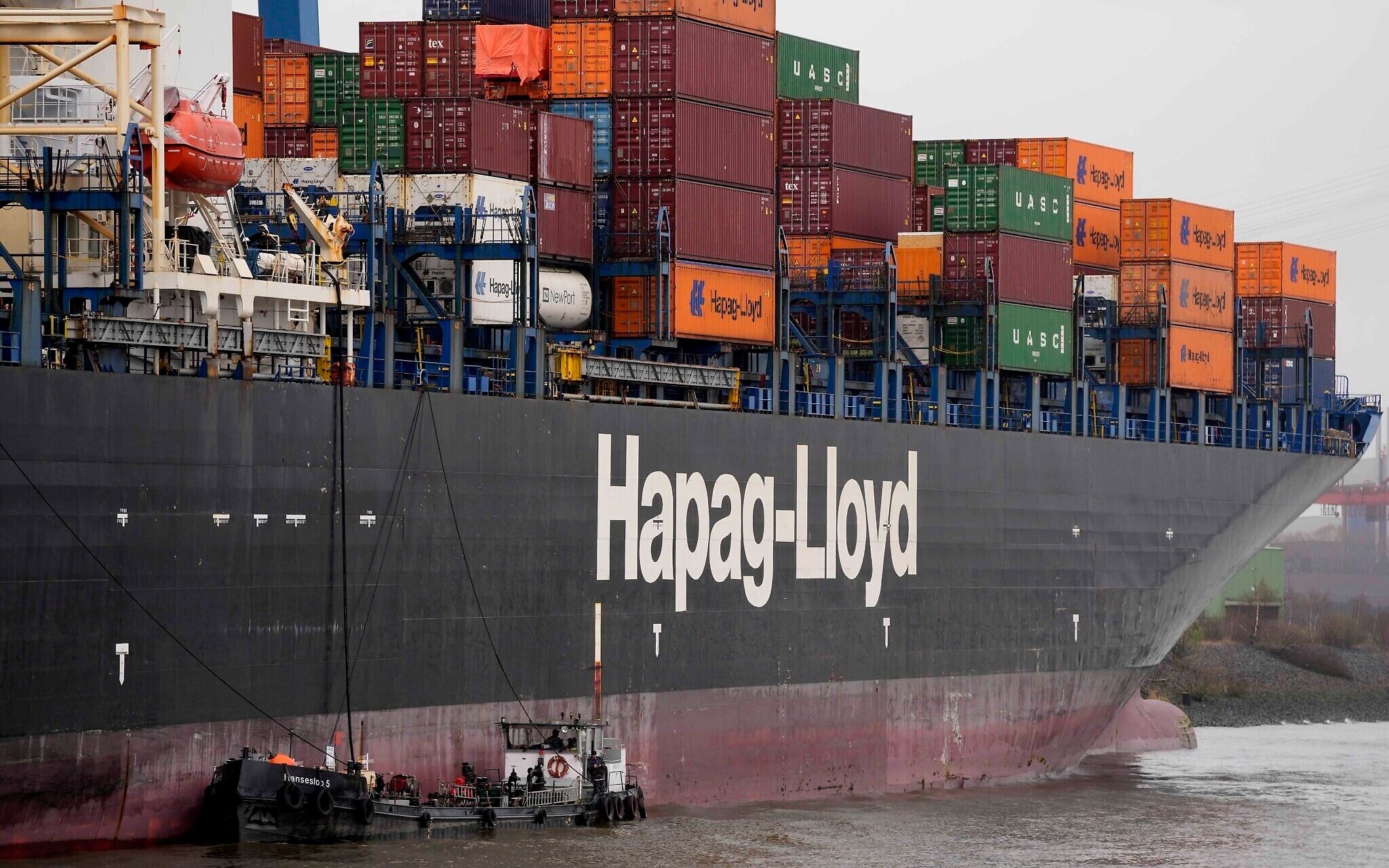
The deal has been under fierce discussion since February, when the German firm signed an agreement to purchase its rival alongside FIMI, which would hold a small slice of Zim Integrated Shipping Services. The Israeli spin-off, to be known as “New Zim,” is meeting a requirement for the formerly state-owned enterprise to maintain maritime freight operations to and from Israel.
The special state share, also known as a “golden share,” held by the Israeli government in Zim gives it special rights to require the shipping line to maintain a presence in Israel, including a certain number of vessels that must remain Israeli-owned, so that the country’s needs will be served.
Under the originally proposed deal, the golden share would be transferred to New Zim. With a fleet of 12 to 16 vessels, the slimmed-down company would serve global trade routes into Israel, but only across the Atlantic Ocean and Mediterranean. Under the revised framework, Zim Israel would also operate a weekly route on a direct Far East service.
However, the lion’s share of Zim’s profitable operations, including shipping routes between East Asia and the Americas, would come under the control of Hapag-Lloyd, whose shareholders include a subsidiary of Qatar’s sovereign wealth fund, which owns a 12.3 percent stake, and Saudi Arabia’s Public Investment Fund, which has a 10.2 percent stake.
Zim labor union chief Oren Caspi told The Times of Israel that he remained opposed to the deal, arguing that the revised safeguards do not increase the number of vessels kept in Israeli hands and would still leave the country’s shipping needs dependent on a foreign company.
“Israel is uniquely dependent on international maritime shipping, which accounts for around 98% of imports, including essential supplies from food to medicine, especially in times of emergency,” said Caspi. “We need at least 50 ships in Israeli hands and lines to all trade corners of the earth, including from the Far East to the US.”
“With this revised proposal, Hapag-Lloyd prevents the government from making a decision and is essentially buying time, hoping that following elections at the end of October and a change of government there will be a more favorable climate to pass the deal,” Caspi charged.
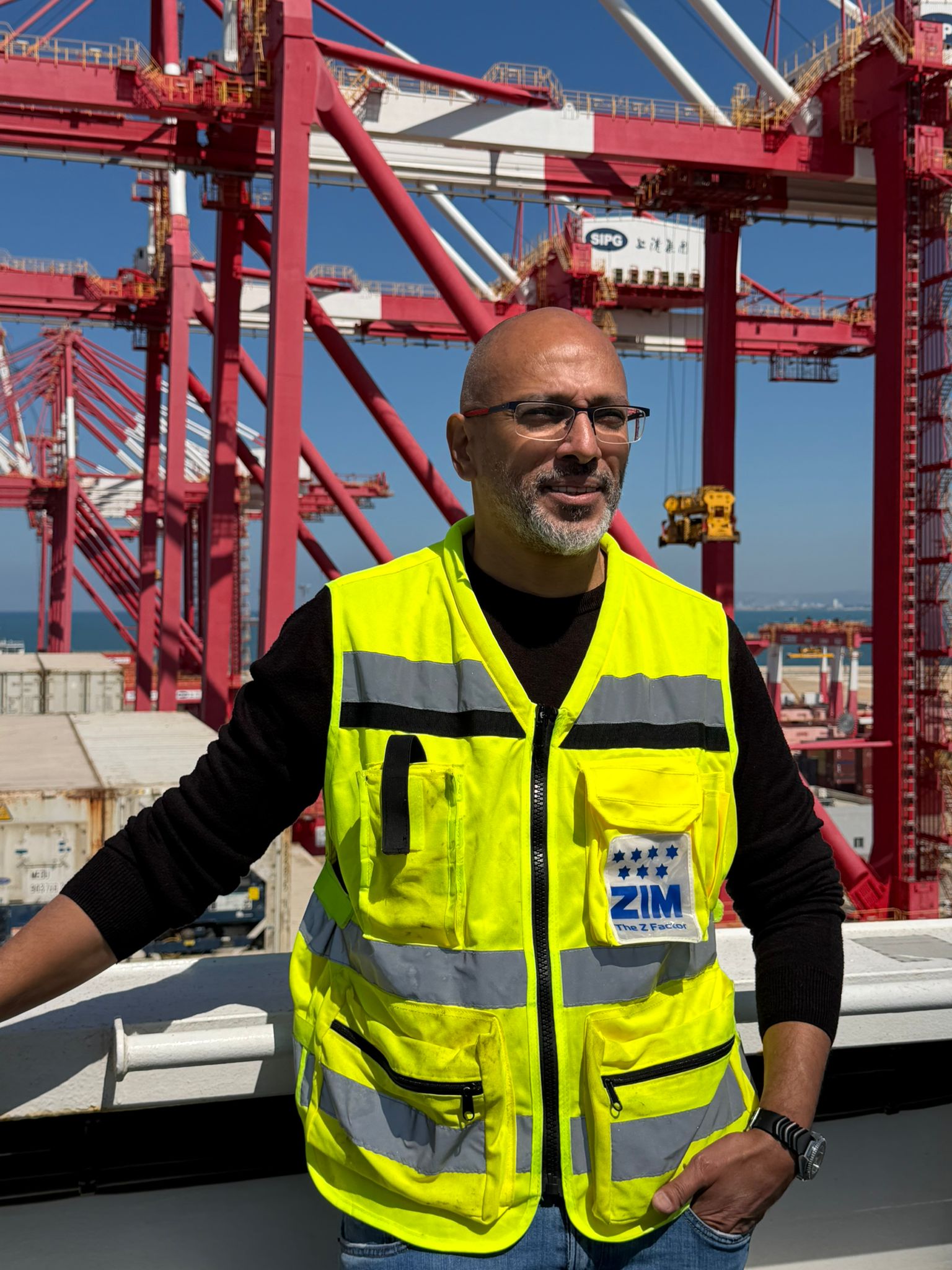
Founded in Israel in 1945, Zim is Israel’s largest shipping company, with operations in over 90 countries, serving more than 33,000 customers across 300 ports worldwide. Major trade routes include the Pacific, Latin America, the Atlantic, cross-Suez, and intra-Asia.
Hapaq-Lloyd and FIMI said a fully revised framework of the deal, including commitments to Zim Israel’s shipping operations, will be submitted within 45 days. After that, the transaction, which is expected to close at the end of 2026, remains subject to customary closing conditions, including approvals by various regulatory authorities, among them the State of Israel.
“The uncertainty is already causing damage, as workers are leaving us in Israel and abroad as they feel that their future is not secure,” said Caspi. “We are facing difficulty in signing cooperation agreements and alliances with other shipping companies because of the uncertainty over the ownership.”
“That’s why the government needs to make a decision and prioritize Israel’s strategic maritime independence,” said Caspi.