High Court won’t reverse AG’s decision to bar state-funded memorial for Shas Rabbi Ovadia Yosef
Court decides petition moot since event can't be planned in time for intended October 6 date; religious rights group says Shas election candidate, IDF reservist, should be disqualified
The High Court of Justice on Wednesday rejected a petition by the Shas party seeking to overturn Attorney General Gali Baharav-Miara’s decision to block a state-funded memorial for the party’s late founder, Rabbi Ovadia Yosef, which had been scheduled for October 6.
The government had passed legislation providing for state-funded events to commemorate the Sephardi ultra-Orthodox party’s spiritual leader, a former chief rabbi of Israel, close to the day of his passing. But the attorney general determined earlier this year that because that date falls within three weeks of the upcoming election, and due to the expected participation of Shas political leaders, the event would turn into a party political event funded by the taxpayer.
The attorney general suggested several alternative arrangements, including holding the memorial without Shas politicians present, but these were rejected, leading the Religious Services Ministry to cancel the event earlier this month. She also suggested a private event before the vote, to be followed by a state-funded ceremony in the weeks that followed.
The Hebrew anniversary of Yosef’s death in 2013 falls this year on October 14, two weeks before the Knesset election.
At the end of a short hearing on Wednesday, High Court judges said that the petition against the attorney general’s decision is moot since the event can no longer be planned in time, and the court will therefore not rule on what it characterized as a theoretical issue.
Shas Chairman Aryeh Deri said in response: “Today, the High Court judges, with callousness and a disconnect from the feelings of large numbers of Jews, are lending a hand to preventing the state commemoration event for [Yosef’s] legacy.
“Neither the High Court nor the attorney general will succeed in stopping the legacy of Maran,” he said, using an honorific for Yosef. “It lives in the hearts of millions and will continue to illuminate generations.”
Earlier this month, Deri posted an AI-generated video on social media showing a cross-section of Israelis painting a portrait of Yosef, which is then erased by Baharav-Miara.
כולם היו בניו. pic.twitter.com/lDU6o0ciaO
— אריה מכלוף דרעי (@ariyederi) September 2, 2026
In response, Shas spiritual leader Rabbi Yitzhak Yosef, Ovadia Yosef’s son, said in a video statement, “No need to consider them; I call for a thousand ceremonies for Maran across Israel.”
Yosef last month called for God to “finish” the attorney general, claiming that she had declared it “forbidden” to hold a memorial event for his father.
United Torah Judaism MK Ya’akov Asher said the High Court’s decision proved how much the body was “disconnected from the public.”
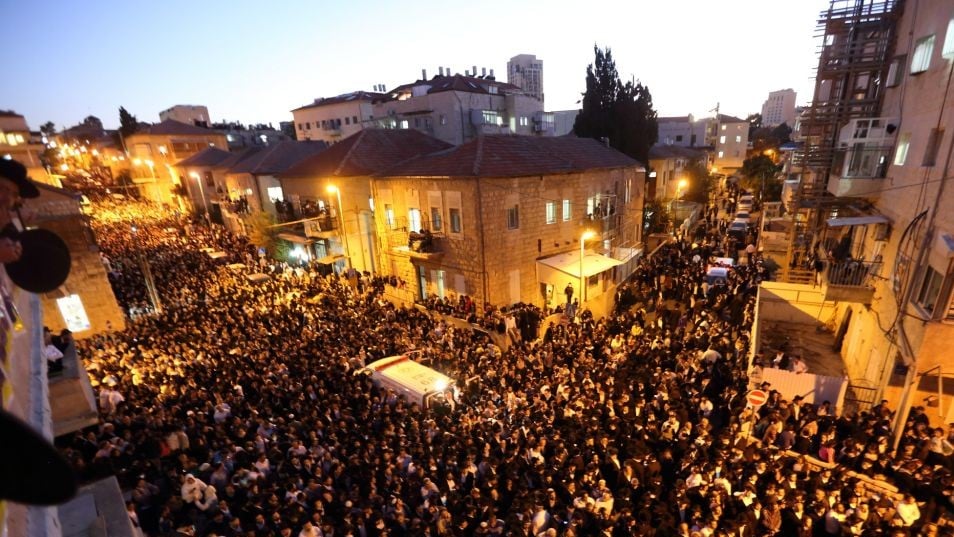
“About a million people marched behind the coffin of Maran Rabbi Ovadia Yosef, may his memory be a blessing, and many continue to follow his rulings and legacy, regardless of any political affiliation,” Asher said.
The government has clashed with the attorney general since its first weeks in office and has repeatedly vilified her, largely over her opposition to efforts to weaken judicial oversight and limit other checks on executive power.
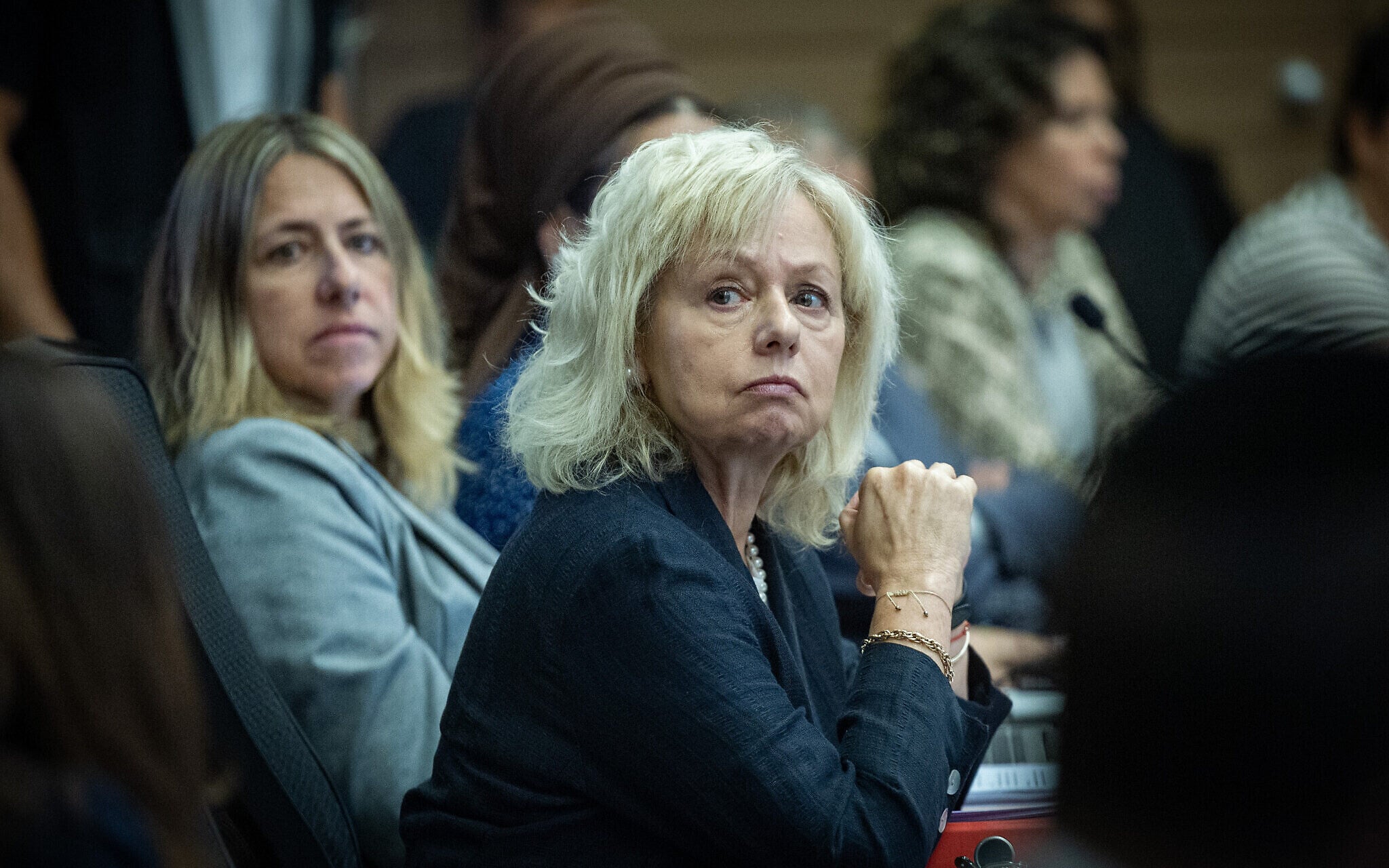
The coalition voted to dismiss her last year, but the decision was frozen by the High Court since the firing procedure was a novel one that was introduced after attempts to oust her using the established method failed. The coalition also tried advancing a pair of controversial bills that would curtail the power of the attorney general and make it harder to indict high-ranking government officials.
Religious rights group files petition to disqualify Shas candidate
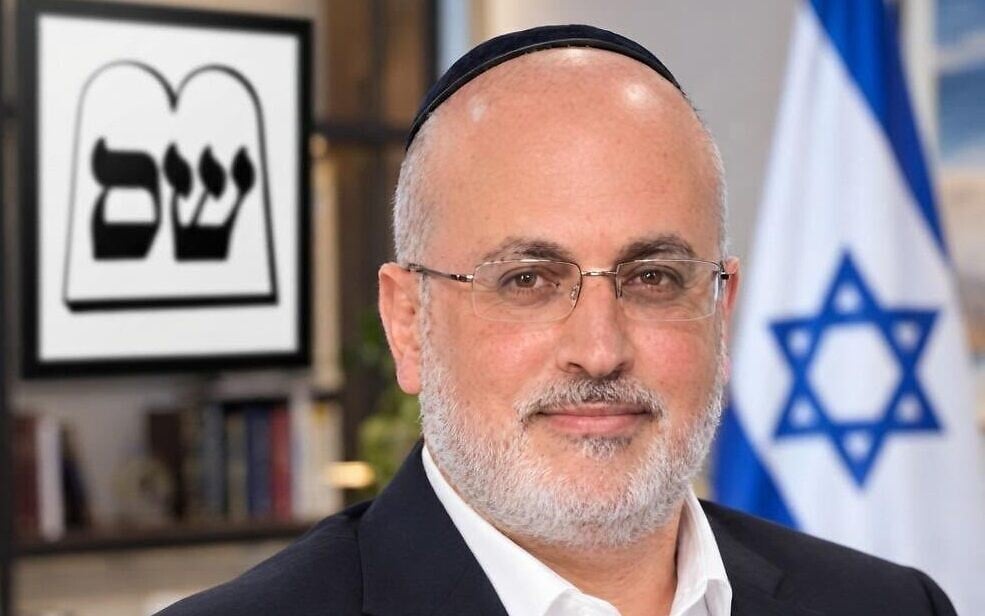
Also Wednesday, the religious rights group ITIM submitted a petition to the Central Elections Committee to disqualify the number-six Shas candidate Dror Amos from running in the election, arguing that he failed to resign from his senior public position within the legally required timeframe and continues to hold the post.
Amos, a reserve IDF major, currently heads the Haifa Religious Council and has remained in the position since joining Shas’s Knesset slate. ITIM argued that as a public official, he was required under Israeli law to resign at least 100 days before Election Day.
Amos was a notable addition to the Sephardi ultra-Orthodox party, allowing Shas to prominently feature a reservist on its slate despite staunchly opposing efforts by the outgoing government to draft Haredi men. The party has since tried to moderate its image on the issue.
ITIM separately called on the Religious Services Ministry to immediately suspend Amos and place him on unpaid leave. It also noted that public employees are prohibited from participating in election campaigning, arguing that Amos cannot campaign for Shas while continuing to exercise the powers of his public position.
“Dror Amos cannot have it both ways: managing religious services in the morning on behalf of the state and garnering votes for Shas in the evening,” ITIM attorney Yair Mevorach Shaag said.
More broadly, ITIM argued that Amos’s candidacy highlights an improper blurring of the line between state religious services and party politics, with a serving religious council chief moving directly into a prominent position on the slate of a political party.
“Religious services in the State of Israel belong to the entire public, not to any party apparatus,” said ITIM founder and chairman Rabbi Seth Farber. “When a system intended to provide official, sensitive and fair services to every citizen becomes a political springboard, public trust in religious institutions collapses.”